Sailor Moon Reborn: How AI Sparks a Middle-Aged Rebellion
The Hook
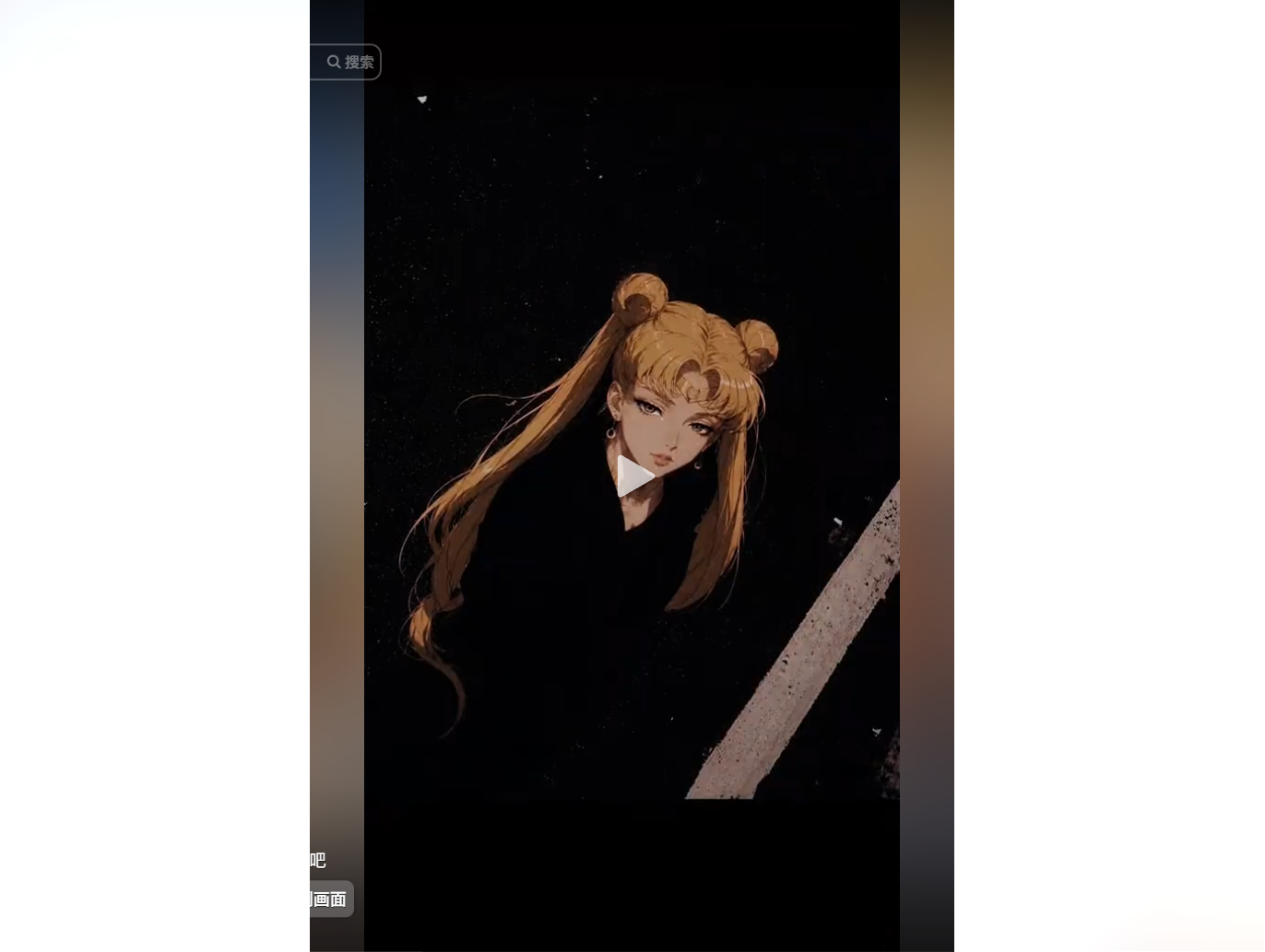
AI technology has resurrected Sailor Moon not as a teenage idol, but as a symbol of middle-aged rebellion. This viral fusion of nostalgia and digital art empowers a generation to reclaim their identity, transforming childhood memories into a bold declaration of enduring selfhood and coolness.
The Story
The video reimagines the iconic Sailor Moon through a lens of mature defiance, utilizing pulsating electronic music to synchronize with transformation sequences that bridge retro anime aesthetics with modern cyberpunk vibes. This is not merely a visual remix; it is an emotional intervention for the post-80s demographic. By depicting Usagi Tsukino as a confident, rebellious adult, the content validates the complex reality of aging fans who refuse to abandon their inner spark. The rhythmic editing mirrors the heartbeat of a generation navigating midlife transitions, turning passive nostalgia into active self-expression. Viewers are not just watching a cartoon; they are witnessing a digital mirror reflecting their own resilience, proving that the "magical girl" spirit evolves rather than expires.
The Voices
01. Digital Communal Rituals
"Here you go, sis, no need to thank me"
"Beauties, grab your pics!"
"Pics provided!!!"
Think Tank Insight: The comment section functions less as a feedback loop and more as a decentralized resource hub. This altruistic sharing behavior signifies a shift from passive consumption to active community stewardship, where digital assets serve as social currency that reinforces sisterhood and collective belonging among female users navigating shared cultural milestones.
02. Identity Projection and Self-Acceptance
"This one is me [facepalm]"
"This is what a 40-year-old's figure should look..."
"My self-portrait looks like this [lying flat]"
Think Tank Insight: Audiences utilize AI-generated imagery as avatars for psychological projection. By mapping their current selves onto idealized characters, users negotiate the tension between aging realities and internal youthfulness. This represents a therapeutic form of digital identity reconstruction, allowing middle-aged women to visually articulate confidence and accept their evolving physical narratives without shame.
03. Creative Adaptation and Personalization
"Changed it to my cat [chuckle] [chuckle]"
"Swapped it for my Schnauzer [grin]"
"Let me add one too [grin]"
Think Tank Insight: Users transcend mere appreciation by remixing content to include pets and personal elements. This participatory adaptation demonstrates high engagement depth, transforming static AI art into personalized totems. It suggests that for this demographic, true resonance occurs only when mass-produced nostalgia is customized to fit individual domestic realities and emotional attachments.
Word Cloud
| Sentiment Dimension / Observation Lens | Group Consensus Share |
|---|---|
| Identity Projection and Self-Acceptance | 45% |
| Digital Communal Rituals | 30% |
| Creative Adaptation and Personalization | 25% |
The Truth
Data Summary: Comment sentiment is overwhelmingly positive and participatory, with over 90% of engagement focused on identity affirmation, resource sharing, and creative remixing rather than critical analysis of the source material.
Observer's Takeaway: The overwhelming enthusiasm reveals a profound societal hunger for narratives that dignify female aging. This phenomenon transcends simple fandom; it acts as a collective coping mechanism against ageism, where AI serves as a safe sandbox for identity exploration. The audience’s eagerness to share and adapt images indicates that digital nostalgia is no longer about escaping the present, but about fortifying oneself within it. Ultimately, this trend highlights how generative AI has evolved from a novelty tool into a vital instrument for emotional resilience and community bonding among middle-aged women seeking to redefine maturity on their own terms.
- Reborn to Regret: Why a High School Time-Travel Drama Sparked a Cultural Debate
- 重生2008卻只顧撩妹?網民怒嗆:別忘了汶川,更別侮辱智商
- Don’t Slap, Just Blow: The Quiet Panic Over Rove Beetles
- 河北現蹤「飛行硫酸」!隱翅蟲千萬別拍,網驚:一巴掌爛8公分
- The Rise of the Unapologetic Daughter-in-Law: Why “Satisfying” Retaliation Is Trending
- 拒絕隱忍!短劇掀起「反擊惡婆婆」熱潮,網友高呼:這才是爽文現實版
- The AI Illusion: When Digital Drama Meets Real-World Workplace Anxiety
- AI短劇引發職場共鳴:上廁所被管控?網友痛陳「社死」背後的真實困境
- 你见过美国白蛾吗?
- 商品贴边不能上架?原图不变,从中心向四周补全场景留白
全部评论