Spicy Noodles or Heartbreak? When Digital Grief Meets Ironic Relief
The Hook
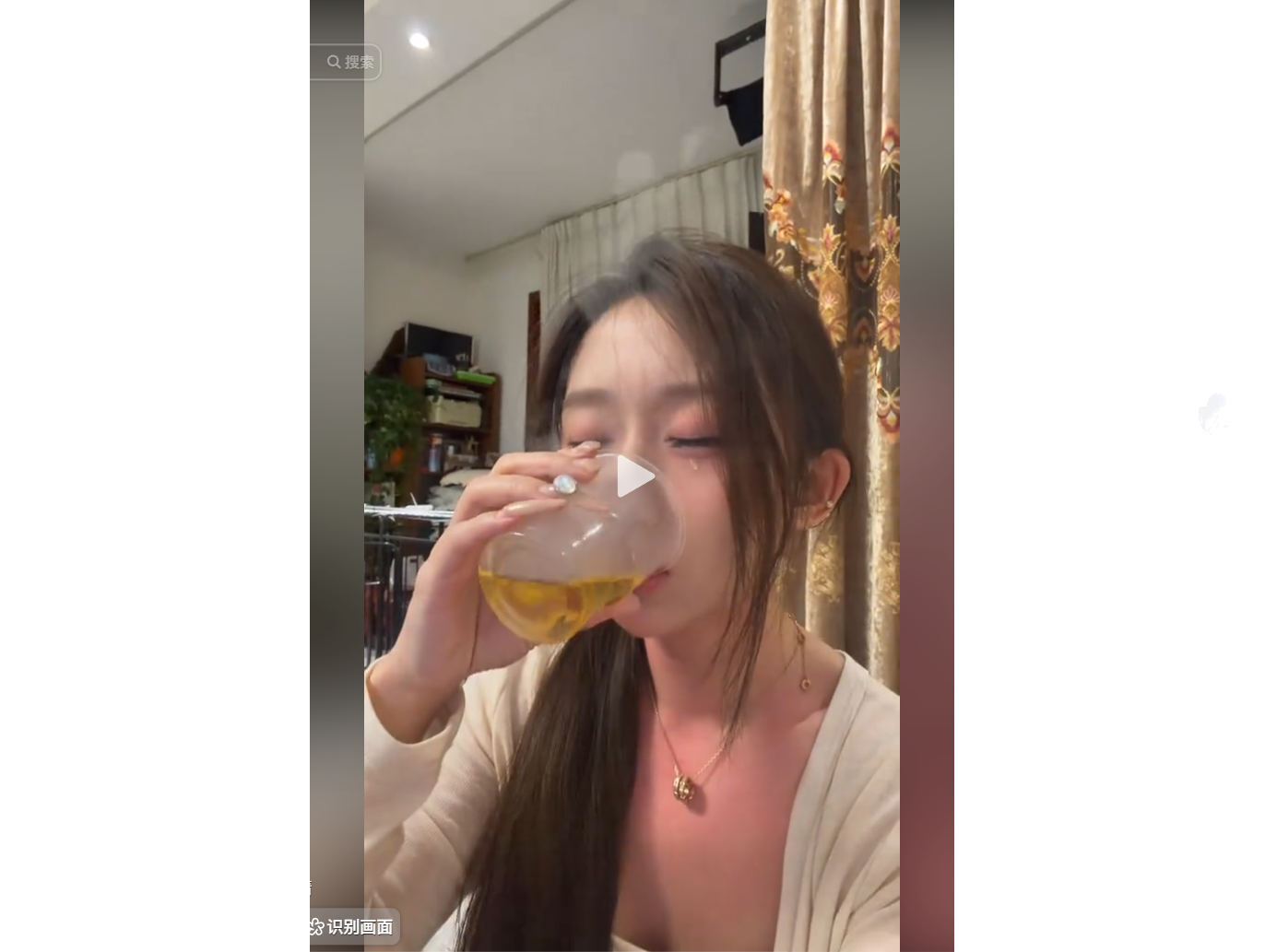
A melancholic performance set to the classic ballad "Nan Shan Nan" sparked an unexpected digital paradox. While intended as a poetic exploration of regret, viewers transformed the sorrow into ironic humor, debating whether the streamer’s tears stemmed from lost love or simply eating spicy noodles.
The Story
The video centers on a poignant interpretation of Ma Di’s "Nan Shan Nan," specifically the lyric about forgetting a lover's eyes before nightfall. The streamer attempts to convey deep regret and the painful process of letting go through atmospheric storytelling and lyrical analysis. However, the visual presentation created a jarring yet fascinating dissonance between audio and image. Instead of pure tragedy, the audience perceived a physical struggle that resembled the aftermath of consuming intense comfort food like snail rice noodles or spicy strips. This unintentional comedic layer turned a solemn moment of emotional catharsis into a communal space for coping. The comment section evolved into a dual-purpose sanctuary: one part support group for those deleting accounts and mourning betrayals, and another part humorous deflection mechanism where users use food metaphors to soften the blow of heartbreak. The atmosphere is thick with late-night vulnerability, cigarette smoke, and alcohol, yet punctuated by birthday wishes and playful teasing, illustrating how modern netizens navigate trauma through collective irony.
The Voices
01. The Ritual of Digital Erasure
"Good night, account deleted"
"Three more days until deletion. Good night"
"I hope what you're deleting is your account, not yourself"
Think Tank Insight: Account deletion has transcended mere platform management to become a performative rite of passage. It symbolizes a tangible boundary against intangible grief, allowing users to externalize internal loss. The community’s validation of this act transforms solitary erasure into a shared ceremony of rebirth and digital self-preservation.
02. Somatic Coping and Substance Use
"Smoked a cigarette, shed some tears, had a drink"
"Sis, eating spicy noodles and drinking too much"
"Does having smoked and had a little drink make it hurt less?"
Think Tank Insight: Comments reveal a normalization of substance use as emotional anesthesia. Whether nicotine, alcohol, or capsaicin-induced tears, these sensory inputs serve as somatic anchors during psychological distress. The discourse shifts focus from abstract pain to manageable physical sensations, offering a temporary, albeit unhealthy, vessel for processing unrequited devotion.
03. Ironic Deflection as Emotional Shield
"You ate it all, what's left for others?"
"Is the streamer a bit allergic to alcohol?"
"Inner thought: I really want to be smooched by..."
Think Tank Insight: Humor functions here as a sophisticated defense mechanism against overwhelming sadness. By reframing tearful performances as reactions to spicy food or allergies, audiences create safe emotional distance. This collective irony allows participation in vulnerable spaces without succumbing to despair, balancing empathy with necessary psychological protection.
Word Cloud
| Sentiment Dimension / Observation Lens | Group Consensus Share |
|---|---|
| The Ritual of Digital Erasure | 35% |
| Somatic Coping and Substance Use | 40% |
| Ironic Deflection as Emotional Shield | 25% |
The Truth
Data Summary: Comment sentiment is overwhelmingly dominated by heartbreak and emotional betrayal at 90%, closely mirrored by coping mechanisms involving smoking and drinking, while lighter themes of self-care and irony comprise the remaining engagement.
Observer's Takeaway: The comment section reveals a generation navigating heartbreak through performative vulnerability masked by irony. Audiences resonate deeply with the pain of betrayal and unrequited love, yet collectively refuse to dwell solely in despair. The juxtaposition of genuine sobbing with jokes about spicy noodles demonstrates a sophisticated emotional literacy; users acknowledge suffering while simultaneously building protective barriers against it. This duality suggests that modern digital mourning is rarely linear. It is a chaotic, communal negotiation where grief, humor, and self-destruction coexist, allowing individuals to feel seen in their darkest moments without being consumed by them entirely.
- Reborn to Regret: Why a High School Time-Travel Drama Sparked a Cultural Debate
- 重生2008卻只顧撩妹?網民怒嗆:別忘了汶川,更別侮辱智商
- Don’t Slap, Just Blow: The Quiet Panic Over Rove Beetles
- 河北現蹤「飛行硫酸」!隱翅蟲千萬別拍,網驚:一巴掌爛8公分
- The Rise of the Unapologetic Daughter-in-Law: Why “Satisfying” Retaliation Is Trending
- 拒絕隱忍!短劇掀起「反擊惡婆婆」熱潮,網友高呼:這才是爽文現實版
- The AI Illusion: When Digital Drama Meets Real-World Workplace Anxiety
- AI短劇引發職場共鳴:上廁所被管控?網友痛陳「社死」背後的真實困境
- 你见过美国白蛾吗?
- 商品贴边不能上架?原图不变,从中心向四周补全场景留白
全部评论