Beyond the Scale: How One Woman’s Dance Redefined Fitness Narratives Online
The Hook
A viral bedroom dance video featuring a creator at 182 lbs has sparked a massive conversation about body image. Moving beyond simple weight loss, this content challenges toxic diet culture while igniting debates on muscle anxiety, sustainable health, and the commercialization of fitness journeys.
The Story
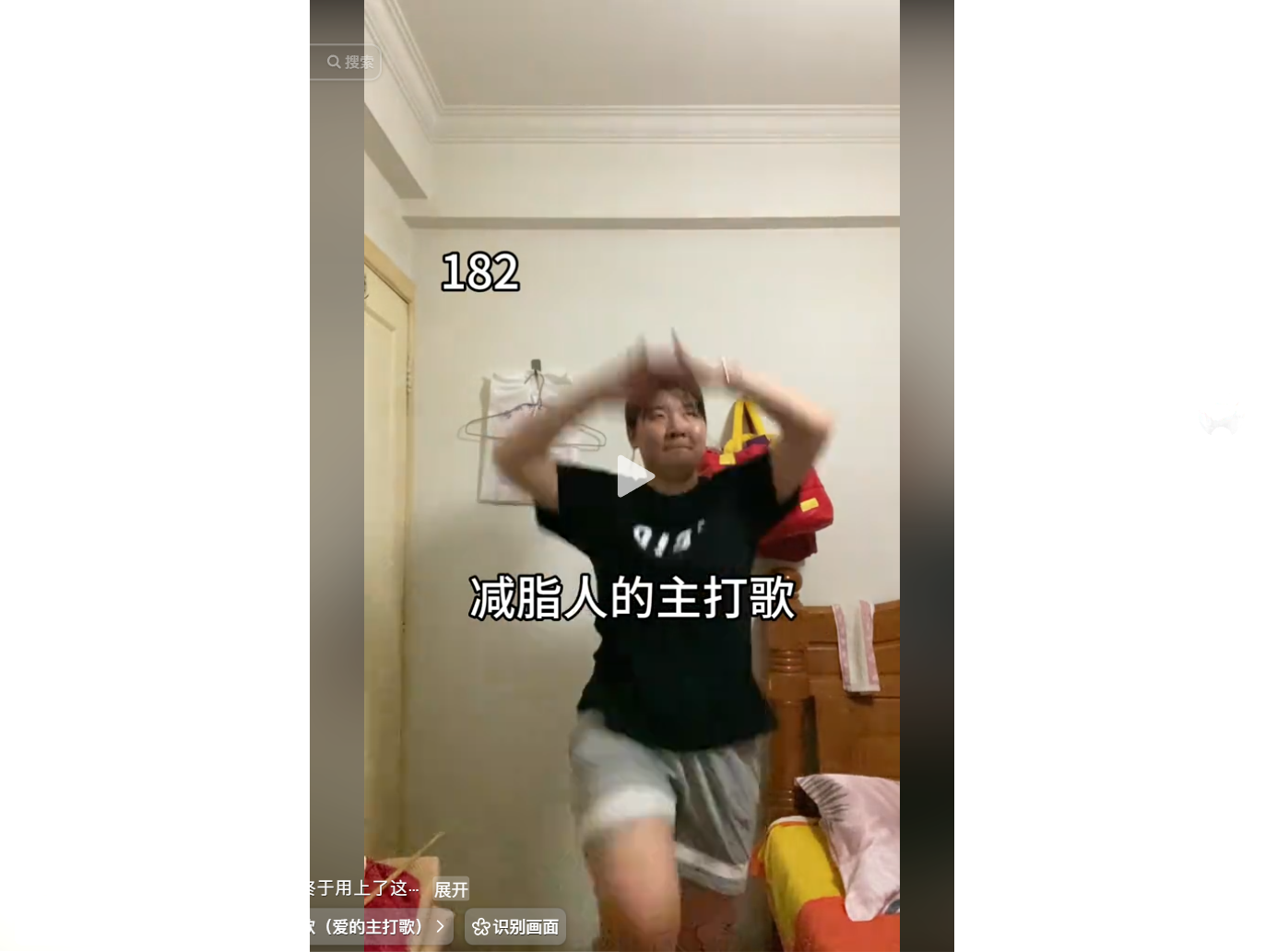
In a candid bedroom setting adorned with colorful bedding and everyday clutter, a short-haired woman dances with infectious, self-deprecating energy. Her dynamic pose, arms raised in a "V" shape with a playful yet determined expression, contrasts sharply with the large white number "182" overlaid on screen. This visual juxtaposition serves as the anchor for her narrative: "The Weight-Loss Anthem." After twenty months of what she humorously terms "eating iron"—a slang reference to rigorous strength training—she showcases a physique that defies stereotypical expectations of her weight.
The video transcends mere transformation porn. It captures a raw, unpolished authenticity that resonates deeply with viewers tired of curated perfection. The warm indoor lighting and domestic backdrop ground the performance in reality, making her confidence feel accessible rather than aspirational. However, the creative prompt of "showing changes after extreme weight loss" has triggered a complex response. While the creator celebrates strength and vitality, the audience reaction reveals a fractured landscape where admiration for her discipline collides with deep-seated anxieties about female muscularity and the relentless search for shortcuts in an industry saturated with quick-fix marketing.
The Voices
01. The Muscle Anxiety Paradox
"Even with strength training, it's not easy to get bulky"
"Isn't the whole point of working out to get buff?"
Think Tank Insight: This dichotomy highlights a pervasive cognitive dissonance in modern female fitness. Audiences simultaneously desire the "toned" aesthetic achieved through lifting yet harbor deep cultural fears of excessive muscularity. This reflects lingering gendered beauty standards where strength is celebrated only within narrowly defined, socially acceptable feminine boundaries.
02. Shortcut Culture Versus Sustainable Discipline
"There's a shortcut to success: just start streaming"
"Early to bed, early to rise, clean eating, getting active"
Think Tank Insight: The tension between seeking hacks and acknowledging grind reveals collective fatigue. While algorithmic content rewards instant transformations, the comment section shows users are increasingly skeptical of miracle cures. This suggests a maturing digital wellness discourse where audiences crave validation for slow, sustainable progress over performative speed.
03. Commercial Skepticism and Authenticity Testing
"Don't get cocky, my weight-loss shower gel just arrived"
"First off, ignore all that online nonsense about magic products"
Think Tank Insight: References to "weight-loss shower gel" serve as satirical markers of consumer distrust. The community uses irony to police authenticity, distinguishing genuine lifestyle changes from predatory marketing. This defensive humor indicates a highly media-literate audience that values relatable struggle over polished, monetized perfection in fitness spaces.
Word Cloud
| Sentiment Dimension / Observation Lens | Group Consensus Share |
|---|---|
| The Muscle Anxiety Paradox | 45% |
| Shortcut Culture Versus Sustainable Discipline | 35% |
| Commercial Skepticism and Authenticity Testing | 20% |
The Truth
Data Summary: Comment sentiment is predominantly polarized between empowerment and insecurity, with 95% of discussions centering on extreme body transformation and 90% expressing specific fears regarding muscularity versus traditional slimness.
Observer's Takeaway: The comment atmosphere reveals a generation caught between progressive body positivity and regressive aesthetic policing. While the creator embodies strength, the audience’s fixation on muscle fear and product skepticism underscores a collective identity crisis in digital fitness culture. Viewers are not merely consuming content; they are actively negotiating their own insecurities through public debate. This phenomenon suggests that true resonance in wellness media now requires navigating the uncomfortable gap between aspirational health and the persistent, internalized pressure to conform to contradictory beauty ideals, making every post a site of cultural negotiation rather than simple inspiration.
- Reborn to Regret: Why a High School Time-Travel Drama Sparked a Cultural Debate
- 重生2008卻只顧撩妹?網民怒嗆:別忘了汶川,更別侮辱智商
- Don’t Slap, Just Blow: The Quiet Panic Over Rove Beetles
- 河北現蹤「飛行硫酸」!隱翅蟲千萬別拍,網驚:一巴掌爛8公分
- The Rise of the Unapologetic Daughter-in-Law: Why “Satisfying” Retaliation Is Trending
- 拒絕隱忍!短劇掀起「反擊惡婆婆」熱潮,網友高呼:這才是爽文現實版
- The AI Illusion: When Digital Drama Meets Real-World Workplace Anxiety
- AI短劇引發職場共鳴:上廁所被管控?網友痛陳「社死」背後的真實困境
- 你见过美国白蛾吗?
- 商品贴边不能上架?原图不变,从中心向四周补全场景留白
全部评论