Oil-Splashed Door Curtains: When Shaanxi Noodles Become a Viral Comedy Spectacle
The Hook
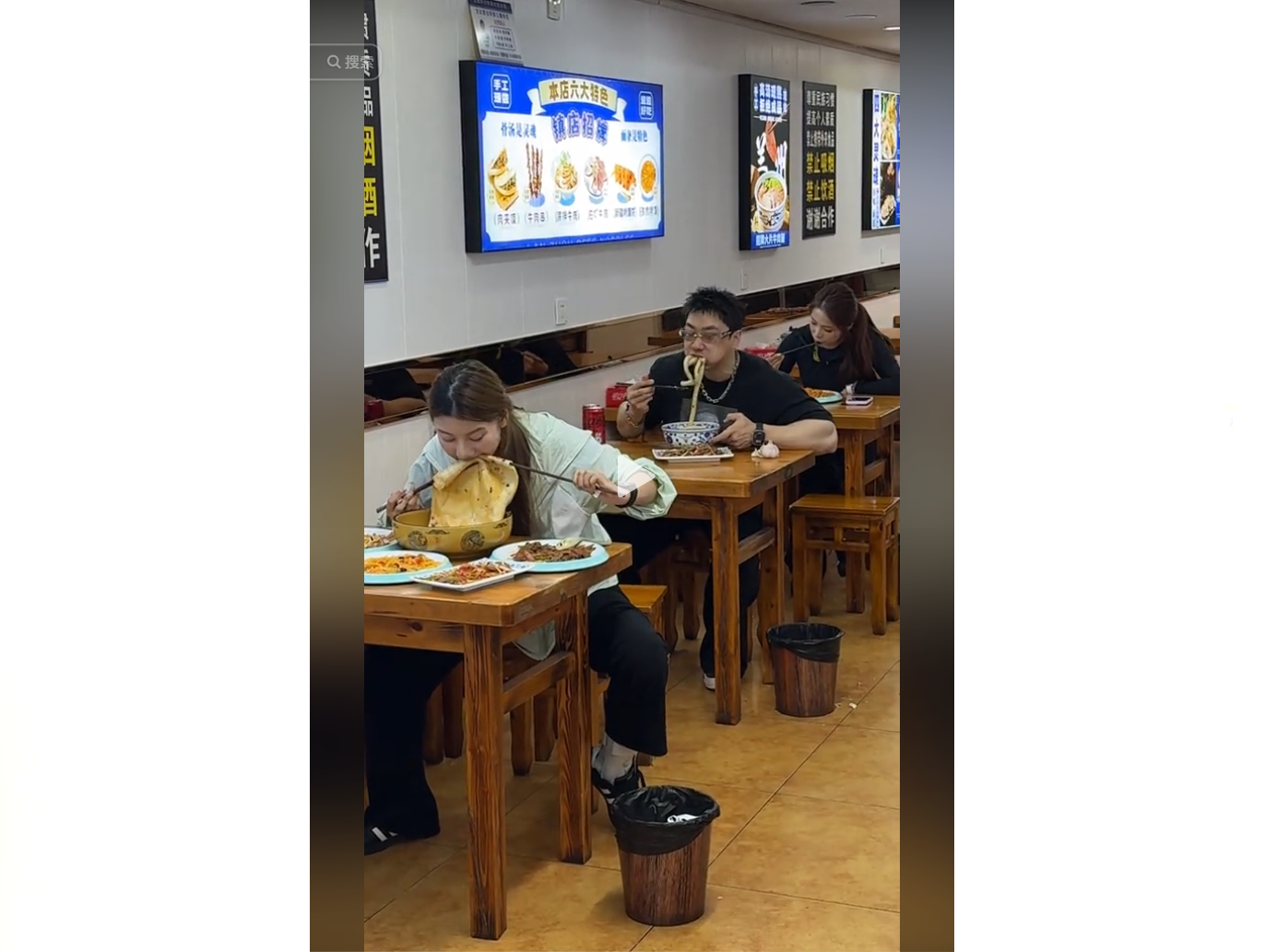
What happens when extra-wide noodles resemble household textiles more than dinner? A viral culinary phenomenon has transformed a local Shaanxi staple into an internet comedy goldmine, where diners joke about eating "door curtains" and "steel rebar," turning a simple meal into a test of dignity and jaw strength.
The Story
While the original video content aimed to educate fitness enthusiasts on the scientific timing of "cheat meals" for muscle growth, the audience completely bypassed the nutritional advice to focus on the sheer visual absurdity of the dish. The noodles in question are so impossibly wide that locals have affectionately dubbed them "oil-splashed door curtains." The comment section reveals a collective fascination not with macros or protein synthesis, but with the performative struggle of consuming such massive dough strips. Viewers describe the dining experience as akin to "knitting a sweater" or wrestling a "Lanzhou-pulled python," highlighting a disconnect between the creator's serious health intent and the audience's entertainment-driven interpretation. The atmosphere is less gym-bro discipline and more communal farce, where the physical act of eating becomes a slapstick routine requiring solitary tables to preserve what little dignity remains while tackling these carbohydrate giants.
The Voices
01. The Metaphorical Menu: Textiles and Construction Materials
"Oil-splashed door curtain, boiled steel rebar—super fragrant, that's the vibe."
"Oil-splashed electric blanket, oil-splashed quilt... How did eating dinner turn into knitting a sweater?"
Think Tank Insight: This linguistic creativity represents a form of participatory folklore. By renaming food after inedible objects like quilts and rebar, users collectively reframe the dining experience from sustenance to spectacle. It signals that in digital food culture, visual hyperbole often supersedes culinary accuracy, creating a shared vocabulary that strengthens community bonding through humor rather than taste.
02. Social Isolation as a Dining Prerequisite
"No wonder they're sitting one person per table—afraid of laughing each other to death."
"Noodle-eating exam... Boss: 'Eat your own, no watching others.'"
Think Tank Insight: The insistence on solitary seating reveals a fascinating inversion of dining norms. Usually, isolation implies loneliness, but here it functions as a protective social contract. The physical grotesquerie of consuming oversized noodles creates a "safe space" necessity, suggesting that modern viral food trends can temporarily suspend traditional communal etiquette in favor of individual performance management.
03. Regional Identity Through Absurdist Recognition
"You must be from Zhouzhi, aren't you?"
"Just ask him to pull you a bowl of 'Er Zhu Zi'..."
Think Tank Insight: Specific geographic callouts serve as cultural shibboleths within the comment section. While outsiders see funny videos, insiders use niche terminology to validate regional authenticity. This demonstrates how viral content acts as a digital anchor for local identity, allowing diaspora communities to reclaim ownership of their heritage even when it is being consumed globally as mere entertainment.
Word Cloud
| Sentiment Dimension / Observation Lens | Group Consensus Share |
|---|---|
| The Metaphorical Menu | 45% |
| Social Isolation as Dining Prerequisite | 30% |
| Regional Identity Through Absurdist Recognition | 25% |
The Truth
Data Summary: Comment sentiment is overwhelmingly humorous and metaphorical, with 95% of engagement focusing on the "door curtain" visual gag rather than the intended nutritional advice, indicating a near-total repurposing of the content's narrative.
Observer's Takeaway: The audience has effectively hijacked a fitness tutorial to stage a comedic intervention against dietary seriousness. This phenomenon illustrates a broader digital fatigue with optimized wellness content; users crave imperfection and visceral absurdity over polished health metrics. The collective mood is one of joyful defiance, where the inability to eat gracefully becomes a unifying social bond. Ultimately, this suggests that in the current media landscape, relatability derived from physical struggle resonates far deeper than aspirational expertise, transforming consumers from passive learners into active co-creators of cultural meaning.
- Reborn to Regret: Why a High School Time-Travel Drama Sparked a Cultural Debate
- 重生2008卻只顧撩妹?網民怒嗆:別忘了汶川,更別侮辱智商
- Don’t Slap, Just Blow: The Quiet Panic Over Rove Beetles
- 河北現蹤「飛行硫酸」!隱翅蟲千萬別拍,網驚:一巴掌爛8公分
- The Rise of the Unapologetic Daughter-in-Law: Why “Satisfying” Retaliation Is Trending
- 拒絕隱忍!短劇掀起「反擊惡婆婆」熱潮,網友高呼:這才是爽文現實版
- The AI Illusion: When Digital Drama Meets Real-World Workplace Anxiety
- AI短劇引發職場共鳴:上廁所被管控?網友痛陳「社死」背後的真實困境
- 你见过美国白蛾吗?
- 商品贴边不能上架?原图不变,从中心向四周补全场景留白
全部评论