Why Look at the Stars When We Are Still Crying in the Dark?
The Hook
A viral video urges resilience through smiling, yet the comments reveal a starkly different reality. Beneath the motivational veneer lies a digital confessional where lonely birthdays and adult exhaustion expose the raw gap between inspirational ideals and the silent struggles of modern life.
The Story
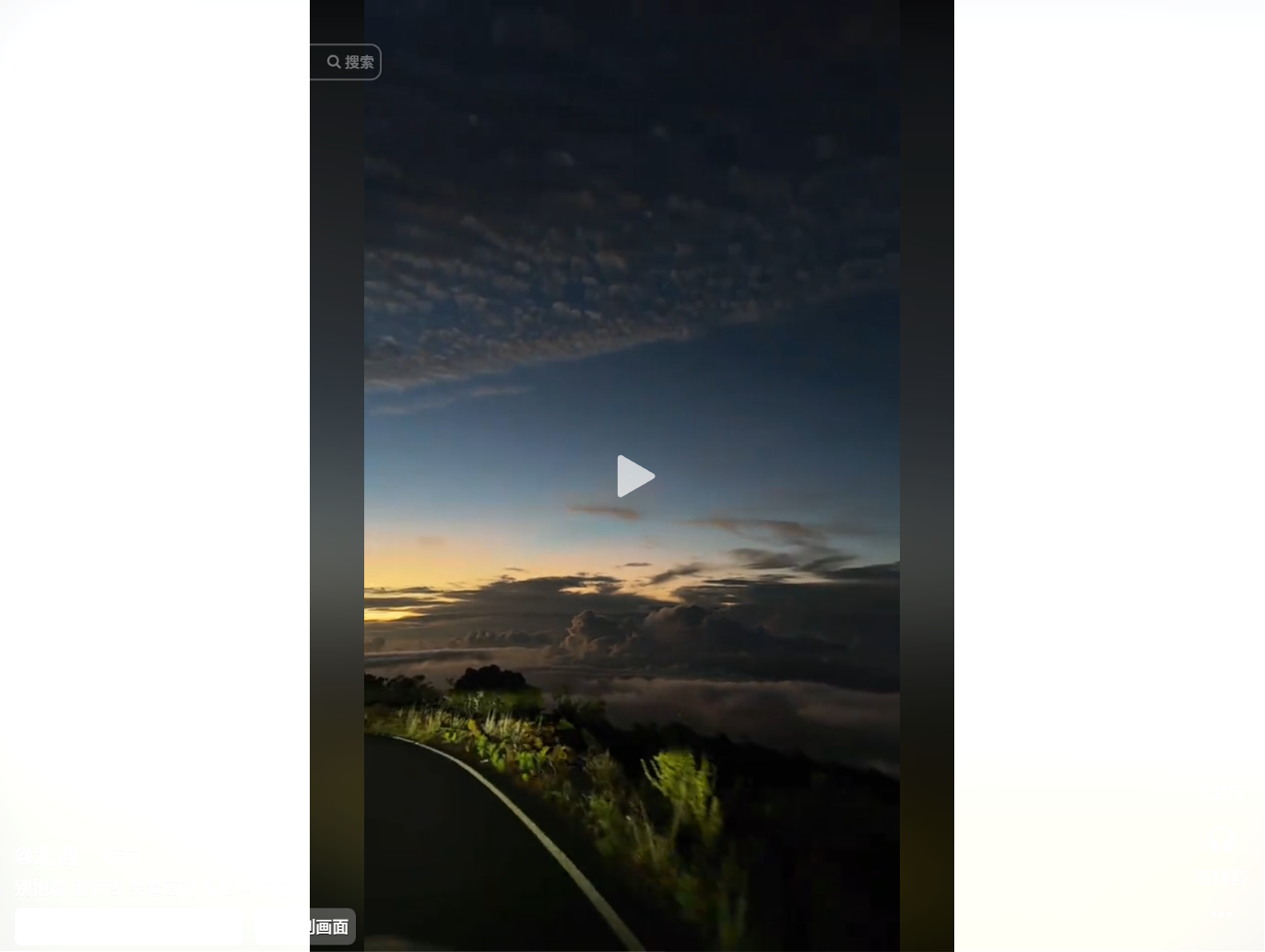
The video "Don't Complain, Face Life with a Smile" presents a polished narrative of stoicism, featuring mountain teachers and disabled youth overcoming adversity under the banner of self-reliance. It culminates in an ancient call for ceaseless self-improvement, aiming to inspire viewers to transform suffering into strength. However, the comment section subverts this curated optimism, transforming the space into an impromptu support group. Instead of echoing the call to action, users confess profound isolation, marking forgotten birthdays and admitting to drinking alone at midnight. The juxtaposition is jarring: while the screen preaches upward mobility and emotional fortitude, the audience articulates a collective fatigue. The stars mentioned in the creative prompt remain distant; down here, people are not seeking enlightenment but simply asking to be held, revealing that for many, the first step isn't striving—it's surviving the silence.
The Voices
01. The Ritual of Digital Begging for Warmth
"It's my birthday today, and my phone is so quiet."
"Give me a hug, I'm so tired [Crying]"
"Can someone cheer me on?"
Think Tank Insight: The comment section has evolved into a surrogate intimacy infrastructure. When traditional social bonds fail to provide validation during milestones, strangers become the primary source of emotional sustenance. This phenomenon signals not just loneliness, but a systemic collapse of offline community support networks in atomized urban societies.
02. The Performance of Adult Stoicism
"Out drinking beer alone at 12:30 AM—tell me, who understands?"
"Life is about crying where no one can hear you..."
"In an adult's world, half is spent hustling to survive..."
Think Tank Insight: These confessions deconstruct the toxic positivity often associated with resilience narratives. Users acknowledge that "facing life with a smile" is frequently a performative mask worn over private devastation. The discourse suggests a growing rejection of relentless optimism in favor of validating shared vulnerability as a legitimate coping mechanism.
03. Philosophical Resignation Over Ambition
"Seeing life for what it truly is, yet still loving it..."
"Only in middle age did I finally realize the truth..."
"Ideals are full and rich, but reality is stark..."
Think Tank Insight: Unlike the video’s linear trajectory of self-improvement, audience sentiment reflects cyclical acceptance rather than conquest. This marks a cultural pivot from achievement-oriented values to existential endurance. The collective mood indicates that modern resilience is less about changing circumstances and more about negotiating peace with unchangeable realities.
Word Cloud
| Sentiment Dimension / Observation Lens | Group Consensus Share |
|---|---|
| The Ritual of Digital Begging for Warmth | 45% |
| The Performance of Adult Stoicism | 35% |
| Philosophical Resignation Over Ambition | 20% |
The Truth
Data Summary: Comment sentiment is overwhelmingly weighted toward melancholy and isolation (90%), with only a minor fraction engaging directly with the video's motivational messaging, indicating a massive disconnect between content intent and audience reception.
Observer's Takeaway: The overwhelming resonance with loneliness over empowerment reveals a critical fatigue in contemporary digital culture. Audiences are no longer responding to aspirational content with aspiration; they are responding with confession. This suggests that the current era's defining struggle is not a lack of motivation, but a deficit of connection. The viral success of such videos may stem less from their inspirational value and more from their function as accidental gathering spaces for the emotionally exhausted. True engagement now requires acknowledging pain before prescribing cure, as users seek solidarity in suffering rather than solitary instructions for success.
- Reborn to Regret: Why a High School Time-Travel Drama Sparked a Cultural Debate
- 重生2008卻只顧撩妹?網民怒嗆:別忘了汶川,更別侮辱智商
- Don’t Slap, Just Blow: The Quiet Panic Over Rove Beetles
- 河北現蹤「飛行硫酸」!隱翅蟲千萬別拍,網驚:一巴掌爛8公分
- The Rise of the Unapologetic Daughter-in-Law: Why “Satisfying” Retaliation Is Trending
- 拒絕隱忍!短劇掀起「反擊惡婆婆」熱潮,網友高呼:這才是爽文現實版
- The AI Illusion: When Digital Drama Meets Real-World Workplace Anxiety
- AI短劇引發職場共鳴:上廁所被管控?網友痛陳「社死」背後的真實困境
- 你见过美国白蛾吗?
- 商品贴边不能上架?原图不变,从中心向四周补全场景留白

全部评论