Bare-Faced Authenticity Shatters Beauty Myths and Awakens Collective Nostalgia
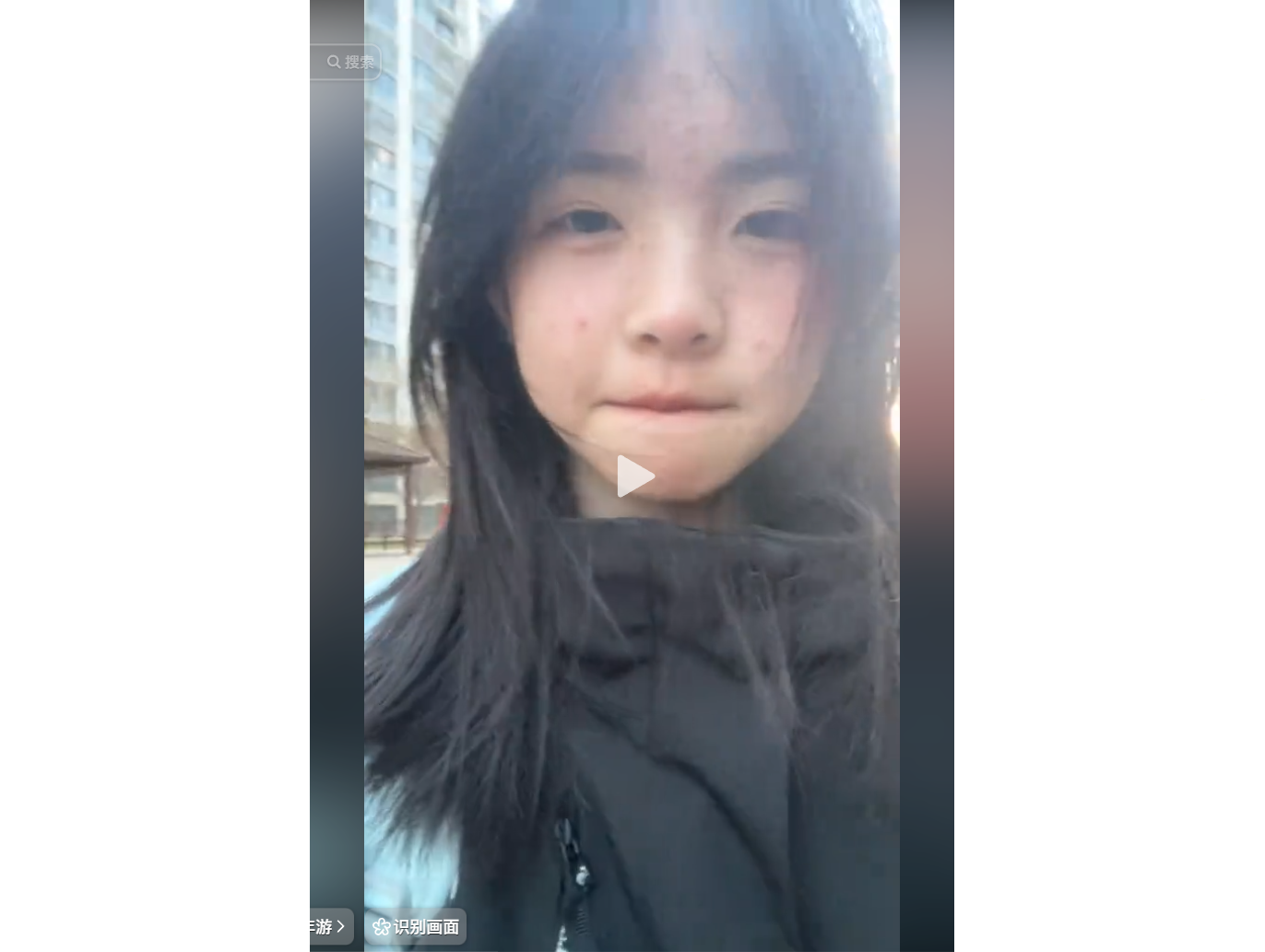
A simple, makeup-free selfie has ignited a viral conversation, challenging the excuse that acne defines ugliness. Beyond skincare debates, this raw image unlocks a wave of nostalgia for youthful authenticity, forcing netizens to confront their own insecurities and romanticized memories of high school crushes.
The Story
The video centers on a young woman’s unfiltered, bare-faced selfie that defies current digital beauty standards dominated by heavy filters and cosmetic enhancement. Rather than criticism, the visual triggers a profound collective realization among viewers: perceived unattractiveness often stems from structural features or confidence rather than temporary skin conditions like acne. The content serves as a mirror, reflecting not just physical appearance but an emotional landscape of lost youth. Comments reveal a complex interplay between admiration for natural beauty and self-deprecating humor about aging. Viewers project "White Moonlight" fantasies onto the subject, conflating her clear complexion with the innocence of past romances. This is not merely a beauty tutorial; it is a cultural moment where digital perfectionism yields to the vulnerable, resonant power of being unapologetically real.
The Voices
01. The Collapse of the Acne Excuse
"Just realized that my ugliness might not actually be because of acne."
"I can never use 'I'm ugly because of acne' as an excuse anymore."
Think Tank Insight: This sentiment represents a pivotal cognitive shift in digital self-perception. The viral content dismantles a long-held psychological defense mechanism, forcing audiences to distinguish between dermatological issues and inherent aesthetic insecurity, thereby redefining contemporary standards of natural attractiveness.
02. Nostalgia and the White Moonlight Archetype
"20 years ago, a girl smiled shyly at me like that..."
"Finally understand what my teacher meant back then... Smile more at the shy boys in class."
Think Tank Insight: The subject functions less as an individual and more as a symbolic vessel for collective memory. Audience engagement reveals a deep yearning for pre-digital intimacy, where attraction was rooted in authentic interpersonal connection rather than curated online personas or algorithmic validation.
03. Gendered Gaze and Social Friction
"Why should she have to smile at insecure guys?"
"Starting to suspect all guys are into this type..."
Think Tank Insight: Beneath the nostalgic veneer lies significant tension regarding gender expectations. While many celebrate natural beauty, conflicting comments highlight ongoing debates about female agency versus male entitlement, illustrating how even wholesome content becomes a battleground for negotiating modern social dynamics.
Word Cloud
| Sentiment Dimension / Observation Lens | Group Consensus Share |
|---|---|
| The Collapse of the Acne Excuse | 45% |
| Nostalgia and the White Moonlight Archetype | 35% |
| Gendered Gaze and Social Friction | 20% |
The Truth
Data Summary: Comment sentiment is overwhelmingly positive yet introspective, with 95% associating the content with youthful vibes and 85% focusing on natural beauty, while gender-related friction remains a distinct minority at approximately 20%.
Observer's Takeaway: The overwhelming resonance suggests a collective fatigue with hyper-curated digital aesthetics. Audiences are not merely praising a face; they are mourning a lost era of unmediated authenticity. The high engagement with nostalgia indicates that "natural beauty" now carries heavy emotional baggage, serving as a proxy for simpler times. However, the underlying friction regarding gender roles warns against romanticizing passivity. Ultimately, this phenomenon reveals a society desperate to reconcile modern self-image anxieties with idealized memories, using one girl's bare face to heal broader cultural insecurities about aging and worth.
- Reborn to Regret: Why a High School Time-Travel Drama Sparked a Cultural Debate
- 重生2008卻只顧撩妹?網民怒嗆:別忘了汶川,更別侮辱智商
- Don’t Slap, Just Blow: The Quiet Panic Over Rove Beetles
- 河北現蹤「飛行硫酸」!隱翅蟲千萬別拍,網驚:一巴掌爛8公分
- The Rise of the Unapologetic Daughter-in-Law: Why “Satisfying” Retaliation Is Trending
- 拒絕隱忍!短劇掀起「反擊惡婆婆」熱潮,網友高呼:這才是爽文現實版
- The AI Illusion: When Digital Drama Meets Real-World Workplace Anxiety
- AI短劇引發職場共鳴:上廁所被管控?網友痛陳「社死」背後的真實困境
- 你见过美国白蛾吗?
- 商品贴边不能上架?原图不变,从中心向四周补全场景留白
全部评论