Beyond the Filter: When Workplace Selfies Signal a High-IQ Power Shift
The Hook
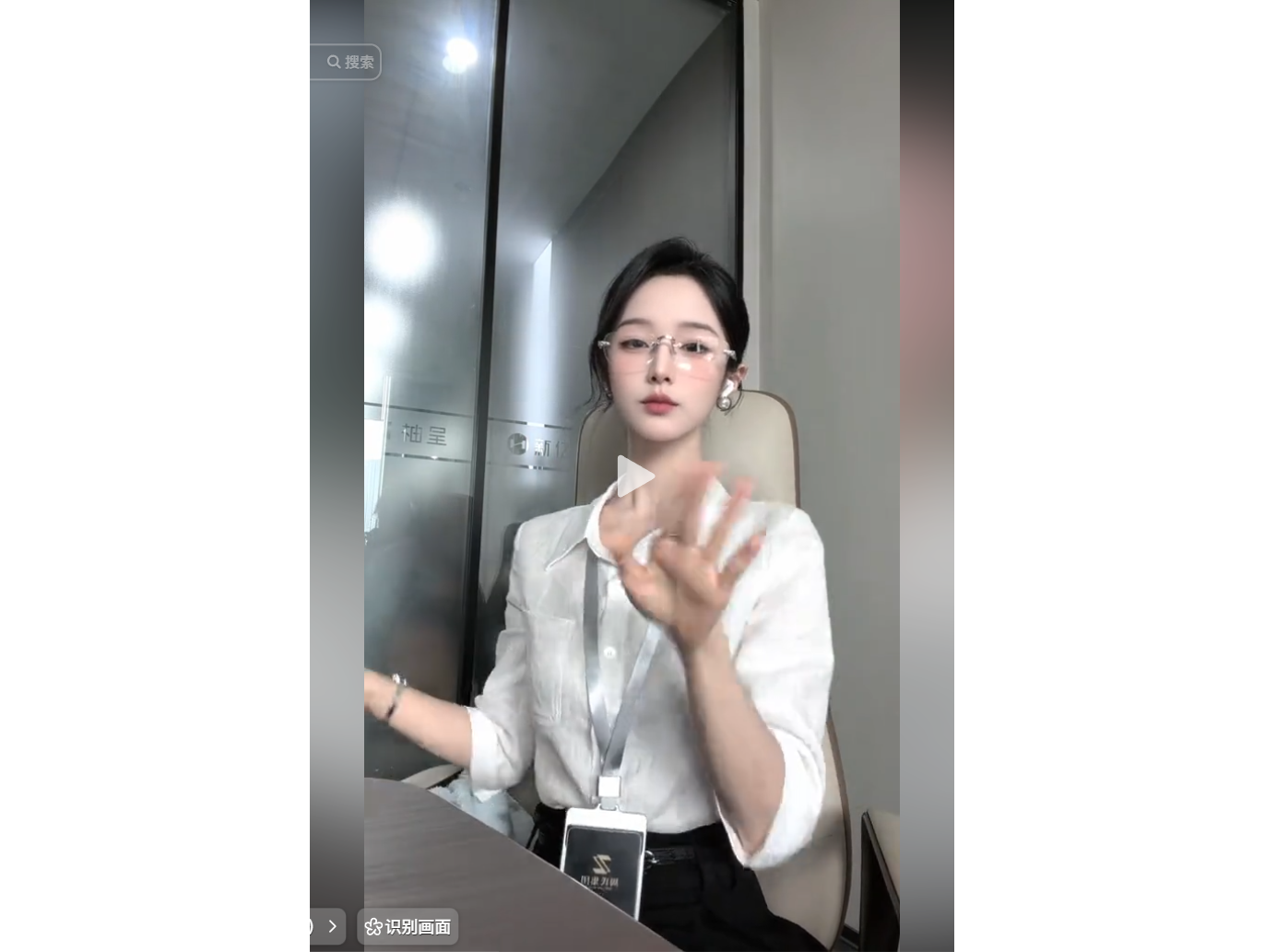
A viral workplace selfie has shattered the "cute intern" stereotype, earning praise for looking "as flawless as AI." This visual transformation sparks a deeper conversation about hidden competence, identity reversals, and the modern redefinition of professional female power in the digital age.
The Story
The video presents a striking narrative of identity reversal, using the aesthetic of a polished office selfie to dismantle workplace prejudices. Visually, the subject embodies a "high-IQ COO" archetype, utilizing glasses and mature styling to project intellectual authority rather than mere decoration. This aligns perfectly with the creative prompt’s exploration of the "intern-to-executive" trope, where true capability is often concealed beneath unassuming labels.
The content transcends simple fashion appreciation; it serves as a case study in cognitive bias. Just as viewers initially mistake the subject for a different celebrity or fail to recognize her mature evolution, colleagues often misjudge quiet observers in the office. The video illustrates that the most potent professionals often employ a strategy of strategic silence—observing and learning before executing precise, high-impact actions. The overwhelming comment sentiment regarding her "cool queen" vibe validates a cultural shift: audiences are no longer just consuming beauty; they are celebrating the visual language of competence, autonomy, and the dramatic reveal of hidden strength.
The Voices
01. The Aesthetics of Competence
"So gorgeous! Today's look is giving high-IQ coo..."
"The mature cool-girl vibe suits her so well"
"Please lock in this style forever! Honestly get..."
Think Tank Insight: Audiences are decoding visual cues as professional signals. The praise for "high-IQ" aesthetics indicates a shift where maturity and intellect are valued over traditional sweetness. This reflects a collective desire for female representation that merges elegance with executive authority, redefining workplace beauty standards through the lens of capability.
02. Cognitive Dissonance and Identity Reversal
"Is this really the same baby-faced, super cute ..."
"Omg, the contrast is huge [Facepalm] I barely e..."
"At first glance, I mistook her for Jin Yi [Syst..."
Think Tank Insight: The frequent expressions of shock and mistaken identity mirror the video’s core theme of workplace cognitive traps. Viewers’ inability to reconcile the "sweet girl" image with the "cool queen" reality demonstrates how deeply ingrained stereotypical labeling remains. This dissonance validates the narrative that true potential often defies initial perception.
03. Narrative Projection and Character Archetypes
"Which drama is this makeup and styling from? It..."
"Don't know whether to call her Big Sis or Mommy..."
"How did the sweet girl turn into a cool queen?"
Think Tank Insight: Comments blur the line between reality and fiction, treating the subject as a protagonist in an unfolding workplace drama. This suggests audiences actively seek narratives of female empowerment and transformation. The confusion over titles like "Big Sis" versus "Mommy" highlights a complex fascination with mature female archetypes who command respect and nurture growth simultaneously.
Word Cloud
| Sentiment Dimension / Observation Lens | Group Consensus Share |
|---|---|
| The Aesthetics of Competence | 45% |
| Cognitive Dissonance and Identity Reversal | 30% |
| Narrative Projection and Character Archetypes | 25% |
The Truth
Data Summary: Comment sentiment is overwhelmingly positive (95%+), dominated by admiration for the mature stylistic transformation and shock at the contrast with previous images, indicating strong resonance with the "competent elite" persona.
Observer's Takeaway: The viral success of this content reveals a profound psychological shift in digital workplace culture. Audiences are fatigued by performative innocence and are instead rewarding visual markers of agency and intelligence. The obsession with the "identity reversal" trope suggests a collective catharsis against being underestimated; viewers project their own desires for recognition onto the creator. Ultimately, the "beautiful as AI" compliment is not about artificiality, but about achieving a level of polished self-presentation that feels aspirational and untouchable. This phenomenon confirms that in the current media landscape, style is no longer superficial—it is the primary vehicle for communicating professional legitimacy and personal evolution.
- Reborn to Regret: Why a High School Time-Travel Drama Sparked a Cultural Debate
- 重生2008卻只顧撩妹?網民怒嗆:別忘了汶川,更別侮辱智商
- Don’t Slap, Just Blow: The Quiet Panic Over Rove Beetles
- 河北現蹤「飛行硫酸」!隱翅蟲千萬別拍,網驚:一巴掌爛8公分
- The Rise of the Unapologetic Daughter-in-Law: Why “Satisfying” Retaliation Is Trending
- 拒絕隱忍!短劇掀起「反擊惡婆婆」熱潮,網友高呼:這才是爽文現實版
- The AI Illusion: When Digital Drama Meets Real-World Workplace Anxiety
- AI短劇引發職場共鳴:上廁所被管控?網友痛陳「社死」背後的真實困境
- 你见过美国白蛾吗?
- 商品贴边不能上架?原图不变,从中心向四周补全场景留白
全部评论