Why Do Pumpkins Last So Long? The Secret Lies in Their Skin and Stem
Why Do Pumpkins Last Longer Than Many Other Vegetables?
Leafy vegetables such as bok choy and spinach can easily lose moisture, wilt, or even spoil if they are not eaten soon after purchase.
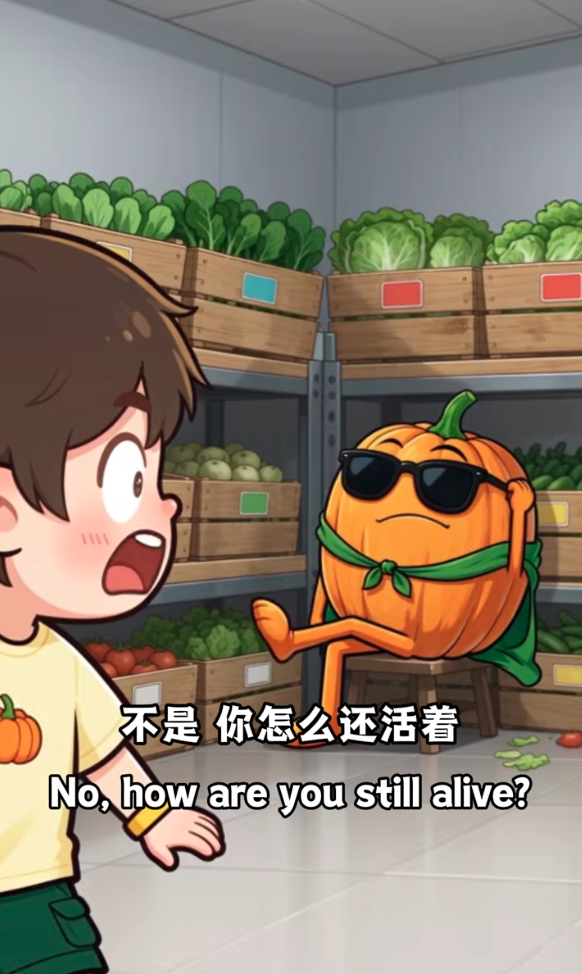
A whole, mature pumpkin is different. Under suitable storage conditions, it can usually be kept for a relatively long period of time.
This is not because pumpkins have some special “preservation ability,” but rather because of their natural structure. As a pumpkin matures, it gradually develops its own protective barrier.
Tough Skin: A Pumpkin’s Natural Protective Shell
If you touch a mature pumpkin, you’ll notice that its skin is usually thick and firm.
This outer layer acts like a natural protective shell. It helps protect the flesh inside, reduces moisture loss, and limits the impact of the external environment on the fruit.
As a pumpkin continues to mature, its skin gradually becomes tougher. That is why a whole, mature pumpkin is generally better suited for storage than many vegetables with delicate skin and high moisture content.
However, once a pumpkin is cut open, this complete protective structure is broken, and its storage life becomes much shorter. For this reason, cut pumpkin should be properly stored and consumed as soon as possible.
Don’t Just Look at the Color — The Stem Can Reveal Maturity Too
When buying a pumpkin, many people first look at whether its color is deep enough or whether it is large enough.
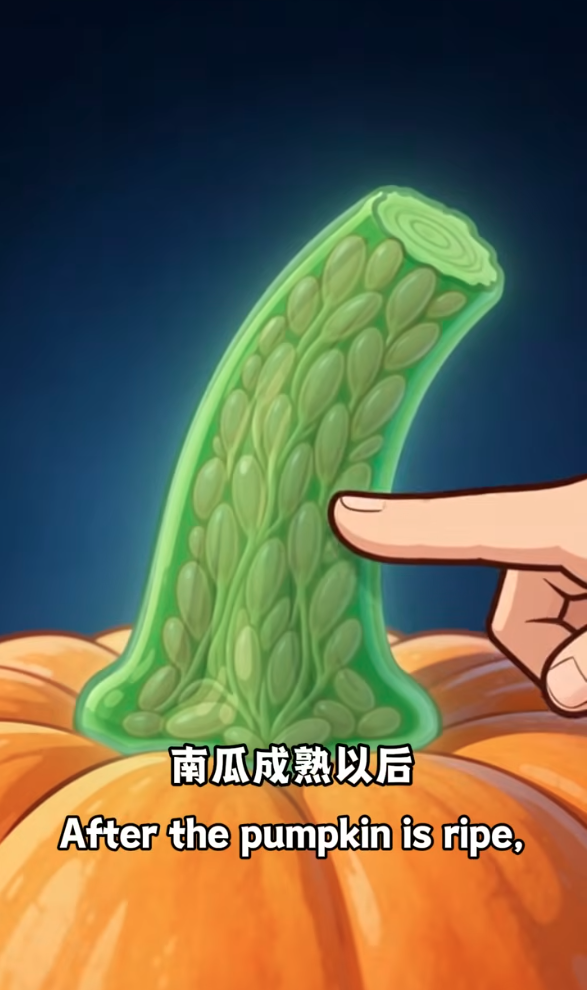
However, the seemingly insignificant stem at the top of the pumpkin is also worth checking.
As a pumpkin matures, its stem changes as well. It gradually becomes harder and develops a more woody texture.
So, when choosing a pumpkin, it is better to consider its skin, stem, and overall condition together rather than judging it simply by its color or size.
What Should You Look for When Choosing a Pumpkin?
If you want to choose a pumpkin in good condition, start by checking its overall appearance.
Look for intact skin without obvious damage, and observe the condition of the stem and the pumpkin’s overall maturity. You should also check for soft spots, mold, or visible signs of decay.
It is important to remember that a darker color, larger size, or longer storage time does not necessarily mean a better pumpkin. Different pumpkin varieties naturally vary in color, shape, and size, so their actual condition should always be considered.
Even an Ordinary Pumpkin Has Plenty of Interesting Secrets
From its tough outer skin to the gradual changes in its stem, an ordinary pumpkin contains many interesting clues about plant growth and food storage.
Many everyday things that seem completely ordinary actually have fascinating scientific explanations behind them.
So, the next time you see a pumpkin that has been sitting at home for a long time and is still in good condition, take a closer look at its skin and stem. You might just discover why pumpkins are so good at lasting for so long.



- Goddess System: When Gender-Bending Meets Viral Anime Chaos
- 男身女相綁定女神系統?《女神系統》掀性別反轉熱潮與原著尋蹤焦慮
- The Sweet Deception: How Industrial Manipulation Rewired Global Taste Buds
- 被資本篡改的味蕾:當「致死量」甜度成為美國飲食常態
- Can Snacks Replace Regular Meals? What Might Happen If You Eat Only Snacks for Days?
- 零食能代替正餐嗎?連續吃幾天,身體可能會發生什麼?
- Wickedly Righteous: Why Sheng Hong’s Chaotic Fortune Makes ‘The Story of Minglan’ Timeless
- 盛紘視角重刷《知否》:兒子正得發邪,紅狼才是頂級人生贏家
- Reborn in 2008: When Campus Nostalgia Collides with Historical Trauma and Academic Absurdity
- 重生2008只為追愛?網民怒批「無視汶川地震」,漫劇邏輯崩壞引爆輿論爭議
全部评论