Hot Today: June 27, 2026 Midday News__Beyond the Scale: Why Body Fat Percentage Matters More Than Weight Loss
Introduction
A viral video contrasting body composition is reshaping fitness conversations today. Highlighting the critical difference between being "skinny" and being "lean," it exposes the widespread struggle of "skinny fat" individuals and sparks a massive debate on effective fat loss versus mere weight reduction.
What It's About
The core narrative of this trending content centers on a transformative visual comparison that challenges the outdated obsession with scale weight. By showcasing a personal before-and-after journey, the creator illustrates how posture correction and body fat reduction fundamentally alter one's silhouette more than simple calorie restriction ever could. The video targets a specific demographic often overlooked in mainstream fitness media: women who are already lightweight but suffer from poor muscle tone and high body fat percentages.

This content strikes a nerve because it validates the frustrating experience of looking thin in clothes but feeling soft or untoned underneath. It shifts the focus from deprivation to empowerment through strength training and nutritional balance. However, the creative angle also inadvertently highlights a significant knowledge gap; while the inspiration is palpable, the practical roadmap remains elusive for many. The emotional atmosphere is a complex blend of aspiration and anxiety, as viewers grapple with the realization that their current methods are ineffective and face the daunting task of relearning how to treat their bodies. It serves as both a wake-up call regarding body composition and a mirror reflecting society's conflicting demands for effortless perfection versus disciplined effort.
"Between cutting fat and fixing posture, I chose scrolling through my phone." This comment perfectly encapsulates the modern paradox of digital wellness culture. It uses self-deprecating humor to highlight the immense friction between consuming motivational content and executing physical action. While the video provides visual proof of what is possible, the ease of passive consumption often outweighs the difficulty of active discipline. This sentiment resonates deeply because it acknowledges that for many, the barrier isn't a lack of desire, but the overwhelming mental load required to translate digital inspiration into analog sweat. It transforms the comment section from a place of pure advice-seeking into a shared space of honest vulnerability about procrastination.
"I am very light, but my flesh just doesn't match that weight." This poignant admission brings the concept of "skinny fat" out of the shadows and into the spotlight. It articulates a specific type of body dysmorphia and frustration that traditional BMI metrics fail to capture. The viewer expresses a profound disconnection between numerical data and physical reality, validating the experiences of countless individuals who feel alienated by standard weight-loss advice. This perspective shifts the discourse from vanity to health, emphasizing that metabolic composition matters far more than gravitational pull. It underscores why this specific video went viral: it speaks directly to those who have been told they are "already thin" yet still feel uncomfortable in their own skin.
"Diet plus strength training, eating complex carbs and protein." Amidst the confusion and humor, this comment serves as an anchor of practical sanity. It cuts through the noise of fad diets and quick fixes to reiterate the fundamental pillars of sustainable body recomposition. In a sea of questions asking for magic solutions, this response represents the voice of experience and scientific consensus. Its presence in the discussion is crucial, as it redirects anxious energy toward actionable, evidence-based habits rather than desperate measures. It reminds the community that while the journey is non-linear, the formula for success remains consistent and grounded in physiological reality.
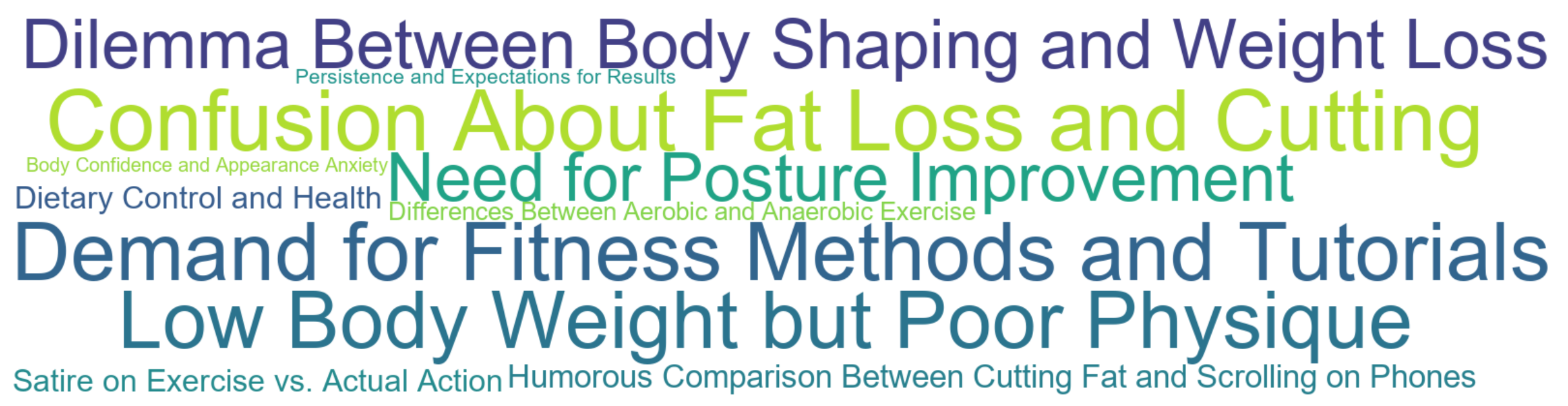
The comment section feels like a crowded support group meeting held inside a gym locker room, vibrating with a mixture of desperate hope and relatable exhaustion. There is a pervasive sense of collective confusion, where thousands of users seem to be shouting "How?" into the void, united by the shared frustration of having low body weight but high body insecurity. The emotional trajectory moves rapidly from self-deprecating jokes about choosing smartphones over squats to genuine, tearful pleas for guidance on nutrition and posture.
Beneath the surface-level engagement lies a current of tension between those seeking validation and those demanding accountability. While many express solidarity in their struggles, there is also a palpable undercurrent of impatience directed at passive observers who merely type affirmations without taking action. The overall mood is not toxic, but it is intensely raw; it reflects a generation tired of aesthetic filters and hungry for tangible, biological truth. It is a space where the gap between digital aspiration and physical reality is painfully visible, yet bridged by the communal search for a healthier relationship with exercise.
As we navigate the midpoint of 2026, the yunpoly editorial team wants to extend our heartfelt gratitude to you for engaging with such honesty and depth. We understand that the journey to understanding your body is deeply personal and often challenging, especially when misinformation abounds. Please remember that transformation is a marathon, not a sprint, and your worth is never defined by a percentage or a posture check. Thank you for trusting us as part of your daily information diet; we remain committed to bringing you content that respects both your intelligence and your well-being. Stay healthy, stay patient, and keep moving forward at your own pace.
- Hot Today: June 27, 2026 Midday News__Searching for the Former Self: A Veteran’s Parade Glory Sparks National Nostalgia
- 今日熱點:2026年06月27日 正午新聞__閱兵榮耀永不褪色!退役軍人尋回「從前的自己」引爆全網軍魂共鳴
- Hot Today: June 27, 2026 Midday News__Summer Body Awakening: The Cool Transition from Weight Loss to Self-Discovery
- 今日熱點:2026年06月27日 正午新聞__夏日減脂逆襲實錄:甩掉「偽骨架大」標籤,從體重焦慮到體態重塑的真實掙扎
- Hot Today: June 27, 2026 Midday News__Beyond the Scale: Why Body Fat Percentage Matters More Than Weight Loss
- 今日熱點:2026年06月27日 正午新聞__體重輕卻顯胖?「刷脂女生」揭開體態焦慮真相,網友神回:我選刷手機
- Hot Today: June 27, 2026 Midday News__Too Busy to Break Down: The Brutal Reality Behind the Boss’s Smile
- 今日熱點:2026年06月27日 正午新聞__忙到連崩潰都沒空?9秒影片揭開創業者「死不起」的殘酷日常
- Hot Today: June 27, 2026 Midday News__When Saving Pennies Costs Millions: The Absurd Reality of Corporate Cost-Cutting
- Hot Today: June 27, 2026 Midday News__Embracing the Future: How a Nostalgic Anthem Sparks a Movement of Elegant Release

全部评论