Hot Today: June 30, 2026 Evening News__Decoding Office Silence: Why Workplace Subtext is Fueling a Crisis of Professional Anxiety
Introduction
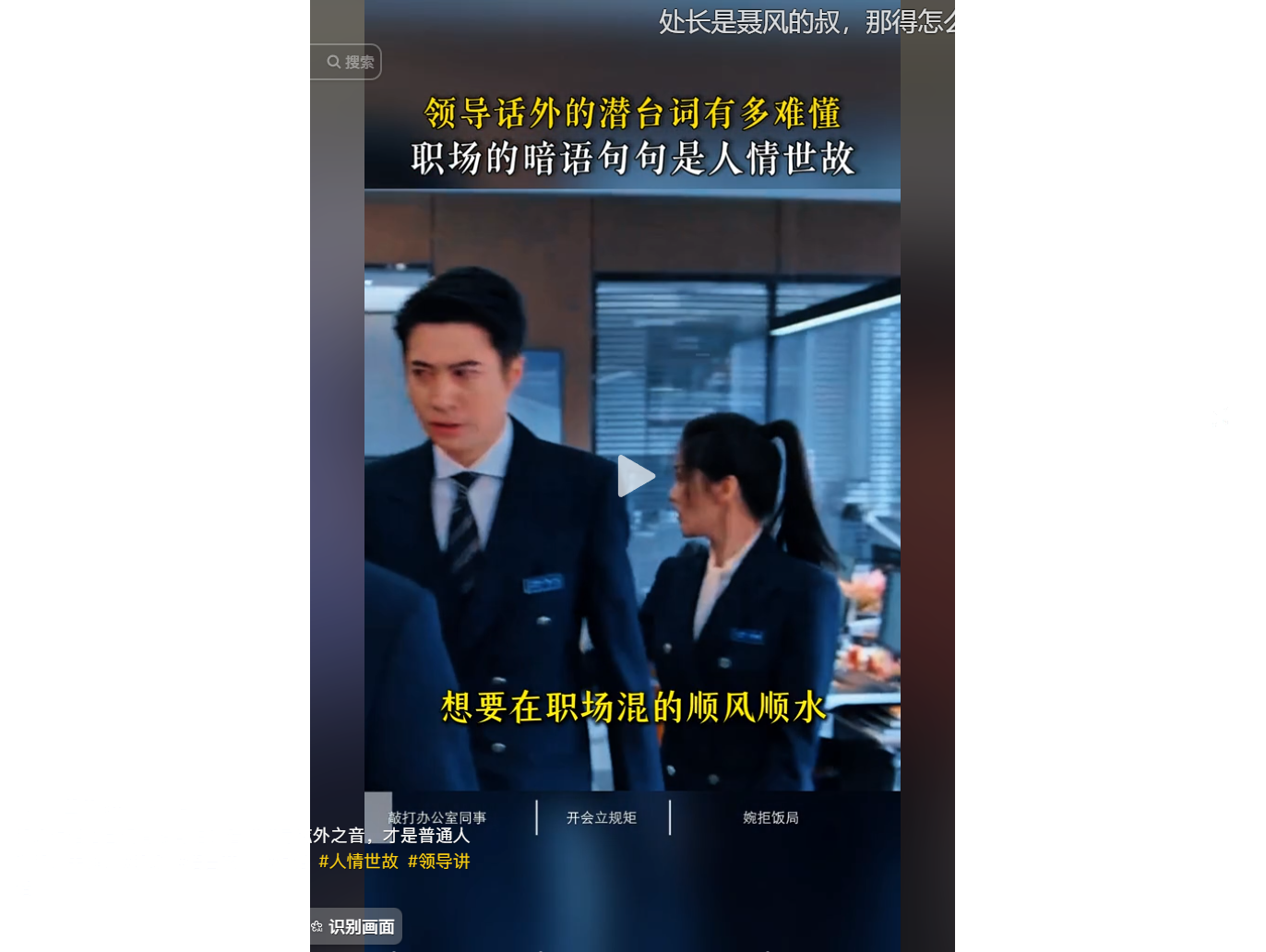
A viral drama clip depicting high-stakes office subtext has ignited a fierce debate on professional anxiety. Viewers are dissecting the exhausting "unspoken rules" of hierarchy, questioning whether traditional workplace etiquette is essential survival wisdom or an outdated barrier to genuine productivity and mental well-being.
What It's About
The trending video features a tense yet subtle interaction between a leader, a secretary, and a newly appointed deputy director, serving as a masterclass in non-verbal communication and hierarchical navigation. The scene illustrates that long-term career stability often depends less on technical competence and more on the ability to read between the lines and adapt to unspoken power dynamics. This creative prompt highlights the pervasive nature of workplace "hidden rules," transforming a fictional drama segment into a mirror for real-world professional anxiety. The emotional atmosphere is thick with tension and exhaustion, as viewers recognize the fatigue of constantly decoding ambiguous praise or criticism. The secretary’s character acts as a focal point, embodying both the pinnacle of social intelligence and the tragic loss of authentic self, sparking a complex discussion on whether such performative compliance is a necessary skill or a symptom of a toxic culture that prioritizes ritual over results.
What Viewers Are Saying
"The secretary's reaction could be a textbook; it's impressive." This comment encapsulates the dual nature of public sentiment toward workplace savvy. While there is genuine admiration for the secretary's ability to instantly grasp the leader's intent, it is tinged with irony. Viewers acknowledge this skill as a form of high-level emotional labor required for survival, yet the praise feels reluctant. It reflects a societal resignation where manipulating social cues is valued over tangible output, turning interpersonal maneuvering into a studied discipline rather than natural human connection.
"I just don't fit in at work; I can't understand the implied meanings, nor can I flatter or pretend." This viewpoint voices the profound alienation felt by those who value transparency over politics. It highlights a growing mismatch between individual authenticity and systemic expectations. For many, the inability to participate in these rituals is not a lack of intelligence but a refusal to compromise personal integrity. This sentiment underscores the mental health toll of modern employment, where "fitting in" often demands a performance that leaves straightforward individuals feeling inadequate and exhausted.
"If even half this energy were put into actual work, our country would develop faster and better." Here, the conversation shifts from personal frustration to macro-level critique. This perspective reframes office politics not just as annoying, but as a national inefficiency. It suggests that the cognitive load spent on deciphering subtext and managing egos is a direct tax on innovation and progress. This comment resonates deeply because it validates the feeling that current workplace cultures are misallocating human capital, favoring feudal-style loyalty tests over meritocratic achievement.
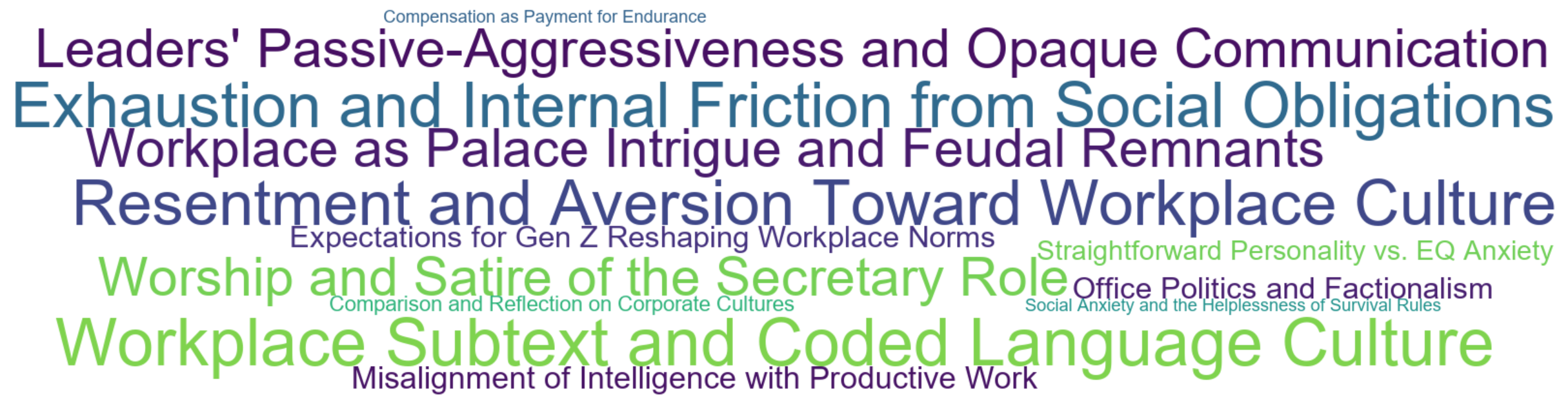
The comment section pulses with a collective sense of weariness and cynical recognition. There is a palpable emotional exhaustion as users share stories of misinterpreted compliments and draining social performances, creating a digital support group for the professionally burnt out. Yet, beneath the fatigue lies a sharp undercurrent of rebellion, particularly among younger generations who openly mock these traditions as archaic "palace intrigues" unfit for the modern era. The atmosphere oscillates between dark humor—using sarcasm to cope with absurdity—and genuine sorrow for the loss of simple, honest professional relationships. It is a space where validation of shared trauma meets a fervent hope that future workplaces will prioritize substance over shadow.
As we navigate the complexities of mid-year 2026, the Yunpoly editorial team extends its sincere gratitude to our readers for engaging so thoughtfully with this challenging topic. We understand that discussing workplace anxiety touches on personal vulnerabilities and daily struggles. Your insights remind us that while systems may be slow to change, the collective voice of professionals seeking authenticity is powerful. Thank you for trusting us with your stories and for continuing to strive for healthier, more transparent work environments. We remain committed to reflecting your realities with respect and professionalism.
- Hot Today: Evening News, June 30, 2026 __ SpaceX’s Tattooed Engineer Goes Viral Amidst Identity Rumors and Cultural Reflection
- 今日熱點:2026年06月30日 晚間新聞__SpaceX花臂女工程師引爆網路:紋身與星艦齊飛,折射人才環境深層焦慮
- Hot Today: June 30, 2026 Evening News__Decoding Office Silence: Why Workplace Subtext is Fueling a Crisis of Professional Anxiety
- 今日熱點:2026年06月30日 晚間新聞__職場劇揭開「說話藝術」遮羞布,網民嘆:上班比宮鬥還累
- Hot Today: Evening News, June 30, 2026 __ The "Old White Rabbit" Paradox: Why Firing Veterans Accelerates Corporate Collapse
- 今日熱點:2026年06月30日 晚間新聞__企業衰敗先拿「老白兔」開刀?職場殘酷真相:殺功臣換不來新生,只換來集體寒心與反噬
- Hot Today: June 30, 2026 Midday News__24-Year-Old Mom Goes Viral: When Early Motherhood Meets Youthful Optimism
- 今日熱點:2026年06月30日 正午新聞__24歲辣媽曬娃爆紅!「兒子18我才38」掀人妻魅力與年齡焦慮雙重熱議
- Hot Today: June 30, 2026 Midday News__Village Secretary’s Unyielding Spirit Ignites Hope for Rural Revitalization
- 今日熱點:2026年06月30日 正午新聞__鮮衣怒馬少年郎!年輕村支書一身正氣走紅,網嘆:願眼裡星辰不被現實磨滅
全部评论