Why a Rice-and-Stir-Fry Meal Puts You to Sleep
Here's a piece of knowledge that's useless to most people — but if tonight involves someone special, pay attention: a heavy traditional Chinese meal of rice and stir-fried dishes may be the worst thing you can eat at lunch or dinner before a date.
Plenty of people know the feeling: after the meal, you go limp. Most people just call it the food coma.
Here's what's really happening. Steamed rice carries a lot of water, and stir-fried dishes are heavy on oil and salt. Together, they quietly deceive your appetite's wiring — you eat more than you meant to, you drink plenty of water with it, and the volume in your stomach keeps climbing. You end up with a heavy, bloated gut, and that bulk does no favors for anything you have planned afterward.
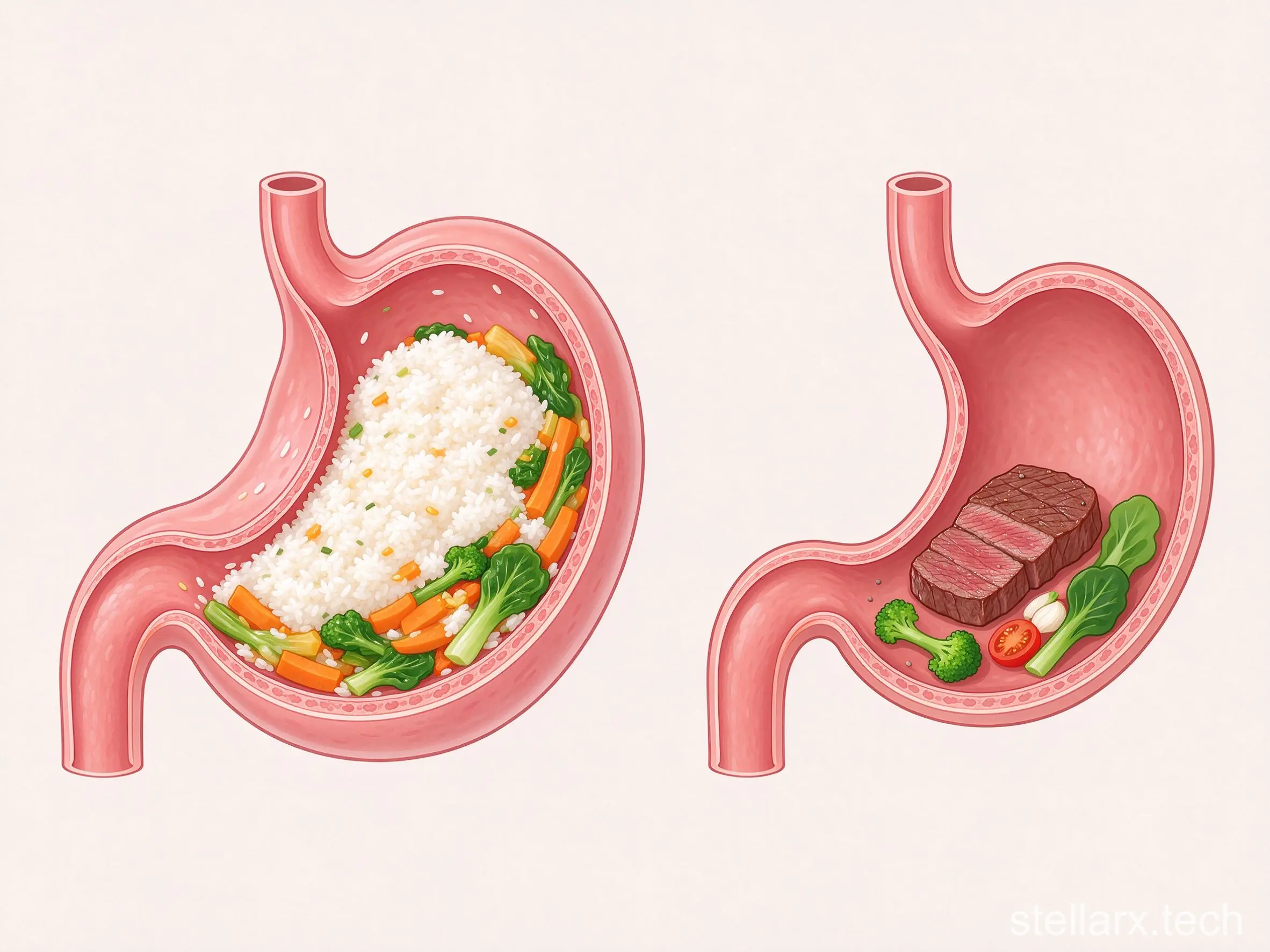
Not convinced? Try the same weight of naan flatbread with your meal instead of rice. The flatbread fills you up noticeably faster — you stop long before you're stuffed. Rice, you can keep swallowing.
I exercise in the evenings. If my dinner is rice and stir-fry, I won't touch heavy exercise for at least two hours — even a one-kilometer run gives me a stomach cramp. But a pan-seared steak with half a leaf of lettuce, or two boiled eggs with half a tomato? Two hours later, I'm running fine. The meal is small in volume, so the digestive load is light.
You can see it, too. Take off your shirt after a big Chinese meal and your stomach visibly rounds out — especially the upper-left side, a bulge that sits unevenly. A light Western-style meal leaves none of that. Your midsection stays flat.
Then there's the smell. A good Chinese meal is boldly seasoned, and the aroma lingers — on your clothes, in your mouth. You do not want the person across the table catching a whiff of kitchen smoke mid-conversation.
My standard prep for an evening out: a chicken sandwich (no egg yolk), a thorough brushing, and a glass of freshly squeezed lemon with mineral water. Clean, light, nothing but natural citrus on the breath. She always texts back.
Same logic for the restaurant: if you're taking someone out to eat, pick a Western place. Lighter cooking smells, lemon water on the table, and the whole evening stays fresh.
And the reverse is worth saying: I wouldn't recommend the other person loading up on a heavy Chinese meal beforehand either. A full stomach and vigorous activity is a recipe for being jostled into nausea — I've seen it happen, and it ruins everyone's night. A bowl of malatang before a big night out? That's a rookie move. By the time you're out of university, you should know better.
Granted, these are date-night tactics. If you're settling into family life, none of this matters — eat what you like, ignore the mirror, and join the ranks of the potbellied middle-aged men strolling slowly with hands clasped behind their backs.
People in the comments ask why I don't mention high-end Chinese food. But isn't the "white-people meal" just the low-end version of Western food? The moment you call it that, suddenly everyone remembers Italian and French cuisine exist. Sure — those are the fancy versions. But high-end Chinese and high-end Western food have one thing in common: they're both far from the daily reality of most of us. Building that kind of evening is a completely different playbook.
For young people today, the biggest pain of cooking at home isn't the cooking — it's the washing: washing the vegetables, prepping them, then scrubbing the wok and dishes afterward. Then someone discovers pre-seasoned chicken breast strips from the wholesale club. Thaw, pan-fry in a splash of water, two minutes per side, no oil needed. Eat, rinse the pan, wipe it with a sponge, done.
Westerners have been working like oxen for years longer than we have — don't doubt that their food is matched to their economy. They've been grinding it out, year after year.
In the big cities, the daily diet of most young professionals is basically this: breakfast is cereal, milk, protein powder, and a snack roll; lunch is delivered food; dinner is a chopped fruit-and-vegetable salad with dressing, bread slices, and a pre-made meat roll — then an hour at the gym. Real cooking only happens on holidays or when friends come over.
The motto is simple: never suppress yourself. Eat the meal that keeps you light — your evening will thank you.
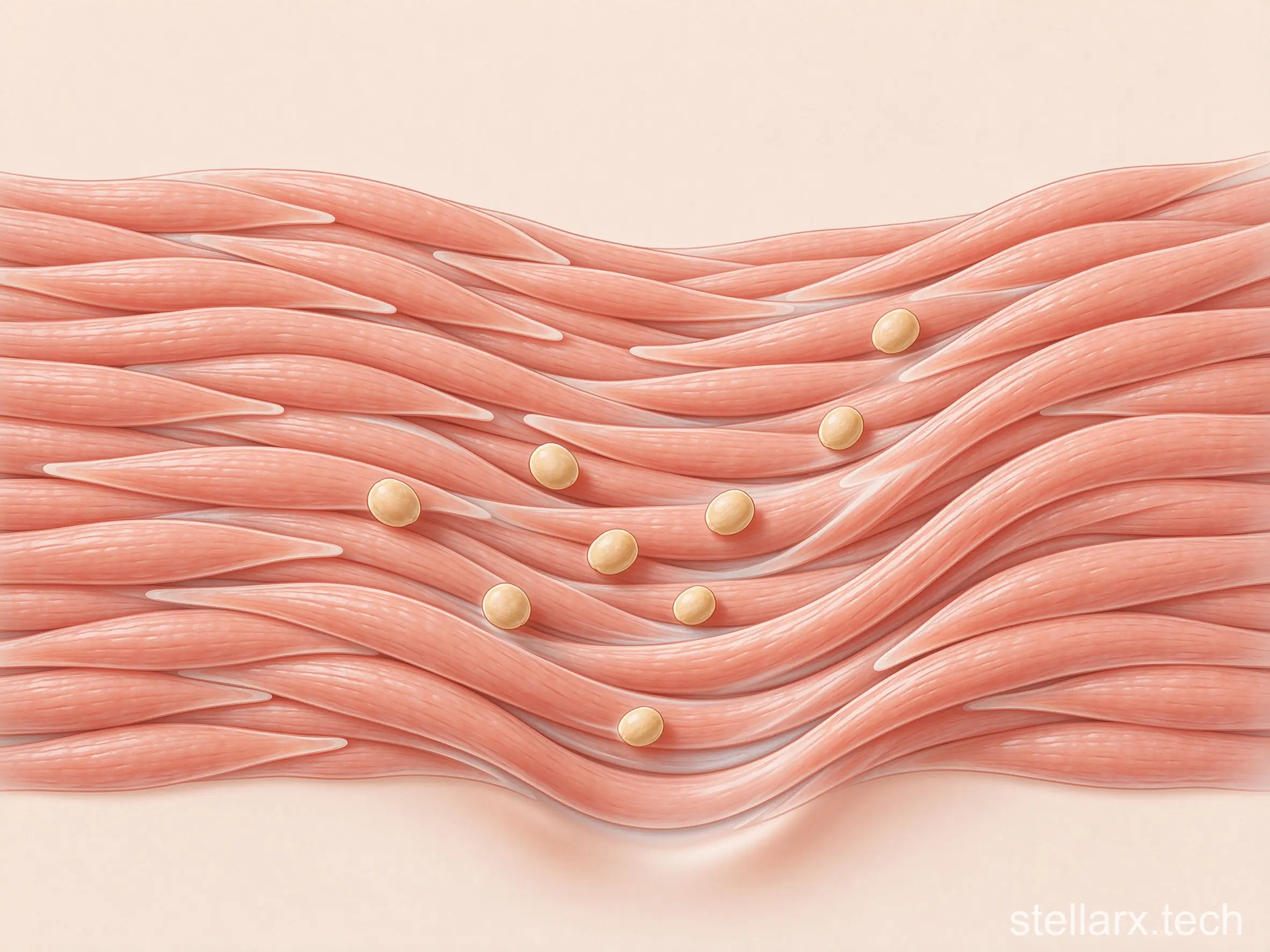
Want to see the tissue that moves your food? WWAI is an AI-powered biology encyclopedia that answers your biology questions instantly and lets you observe real microscope slide specimens online — including a smooth muscle specimen where long spindle-shaped fibers with rod-shaped nuclei — the tissue that pushes food through your gut — are clearly visible. Search "WWAI" in your app store and download it today.
Explore the specimen and ask any biology question — open WWAI: https://yun-hub.chat/link/?app=wwai&clickid=stellarx&dplink=specimenid%3D1184

References:
General physiology of post-meal sleepiness (food coma), gastric distension and satiety, and gastrointestinal smooth muscle motility. All illustrations are AI-generated.
- Why a Rice-and-Stir-Fry Meal Puts You to Sleep
- 南北方人吃饭到底有多不一样?从骨碟到饭碗,餐桌习惯差别真不少
- 西湖醋魚為什麼又酸又甜?這道杭州名菜背後竟藏著一段故事
- Is Your Gut Pain Actually a Genetic Gift? The Paradox of Lactose Intolerance
- 乳糖不耐竟是「基因紅利」?研究揭祕:拉肚子竟能防糖尿病
- Earth’s Open Eye: The Crystal River’s Geological Miracle
- 大地之眼:水晶河極致清澈背後的生態謎題與人類渴望
- A Frog Learns to Play Video Games: The Ultimate Digital Pet
- 青蛙竟學會打電玩?從蝌蚪到「網癮蛙」的養成奇觀
- 西湖醋鱼:一口酸甜,藏着杭州流传百年的烟火传说
全部评论