Hot Today: July 3, 2026 Evening News — Wuxia Legend Reborn as Absurdist Comedy in Viral Solo Skit
The Hook
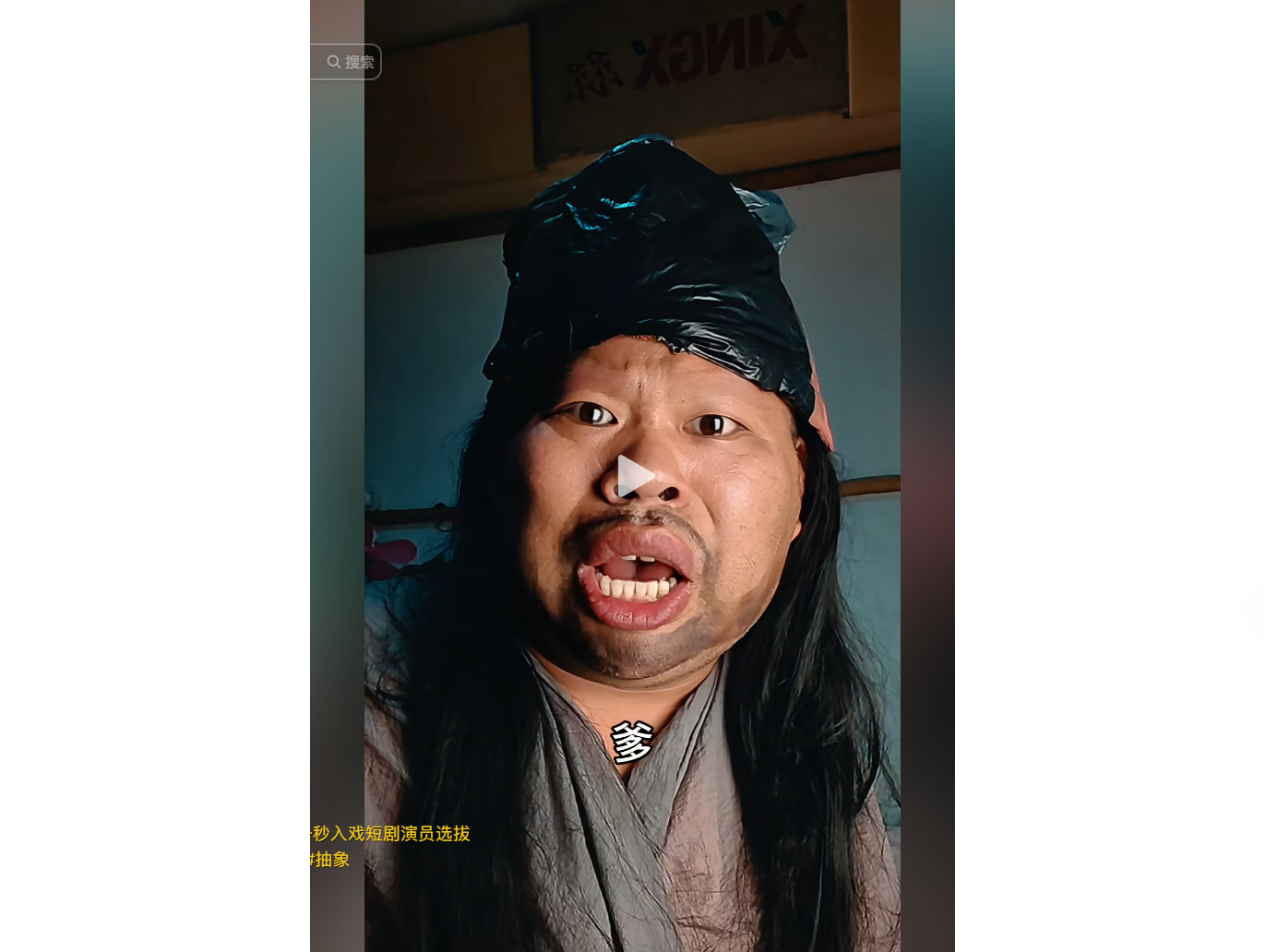
A solo reenactment of a classic *Demi-Gods and Semi-Devils* scene has spiraled into internet chaos. By mashing up nostalgic wuxia drama with surreal humor, one creator has turned a tearful father-son reunion into an absurdist comedy goldmine that is leaving viewers in stitches.
The Story
The video opens with a deceptive hook as the creator, known as "Brother Mao," teases a grand reveal of his "true face," instantly establishing an abstract tone that subverts viewer expectations. What follows is a masterclass in comedic deconstruction, splicing iconic footage from the Huang Rihua version of *Demi-Gods and Semi-Devils* with exaggerated, modern performance art. The emotional climax of Qiao Feng recognizing his father is stripped of its original tragedy and repurposed into a loop of absurd affirmations like "You are my dad" and "My good child." The skit culminates in a nonsensical punchline where physical resemblance is declared through illogical dialogue and bizarre body language. This fusion of revered classic narrative with internet meme culture creates a jarring yet hilarious dissonance, transforming a solemn martial arts legacy into a playful, chaotic farce that resonates deeply with digital-native audiences.
The Voices
"I'm gonna stew him. Any dietary restrictions?"
This comment epitomizes the audience's playful aggression toward the performance. Rather than criticizing the acting, viewers adopt a mock-cannibalistic persona, treating the creator’s absurdity as a culinary ingredient. It reflects a unique form of digital endearment where extreme hyperbole serves as the highest compliment, signaling that the content has successfully broken conventional boundaries of politeness to achieve pure entertainment.
"You two look exactly alike—definitely biological."
Here, the sarcasm cuts deep by validating the very premise the skit mocks. By deadpanning agreement with the video's illogical claim of familial resemblance, the commenter participates in the collective joke. This highlights how the audience is not merely passive but actively co-creates the humor, reinforcing the absurdist logic and blurring the line between genuine observation and ironic participation in the meme.
"600k in debt, and somehow I still laughed."
This poignant remark reveals the underlying emotional utility of such content. Amidst personal struggles and real-world pressures, the sheer ridiculousness of the skit offers a necessary escape valve. It demonstrates that viral comedy often functions as communal therapy, where shared laughter temporarily suspends individual burdens and fosters a sense of solidarity through mutual amusement at the bizarre.

The Truth
The comment section pulses with a frenetic, almost cathartic energy that transcends simple amusement. There is a palpable sense of collective release, as if viewers have been waiting for permission to abandon reverence for cultural icons and embrace unadulterated silliness. The tone oscillates wildly between mock violence and affectionate teasing, revealing a generation that processes nostalgia through irony rather than sentimentality. Beneath the barrage of facepalm emojis and exaggerated threats lies a genuine appreciation for creative courage—the willingness to look foolish in service of joy. This is not mockery born of contempt, but a vibrant, chaotic celebration of imperfection in an overly curated digital landscape.
Good Evening
As the day winds down on this Friday evening, we extend our heartfelt thanks for joining us in exploring tonight’s delightful dose of digital absurdity. From all of us at the Yunpoly editorial team, may your night be filled with lighthearted moments and restful peace. Thank you for being part of our community; sleep well and take care.
- Hot Today: July 3, 2026 Evening News — Wuxia Legend Reborn as Absurdist Comedy in Viral Solo Skit
- 今日熱點:2026年07月03日 晚間新聞__單人演繹《天龍八部》認親名場面,網笑喊「申請核打擊」
- Hot Today: July 3, 2026 Evening News — Twin Daughters Spark Joy Online, Yet Comments Reveal Deep-Seated Gender Anxiety
- 今日熱點:2026年07月03日 晚間新聞__雙胞胎女兒被譽頂級福報?網笑稱「連盆端走」預言爸爸哭兩次
- Hot Today: July 3, 2026 Evening News__Steel and Grace: Female Truckers Redefine Strength on the Open Road
- 今日熱點:2026年07月03日 晚間新聞__柔肩擔重轭:半掛車女司機以技術打破性別刻板印象
- Hot Today: July 3, 2026 Evening News__Unpolished Jade: A Simple Video Captures the Beautiful Chaos of Parenthood
- 今日熱點:2026年07月03日 晚間新聞__一段樸素影片引爆共鳴:在「又愛又恨」的育兒日常裡,看見親情最真實的模樣
- Hot Today: July 3, 2026 Evening News__Digital Spirits: AI Revives Ancient Shamanic Chants and Sparks a Viral Trance
- 今日熱點:2026年07月03日 晚間新聞__AI神調降臨數位道場,東北幫兵決引爆全網「線上問事」狂潮
全部评论