Hot Today: June 25, 2026 Morning News — High School Girl Nails 'Boy Mode' and the Internet is Having an Existential Crisis
Hot Today: June 25, 2026 Morning News — High School Girl Nails 'Boy Mode' and the Internet is Having an Existential Crisis
Introduction
A high school girl’s spot-on impression of male classmates has triggered a massive wave of nostalgia and secondhand embarrassment. From phantom basketball shots to hoodie head-traps, this viral clip proves that while fashion evolves, the universal awkwardness of teenage boys remains eternally unchanged.
This isn't just a funny skit; it is a documentary-level recreation of adolescent male behavior that feels painfully accurate across generations. The video captures specific, almost ritualistic mannerisms: the sudden mid-air jump shot with no ball in sight, the inexplicable urge to slide on knees, and the classic move of pulling a school uniform hood over one's head like a turtle retreating into its shell. The performance is so precise that viewers aren't just laughing—they are wincing at their own memories. It highlights a fascinating biological reality where girls often mature years ahead of boys, leaving female classmates to observe these antics with a mix of confusion and amusement. The emotional atmosphere is a chaotic blend of hysterical laughter and collective cringe, serving as a humorous reminder that "boy mode" is a permanent, unpatched software bug in human development.

What Viewers Are Saying
> "Why do girls easily fall for cool, aloof guys during puberty? Because the ones who aren't aloof really look like idiots."
This comment perfectly encapsulates the evolutionary gap between teenage boys and girls. It validates the long-held suspicion that the "cool guy" archetype exists specifically as a survival mechanism against the overwhelming absurdity of average male adolescent behavior. It suggests that female preference for maturity is less about romance and more about filtering out peers who still communicate primarily through physical comedy and imaginary sports.
> "We were like this when we were kids. How come they are still like this now?"
The realization that this behavior transcends decades is both comforting and terrifying. This viewpoint transforms the video from a simple joke into anthropological evidence. It implies that male awkwardness is not a cultural trend but a genetic constant, passed down like DNA. For older viewers, it offers solidarity; for younger ones, it serves as a warning that this phase is apparently inescapable.
> "I told you doing this would get girls to notice me."
Here lies the tragic irony of the entire phenomenon. While boys perform these stunts believing they are showcasing athleticism or charisma, the audience remembers them solely as sources of bafflement. This comment flips the script, suggesting that the attention was indeed achieved, just not in the romantic way the performer intended. It recontextualizes decades of hallway acrobatics as successful but misguided marketing campaigns.
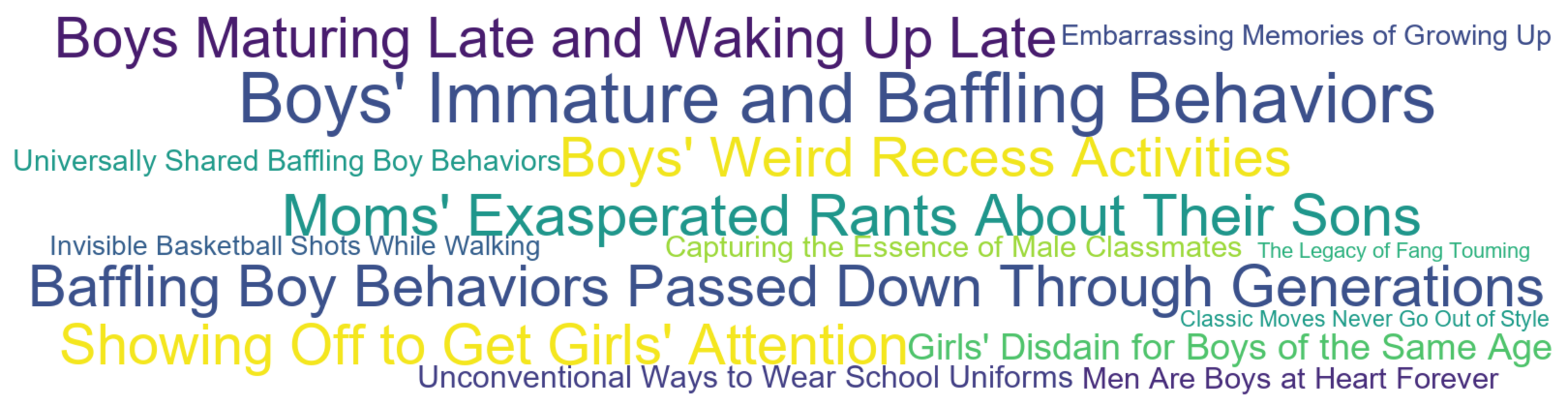
The comment section reads like a massive, chaotic family reunion where everyone is simultaneously roasting their younger selves and their current children. There is an overwhelming sense of shared trauma among mothers who describe sons returning home smelling like wet dogs despite fresh laundry, creating a bond of exhausted solidarity. Men are flooding the zone with confessions of their own past stupidity, turning the space into a confession booth for expired masculinity. The tone is relentlessly self-deprecating yet deeply affectionate; nobody is actually angry, but everyone is united in the bewildered recognition that boys will be boys, forever and ever, regardless of the era.
Thank you for starting your morning with us and sharing in this delightful trip down memory lane. As we navigate the complexities of modern life, sometimes the best medicine is remembering that we all survived our own awkward phases. The yunpoly editorial team appreciates your humor, your stories, and your continued trust as we bring you the moments that make us smile together. Have a wonderful day!
- Hot Today: June 25, 2026 Morning News — Did This Boyfriend Just Trigger a Shenyang Boss Fight by Touching Her Face?
- Hot Today: June 25, 2026 Morning News — The Great Wall Failed? Netizens Lose It Over "Xiongnu" Girl’s Viral Glow-Up
- Hot Today: June 25, 2026 Morning News — "Not Afraid" Cover Sparks Wild Aircraft Debates and Nostalgia Overload?
- Hot Today: June 25, 2026 Morning News — He Tried to Smile Gently, Now Everyone Wants to Call the Police
- Hot Today: June 25, 2026 Morning News — High School Girl Nails 'Boy Mode' and the Internet is Having an Existential Crisis
- Hot Today: June 24, 2026 Evening News — Couple Faces So Identical They Could Unlock Each Other’s Face ID?
- 今日熱點:2026年06月24日 晚間新聞__夫妻臉能解鎖Face ID?網民崩潰:別搖頭了,我的網貸過不了!
- Hot Today: June 24, 2026 Evening News — Perfect Face, Chaotic Soul: Why Is This Goddess Crawling Into a Dog Crate?
- Hot Today: June 24, 2026 Evening News — One "Sister" Call Sparks a Wholesale Stampede to Hangzhou?
- Hot Today: June 24, 2026 Evening News __ "Chapter One: The King Arrives; Chapter Two: The King Falls" – When Exam Papers Become Royal Robes

全部评论