Why Is West Lake Vinegar Fish Sweet and Sour? The Story Behind This Famous Hangzhou Dish
Why Do So Many Visitors Try West Lake Vinegar Fish in Hangzhou?
When visiting Hangzhou, West Lake is usually at the top of the sightseeing list, but local food is also an important part of the experience.
Among the city’s many traditional dishes, West Lake Vinegar Fish has long been one of the most recognizable.
The fish is served whole and coated with a glossy sweet-and-sour sauce that gives the dish its signature appearance.
But many people tasting it for the first time immediately wonder:
Why is the vinegar flavor so noticeable?
In the video, a personified West Lake Vinegar Fish becomes the main character and introduces the history and culinary features of the dish in a humorous way.
Why Does West Lake Vinegar Fish Taste Sweet and Sour?
One of the most distinctive characteristics of West Lake Vinegar Fish is its sweet-and-sour flavor.
Traditional versions use ingredients such as vinegar and sugar to create a thickened sauce, which is then poured over the cooked fish.
The sugar brings sweetness, while the vinegar provides acidity and aroma. When balanced well, the two create the recognizable flavor that defines the dish.
So although the taste may feel unusual to some first-time diners, the sweet-and-sour profile is an essential part of West Lake Vinegar Fish.
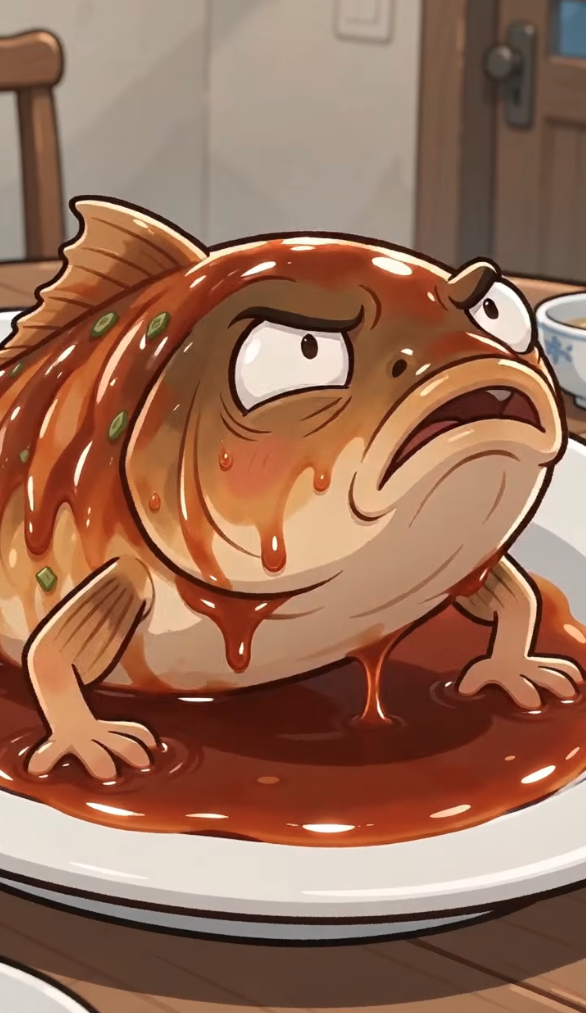
A Folk Story Lies Behind the Dish
One of the best-known stories about the origin of West Lake Vinegar Fish is connected to a woman commonly known as “Sister Song.”
According to a popular folk legend, during the Southern Song Dynasty, two brothers from the Song family made a living by fishing. After the elder brother was harmed by a local bully, his sister-in-law wanted to protect the younger brother and urged him to leave the area.
Before he left, she prepared a fish dish with a sweet-and-sour flavor as a farewell meal.
In the story, the unusual combination of flavors also carries symbolic meaning, reminding him of the “sweetness and bitterness” of life and of what had happened to his brother.
Later, the younger brother returned and sought justice, and the fish dish gradually became part of local culinary folklore.
It is important to note that this is a widely circulated folk legend associated with West Lake Vinegar Fish, rather than a fully documented historical account. Today, it is mainly told as part of Hangzhou’s local food culture.

Why Is Grass Carp Traditionally Used?
Traditional West Lake Vinegar Fish is often made with grass carp.
However, freshwater fish can sometimes carry earthy or muddy flavors if not handled carefully, so traditional preparation pays close attention to the treatment of the fish before cooking.
The video also mentions that grass carp may traditionally be kept in clean water for a period before cooking.
One purpose of this process is to help reduce unwanted flavors and improve the overall taste of the fish.
So although the final dish may look simple, careful preparation actually begins long before the fish reaches the cooking pot.
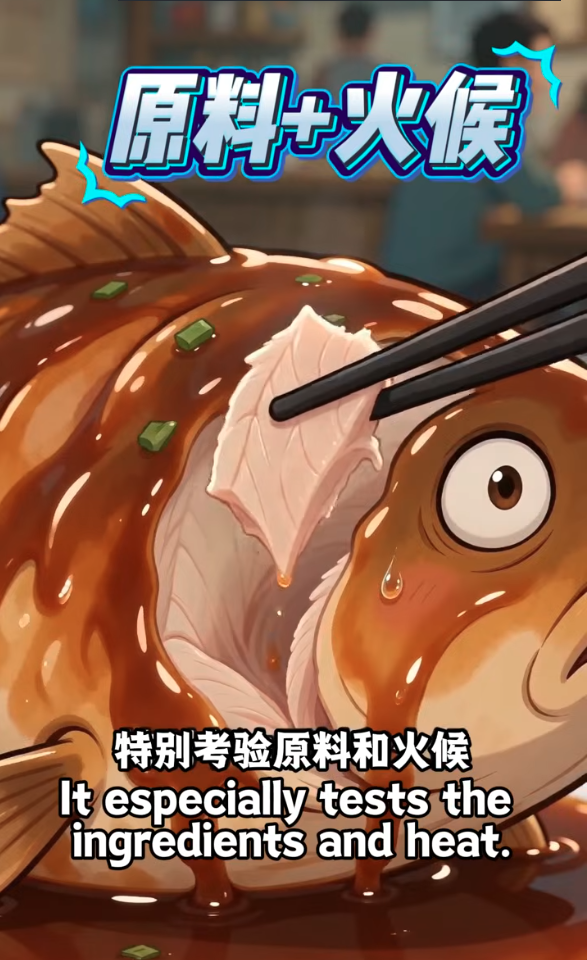
West Lake Vinegar Fish Is Not Traditionally Deep-Fried
Many sweet-and-sour fish dishes are first deep-fried before being coated in sauce.
Traditional West Lake Vinegar Fish is different.
One of its notable characteristics is that it is not primarily prepared by heavy deep-frying.
The fish is generally cooked using methods such as poaching or simmering, and the sweet-and-sour sauce is added afterward.
This helps preserve a softer and more tender texture while allowing the vinegar-based sauce to remain the main flavor focus.
Because of this cooking style, the freshness of the fish, heat control, and proper preparation become especially important.
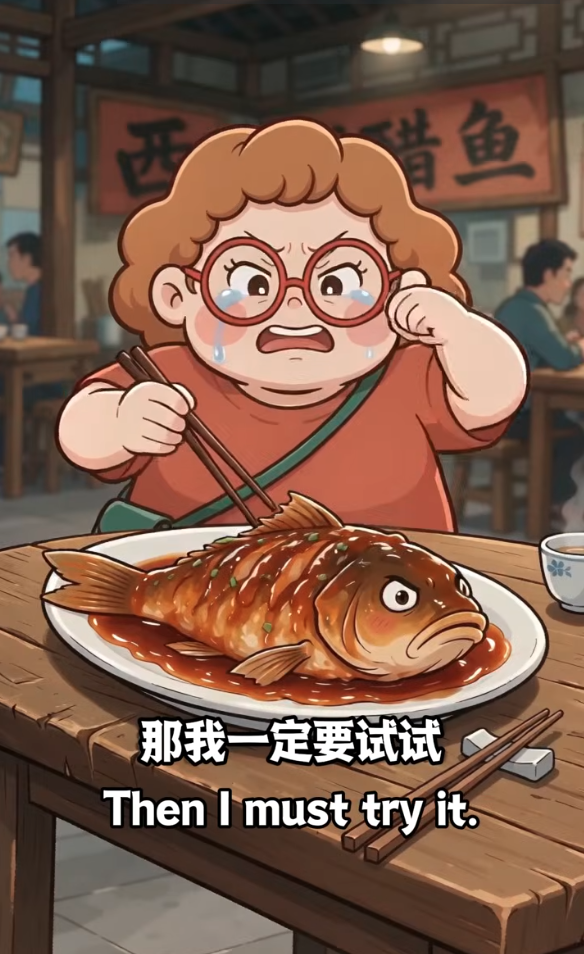
Tender Fish and Balanced Flavor Both Matter
A good West Lake Vinegar Fish is not just about having a thick sauce.
The tenderness of the fish, the absence of unwanted muddy flavors, and the balance between sugar and vinegar all have a major impact on the final result.
If the vinegar is too strong, the dish can become overwhelmingly sour. If too much sugar is used, it may taste overly sweet and heavy.
Ideally, the natural flavor of the fish and the sweet-and-sour sauce should complement each other rather than compete.
This Dish Is About More Than Flavor
West Lake Vinegar Fish has survived for generations not only because of its distinctive sweet-and-sour taste.
From local legends and Hangzhou food culture to the preparation of grass carp and its unique cooking methods, the dish carries a strong sense of regional identity.
So the next time you see West Lake Vinegar Fish, instead of asking only:
“Is it really that sour?”
You might also wonder why a local dish with such a long history continues to appear on restaurant tables and tourist food lists today.
Sometimes, what we taste is not just a dish.
It is also part of a city’s history, culture, and memory.

- 世界狂犬病日科普|致死率接近 100%,病毒攻击的是我们的神经细胞
- Why Is West Lake Vinegar Fish Sweet and Sour? The Story Behind This Famous Hangzhou Dish
- The High Cost of "Brotherhood": Why Helping a Friend Borrow Money Can Backfire
- 兄弟借錢還想免息?「幫辦貸款」神反轉戳破人情盲點
- China’s Heisei Generation? The Rise of the Civil Service Exam as the Ultimate Career Path
- 當努力失效:大學生「考公至上」背後的平成式迷惘
- The Paradox of Possession: Why Men Hate Sharing What They Don’t Value
- 男人通病大揭秘:自家老婆嫌棄,別人老婆心疼?短劇戳中婚姻痛點
- The Scratch-Off Lottery: How 'Poverty Doesn't Last Three Generations' Became a Burden on Youth
- 「窮不過三代」的殘酷真相:當父母將未竟夢想轉嫁,子女選擇「絕代」以自救
全部评论