Hot Today: July 6, 2026 Afternoon News__When Good Intentions Turn Deadly: The Rising Tide of Anti-Incompetence Sentiment
The Hook
A viral video depicting a well-meaning but dangerously incompetent partner has ignited a fierce online debate about "incompetence intolerance." Viewers are no longer sympathizing with naive innocence; instead, they are rallying behind the terrifying reality that misplaced kindness without common sense can be more destructive than calculated malice.
The Story
The video presents a harrowing domestic chronicle where affection becomes a liability. Through a series of escalating scenarios, it portrays a girlfriend whose lack of basic judgment transforms care into catastrophe. What begins as minor domestic errors culminates in a life-threatening incident involving a fallen power cable and a subsequent traffic accident, illustrating how safety awareness cannot be substituted by good intentions. The narrative arc is defined not just by physical danger, but by emotional erosion; the male protagonist’s journey from patient tolerance to inevitable breakdown mirrors a broader societal exhaustion. This content serves as a stark cultural mirror, reflecting a collective realization that in an increasingly complex world, cognitive compatibility is as vital as emotional connection. The visceral relief expressed at the relationship's end signals a shift in values, where competence is now viewed as a prerequisite for intimacy rather than a bonus.

The Voices
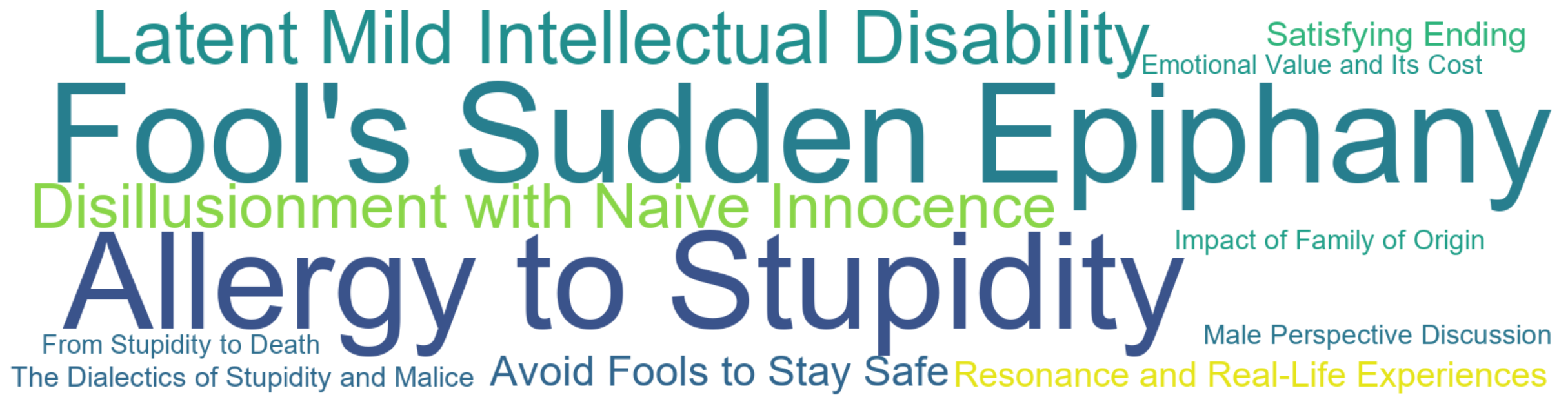
"A villain's careful planning is no match for a fool's sudden epiphany." This comment encapsulates the central philosophical anxiety driving the current discourse. It reframes stupidity not as a passive trait but as an active, chaotic force that defies logic and prediction. The audience is articulating a profound fear of unpredictability, suggesting that rational self-preservation requires avoiding those who cannot navigate cause and effect, regardless of their moral character.
"My mom is exactly like this. Her most frequent..." Personal anecdotes like this ground the digital outrage in painful reality, shifting the conversation from abstract criticism to intergenerational trauma. When viewers invoke family members, the discussion transcends romantic relationships and touches upon the inescapable bonds of kinship. It reveals that for many, this "allergy to stupidity" is born from years of managing the consequences of others' cognitive deficits within the home, making the online venting a form of collective therapy.
"I feel suffocated just watching this through the screen." This visceral reaction highlights the empathetic fatigue permeating the comment section. The discomfort described is not merely annoyance but a physiological response to witnessed incompetence. It suggests that modern audiences have reached a saturation point with narratives that romanticize naivety, demanding instead content that validates their own boundaries against chaotic or unsafe behavior.
The Truth
The comment section pulses with a palpable sense of vindication mixed with lingering trauma. There is a distinct undercurrent of catharsis, as if thousands of viewers have been waiting for permission to stop tolerating dangerous incompetence under the guise of patience or love. The overwhelming consensus rejects the traditional virtue of unconditional forgiveness toward ignorance, replacing it with a pragmatic demand for cognitive safety. While some express dark satisfaction at the fictional consequences, the dominant emotion is a weary recognition of real-world stakes. This is not mere cyberbullying; it is a collective boundary-setting exercise by a society exhausted by the high cost of managing avoidable chaos.
Good Afternoon
Thank you for spending part of your afternoon with the Yunpoly editorial team. As we navigate these complex social emotions together, we hope this report offers both insight and validation for your own experiences. Please take a moment to rest and recharge this afternoon; your mental well-being and peace of mind are always our priority. Stay safe and thoughtful.
- Hot Today: July 6, 2026 Afternoon News__When Good Intentions Turn Deadly: The Rising Tide of Anti-Incompetence Sentiment
- 今日熱點:2026年07月06日 午間新聞__厭蠢症全面爆發!當「善意無知」成為致命傷,傻白甜濾鏡碎了一地
- Hot Today: July 6, 2026 Afternoon News__Crunching Cucumbers and Calling Home: A Raw Ode to Liaoning Sparks Digital Reunion
- 今日熱點:2026年07月06日 午間新聞__生啃黃瓜喊話遼寧老鄉,一條影片引爆百萬遊子「雲端認親」潮
- Hot Today: July 6, 2026 Afternoon News__Bitter Warning: Why Tasting Your Baby’s Food Could Be a Lifesaver
- 今日熱點:2026年07月06日 午間新聞__一口苦瓜險釀悲劇?網紅生啃黃瓜喚醒育兒食安警覺
- Hot Today: July 6, 2026 Afternoon News__From Office Drab to Neon Fab: The Temporary Hair Color Revolution Taking Over Your Feed
- 今日熱點:2026年07月06日 午間新聞__上班醜關我下班什麼事?一次性染髮膏引爆職場人「零成本叛逆」狂潮
- Hot Today: July 6, 2026 Afternoon News__Seeking Sanctuary or Salary? Gen Z’s Taoist Retreat Highlights Modern Career Anxiety
- 今日熱點:2026年07月06日 午間新聞__月薪2800還搶著當?00後上山修道掀「反內卷」求職潮
全部评论