Hot Today: June 25, 2026 Midday News __ Yoga or Wrestling? Viral Duo Sparks Identity Debates and Algorithmic Slaps
Introduction
A seemingly innocent home yoga video featuring two women has unexpectedly gone viral, blurring the lines between fitness content and internet meme culture. From heated debates over their relationship status to warnings about profile page shocks, this clip has become a digital Rorschach test for modern viewers.
What It's About
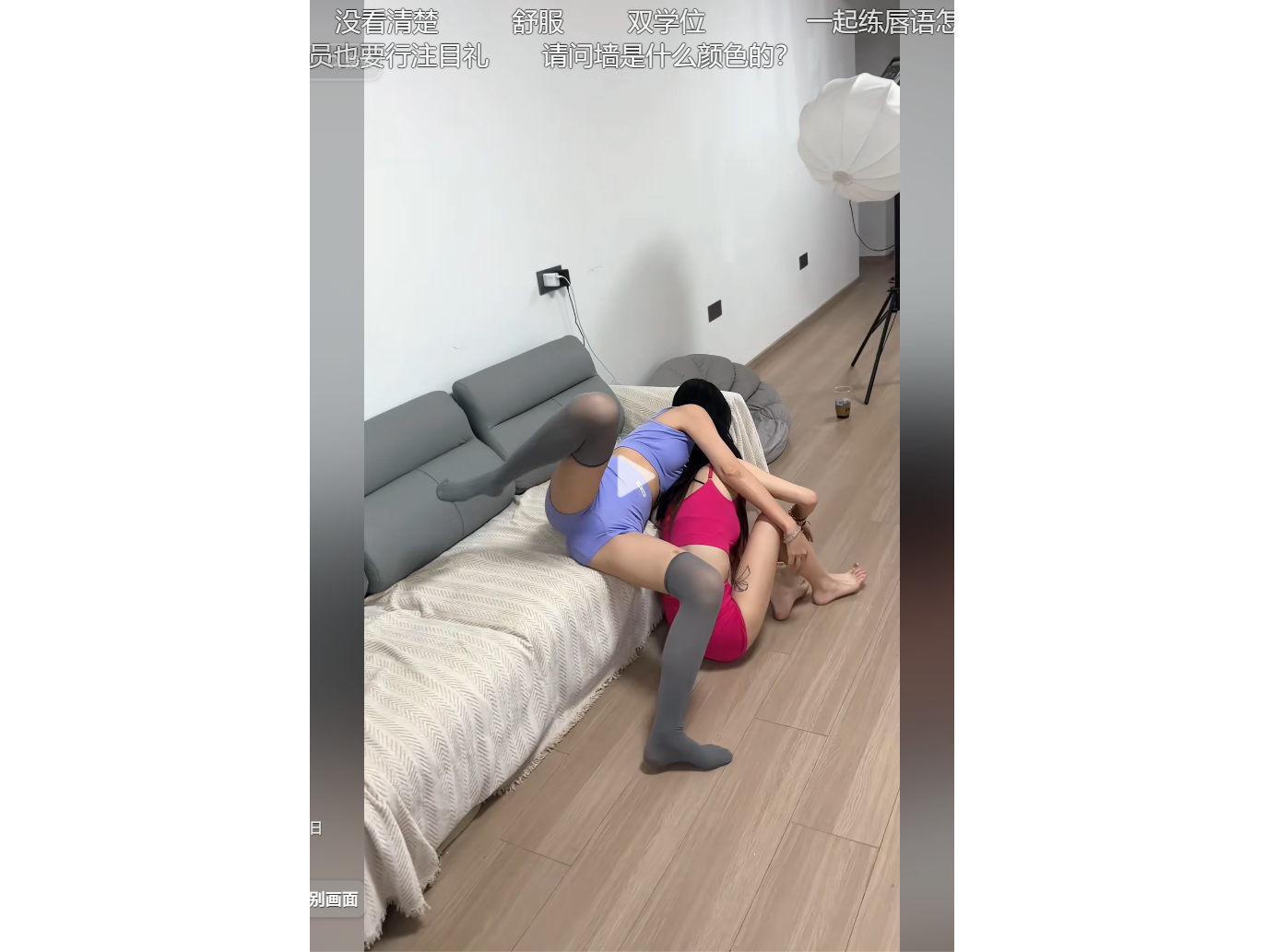
At first glance, the video presents a serene domestic scene: two women in matching athleisure wear engaging in partner yoga stretches that resemble playful wrestling. However, the creative tension lies in the ambiguity of their performance. The physical intimacy of the "stacking" poses invites intense speculation about whether they are colleagues, friends, or partners, turning a fitness demonstration into a canvas for audience projection. Beyond the visual content, the video serves as a masterclass in platform mechanics; the juxtaposition of soothing yoga aesthetics with jarring e-commerce links or unexpected profile content creates a cognitive whiplash that drives engagement. It is less about the exercise itself and more about the interactive experience of navigating desire, curiosity, and algorithmic surprise within a single swipe.
What Viewers Are Saying
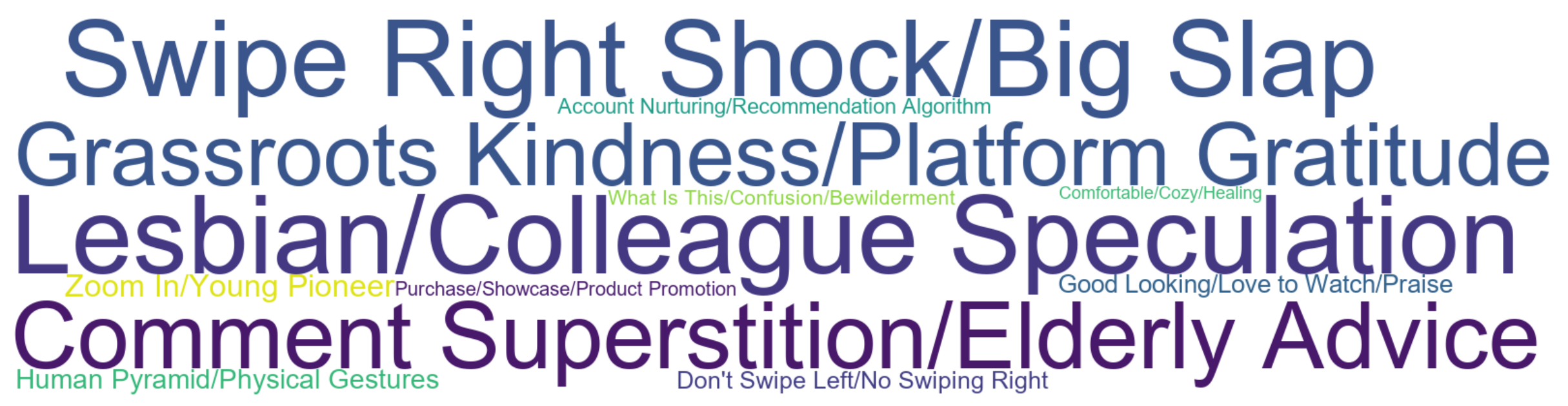
"Right swipe gave me a big slap to the face, left me stunned." This comment encapsulates the most discussed technical phenomenon surrounding the video. Viewers are treating the user interface as a physical space where curiosity is punished. The "slap" refers to the jarring transition from the soft, aesthetic video content to a harsh or unrelated reality on the creator's profile or shop page. It highlights a collective frustration and amusement with how digital platforms bait attention only to subvert expectations, turning navigation into a contact sport.
"She俩是女同事吧" (They must be female colleagues, right?) The persistent questioning of the women's relationship defines the social discourse of this trend. Whether asking if they are coworkers or explicitly labeling them as a couple, viewers are obsessed with categorizing the intimacy on display. This reflects a broader cultural fascination with decoding female bonds in media. The ambiguity is the hook; by refusing to define their relationship, the creators allow every viewer to project their own narrative, making the speculation far more engaging than the answer could ever be.
"When you zoom in, do you remember you were once an excellent Young Pioneer?" This humorous moral check serves as the community’s self-regulating conscience. It acknowledges the voyeuristic nature of watching such content while wrapping guilt in nostalgia and irony. Rather than genuine shame, it represents a shared wink among viewers who recognize the tension between adult curiosity and childhood innocence. It transforms passive consumption into an active, communal joke about the complexities of digital gaze and maturity.
Comment Section Vibe
The comment section feels like a bustling, chaotic town square where humor and horniness engage in a friendly wrestling match of their own. There is a palpable sense of collective participation, driven not just by attraction but by a superstitious adherence to internet folklore—users commenting because "the elders said so" or to "maintain their account health." The atmosphere oscillates rapidly between genuine appreciation of the aesthetic comfort and ironic warnings about digital traps. It is a space where moral posturing is performed theatrically, and where the boundary between admiring fitness and falling for an algorithmic prank is delightfully, intentionally blurred.
As we navigate the midday rush this June 25th, the yunpoly editorial team extends our gratitude to you for pausing to engage with the lighter, more curious side of internet culture. In an era of information overload, finding moments of shared amusement and communal interpretation is a genuine respite. Thank you for reading, commenting, and keeping the digital conversation vibrant and human. Stay curious, stay safe, and perhaps think twice before swiping right today.
- Hot Today: June 25, 2026 Evening News__The Unfiltered Allure: Why "A Bit Haggard" Redefines Authentic Beauty in the AI Era
- 今日熱點:2026年06月25日 晚間新聞__素顏「活人感」擊退AI焦慮,網紅《有點憔悴》引爆真實美學論戰
- Hot Today: June 25, 2026 Evening News__Beyond Stereotypes: A Xinjiang Student’s Humorous Journey to the Mainland
- Hot Today: Evening News, June 25, 2026 __ When the Creator Arrives: Unpacking the Viral Logic Behind Xiao Yu’s Dance Phenomenon
- Hot Today: June 25, 2026 Evening News__Post-Exam Sweetness: A Lollipop, An Old Song, and the Collective Sigh of Youth
- 今日熱點:2026年06月25日 晚間新聞__高考後的一根棒棒糖,為何讓全網陷入「初戀臉」的集體回憶與躁動?
- Hot Today: Evening News, June 25, 2026__"Dad Is Old, Not Gone": Viral Old Money Style Transforms Rural Elder into British Aristocrat
- 今日熱點:2026年06月25日 晚間新聞__老爹變身英國莊園主?「老錢風」穿搭引爆網民集體玩梗狂歡
- Hot Today: June 25, 2026 Midday News__Northeast Shamanic Chant Goes Viral: Modern Performer Stuns with Lightning-Fast Delivery
- Hot Today: June 25, 2026 Midday News __ Yoga or Wrestling? Viral Duo Sparks Identity Debates and Algorithmic Slaps

全部评论