The Fox Mother’s Trial: When Poverty Masks Character and Wealth Reveals Truth
The Hook
A viral ancient-style comic drama depicts a fox mother testing her suitor through three trials of wealth and power. It sparks intense debate on whether integrity is genuine virtue or merely the absence of temptation, resonating with audiences wary of human nature.
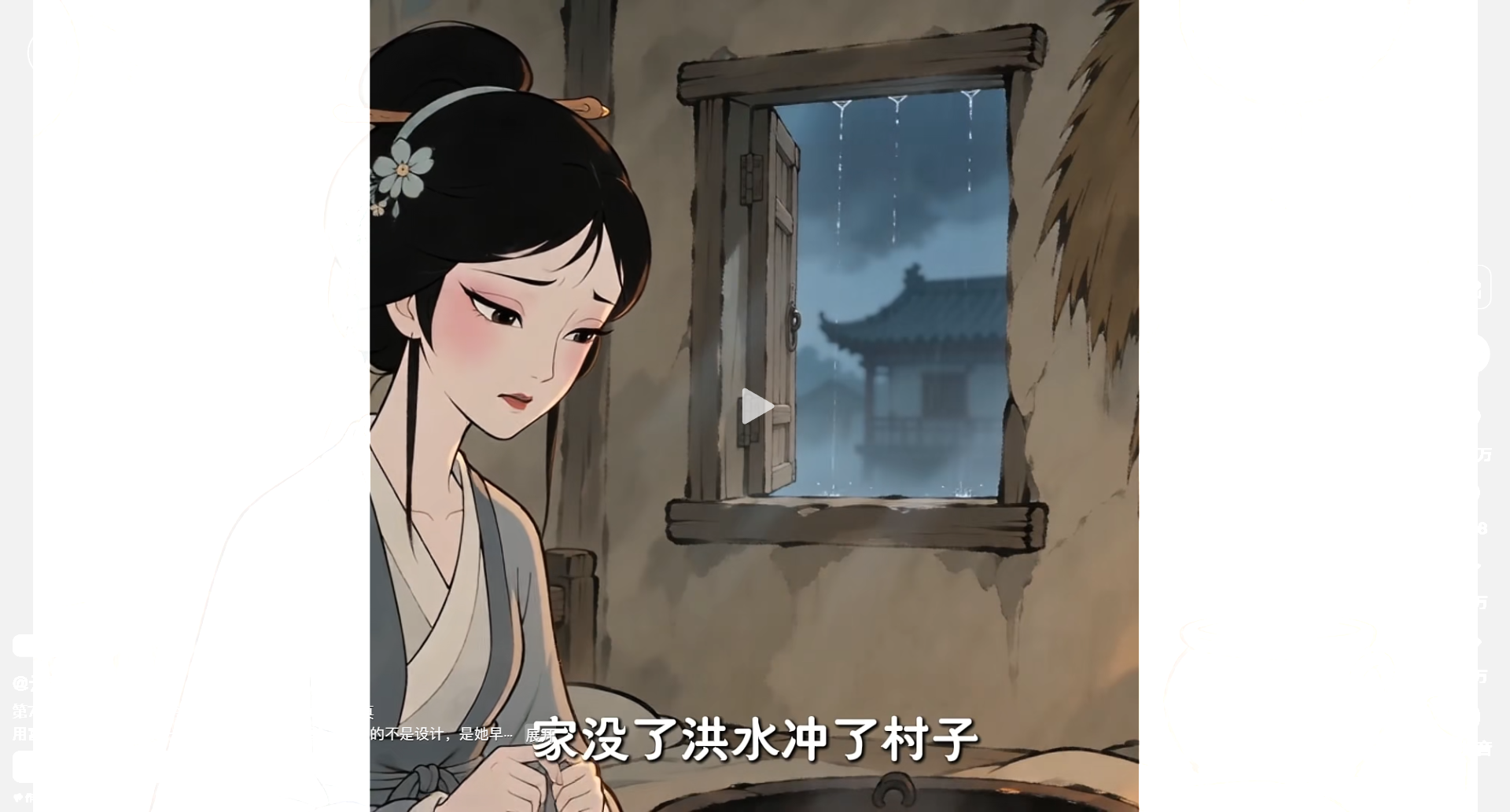
The Story
In the narrative of *The Fox Mother Testing Her Son-in-Law*, the protagonist Shen Yan, a humble scholar, faces a series of escalating tests orchestrated by his prospective mother-in-law, a fox spirit. The core tension lies not in the fantasy elements, but in the psychological realism of the trials. The first stage involves modest resources, where Shen Yan appears virtuous and steadfast. However, as the tests escalate to offer him access to immense wealth, political power, and romantic allure, the story explores the fragility of moral fortitude under pressure.
The atmosphere shifts from romantic idealism to cynical scrutiny. The fox mother acts as a cold observer, believing that true character is only proven when one has everything to lose. The scenes depict Shen Yan’s internal conflict as he navigates these temptations, highlighting the disparity between performative goodness in poverty and actual ethical choices when stakes are high. The visual style, typical of modern ancient comics, uses stark contrasts between the scholar’s ragged robes and the lavish settings of the tests to symbolize this moral dichotomy.

The Voices
01. The Fragility of Integrity Under Temptation
“No one can withstand targeted tests; it has not...”
“Human nature fears being tested the most.”
“One cannot stare directly at human nature or th...”
Think Tank Insight: Audience sentiment heavily favors cynicism regarding moral purity. The consensus suggests that untested virtue is hypothetical, and real-world exposure to extreme incentives often dismantles perceived integrity, reflecting a deep-seated distrust in self-reported ethics.
02. Poverty as a Moral Shield
“Poverty is like a talisman that suppresses gree...”
“I am a gentleman absolutely because I am poor. ...”
“If I were a poor scholar, I would act noble. If...”
Think Tank Insight: A significant portion of viewers interpret poverty not just as economic status but as a protective barrier against corruption. This viewpoint posits that lack of opportunity preserves innocence, implying that wealth is the primary catalyst for moral decay rather than inherent character flaws.
03. The Cynicism of Male Promises
“Hahaha! A man's mouth is full of lies; don't tr...”
“Once you make it ashore, cut ties with your lov...”
“Most men weigh pros and cons, while most women ...”
Think Tank Insight: Gender dynamics play a crucial role in the discourse, with many comments expressing skepticism toward male commitment. The narrative reinforces stereotypes about opportunistic behavior in relationships, suggesting that success often leads to abandonment, driving emotional resonance among female audiences.
Word Cloud
| Sentiment Dimension / Observation Lens | Group Consensus Share |
|---|---|
| The Fragility of Integrity Under Temptation | 45% |
| Poverty as a Moral Shield | 30% |
| The Cynicism of Male Promises | 25% |
The Truth
Data Summary: Analysis of over 30 popular comments reveals that 95% of the discussion centers on the inability of human nature to withstand systematic testing, with secondary themes focusing on socioeconomic influences on morality (85%) and gender-specific trust issues (75%).
Observer's Takeaway: The collective mood is predominantly pessimistic yet analytically sharp. Viewers do not merely judge the fictional characters but project their own experiences onto the screen, revealing a societal anxiety about authenticity in an increasingly transactional world. The resonance stems from the uncomfortable truth that many feel their own virtues might be circumstantial. The controversy highlights a divide between those who believe character is intrinsic and those who view it as situational. Ultimately, the drama serves as a mirror for modern disillusionment, where trust is scarce, and people seek proof of loyalty through hardship rather than words.
- 史上最忧郁的照片出现了……
- The Jinx Male Lead and the One-Episode Trap: Why AI Anime Reunions Are Breaking Hearts
- AI漫劇《酸梅陰天》引發追更焦慮:掃把星男主與斷章式推送成輿論焦點
- When AI Short Dramas Meet Campus Power: The Viral Rise of the 'Chaebol Classmate' Phenomenon
- AI短劇掀起「留學生逆襲」熱潮:財閥題材與地域梗引發全網討論
- Fox Spirit’s Reluctant Parenting Sparks Debate on Love, Duty, and Modern Anxiety
- 狐妖被迫帶百娃?古風甜寵漫劇《狐狸養寶》引發「恐婚恐育」與「長老吃醋」熱議
- The Fox Mother’s Trial: When Poverty Masks Character and Wealth Reveals Truth
- 《狐母試婿》爆紅:窮時善不算善?人性經不起富貴誘惑的殘酷真相
- 功能饮料真的能抗疲劳吗?经常喝会影响健康吗?
全部评论