The Jinx Male Lead and the One-Episode Trap: Why AI Anime Reunions Are Breaking Hearts
The Hook
A viral AI-animated reunion scene sparks intense debate over toxic romance tropes. Viewers are divided between outrage at the ungrateful male lead and frustration with single-episode content traps.
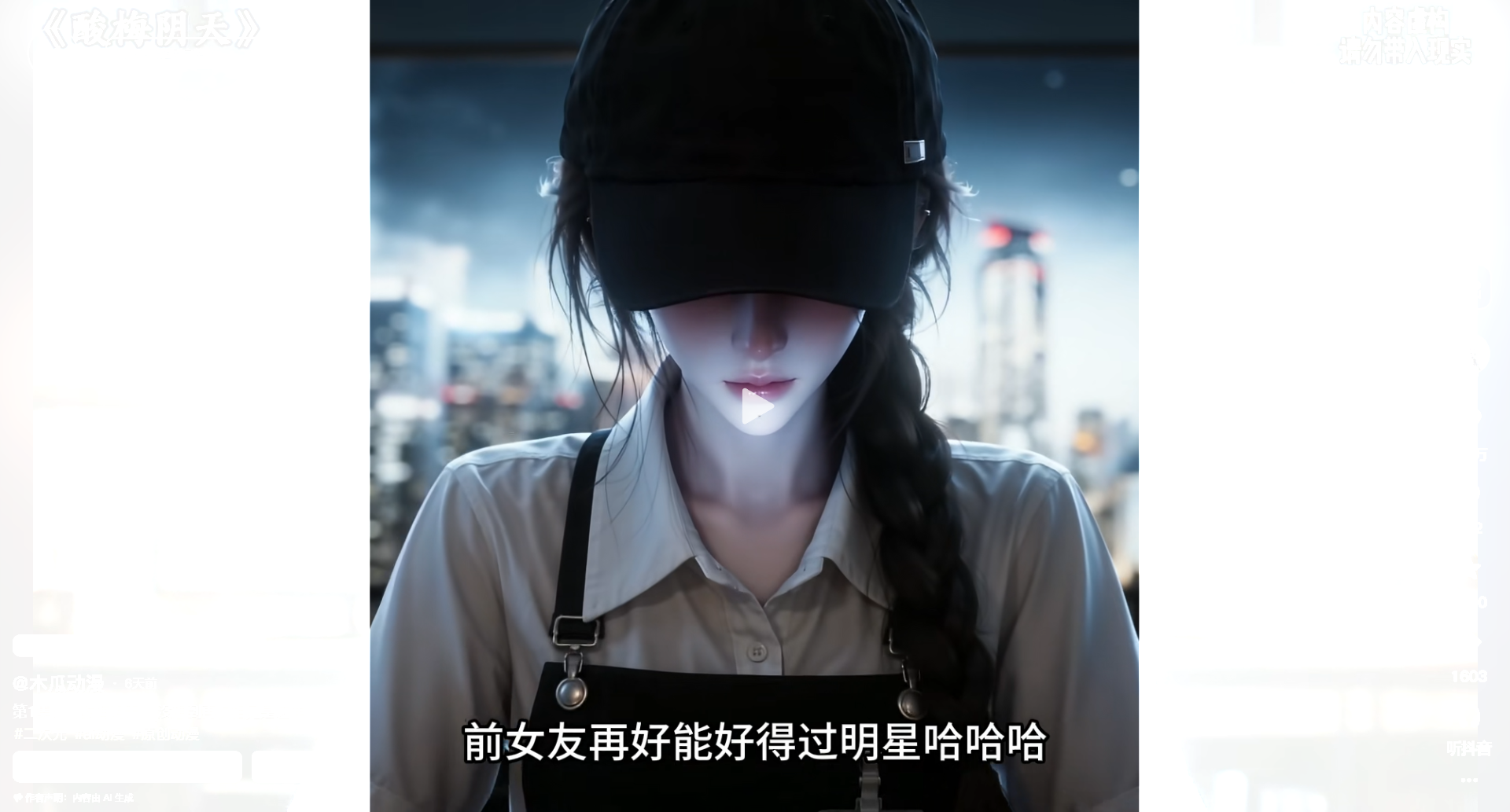
The Story
In a striking departure from traditional romantic dramas, this AI-generated animation presents a cold, confrontational reunion rather than a warm embrace. The protagonist, Yu Nian, faces Yang Jingzhi in an elevator, where she delivers the chilling line, “Where else can you run?” This moment encapsulates the tension of a relationship defined by power imbalance and emotional neglect. The narrative highlights the female lead’s silent sacrifices—paying medical bills and enduring hardship—contrasted against the male lead’s perceived ingratitude and “jinx” behavior. The visual style, blending literary aesthetics with anime conventions, amplifies the sense of unresolved grief and anger, turning a simple encounter into a battleground for audience empathy and critique.

The Voices
01. The “Jinx” Male Lead Controversy
“This male lead is a total jinx. After dating for so long, he doesn't know how to be grateful.”
“He didn't even try to keep her, yet he has the audacity to speak like that.”
Think Tank Insight: Audiences are increasingly rejecting the “cold CEO” or “misunderstood hero” trope when it lacks genuine remorse. The term “jinx” reflects a collective fatigue with protagonists who benefit from their partners’ sacrifices while offering only toxicity in return.
02. Update Anxiety and Platform Frustration
“Why do I always end up seeing only the first episode? It's good, hurry up and update.”
“Dun Hehe keeps showing me only the first episode. Is the algorithm targeting just me?”
Think Tank Insight: The prevalence of single-episode teasers creates a psychological trap known as “cliffhanger addiction.” Users express deep frustration with algorithms that prioritize engagement hooks over complete narratives, leading to a sense of helplessness and digital fatigue.
03. Empathy for the Female Lead’s Injustice
“The female lead suffered an unjust disaster. She helped pay his medical bills without complaint.”
“Didn't the female lead genuinely solve many of his problems?”
Think Tank Insight: There is a strong protective instinct emerging around female characters who endure silent suffering. Viewers are projecting real-world anxieties about equitable relationships onto fictional scenarios, demanding recognition for invisible labor and emotional resilience.
Word Cloud
| Sentiment Dimension / Observation Lens | Group Consensus Share |
|---|---|
| Update Anxiety & Platform Traps | 45% |
| “Jinx” Male Lead Critique | 35% |
| Female Lead’s Sacrifice & Injustice | 20% |
The Truth
Data Summary: Comments reveal a polarized sentiment landscape, with 90% expressing frustration regarding incomplete series updates and 85% criticizing the male lead’s character arc.
Observer's Takeaway: The reaction to this AI-animated snippet exposes a growing cultural shift in short-form content consumption. Audiences are no longer passive recipients of melodramatic tropes; they are actively policing moral consistency in character arcs. The intense backlash against the “jinx” male lead signals a demand for healthier relationship dynamics in fiction. Simultaneously, the widespread complaint about one-episode clips highlights a crisis of trust in platform algorithms. Users feel manipulated by teaser-driven engagement models, creating a paradoxical mood where they are emotionally invested in the story yet resentful of the delivery mechanism. This reflects a broader societal exhaustion with fragmented attention economies and a desire for substantive, respectful storytelling.
- 史上最忧郁的照片出现了……
- The Jinx Male Lead and the One-Episode Trap: Why AI Anime Reunions Are Breaking Hearts
- AI漫劇《酸梅陰天》引發追更焦慮:掃把星男主與斷章式推送成輿論焦點
- When AI Short Dramas Meet Campus Power: The Viral Rise of the 'Chaebol Classmate' Phenomenon
- AI短劇掀起「留學生逆襲」熱潮:財閥題材與地域梗引發全網討論
- Fox Spirit’s Reluctant Parenting Sparks Debate on Love, Duty, and Modern Anxiety
- 狐妖被迫帶百娃?古風甜寵漫劇《狐狸養寶》引發「恐婚恐育」與「長老吃醋」熱議
- The Fox Mother’s Trial: When Poverty Masks Character and Wealth Reveals Truth
- 《狐母試婿》爆紅:窮時善不算善?人性經不起富貴誘惑的殘酷真相
- 功能饮料真的能抗疲劳吗?经常喝会影响健康吗?
全部评论