Structural Analysis of the Short Drama "The CEO's Hidden Heiress"
This piece breaks down the narrative architecture of the trending short drama "The CEO's Hidden Heiress," focusing on how its pacing and character dynamics sustain viewer engagement without relying on complex plot twists.
Highlights
The drama distinguishes itself through a rapid-establishment technique that introduces core conflicts within the first ninety seconds. It utilizes a dual-track tension system, balancing romantic pursuit with identity revelation to maintain consistent momentum across episodes.
Plot Structure Breakdown
| Stage | Function | Narrative technique |
|---|---|---|
| Opening Hook | Establishes protagonist vulnerability and immediate threat. | Cold open with high-stakes dialogue; minimal exposition. |
| Buildup | Introduces secondary characters and escalates interpersonal friction. | Parallel editing between protagonist struggles and antagonist schemes. |
| Midpoint Shift | Reveals partial information about the protagonist's background. | Strategic withholding of key details to sustain curiosity. |
| Resolution Setup | Aligns external conflicts with internal emotional arcs. | Converging storylines leading to a climactic confrontation scene. |
Character Relationships
Protagonist: The central figure whose hidden identity drives the primary mystery; serves as the audience proxy for uncovering truth. Love Interest: Provides external validation and protection; functions as a catalyst for the protagonist's public emergence. Antagonist: Represents systemic opposition; their actions create the necessary friction to propel the plot forward. Supporting Cast: Offers comic relief or logistical aid; helps pace the narrative by reducing density in intense scenes.

Structure Analysis
The effectiveness of "The CEO's Hidden Heiress" lies in its disciplined adherence to the "hook-and-release" model common in vertical video formats. By front-loading conflict, the script ensures that viewers have an immediate reason to continue watching. This is not achieved through slow-burn character development but through situational urgency. Each episode ends on a micro-cliffhanger that resolves quickly in the next, creating a rhythmic consumption pattern suited to mobile viewing habits.
Furthermore, the narrative employs a layered reveal strategy regarding the protagonist's status. Rather than exposing all secrets at once, the script distributes information asymmetrically. The audience often knows more than the other characters, which generates dramatic irony. This technique keeps viewers engaged because they are waiting for the moment when the fictional world catches up to what they already know. The pacing accelerates as this gap closes, naturally building toward the climax without requiring artificial escalation.
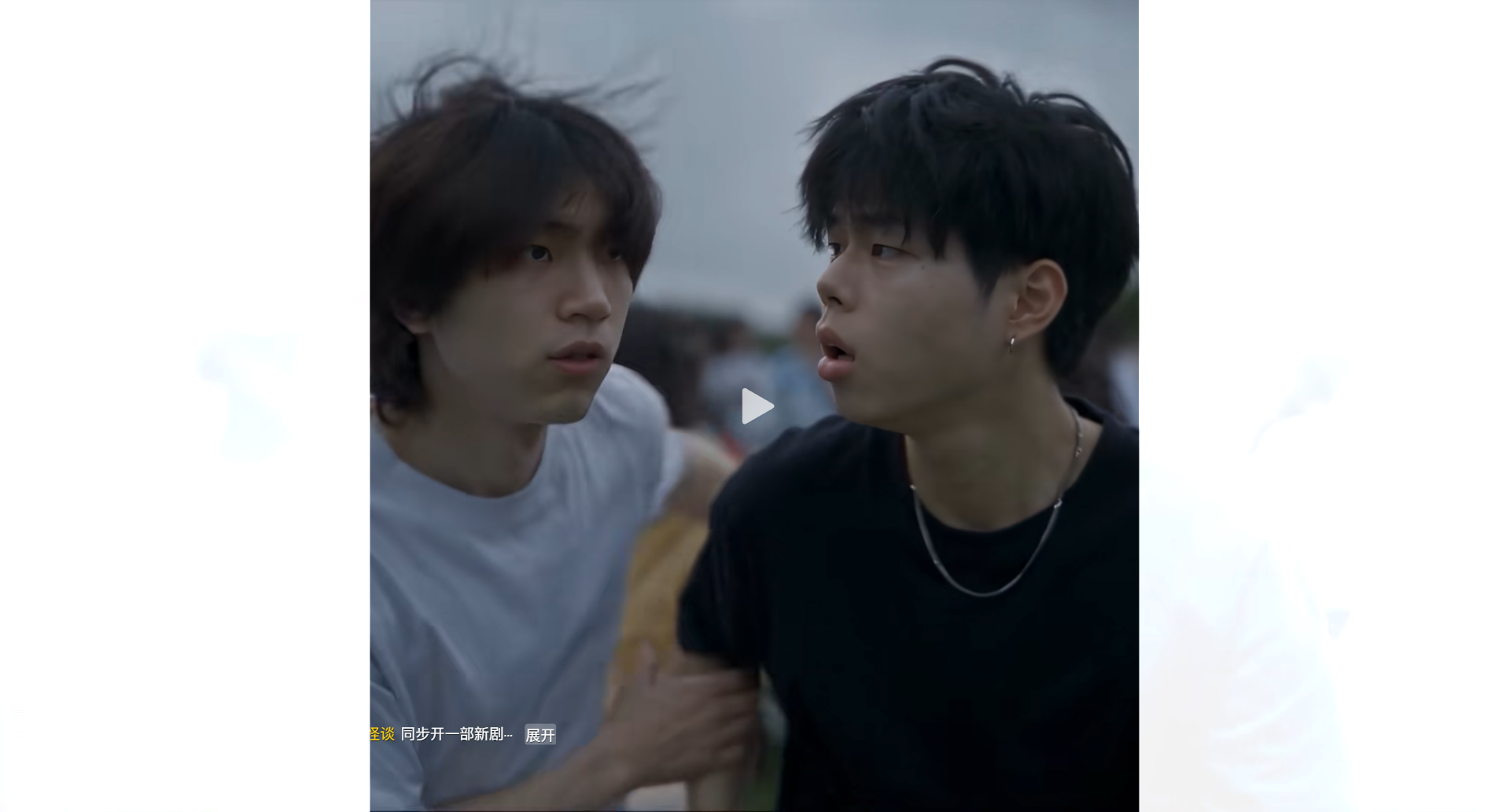
The visual language supports this structure through close-up heavy cinematography, which emphasizes facial expressions over environmental context. In short-form dramas, where screen real estate is limited, this focus allows for efficient emotional communication. Viewers can instantly gauge stakes and reactions without needing extensive dialogue, thereby saving time for plot progression. This synergy between visual economy and narrative pacing is a hallmark of successful genre entries.
Optional Extended Sections
Common Misreadings
Many viewers mistake the protagonist's initial passivity for lack of agency. Structurally, this passivity is a setup phase designed to maximize the impact of later active choices. Recognizing this arc helps appreciate the character development trajectory.
Another frequent misunderstanding concerns the role of the antagonist. While often portrayed as purely malicious, their function is primarily structural: to test the protagonist's resilience and force identity confirmation. Viewing them as obstacles rather than villains clarifies the narrative purpose.
Genre Trivia
In the comeback genre, the "identity reveal" is a standardized beat. Successful variations typically alter the timing or the method of reveal. "The CEO's Hidden Heiress" opts for a gradual accumulation of evidence rather than a single document drop, which extends the suspense window.
Viewing Notes
To analyze this drama spoiler-free, track the frequency of conflict introduction versus resolution. Note how many minutes pass before a new problem arises after one is solved. This ratio indicates the pacing intensity.
Observe the use of silence in dialogue scenes. Pauses often signal upcoming revelations or shifts in power dynamics, serving as non-verbal cues for the audience.
Tool Introduction
For those interested in tracking the release schedule and managing viewing progress for multiple series like "The CEO's Hidden Heiress," the PalmBox short-drama app offers a structured solution. As a tool focused on categorization and update reminders, it assists users in maintaining an organized library of ongoing narratives. Its interface supports daily viewing habits by providing clear indicators of new episodes and previously watched segments, facilitating a seamless binge-watching experience for genre enthusiasts.
Conclusion
Short dramas thrive on visible structure and predictable yet engaging pacing mechanisms. "The CEO's Hidden Heiress" exemplifies how tight scripting and strategic information distribution can sustain interest. For viewers seeking to deepen their appreciation of the format, analyzing the timing of reveals and the function of supporting characters provides a rewarding perspective beyond surface-level entertainment.
This article contains promotional content
- Structural Analysis of the Short Drama Genre: Pacing and Narrative Hooks
- 短劇敘事節奏解析:以「閃婚寵愛」為例
- Structural Analysis of the Short Drama "The CEO's Hidden Heiress"
- 短剧《CEO的隐秘继承人》的结构分析
- Structural Breakdown of 「The Silent Contract」
- 《沉默契约》的结构剖析
- Structural Analysis of Short Drama Pacing and Character Dynamics
- 「短劇敘事結構拆解:懸疑反轉與節奏控制」
- Structural Analysis of the Short Drama Genre: Pacing and Character Dynamics
- 短剧体裁的结构分析:节奏与人物动态

全部评论