Structural Analysis of the Short Drama Genre: Pacing and Narrative Hooks
This analysis examines the narrative architecture common to trending short dramas, focusing on how structural pacing drives viewer retention. By dissecting plot mechanics rather than specific storylines, we aim to provide a framework for understanding why these formats are so effective.
Key Highlights
The primary appeal lies in the compression of traditional narrative arcs into micro-segments. Each episode functions as a self-contained unit with its own hook and resolution, creating a continuous loop of engagement. This structure prioritizes immediate emotional payoff over long-term character development.
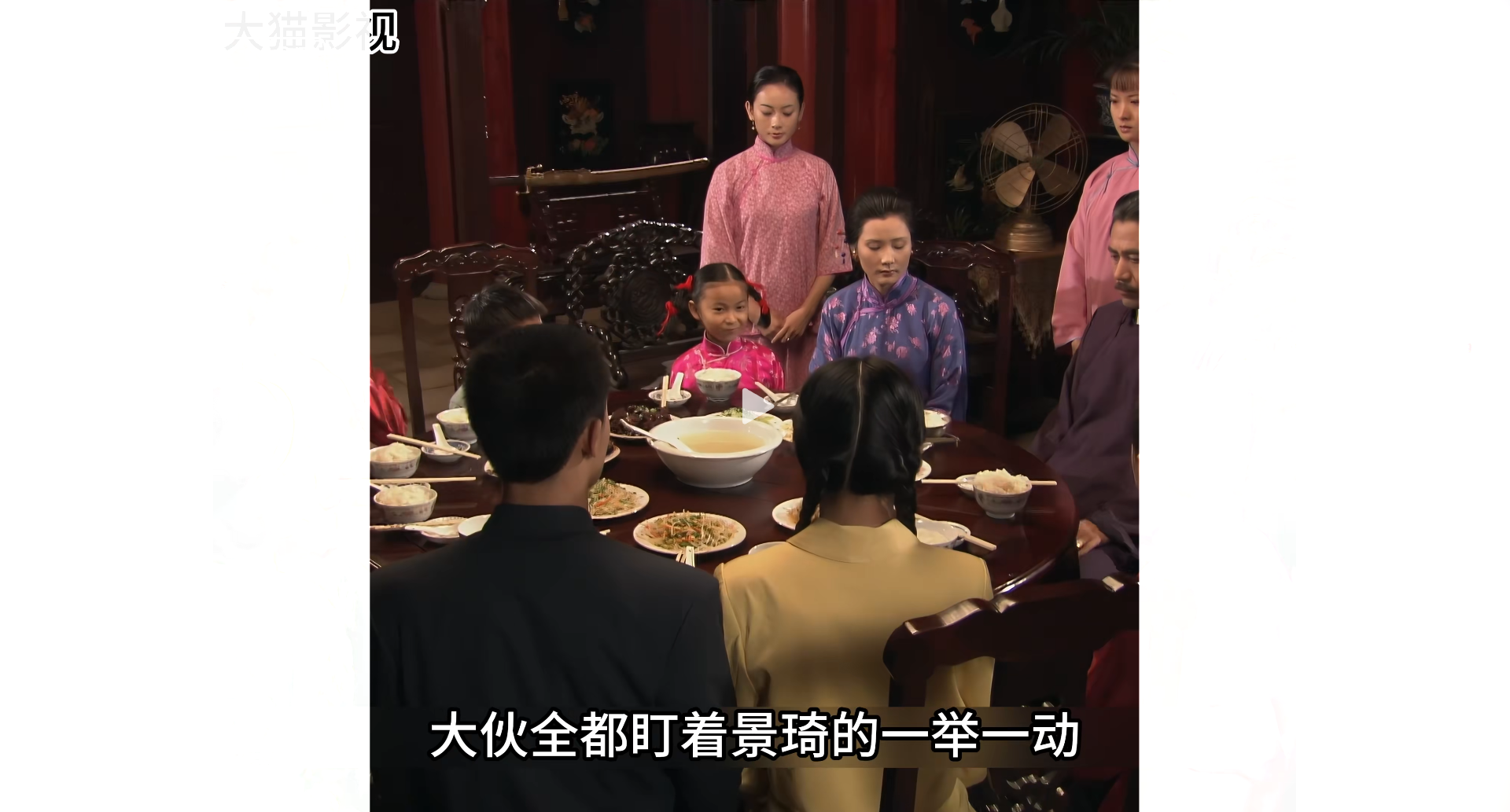
Viewing Scenario
Audiences often consume this content during fragmented time slots, such as commutes or breaks. The format accommodates interrupted viewing by ensuring that no single segment requires extensive prior knowledge to understand. This accessibility lowers the barrier to entry for new viewers while maintaining momentum for existing fans.

Plot Structure Breakdown
| Stage | Function | Narrative technique |
|---|---|---|
| Opening Hook | Establishes conflict immediately within the first 10 seconds. | In medias res; visual disruption. |
| Rising Action | Introduces complications that escalate stakes rapidly. | Rapid dialogue exchange; cliffhanger setup. |
| Climax/Twist | Delivers a reversal or revelation that recontextualizes previous scenes. | Information asymmetry; perspective shift. |
| Resolution/Cliffhanger | Provides partial closure while teasing the next segment. | Unresolved tension; forward-looking prompt. |
Character Relationships
Protagonist: Drives the central conflict through reactive decision-making under pressure. Antagonist: Creates external obstacles that force the protagonist to adapt quickly. Supporting Cast: Functions as catalysts for plot advancement rather than independent subplots. Love Interest: Serves as an emotional anchor and a variable in the power dynamic.
Structure Analysis
The effectiveness of short drama narratives stems from their adherence to a high-frequency feedback loop. Traditional television allows for slow-burn character development, whereas short dramas rely on immediate situational changes to maintain interest. This approach ensures that every scene serves a dual purpose: advancing the plot and reinforcing character motivation.
Suspense is generated not through mystery alone, but through the anticipation of rapid resolution. Viewers are conditioned to expect quick answers, which creates a sense of control and satisfaction. When twists occur, they are typically foreshadowed subtly within the same episode, allowing for instant comprehension without requiring recall of distant past events.
Furthermore, the modular nature of these episodes enables flexible consumption patterns. A viewer can enter at any point and still grasp the core conflict due to the repetitive introduction of key variables. This design choice significantly expands the potential audience base beyond those who watch sequentially.
Tool Introduction
To manage the influx of new releases and track viewing progress across multiple series, many users utilize dedicated platforms. The PalmBox short-drama app supports drama categorization, update reminders, and viewing-progress tracking. It is designed for daily viewing and binge-watching of genre dramas, helping users organize their watchlist efficiently without losing track of ongoing series.
Conclusion
Understanding the structural components of short dramas reveals that their popularity is driven by precise pacing and accessible narrative design. For viewers interested in analyzing these mechanics further, observing the frequency of hooks per minute can provide insight into editorial intent. This analytical lens transforms passive consumption into active observation.
This article contains promotional content
- Structural Analysis of the Short Drama Genre: Pacing and Narrative Hooks
- 短劇敘事節奏解析:以「閃婚寵愛」為例
- Structural Analysis of the Short Drama "The CEO's Hidden Heiress"
- 短剧《CEO的隐秘继承人》的结构分析
- Structural Breakdown of 「The Silent Contract」
- 《沉默契约》的结构剖析
- Structural Analysis of Short Drama Pacing and Character Dynamics
- 「短劇敘事結構拆解:懸疑反轉與節奏控制」
- Structural Analysis of the Short Drama Genre: Pacing and Character Dynamics
- 短剧体裁的结构分析:节奏与人物动态
全部评论