Hot Today: July 2, 2026 Evening News: "Secretary Wang, Bring My Sanxian!" – When Folk Strings Meet Indie Rock Nostalgia
The Hook
A viral fusion of the traditional Chinese sanxian and Gala’s indie anthem "Young For You" has ignited a wave of nostalgia. This unexpected musical crossover blends Old Beijing vibes with youthful rock energy, prompting netizens to jokingly demand their own instruments in a celebration of cultural remixing.
The Story
In a delightful collision of East and West, content creator "_Salty Beanbag (Sanxian Version)" has released a video that redefines genre boundaries. The clip features a spirited rendition of the British band Gala’s classic "Young For You," performed entirely on the sanxian, a traditional three-stringed lute often associated with folk storytelling and Jingdong Dagu. Although the performer remains unseen, the audio paints a vivid picture: the bright, percussive twang of the sanxian mimics the carefree, slightly off-key charm of the original rock track, transforming a Western indie hit into something that sounds like it belongs in a bustling Tianjin teahouse.
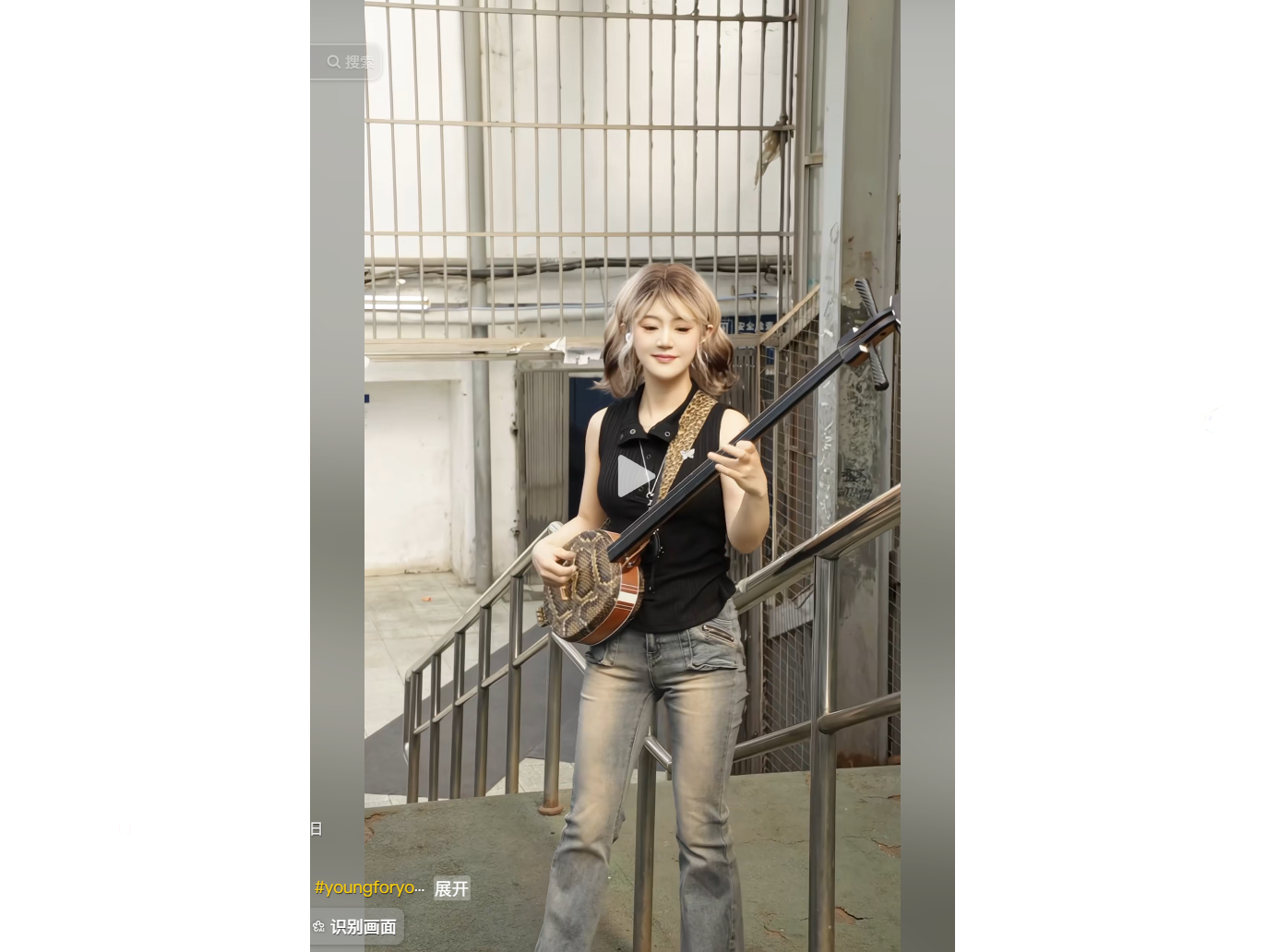
The creative angle here lies in the seamless emotional translation. The sanxian does not merely cover the song; it recontextualizes it. The instrument's inherent playfulness captures the reckless optimism of youth embedded in the lyrics, while simultaneously evoking memories of old neighborhoods, bicycle bells, and summer evenings. It is a sonic bridge connecting the globalized music taste of a generation with their deep-rooted cultural heritage. The video’s relaxed atmosphere suggests that tradition need not be solemn; it can be vibrant, experimental, and profoundly fun. This is not just a performance; it is a cultural conversation where the sanxian speaks fluent indie rock, proving that folk instruments carry a timeless versatility that resonates with modern sensibilities.
The Voices
"Secretary Wang, bring me my sanxian." This comment has become the defining meme of the discussion, elevating a simple instrumental cover into a participatory cultural moment. By adopting the persona of a demanding yet playful patron, the viewer transforms passive listening into active role-play. It reflects a collective desire to reclaim traditional instruments not as museum artifacts, but as accessible tools for personal expression and joy. The humor lies in the juxtaposition of bureaucratic formality ("Secretary Wang") with the earthy, unpretentious nature of the sanxian, signaling a new, confident attitude toward heritage.
"Old Beijing sanxian, that's the real deal! It gives off that authentic vibe." This viewpoint grounds the viral trend in cultural authenticity. While the song choice is Western, the appreciation remains deeply local. The commenter validates the performance not by its novelty, but by its fidelity to the instrument's soul. It suggests that successful cultural fusion requires respect for the source material; the sanxian works here precisely because the player understands its native language well enough to make it speak a new one. This sentiment protects the integrity of folk art even as it embraces pop culture.
"Yes! That's exactly the vibe—sitting under the tree, fanning yourself, listening to the radio." Here, the music serves as a direct portal to sensory memory. The comment moves beyond technical analysis to capture the atmospheric essence of the piece. It highlights how specific timbres can unlock dormant collective memories of pre-digital leisure. In an era of high-production digital content, this raw, acoustic sound offers a tactile connection to a slower, more communal past, suggesting that the true power of this video lies in its ability to recreate a lost sense of place and time.
The Truth
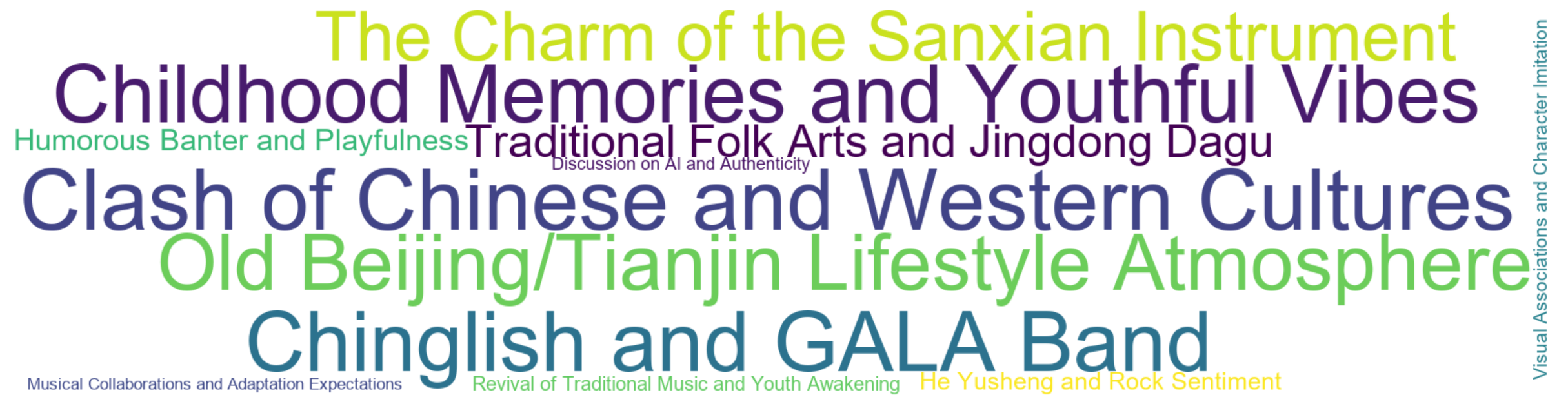
The comment section feels less like a feedback forum and more like a lively neighborhood gathering, buzzing with warmth, wit, and shared recognition. There is an overwhelming sense of delight in seeing the sanxian shed any stereotypes of being outdated or overly serious. The audience is not dissecting technique; they are reminiscing, joking, and collectively celebrating a moment where their dual identities—as consumers of global pop and inheritors of local tradition—feel perfectly aligned. Beneath the playful banter about secretaries and bicycles lies a genuine emotional resonance: a relief that heritage can be lighthearted, and that youthfulness is not bound by language or era. The mood is overwhelmingly affectionate, revealing a public hungry for cultural expressions that honor the past without being weighed down by it.
Good Evening
As the sun sets on this harmonious blend of old strings and new rhythms, we at the yunpoly editorial team extend our warmest gratitude to you, our readers. Thank you for sharing in this moment of cultural joy and for keeping the spirit of curiosity alive. May your evening be as vibrant and comforting as the strum of a sanxian under a summer tree. Good night, and may your dreams be forever young.
- Hot Today: July 2, 2026 Evening News__Heavenly Tribulation or Natural Wonder? Mountains Spark Cultivation Fantasy Frenzy
- 今日熱點:2026年07月02日 晚間新聞__山不語卻引萬人「渡劫」?雷擊聖地掀修仙狂潮與生死調侃
- Hot Today: July 2, 2026 Evening News — When Pixels Embrace Reality: The Bittersweet Allure of AI's Perfect Face
- 今日熱點:2026年07月02日 晚間新聞__跨越次元的擁抱:AI重塑「最美國風臉」,是技術奇蹟還是容貌焦慮?
- Hot Today: July 2, 2026 Evening News: The Chubby Mermaid Paradox: When AI Beauty Meets Aquatic Reality
- 今日熱點:2026年07月02日 晚間新聞__AI美人魚「圓潤」爆紅!網友歪樓問怎麼煮,最美國臉引發審美與食慾之爭
- Hot Today: July 2, 2026 Evening News: The Universal Art of the Childhood Alibi
- 今日熱點:2026年07月02日 晚間新聞__作業沒寫先「交閃」?母女過招喚醒全民童年偷看電視記憶
- Hot Today: July 2, 2026 Evening News: "Secretary Wang, Bring My Sanxian!" – When Folk Strings Meet Indie Rock Nostalgia
- 今日熱點:2026年07月02日 晚間新聞__三弦彈奏《Young For You》爆紅,王秘書梗掀中西混搭回憶殺
全部评论