Hot Today: July 2, 2026 Evening News: The Chubby Mermaid Paradox: When AI Beauty Meets Aquatic Reality
The Hook
A viral AI-generated mermaid has captivated viewers not for ethereal perfection, but for an unexpectedly round and chubby charm. Blending digital fantasy with aquatic humor, this trend sparks a hilarious debate between aesthetic admiration and practical warnings about toxic pufferfish.
The Story
In the latest wave of AI creativity, the "Most Beautiful AI Chinese Face" challenge has taken a delightfully unexpected turn. At the 52-second mark of a trending video, a simple prompt to "stand back" reveals a mermaid figure that defies conventional slender aesthetics. Instead of a siren from Western mythology, viewers are greeted by a round, blessed-looking entity that straddles the line between digital enchantress and well-fed bighead carp. The visual atmosphere is one of whimsical contradiction; the AI特效 (special effects) have rendered a creature that feels less like a distant fantasy and more like a tangible, albeit confusing, aquatic pet.
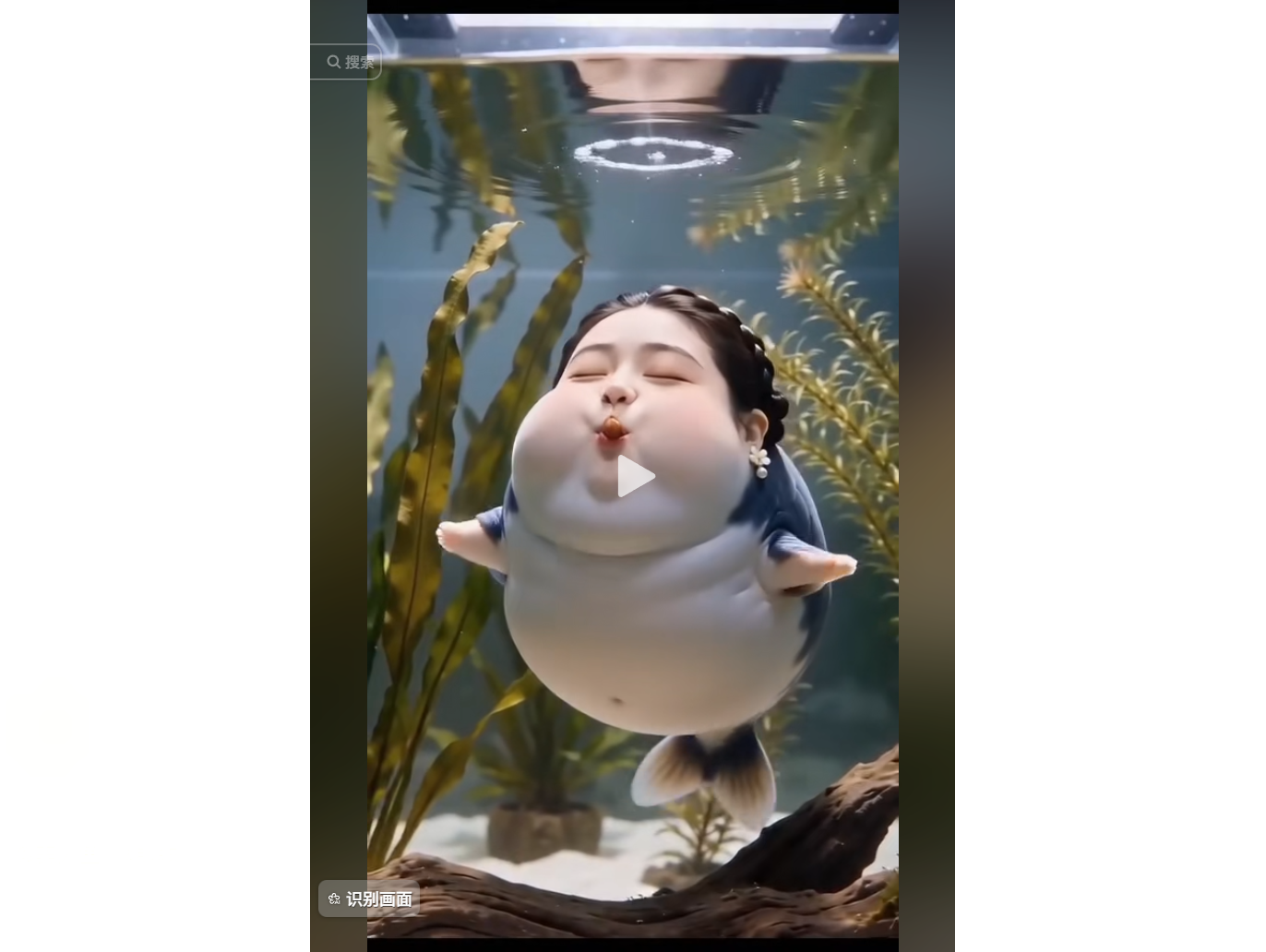
This content has inadvertently bridged two disparate worlds: the pursuit of digital beauty and the gritty reality of fishing enthusiasts. While some see a "Tang Dynasty mermaid" embodying classical standards of plumpness and prosperity, others are genuinely concerned they are looking at a poisonous pufferfish. The scene is set not in a majestic ocean, but in the collective imagination of a comment section trying to reconcile a cute, chubby face with biological hazards. It is a masterclass in unintended engagement, where the algorithm’s interpretation of "beauty" collides with human curiosity about whether this creature belongs in a tank, on a plate, or in a museum of digital art.
The Voices
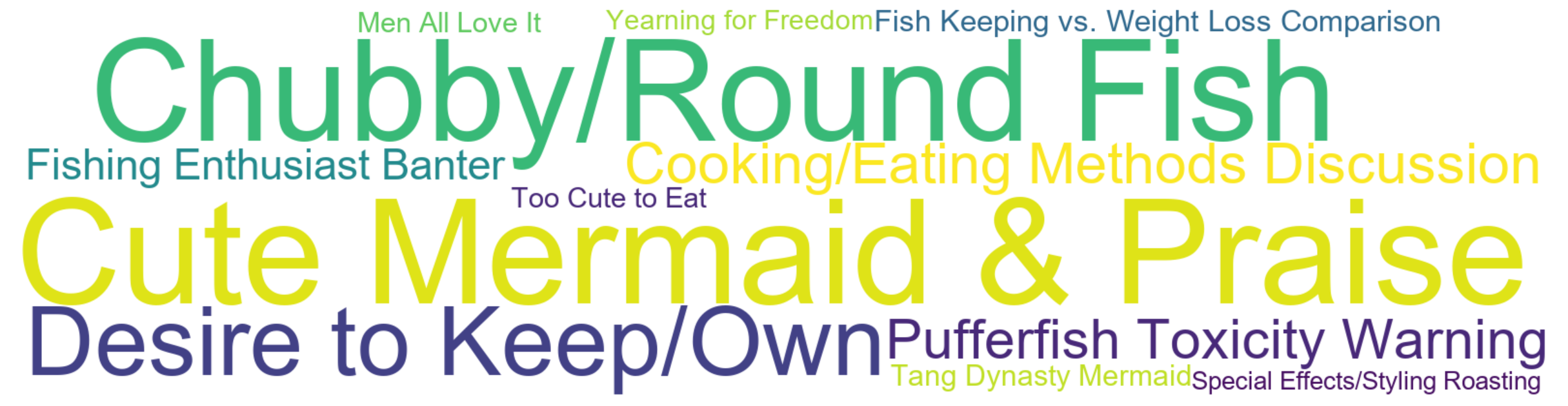
"She's a bighead carp, and you're a mermaid." This comment perfectly encapsulates the central tension of the viral moment. It highlights the humorous disconnect between the AI's intended output and the viewer's grounded reality. Rather than rejecting the image, the audience embraces this misidentification, transforming a potential technical flaw into a cultural inside joke that celebrates traditional freshwater fish alongside digital avatars.
"Pufferfish, highly toxic." Amidst the praise for cuteness, a stark undercurrent of genuine safety awareness emerges. This viewpoint serves as a necessary anchor, reminding us that even in the realm of harmless AI entertainment, real-world knowledge persists. It reflects a community that is simultaneously entertained and vigilant, unable to fully suspend disbelief even when faced with obvious digital fabrication.
"Why is mine different from yours?" This recurring sentiment speaks to the unpredictable nature of generative AI and the shared frustration of replication. It transforms individual viewing into a collective experiment, where users compare results and bond over the inconsistency of the technology. The question is less about technical support and more about the communal experience of navigating an imperfect digital mirror.
The Truth
The comment section vibrates with a unique frequency of affectionate confusion. There is a palpable sense of collective endearment toward this chubby digital entity, suggesting that audiences are fatigued by hyper-realistic perfection and are craving authenticity, even if that authenticity comes in the form of a misidentified carp. The mood is overwhelmingly warm, yet underscored by a playful anxiety regarding toxicity and edibility. This duality reveals a profound truth about current digital culture: we no longer seek flawless idols, but rather relatable imperfections that allow us to project our own humor, cultural references, and even culinary curiosities onto the screen. The resonance lies not in the beauty of the mermaid, but in the shared laughter over what she actually represents.
Good Evening
As we navigate the amusing intersection of technology and tradition tonight, the yunpoly editorial team extends its warmest gratitude to you, our readers. Thank you for sharing in this moment of digital whimsy and for bringing your unique perspectives to life. May your evening be as charming and unexpectedly delightful as our chubby mermaid friend. Good night, and stay curious.
- Hot Today: July 2, 2026 Evening News__Heavenly Tribulation or Natural Wonder? Mountains Spark Cultivation Fantasy Frenzy
- 今日熱點:2026年07月02日 晚間新聞__山不語卻引萬人「渡劫」?雷擊聖地掀修仙狂潮與生死調侃
- Hot Today: July 2, 2026 Evening News — When Pixels Embrace Reality: The Bittersweet Allure of AI's Perfect Face
- 今日熱點:2026年07月02日 晚間新聞__跨越次元的擁抱:AI重塑「最美國風臉」,是技術奇蹟還是容貌焦慮?
- Hot Today: July 2, 2026 Evening News: The Chubby Mermaid Paradox: When AI Beauty Meets Aquatic Reality
- 今日熱點:2026年07月02日 晚間新聞__AI美人魚「圓潤」爆紅!網友歪樓問怎麼煮,最美國臉引發審美與食慾之爭
- Hot Today: July 2, 2026 Evening News: The Universal Art of the Childhood Alibi
- 今日熱點:2026年07月02日 晚間新聞__作業沒寫先「交閃」?母女過招喚醒全民童年偷看電視記憶
- Hot Today: July 2, 2026 Evening News: "Secretary Wang, Bring My Sanxian!" – When Folk Strings Meet Indie Rock Nostalgia
- 今日熱點:2026年07月02日 晚間新聞__三弦彈奏《Young For You》爆紅,王秘書梗掀中西混搭回憶殺
全部评论