Why Are Kids Such Picky Eaters? Disliking Vegetables May Be More Than Just Being Fussy
Why Do Some Kids Reject Vegetables?
“I don’t want carrots!”
“No broccoli either!”
Scenes like these are familiar to many families. Vegetables that seem completely ordinary to adults can sometimes be the foods children want to avoid the most.
When a child dislikes a certain food, it does not necessarily mean they are deliberately being difficult or refusing to listen. The smell, taste, color, and texture of food can all affect how willing someone is to eat it.
Children may be especially resistant when they encounter unfamiliar foods or foods they have disliked in the past.
Are Carrots, Broccoli, and Tomatoes Really That “Scary”?
In the video, carrots, broccoli, tomatoes, and other vegetables are turned into fun, personified characters, making the often frustrating topic of “eating your vegetables” much more entertaining.
In reality, different vegetables provide different nutrients.
For example, carrots are a common source of beta-carotene. Broccoli can provide vitamin C, vitamin K, and dietary fiber, while tomatoes contain nutrients and compounds such as vitamin C, potassium, and lycopene.
Because different foods have different nutritional profiles, eating a varied and diverse diet is generally more important than relying on the same few foods every day.
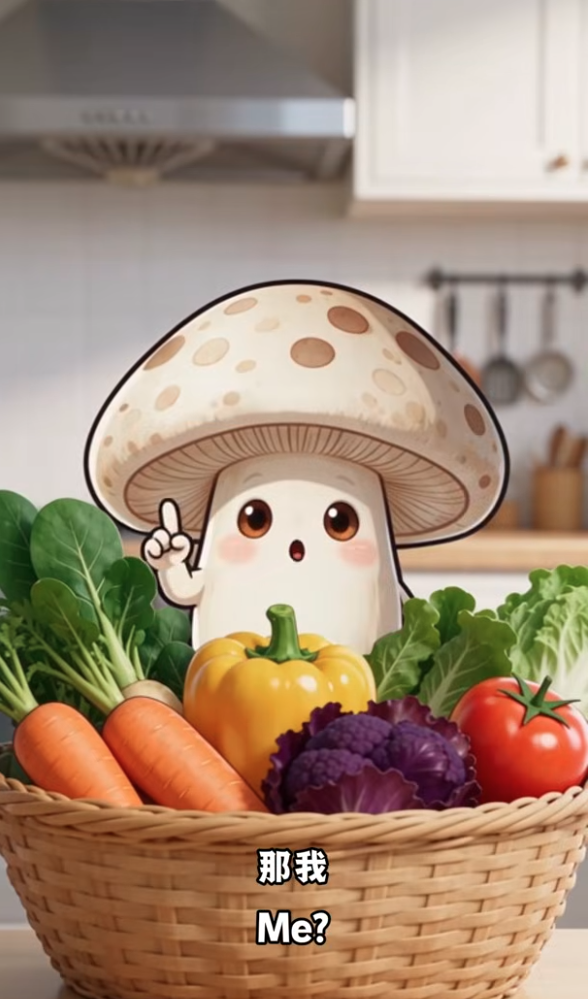
Disliking One Vegetable Doesn’t Mean Avoiding All Vegetables
If a child really dislikes a particular vegetable, it does not necessarily mean they must be forced to finish it all in one meal.
There are many different types of vegetables to choose from. If a child dislikes one, other vegetables can be introduced as part of an overall balanced diet. You can also try changing the way the food is cut, combined with other ingredients, or cooked.
The same vegetable can taste and feel very different when it is steamed, boiled, stir-fried, or paired with other foods.
Sometimes, a child may not actually dislike the ingredient itself—they may simply dislike the way it is currently prepared.
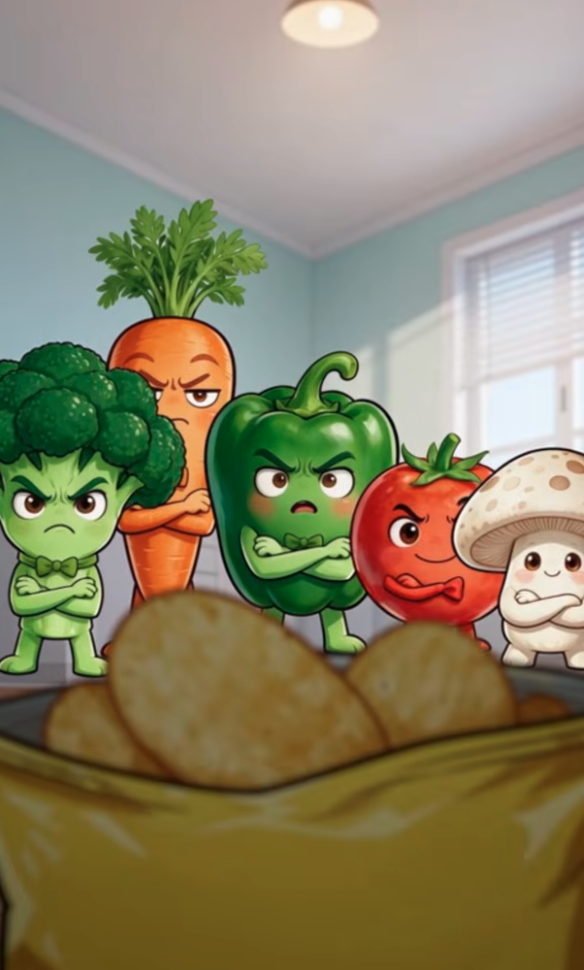
Give Picky Eaters More Opportunities to Try
Helping a child accept a food they previously disliked often takes more than one attempt.
Instead of repeatedly saying, “You have to eat it,” children can be gradually introduced to different foods in a more relaxed environment. Start with small portions or experiment with different combinations so that unfamiliar foods slowly become more familiar.
There is also no need to describe one particular food as a “superfood” with magical benefits.
What really matters is making everyday meals as diverse as possible so that nutrients come from a variety of food sources.
The Real Goal Isn’t Eating Everything — It’s Eating a Varied Diet
Healthy eating does not mean that children must love every single food, nor does it mean that eating more of one particular vegetable is always better.
What matters most is the overall structure of the diet.
A reasonable combination of grains, vegetables, fruits, protein-rich foods, and other food groups can help make everyday meals more varied. This is often more meaningful than focusing too much on whether a child finished every last piece of carrot on the plate.
So, the next time your child says, “I don’t want to eat this!” it may be worth asking: Do they really dislike the food itself, or do they simply dislike its current taste, texture, or preparation?
Sometimes, changing the way a vegetable is prepared may be enough to give a once-rejected food another chance at the dinner table.



- Ancient 'Natural' Food Was a Toxic Gamble, Not a Health Paradise
- 穿越必死?揭秘古代「純天然」背後的致命狠活
- Why Are Kids Such Picky Eaters? Disliking Vegetables May Be More Than Just Being Fussy
- 梭子蟹上桌了!享用美味前,先看这一篇
- 孩子為什麼總挑食?不愛吃蔬菜,可能不只是「任性」
- 如果每天只吃零食会怎么样?
- 为什么我挑的葡萄一颗比一颗酸?
- Why Butter Fails to Conquer the Chinese Palate: A Cultural and Culinary Clash
- 黃油當雪糕啃?揭秘中西飲食基因差異:為何人均年消僅0.2公斤的「水土不服」之謎
- Water vs. Tea: The Hidden Truth Behind Your Daily Sip
全部评论