Why Are Yams and Okra So Slimy? What Is That Sticky Mucilage?
Why Are Yams and Okra So Slimy?
When cutting yam, okra, or taro, many people have the same immediate reaction:
Why is this so sticky?
Yams, in particular, often release a noticeable slimy substance after being peeled or cut. Okra also develops a slippery texture and can produce visible strings when sliced.
This does not mean the food has gone bad. It is simply part of the natural characteristics of these plants.
The slippery texture in these foods is often related to water-soluble polysaccharides, pectin, and other similar components. When these substances come into contact with water, they can form a thick and sticky texture.
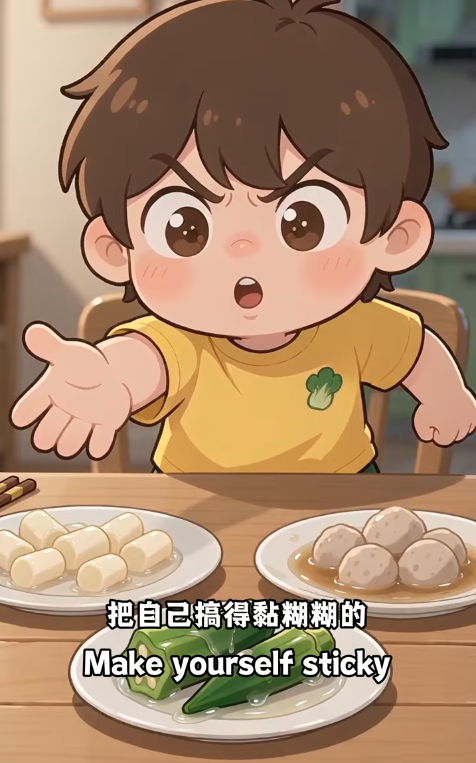
Why Does Okra Become So Stringy?
Okra is probably one of the best-known examples of a naturally slimy food.
Once cut open, the inside releases a noticeable slippery liquid that can sometimes stretch into visible strings.
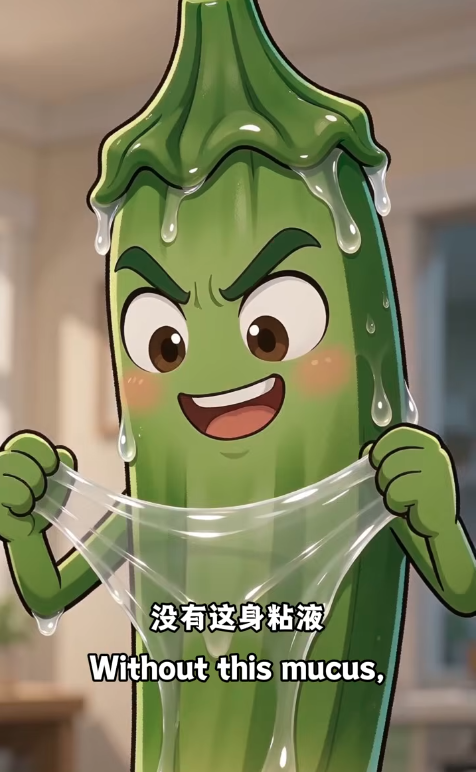
This mucilage contains various water-soluble compounds, including polysaccharides and pectin. After absorbing water, these substances create okra’s distinctive thick and slippery texture.
So, the sliminess of okra is not a sign that something is wrong. It is a normal result of the plant’s natural structure and composition.
Where Does the Sliminess in Yam Come From?
Yam also quickly develops a slippery coating after it is cut open.
This is similarly related to polysaccharides and other water-soluble substances naturally present inside the yam.
When yam cells are cut or damaged, their internal contents are released and come into contact with moisture, creating the slippery texture you can feel on the surface.
That is also why freshly peeled yam can sometimes feel so slippery that it is difficult to hold securely.
Why Can Handling Yam Make Your Hands Itchy?
Many people have experienced something similar when preparing raw yam:
After peeling it, their hands begin to feel itchy, prickly, or uncomfortable.
This irritation is not exactly the same thing as the slimy texture itself.
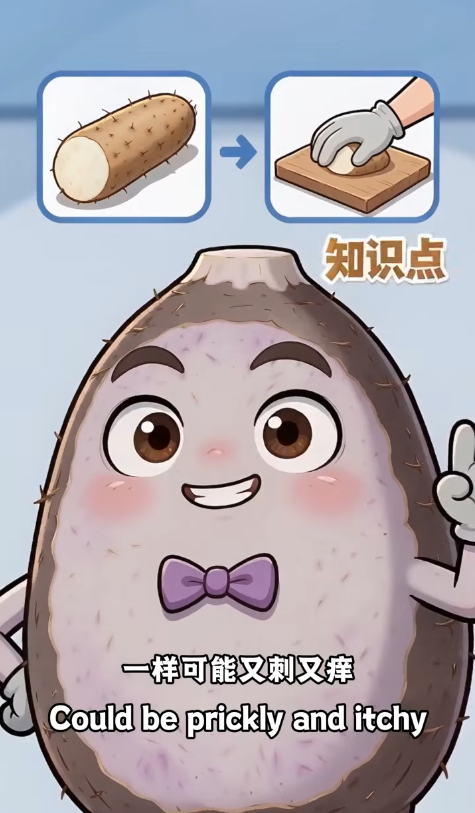
Plant tissues in yam and taro may contain irritating substances such as calcium oxalate crystals. When these substances come into direct contact with the skin, some people may experience itching, stinging, or irritation.
If your skin is sensitive, wearing kitchen gloves while handling raw yam or taro can help reduce direct contact.
If noticeable irritation develops and continues, avoid repeatedly scratching the area and wash the affected skin thoroughly.
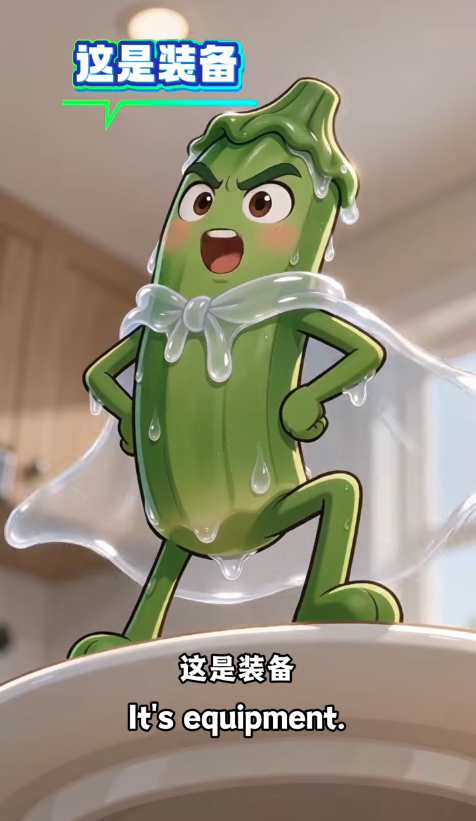
Slimy Doesn’t Mean Dirty or Spoiled
When it comes to food, people often associate “slippery” or “sticky” textures with spoilage.
But for foods such as yam and okra, natural mucilage is simply part of their normal composition.
Just as lotus root can form strings, okra can feel slimy, and peeled yam can become slippery, different plants naturally have different structural characteristics.
Of course, if the food also develops an unusual smell, obvious decay, mold, or abnormal discoloration, that should be evaluated separately. Sliminess alone is not enough to judge freshness.
How Can You Handle These Sticky Ingredients More Easily?
If yam or taro feels too slippery or tends to irritate your skin, wearing kitchen gloves during preparation can help reduce direct skin contact.
When cutting yam, it is also a good idea to keep the cutting board and knife stable, since the slippery surface can make handling more difficult.
As for okra, there is no need to wash away all of its natural mucilage simply because it looks sticky. Normal cleaning and proper cooking are enough.
These ingredients may seem a little difficult to handle, but in reality, they simply have their own natural characteristics.
There’s Science Behind These “Slimy” Foods
Yam, okra, and taro may look like ordinary ingredients, but their sliminess, stringiness, and potential to cause skin irritation are all connected to the plants’ natural structures and chemical components.
So the next time you encounter one of these “sticky” ingredients, there is no need to assume something is wrong.
Their mucilage is not a flaw. It is simply part of the plant’s natural characteristics.
Once you understand why it happens, preparing these ingredients becomes much less troublesome.



- When Manicures Become Masterpieces: The 8,000 Yuan Debate
- 8000元「非遺級」美甲引熱議:藝術極致還是實用災難?
- 别只看个头和红色!挑选好吃苹果的实用技巧
- Why Are Yams and Okra So Slimy? What Is That Sticky Mucilage?
- 山藥、秋葵為什麼黏黏的?這些「黏液」到底是什麼?
- 你还在想怎么拿下她,而她在想怎么拿下帅哥还得让你给她掏开房的钱
- Palmbox 1.4.3 Update: A Smarter Way to Discover and Enjoy Short Dramas
- Palmbox 1.4.3 全新更新:更懂你的推薦,追劇、收藏與獎勵一次升級
- 不必奔赴影楼,普通人也能接住东方氛围感
- 爆火的超长长长长长长蛋挞:60厘米一个,热量约等于...
全部评论