The Silent Pain: Why Your Cat’s “Picky Eating” Might Be a Dental Emergency
The Hook
Is your cat suddenly refusing dry kibble or dropping food from its mouth? It might not be pickiness. A hidden, painful condition called tooth resorption affects up to 75% of senior cats, often going undetected until significant damage is done.
The Story
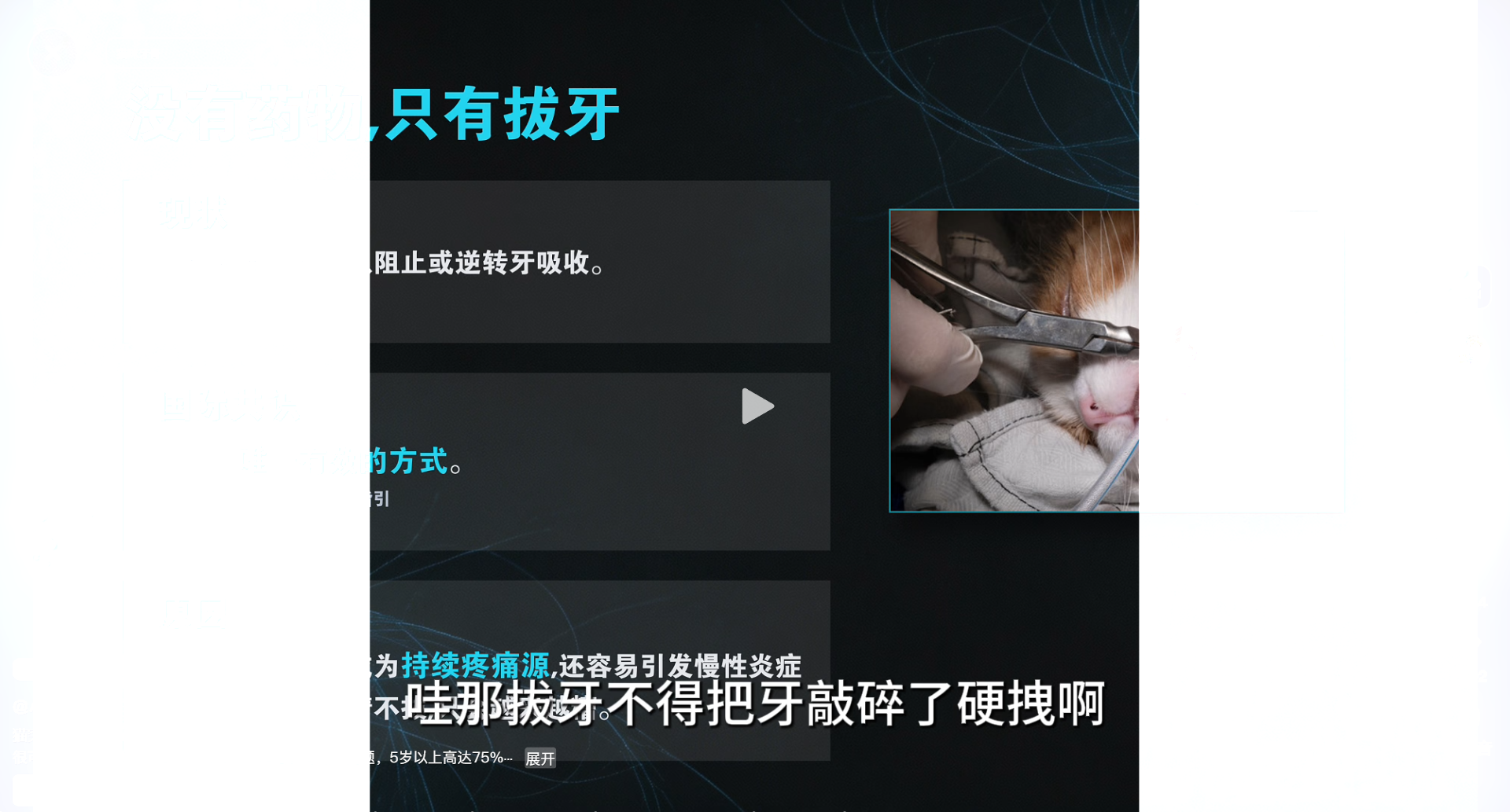
Many pet owners mistakenly attribute sudden changes in eating habits—such as preferring wet food over dry, chewing on one side, or dropping kibble—to finicky behavior. However, this could be the primary symptom of feline tooth resorption (FORL), a progressive disease where osteoclasts erroneously break down the tooth structure itself. Unlike human cavities, this “self-eating” process begins internally, leaving teeth looking healthy externally while roots dissolve.
The condition is highly prevalent, affecting 20-60% of adult cats and rising to 75% in those over five years old. Breeds like Siamese and Persians are at higher risk, as are cats with chronic inflammation like gum disease. Diagnosis requires full-mouth dental X-rays under anesthesia, as visual exams miss over 64% of cases. There is no cure; extraction is the only effective treatment. While anesthesia carries risks, untreated pain leads to severe health decline. Post-extraction, cats typically recover quickly, returning to normal eating habits within weeks, proving that early detection saves both suffering and cost.

The Voices
01. The Misinterpretation of “Picky” Behavior
“My cat crunches loudly but drops crumbs everywhere. I thought it was just messy eating.”
“It suddenly only eats specific kibble sizes. Is it the food brand or something else?”
Think Tank Insight: Owners often normalize behavioral quirks that signal pathology. The distinction between genuine preference and pain-avoidance is subtle, leading to delayed veterinary visits and prolonged animal suffering.
02. The Debate on Preventive Care vs. Genetic Fate
“Brushing is the only way! Ignore all those dental treats and gels.”
“If it’s genetic, brushing won’t stop it. My cat had teeth pulled despite perfect hygiene.”
Think Tank Insight: This reflects a tension between actionable preventive measures and perceived inevitability. While brushing reduces plaque-induced inflammation, the genetic component of FORL creates a sense of helplessness among some owners, complicating adherence to care routines.
03. Anesthesia Anxiety and Financial Burden
“Full anesthesia every year for checkups is too risky and expensive for most families.”
“I paid $1000+ for extractions. The recovery was hard, but my cat is finally happy.”
Think Tank Insight: Cost and fear of anesthesia act as significant barriers to diagnosis. Owners weigh the immediate financial and medical risks against the long-term welfare of their pets, often resulting in reactive rather than proactive healthcare decisions.
Word Cloud
| Sentiment Dimension / Observation Lens | Group Consensus Share |
|---|---|
| The Misinterpretation of “Picky” Behavior | 40% |
| The Debate on Preventive Care vs. Genetic Fate | 35% |
| Anesthesia Anxiety and Financial Burden | 25% |
The Truth
Data Summary: Comments reveal a strong correlation between owner confusion regarding eating habits and anxiety about treatment costs/safety, with prevention debates dominating the discussion landscape.
Observer's Takeaway: The collective mood is one of retrospective realization mixed with proactive concern. Many owners express guilt for missing early signs, interpreting pain as personality traits. The controversy over brushing efficacy highlights a gap in public understanding of multifactorial diseases. Ultimately, the discourse underscores a critical need for accessible, non-invasive screening alternatives and clearer communication about the manageable nature of post-extraction life, shifting the narrative from fear of surgery to relief from silent pain.
- AI画出双头虾,出图后到底该检查什么?
- 凉土豆能减肥?先看看土豆的细胞
- New Microscope Slides: Four Ways to See Life
- 顯微鏡標本上新:四個看見生命細節的起點
- The Pig Paradox: High Intelligence, Low Self-Esteem
- 豬的聰明與悲歌:當高智商遇上餐桌,我們該如何自處?
- The Silent Pain: Why Your Cat’s “Picky Eating” Might Be a Dental Emergency
- 貓咪「挑食」竟是牙根被吃空?揭開高隱蔽性牙吸收病,別讓毛孩默默忍痛
- The Paradox of Pet Birds: Legal Ambiguity and the Rise of the Monk Parakeet
- A Barber Communication Card Is the Next Planned Feature
全部评论