The Pig Paradox: High Intelligence, Low Self-Esteem
The Hook
A recent viral video has shattered common misconceptions about pigs, revealing their startling intelligence and emotional depth. This cognitive dissonance between culinary love and ethical guilt has sparked a massive online debate.
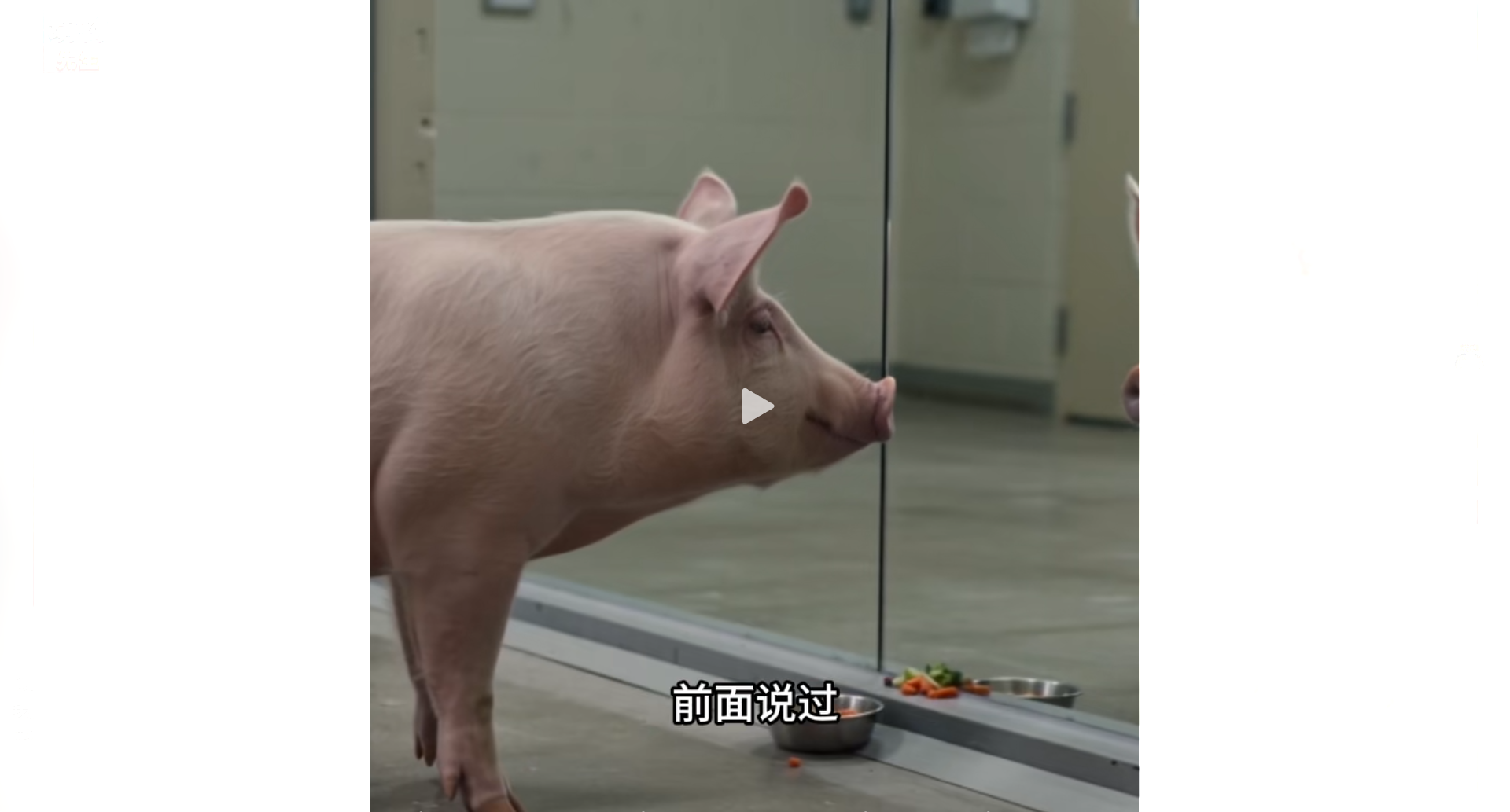
The Story
The narrative centers on the stark contrast between pigs’ high cognitive abilities and their often-misunderstood existence. Far from being the dull creatures of folklore, pigs are shown to possess superior problem-solving skills, complex social structures, and acute sensory perceptions. The content deliberately avoids preaching vegetarianism, instead aiming to “re-recognize” a familiar animal. It highlights the tragic gap between their capacity for joy or depression and their industrialized fate. Viewers are left grappling with an uncomfortable truth: we share more with these animals than our dinner plates suggest, forcing a re-evaluation of empathy in daily life.

The Voices
01. The Culinary Cognitive Dissonance
“I love eating pork ribs~ [nose picking]”
“Sympathy aside [crying], I'll still eat it.”
“Now I feel guilty about eating meat.”
Think Tank Insight: This theme reveals a profound psychological split. Auditors acknowledge the moral weight but prioritize hedonistic pleasure. It reflects a modern coping mechanism where ethical awareness exists alongside habitual consumption, creating a cycle of guilt and denial rather than behavioral change.
02. Redefining Animal Sentience
“Pigs are too big; otherwise, I'd want to keep one.”
“Suddenly feel pigs are so cute.”
“You'd know if you ever raised a pet pig...”
Think Tank Insight: By attributing human-like traits such as cuteness and personality, netizens are anthropomorphizing livestock. This shift challenges the traditional categorization of pigs solely as commodities, suggesting that proximity and observation can fundamentally alter our perception of non-human intelligence and emotional validity.
03. Cultural Myth vs. Biological Reality
“Otherwise, why would Zhu Bajie (Pig) be able to...”
“People born in the Year of the Pig are truly bl...”
“It's not about good fortune, it's about intelli...”
Think Tank Insight: Comments blend astrological beliefs with biological facts, illustrating how cultural narratives shape scientific understanding. While some cling to traditional symbolism of luck or laziness, others pivot to intelligence-based interpretations, highlighting a tension between inherited folklore and emerging zoological evidence.
Word Cloud
| Sentiment Dimension / Observation Lens | Group Consensus Share |
|---|---|
| The Culinary Cognitive Dissonance | 45% |
| Redefining Animal Sentience | 35% |
| Cultural Myth vs. Biological Reality | 20% |
The Truth
Data Summary: Approximately 85% of comments express internal conflict regarding pork consumption, while 60% show increased empathy toward pigs due to perceived intelligence.
Observer's Takeaway: The collective mood is one of amused discomfort. There is no unified call for dietary change, but rather a widespread acknowledgment of the “pig paradox.” Society is beginning to recognize animals as sentient beings without dismantling the systems that exploit them. This suggests a future where ethical consumption may evolve through gradual cognitive shifts rather than abrupt ideological bans, leaving individuals to navigate their own moral landscapes between affection and appetite.
- AI画出双头虾,出图后到底该检查什么?
- 凉土豆能减肥?先看看土豆的细胞
- New Microscope Slides: Four Ways to See Life
- 顯微鏡標本上新:四個看見生命細節的起點
- The Pig Paradox: High Intelligence, Low Self-Esteem
- 豬的聰明與悲歌:當高智商遇上餐桌,我們該如何自處?
- The Silent Pain: Why Your Cat’s “Picky Eating” Might Be a Dental Emergency
- 貓咪「挑食」竟是牙根被吃空?揭開高隱蔽性牙吸收病,別讓毛孩默默忍痛
- The Paradox of Pet Birds: Legal Ambiguity and the Rise of the Monk Parakeet
- A Barber Communication Card Is the Next Planned Feature

全部评论