Why Is Hong Kong Milk Tea So Bitter? How Is “Silk Stocking” Milk Tea Different from Bubble Tea?
Why Does Hong Kong Milk Tea Taste So Bitter at First?
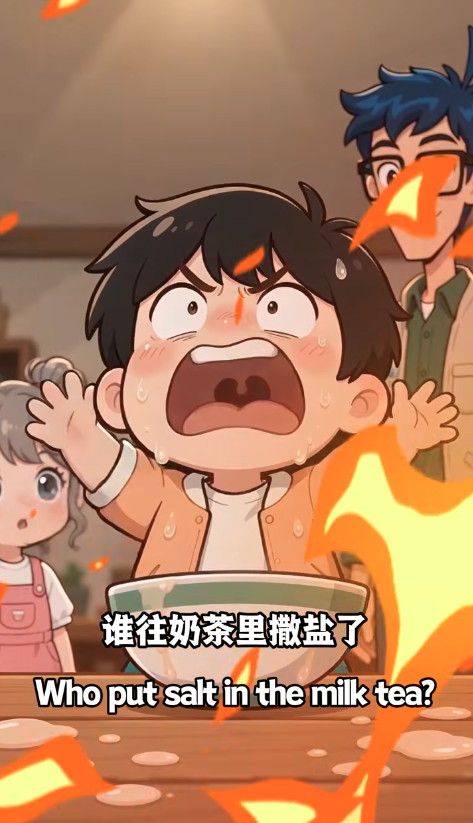
For many people trying Hong Kong milk tea for the first time, the first reaction may not be “sweet.”
It may be:
Why is this so bitter?
Compared with many modern drinks that emphasize sweetness and milkiness, Hong Kong milk tea usually has a much stronger tea flavor.
It is not simply made by adding lots of sugar and milk. Instead, the drink focuses on balancing strong tea, rich milk, and a slightly bitter finish.
So if you are more used to bubble tea, cheese foam tea, or fruit tea, traditional Hong Kong milk tea may initially feel “too strong” or “too bitter.”
But for people who love it, that deep tea flavor is exactly what makes Hong Kong milk tea so distinctive.
Where Does the Bitterness in Hong Kong Milk Tea Come From?
The strong flavor of Hong Kong milk tea is closely related to the way the tea is brewed.
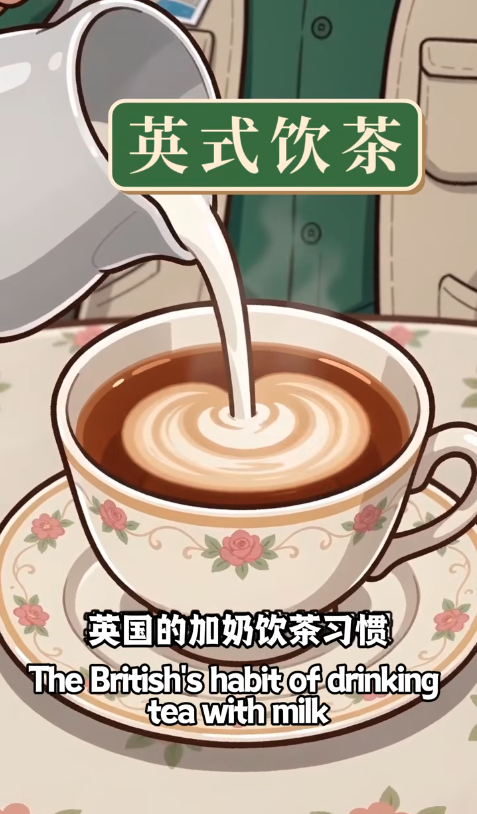
Traditional Hong Kong milk tea often uses a blend of several black teas and is brewed at a relatively high concentration to create a deeper aroma, darker color, and fuller body.
Tea polyphenols and other naturally occurring compounds can also contribute to bitterness and astringency.
But this bitterness is not necessarily a flaw.
Once the strong tea is combined with evaporated milk and the right amount of sugar, the bitterness of the tea, the smoothness of the milk, and the sweetness begin to balance each other.
That is why a good cup of Hong Kong milk tea is not simply about making it sweeter.
The ideal balance is:
strong tea, smooth milk, and enough sweetness without covering up the tea aroma.
Does “Silk Stocking Milk Tea” Really Use Stockings?
When people talk about Hong Kong milk tea, one of the most famous names is:
Silk stocking milk tea.
But does it really involve actual stockings?
No.
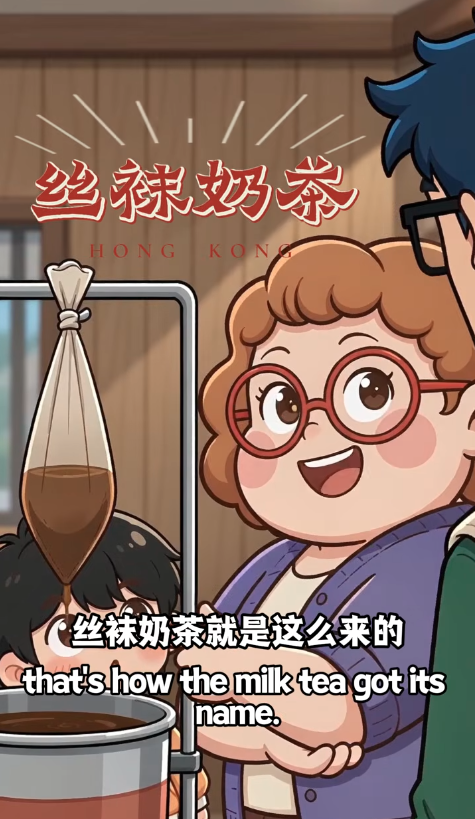
Traditional Hong Kong milk tea is filtered through a fine cloth bag or strainer during brewing.
After repeated use, the filter becomes stained dark brown by the strong tea. Its appearance reminded people of a stocking, which is how the nickname “silk stocking milk tea” gradually became popular.
Today, the name has become one of the most memorable parts of Hong Kong milk tea culture.
Why Is Hong Kong Milk Tea Pulled Back and Forth?
When watching traditional Hong Kong milk tea being prepared, you may notice the tea being poured repeatedly between containers.
This is not just for show.
Repeated pulling allows the tea to move through the filter several times, helping separate tea particles and create a smoother, more even texture.
It also helps the tea mixture become more consistent before the milk is added.
This repeated straining and pulling process is one of the most recognizable techniques associated with traditional Hong Kong milk tea.
So even though a cup of milk tea may look simple, there is actually quite a bit of technique behind it.
What Is the Difference Between Hong Kong Milk Tea and Taiwanese Milk Tea?
People often use “milk tea” as one broad category, but Hong Kong-style and Taiwanese-style milk teas are quite different.
Hong Kong milk tea puts much more emphasis on the tea base.
The tea is generally stronger, richer, and more noticeable, even after evaporated milk is added.
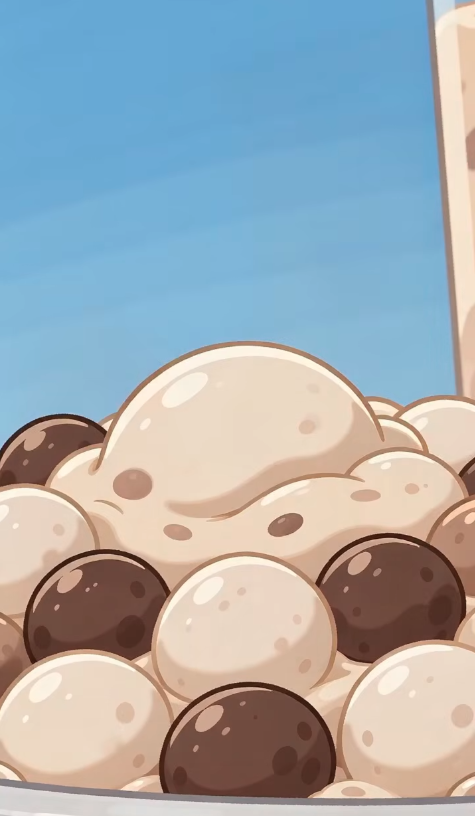
Taiwanese milk tea, especially bubble tea, tends to place more emphasis on sweetness, milkiness, and toppings.
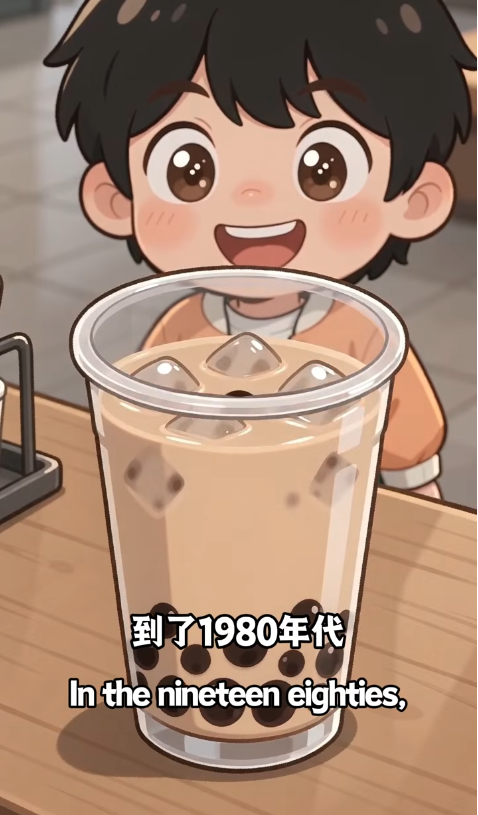
Tapioca pearls, coconut jelly, pudding, grass jelly, and other toppings transformed milk tea from a simple drink into something you can also chew.
That is why the video jokingly sums it up as:
Milk tea entered the era of “drinks you can chew.”

Bubble Tea Changed the Way People Experience Milk Tea
The rise of bubble tea changed milk tea culture in a major way.
Traditional Hong Kong milk tea is more like a drink to sip slowly and appreciate for its tea aroma and richness.
Bubble tea adds chewy tapioca pearls, turning drinking into a more interactive experience.
Then came even more toppings:
tapioca pearls, cheese foam, pudding, grass jelly, taro balls, and more.
Sweetness levels, ice levels, toppings, and even tea bases can now be customized.
Milk tea gradually changed from a relatively fixed beverage into a highly personalized drink category.
Traditional Hong Kong Milk Tea Wasn’t Replaced — There Are Just More Choices Now
As modern milk tea became more popular, some people began to wonder:
Has traditional Hong Kong milk tea become outdated?
Not at all.
Traditional Hong Kong milk tea still has a very distinct identity and a loyal audience.
The rise of new-style milk tea does not mean older drinks have to disappear.
Today, you can enjoy a strong, tea-forward Hong Kong milk tea or choose a modern drink loaded with pearls, cheese foam, and creative toppings.
Different drinks simply serve different preferences.
That is often how food culture evolves:
new choices are added rather than old ones being completely replaced.
Hong Kong Milk Tea or Bubble Tea — Which Side Are You On?
If you enjoy strong tea aroma, slight bitterness, and rich milkiness, traditional Hong Kong milk tea may be more your style.
If you prefer sweeter drinks, chewy toppings, and more variety, bubble tea and modern milk tea may suit you better.
There is no need to decide that one is more “authentic” or more “premium” than the other.
One is built around the classic pairing of strong tea and evaporated milk.
The other is built around pearls, toppings, customization, and constant innovation.
Milk tea has stayed popular partly because it has never stopped changing.
So in the end, there is really only one question:
Strong and slightly bitter Hong Kong milk tea, or chewy bubble tea — which side are you on?
- Why Mosquitoes Haven't Evolved to Bite Silently
- Why Is Hong Kong Milk Tea So Bitter? How Is “Silk Stocking” Milk Tea Different from Bubble Tea?
- 港式奶茶為什麼這麼苦?「絲襪奶茶」和珍珠奶茶到底有什麼不同?
- When the Fiancée Is a Snake: AI Anime Sparks Debate on Gender Roles and Absurd Romance
- AI漫劇《末世靈蛇》爆紅:跨物種甜寵引發性別雙標與倫理熱議
- AI Auctions Spark Debate: Is 'Doubao' the Ultimate Schemer?
- AI末世競拍現「心機豆」?人性測試揭開演算法背後的生存博弈
- The Rise of the AI "Evil Cultivator": A New Era of Digital Content Creation
- AI短劇「邪修」教程爆紅?網民質疑:真有人免費教賺錢秘訣?
- Can AI-Designed Supercars Outshine Legacy Brands?
全部评论