Lettuce Is 96.7% Water — What That Means for Nutrition
Lettuce is 96.7% water — more than a watermelon. Diet circles call it "sliced water" (cucumber is the "stick version"). Yet it stays the default green for children: no bitter taste, a crunch kids actually accept.
| Vegetable | Water per 100g |
|---|---|
| Lettuce | 96.7% |
| Cucumber | 95.8% |
| Tomato | 95.2% |
| Napa cabbage | 94.4% |
| Eggplant | 93.4% |
| Broccoli | 91.6% |
| Bell pepper | 91.5% |
| Choy sum | 91.3% |
Data source: China Food Composition Tables.
Where Lettuce Ranks: Fiber, Carotene, Calcium
Parents worry about fiber, vitamin A, folate, vitamin C, calcium, magnesium and potassium — and lettuce ranks last among leafy greens on the three most-checked ones: fiber 0.7g, carotene 26μg, calcium 14mg per 100g.
| Vegetable | Fiber (g/100g) | Carotene (μg/100g) | Calcium (mg/100g) |
|---|---|---|---|
| Sweet potato leaves | 2.8 | — | — |
| Spinach | 1.7 | 2,920 | — |
| Green amaranth | 2.2 | 2,110 | 178 |
| Shepherd's purse | — | 2,590 | 294 |
| Choy sum | — | — | 96 |
| Lettuce | 0.7 | 26 | 14 |
Data source: China Food Composition Tables.
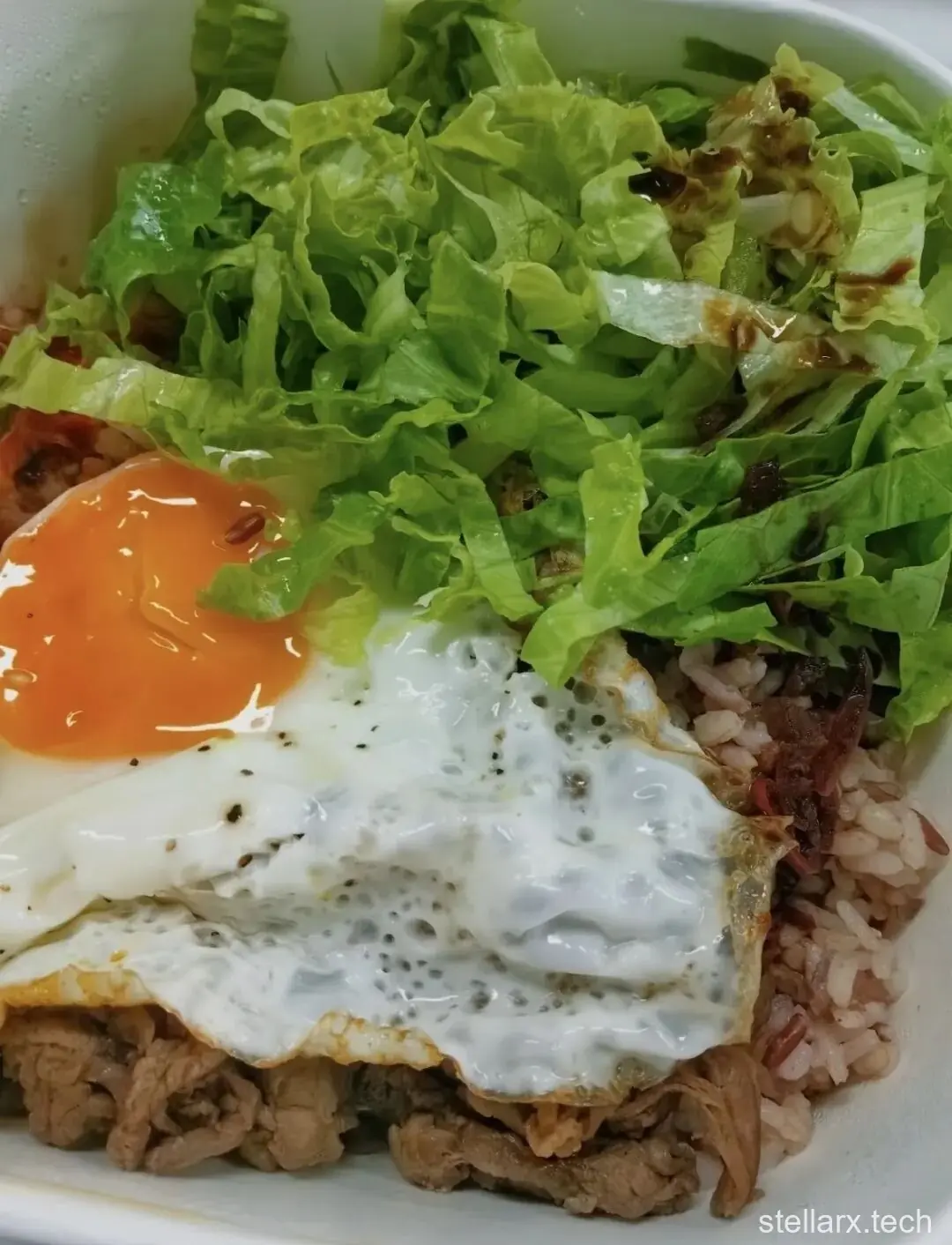
The 1,429g Problem
The Chinese Dietary Reference Intakes (2023) set fiber AI at 5–10g/day for ages 1–3 and 10–15g for ages 4–6; a 3-year-old needs about 10g. If lettuce alone covered that, the child would eat 1,429g — close to 3 pounds — an extreme example, yet a stark one.
Same 10g of fiber, very different portions: sweet snap peas 147g, sweet potato leaves 357g, green amaranth 455g, cauliflower 476g, okra 556g, spinach 588g, napa cabbage 1,111g — lettuce needs 1,429g.
Note: this extreme number is just a calculation, not a real diet — values from China Food Composition Tables.
A small child's stomach is small. Feed it 3 pounds of lettuce and nothing else fits — which is why the first principle of the Chinese Dietary Guidelines (2022) is variety: no single food carries all nutrients, and reasonable mixing is what supports growth.
Lettuce Isn't the Enemy
None of this makes lettuce a "bad vegetable." It is one of the few leafy greens that many children will actually eat, and a willing child is a kind of nutritional victory on its own.
For children with poor appetite or weight management needs, lettuce's high water, low calorie density, big volume and strong satiety are genuine assets. The rule is placement, not prohibition: lettuce should not be more than one third of the vegetable portion.
The 1+1+1 Rule
The dietitian's practical fix: one child-friendly low-density vegetable (lettuce counts), one dark-colored vegetable, one mushroom — pick one from each column every day.
| Pick one | Category | Examples |
|---|---|---|
| 1 | Low-density but child-loved | Lettuce, winter melon, cucumber |
| 2 | Nutrient-dense dark vegetables | Bell pepper, tomato, carrot, spinach |
| 3 | High-fiber savory mushrooms | Shiitake, enoki, black wood ear, oyster mushroom, white mushroom, king oyster |
The guidelines also recommend 4 servings of fruits and vegetables a day, and at least 10 different varieties across the week.
Higher-Fiber Swaps
If the goal is fiber and the child dislikes fibrous greens, switch food groups. Mushrooms and whole grains and legumes outperform most leafies.
Mushrooms (fresh): shiitake 3.3, enoki 2.7, black wood ear (rehydrated) 2.6, oyster mushroom 2.3, white mushroom 2.1, king oyster 2.1g/100g.
Grains: buckwheat 6.5, quinoa 6.5, oats 6.0, black rice 3.9, fresh corn 2.9, highland barley 1.8g/100g.
Legumes (dried): soybeans 15.5, fava beans (with skin) 10.9, black beans 10.2, white kidney beans 9.8, adzuki beans 7.7, mung beans 6.4g/100g.
Data source: China Food Composition Tables.
Lettuce is not the villain of the dinner table. It is just water dressed as a vegetable — delicious, harmless, and in the right company. What matters is not the single leaf but the week: four servings a day, ten varieties a week, and a plate where the low-density green is one player, not the whole lineup.
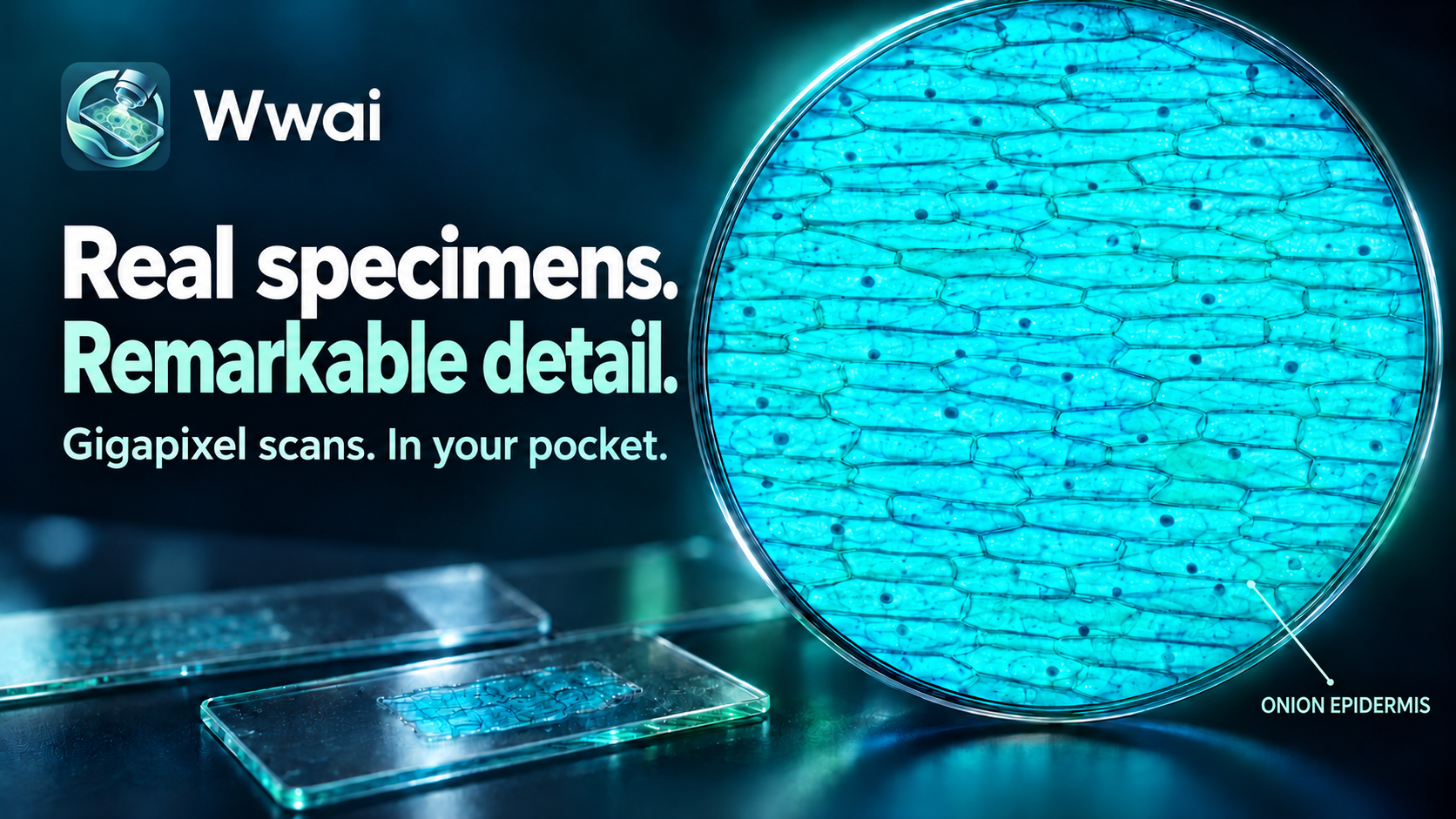
Every one of those cells is invisible to the naked eye — the cell wall, the nucleus, the huge central vacuole that is literally the water tank of a plant. Want to see what "sliced water" looks like at cell level? Just search "WWAI" in your app store and observe an onion epidermis specimen under a virtual microscope, where the cell wall, nucleus and large central vacuole are clearly visible.
Related reading

Fiber and Constipation: Vegetables vs Peanuts

Pepino Melon: The Sweet Low-Calorie Fruit That's 94% Water

Pomelo: The Low-Calorie Fruit That Fills You Up
References
Chinese Nutrition Society. Dietary Guidelines for Chinese Residents (2022). Beijing: People's Medical Publishing House, 2022.
National Institute for Nutrition and Health, China CDC. China Food Composition Tables, Standard Edition, 6th ed. Vol. 1–2. Peking University Medical Press, 2018–2019.
USDA Agricultural Research Service. FoodData Central / Food Composition Databases.
Chinese Nutrition Society. Chinese Dietary Reference Intakes (2023). Beijing: People's Medical Publishing House, 2023.
- 生菜 96.7% 是水!營養密度為何在葉菜墊底
- Lettuce Is 96.7% Water — What That Means for Nutrition
- 辣椒素入肺:一場辣椒廠大火為何讓全城咳嗽
- Capsaicin in the Air: Why a Chili Fire Made a City Cough
- Do Sodas Weaken Your Bones? The 3 Bone-Breaking Drinks
- 碳酸飲料會傷骨嗎?三種傷骨水要少喝
- 欖仁葉掉滿地,黑水缸裡藏著什麼?
- 鱷魚餓十個月不瘦,孩子問為什麼時別急著給答案
- Myth Meets Reality: Can the Kraken Rule Modern Oceans?
- 克拉肯穿越現代海洋?網友:兩腳獸一鍋燉,虎鯨才是真正話事人
全部评论