Is Plague Still Deadly? The Science of Modern Plague
In early October 2026, a female employee of the Anti-Plague Institute in Irkutsk, Siberia, died after being hospitalized with severe pneumonia. Early media reports suggested possible lab exposure to pneumonic plague. Russian officials called it "pneumonia of unknown cause" — a "highly contagious disease," a "rare imported infection" — but never, in public statements, used the word plague. The United States urged its citizens in Russia to leave or enter a 14-day quarantine.
The word "plague" still carries six centuries of terror. But what does the science actually say?
What the plague actually is
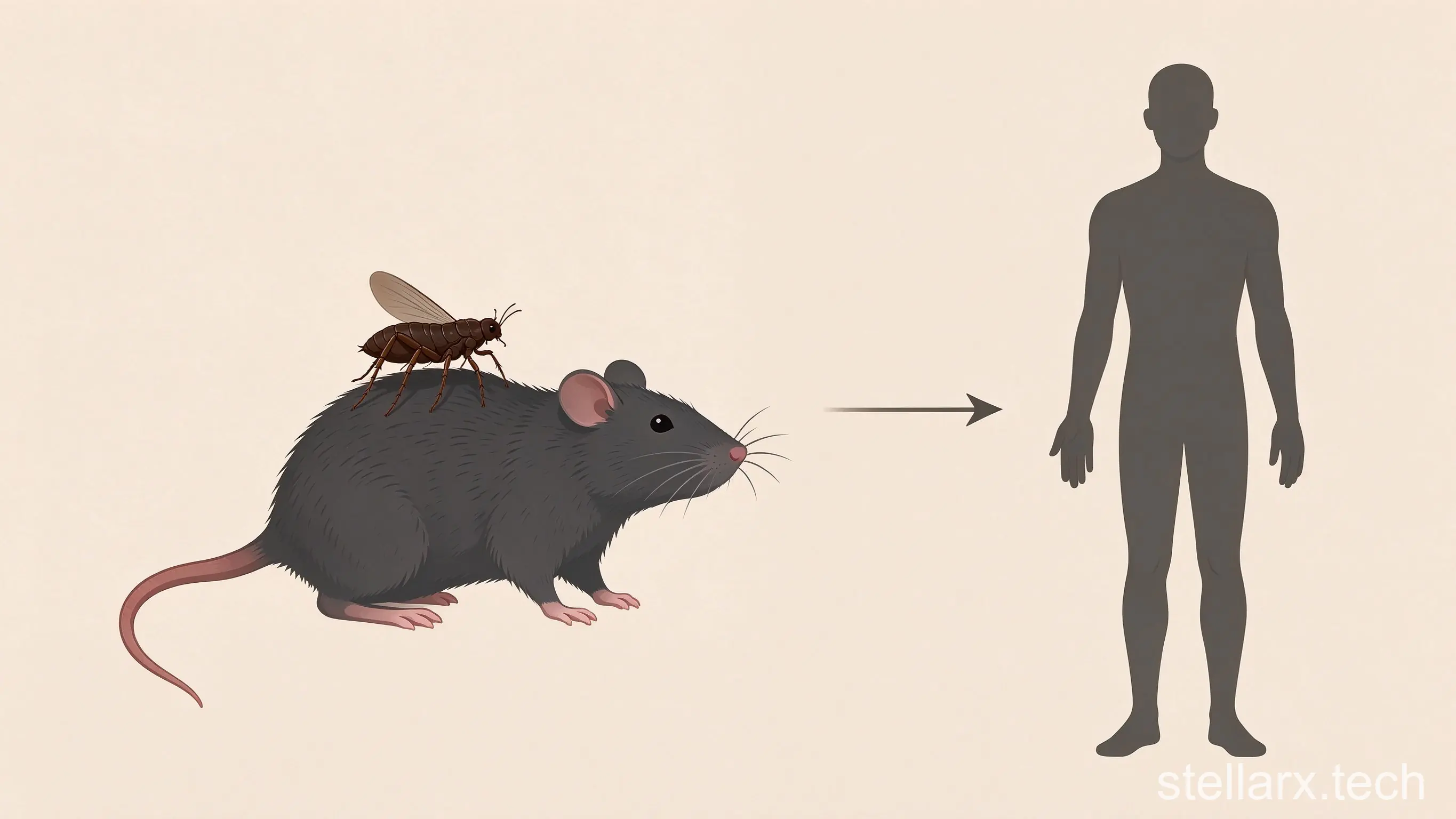
Plague is caused by Yersinia pestis, a short, plump Gram-negative rod that stains darker at both poles under the microscope. It circulates in rodents — especially rats — and is carried to humans by infected fleas. The disease takes three main forms:
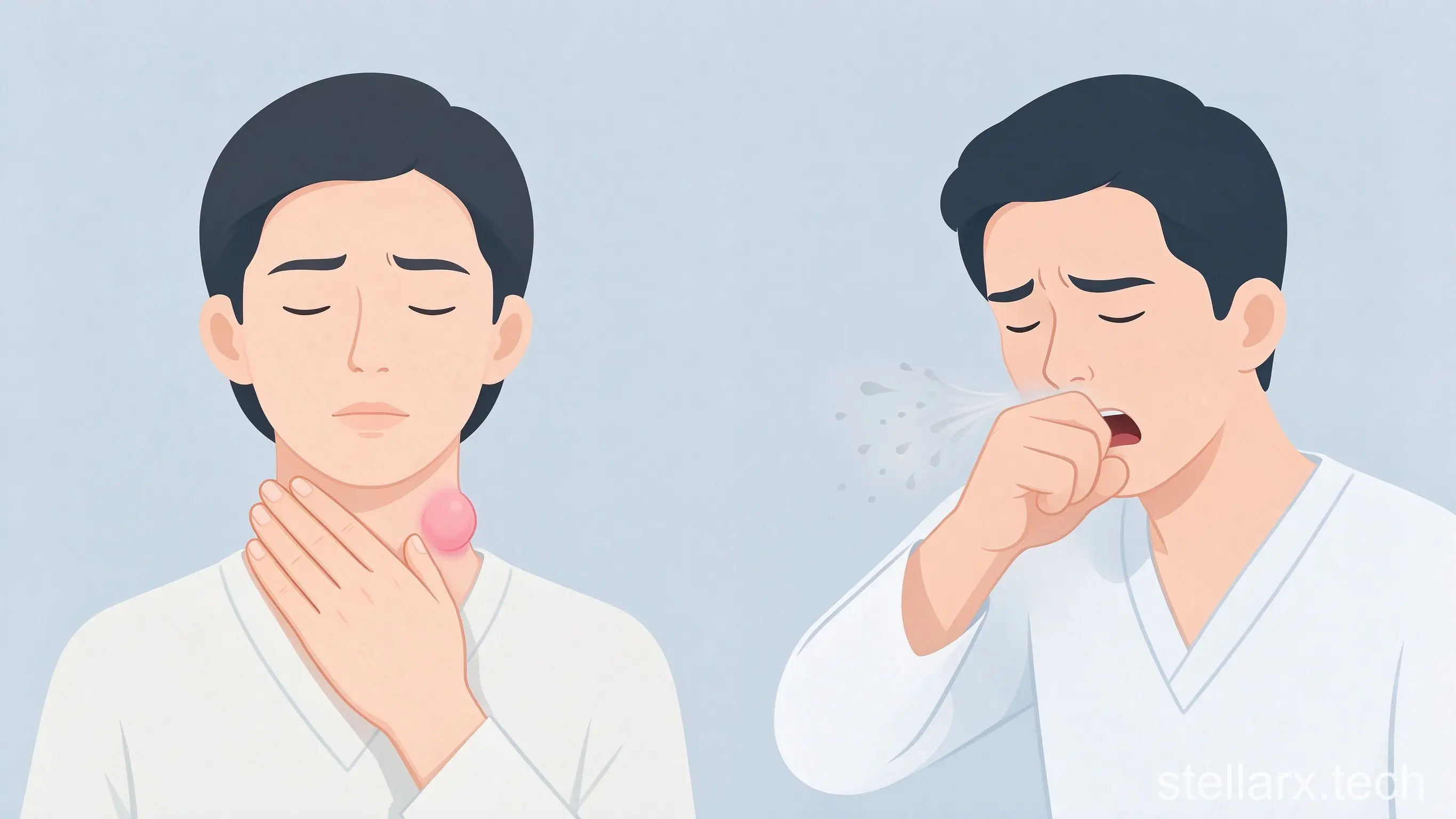
Bubonic plague — flea bite; bacteria reach the lymph nodes, which swell into painful buboes (often in the neck, armpit or groin).
Pneumonic plague — bacteria in the lungs; the only form that spreads person to person, via infectious droplets when a patient coughs.
Septicemic plague — bacteria in the bloodstream; rare but the most severe.

Historically, bubonic plague caused the Black Death, which killed tens of millions across 14th-century Europe. That is the image "plague" still conjures — a mass grave, a hooded doctor with a beaked mask.
In the 21st century, plague is treatable
The most important fact about plague today: it is a curable disease. With antibiotics, even in Madagascar and the Democratic Republic of the Congo — two of the poorest countries where plague still circulates — fewer than one in five patients dies. Untreated, bubonic plague kills far more; treated, it drops to a fraction of that.
According to WHO data, the world recorded 3,860 suspected plague cases between 2019 and 2025. Madagascar and the DRC alone accounted for 97.7% of confirmed cases and 87.7% of suspected cases worldwide. And even there, outbreaks are contained after they flare — they do not burn indefinitely across whole regions.
| Plague surveillance, 2019–2025 (WHO) | Figure |
|---|---|
| Suspected plague cases reported worldwide | 3,860 |
| Madagascar + DRC share of confirmed cases | 97.7% |
| Madagascar + DRC share of suspected cases | 87.7% |
| Patient deaths in Madagascar & DRC (antibiotic era) | Fewer than 1 in 5 |
Why pneumonic plague can't break a modern health system
The scary-sounding form — pneumonic plague — has a short incubation period and actually spreads poorly. A patient becomes too sick to move around easily, and the window for infecting others is brief. The pathogen cannot punch through a modern state's surveillance, testing and contact-tracing network. Even the DRC — a country with a weak health system — has never reignited a medieval-scale Black Death since the antibiotic era began.
So there is no good reason to think plague would spiral out of control in Russia, a country with a functioning (if strained) health apparatus.
What actually happened in Irkutsk — the timeline
What did happen is a textbook case of how opacity, not the pathogen, causes panic.
2 October 2026 — An employee of the Irkutsk Anti-Plague Institute dies after hospital treatment for severe pneumonia. Early media reports suspect laboratory exposure to pneumonic plague.
Russian official line — Officials call it pneumonia of unknown cause, a "highly contagious disease," or a "rare imported infection." State media avoid the word plague entirely. One questionnaire handed to residents was headed "Checklist for suspected high-risk infectious disease (plague)," listing fever and chest pain — while staff told residents only that a "new virus" required extra precautions.
Official denials — On 7 October, TASS denied any spread, declaring the "epidemiological risk to the public is zero." Rospotrebnadzor said over 90% of contacts had completed medical observation, nearly 5,000 lab tests found no dangerous pathogen, and only two COVID-19 and two rhinovirus cases were detected among contacts.
WHO pressure — WHO Director-General Tedros Adhanom Ghebreyesus publicly pressed Russia, under the International Health Regulations, for full reporting. Russia responded that "no plague cases have been registered." WHO asked for further information, including on media reports of a second lab worker with pneumonia.
International reaction — Thailand's immigration bureau warned its staff; EU member states scheduled a health-security meeting for Wednesday; US Secretary of State Marco Rubio urged Russia to share information, calling speculation "irresponsible."
The real risk, in plain words
Strip away the unreliable conspiracy theories — a leaked bioweapon is the least supported explanation — and plague in Russia poses little direct threat to the wider public, including in China. Modern plague is not medieval plague. The genuine danger was never the bacterium; it was the wall of silence. When authorities refuse to name the disease, every other country and every international organization is left asking: what are you hiding?
Public health runs on transparency. In 2026, the science of plague is settled and reassuring. The politics of reporting it is where the risk lives.
Want to see what a Gram-negative rod like Yersinia pestis actually looks like under a microscope? WWAI's virtual specimen of Bordetella pertussis — the whooping-cough bacillus, another short Gram-negative rod — lets you zoom in on the bipolar-stained rod shape up close. Search WWAI in your app store and look up the specimen.

Related reading

The Trojan Horse Strategy of Yersinia pestis

Mercury in 'Baby Cod': A Toddler's Label Trap

Dolphin Makes Fish Vomit to Steal Food
References:
[1] WHO. Weekly Epidemiological Record WER 101-38 — global plague surveillance data 2019–2025. https://www.who.int/publications/journals/weekly-epidemiological-record/wer101-38
[2] CNN, 6 Oct 2026 — "Russian plague outbreak: what we know." https://edition.cnn.com/2026/10/06/world/russian-plague-outbreak-what-we-know-intl
[3] Tedros Adhanom Ghebreyesus, statement on X — WHO verification request to Russia under the International Health Regulations. https://x.com/DrTedros/status/2107591815863968121
[4] Reuters, 7 Oct 2026 — "WHO seeks details as Russia media reports a second lab worker with pneumonia." https://www.reuters.com/business/healthcare-pharmaceuticals/who-seeks-details-russia-media-reports-a-second-lab-worker-with-pneumonia-2026-10-07/
[5] Politico Europe — EU member states to discuss suspected plague case in health-security meeting. https://www.politico.eu/article/eu-very-closely-monitoring-suspected-plague-in-russia/
[6] Politico — Rubio urges Russia to share plague information. https://www.politico.com/news/2026/10/06/marcio-rubio-russia-plague-information-01108428
- 2026諾貝爾化學獎為何頒給不對稱合成與自催化?
- Asymmetric Synthesis & Autocatalysis: 2026 Nobel Chemistry
- 肺鼠疫是什麼?實驗室事故為何觸發 14 天隔離?
- Pneumonic Plague: Lab Exposure and the 14-Day Quarantine
- 芋泥不是芋頭泥:熱量、糖分與血糖的真相
- Is Taro Paste Healthy? The Sugar & Calorie Truth
- 男生真的别再乱搞发型了!15分钟教你打理美式前刺,颜值直接提升一个档次
- 現代鼠疫其實可治:黑死病不再是中世紀那樣
- Is Plague Still Deadly? The Science of Modern Plague
- 蛋殼有斑點能吃嗎?雀斑蛋、暗斑蛋、黴斑蛋一次看懂
全部评论