Is Taro Paste Healthy? The Sugar & Calorie Truth
Taro paste has become one of the internet's favourite "healthy-looking" toppings. It fills oatmeal cups, cakes, pastries and bubble tea, and it looks like a soft, innocent purple vegetable purée. After watching how it is actually made in a kitchen, a self-described sweet tooth who had been chasing both flavour and health for years says the same thing as every shocked observer: there may be no food more deceptive than taro paste.
Taro itself is a genuinely friendly tuber
Let's be fair to the root. Plain taro is a very reasonable food.
100 grams of taro provides only about 56–85 kcal — roughly half the calories of cooked rice — and its glycemic index sits around 50–55, which is a genuinely low GI. The Chinese Dietary Guidelines (2022) even encourage using this kind of tuber to replace part of your refined staple grains for better blood-sugar control.
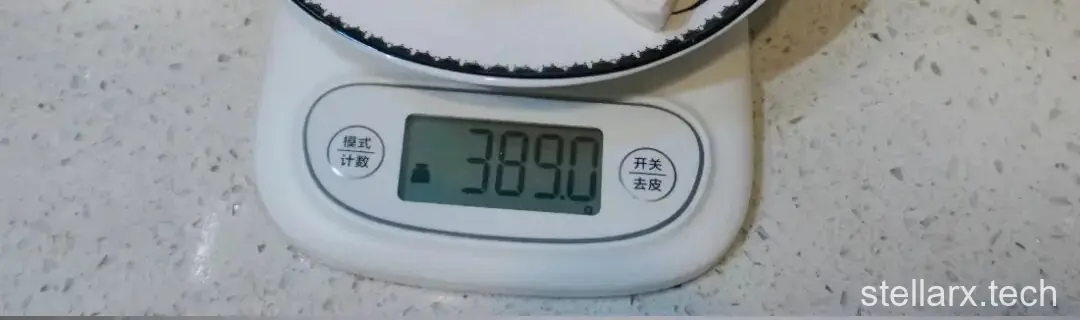
So taro the root is fine. The problem is that taro paste is not taro.
Taro paste is not taro
What people imagine: taro mashed into a purée. What is actually fed to you: taro mashed with sugar, milk, butter, cream and condensed milk.
Insiders have been saying this for years: taro paste itself has almost no taste. By the time you can taste any sweetness, an enormous amount of sugar is already in it. One sceptical author tested it at home — using a premium "Hermès of taro" cultivar (Lipu taro) — and confirmed that unsweetened taro paste tastes bland enough that even a rabbit would kick the bowl away.
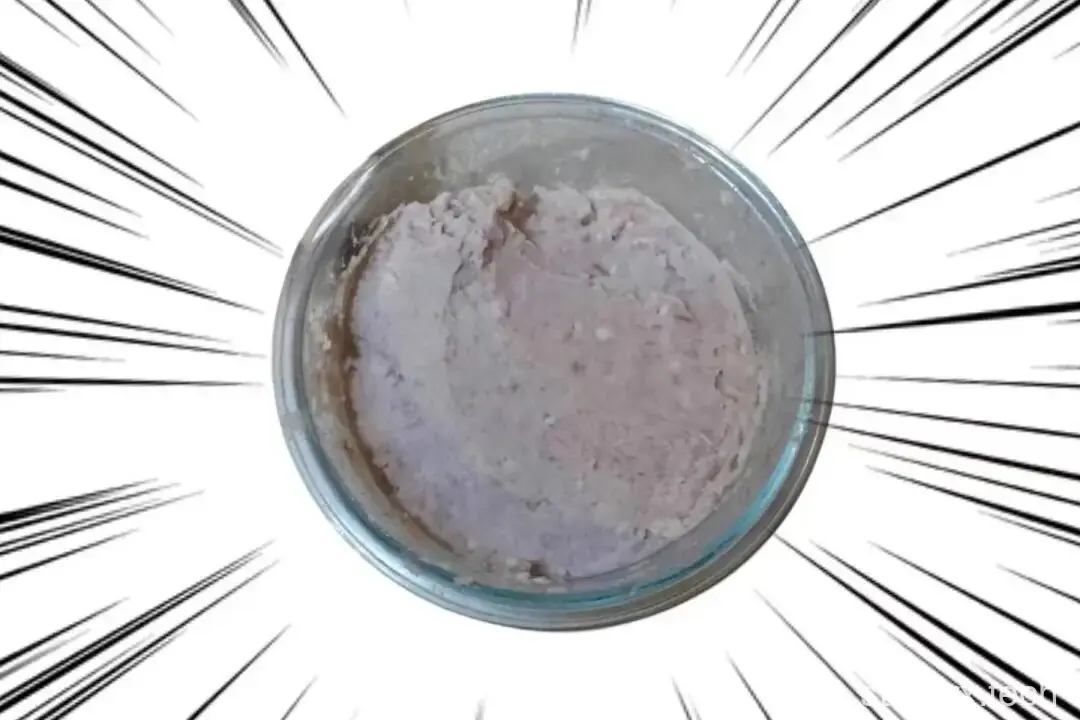
The home test: 151.7 g of paste needed 53 g of sugar
Repeated measurements gave the same result: starting from 151.7 grams of paste, the author poured in 53 grams of sugar to make it taste right. That is roughly the amount you would burn off with at least 40 minutes of running.
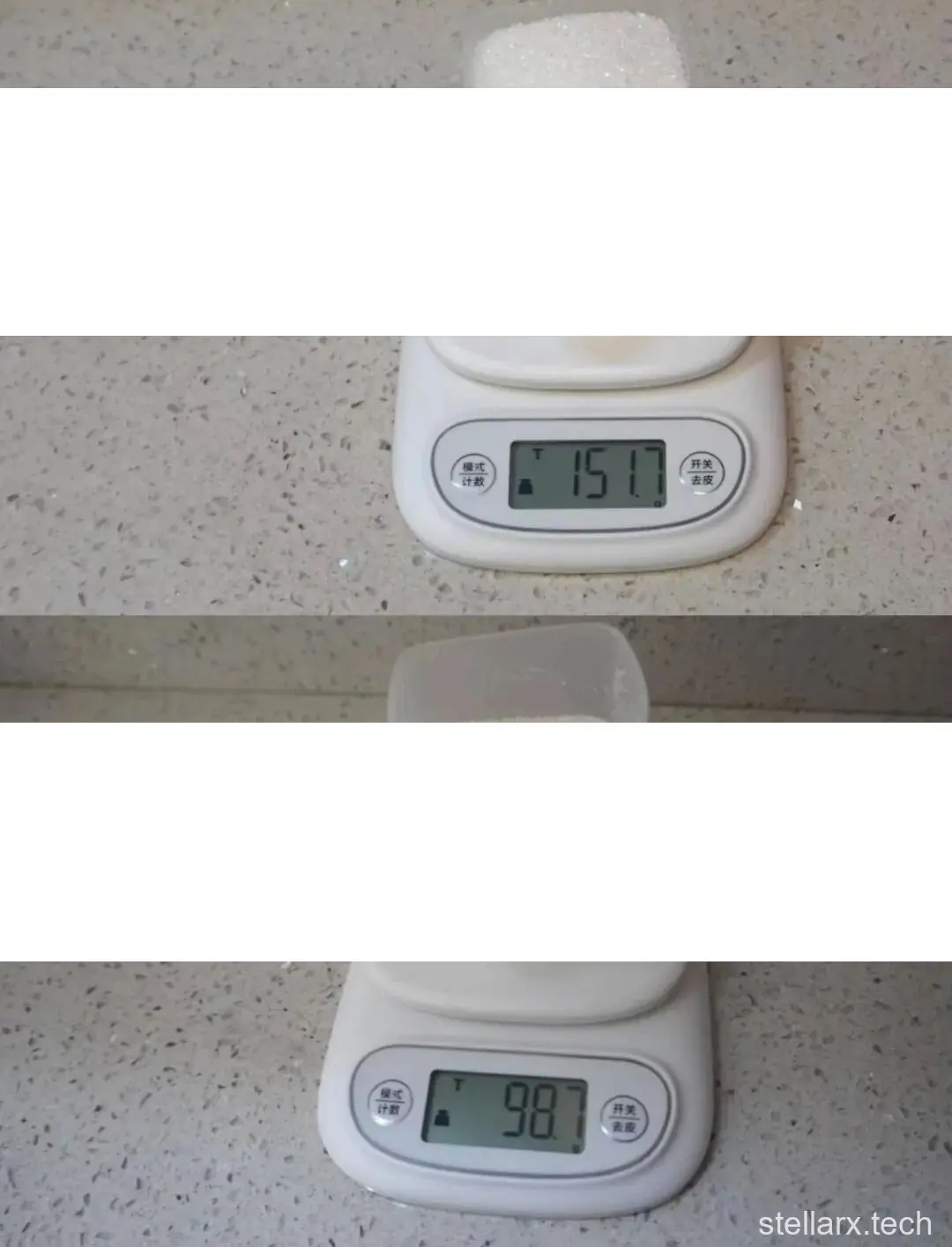
To put that in context: the Chinese Dietary Guidelines recommend keeping added sugar below 25 g per day for adults, and at most 50 g. "Added sugar" means sugar and syrups added by humans during processing — it does not include the natural sugars already inside food. A single serving of this fairly coarse, "beginner-level" paste already blows past the daily limit.
And that was the mild version. Most taro paste sold commercially follows roughly this recipe: taro 100%, sugar 10%, butter 10%, condensed milk 10%, cream 10%. Sugar and fat are stirred in, and that is exactly why it smells and tastes like a heavenly ingredient — and why it is so easy to eat far too much of it.
| Per 100 g | Steamed taro (the whole root) | Store-bought taro paste |
|---|---|---|
| Calories | 56–85 kcal (about half of cooked rice) | ≈ 230 kcal in one brand with added oil and sugar — nearly 3× the steamed root |
| Fat | ~0.2 g (negligible) | ≈ 18% fat (butter, cream and condensed milk) |
| Glycemic index | 50–55 (low GI) | No longer low — the finer the paste, the faster carbs hit the blood |
| Sugar | Natural starch only | Added sugar +10–15% (typical recipe: taro 100%, sugar 10%, butter 10%, condensed milk 10%, cream 10%) |
Taro data: China Food Composition Tables (6th ed.); the "sweet means too much sugar" rule and store recipe come from the original post by VV酱 (Dingxiang Life), medically reviewed by Liu Suiqian, clinical dietitian at Beijing United Family Hospital.
The smoother the paste, the faster blood sugar spikes
Taro paste loves to pair up with desserts, drinks and baked goods — all of which are already high in calories and fat. When paste meets them, the calorie count climbs like a rocket.
It is not entirely the paste's fault, but a dessert with taro paste can still make you gain weight faster than the same dessert without it. Part of the reason is texture: while a home cook mashes taro with a spoon, most dessert shops use blenders, food processors and "cement-mixer-like" machines. The finer the paste, the more contact area the sugar, butter and condensed milk have — and machine whipping also folds in air bubbles that spread sugar, oil and milk more evenly through the paste. The result: the smoother and silkier the paste, the faster its sugar and carbohydrates are absorbed, and the faster blood glucose climbs. Extra insulin is then secreted, pushing the body to store fat.

Calories stack up fast
One brand of taro paste with added oil and sugar hits about 230 kcal per 100 g — nearly three times steamed taro — with fat content around 18%. A 700 g extra-thick taro milk tea with mochi can reach roughly 1,600 kcal, far more than most people's daily energy needs, in a single cup.
A real blood-sugar test on taro milk tea
A Chinese blogger ("0-sugar warrior") tested a viral steamed extra-thick taro milk tea — regular cup, no extra sugar — with a glucose meter:
| Blood glucose, mmol/L | Fasting | 30 min after | 60 min after |
|---|---|---|---|
| Measured value | 5.2 | 6.8 | 10.3 |
A Chinese blogger ("0-sugar warrior") measured a viral steamed extra-thick taro milk tea, regular cup, no extra sugar. Blood glucose nearly doubled within an hour. Individual responses vary — treat as a reference, not a universal result.
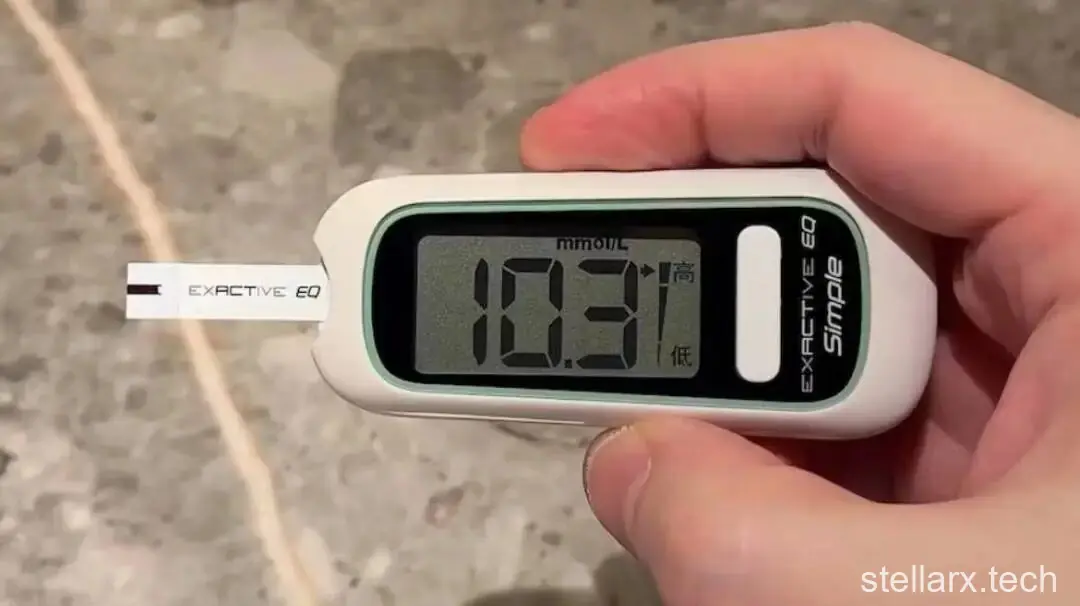
Turning solid taro into a drinkable paste is like squeezing fruit into juice: the sugar dissolves into water, there is almost no satiety, and "free sugar" runs straight into the bloodstream. Cup after cup, you barely notice.
Pre-made taro paste: ingredients you cannot see
Taro paste has one more catch: it does not keep. Fresh paste sours quickly, especially in summer, while tea shops are pressed for speed and cost. An industry insider says most chain shops now use frozen taro paste. Pre-made doesn't automatically mean bad — but many frozen pastes are sweetened with non-dairy creamer (hydrogenated vegetable oil), colourants and artificial flavours, not just sugar, butter and condensed milk. When the paste is already a smooth slurry in your mouth, you cannot tell how much of the "natural, healthy" flavour is actually artificial. And some cheap "pre-made taro paste" products circulating in the market have no food labels at all — you cannot know what sugar or oil went in.
What to do instead
You do not have to give up taro paste forever. Small adjustments help a lot:
Eat it less often, not every day.
Share one serving with a friend.
For a day or two afterwards, cut back on sugar, oil and sugar-oil combos.
Eat more fresh vegetables and fruit to send antioxidants into the body.
If you love it regularly, make a low-sugar version at home: swap in naturally sweet ingredients — sweet-potato flesh for body, purple sweet potato for colour — and you only need half a spoon of sugar. It actually tastes great.
The root-cause fix is a lower-sugar diet overall. Give it a few weeks and your tongue becomes noticeably more sensitive to sweetness; even plain taro paste with milk starts to taste sweet. That is both healthier and cheaper.
Eat what you love — just don't eat it in the dark.
Related reading

Nose & Snot: Why a Small Cavity Produces So Much

Cancer: Why a Body Without It Dies Young

Pee vs Poop: Why Holding One Is So Much Easier
References:
[1] 中国营养学会. 中国居民膳食指南(2022)[M]. 北京: 人民卫生出版社, 2022.
[2] 杨月欣. 中国食物成分表标准版(第6版第一册)[M]. 北京: 北京大学医学出版社, 2018.
[3] 中国疾病预防控制中心营养与健康所. 中国食物成分表(标准版第6版第1册): 植物性食物. 北京大学医学出版社, 2018.
Want to see what the fungus that spoils leftover starch actually looks like? WWAI's virtual specimen of Rhizopus nigricans — black bread mold, whose hyphae and spore sacs (sporangia) turn leftover bread, rice and taro paste into black fuzz — lets you zoom in on the sporangium up close. Search WWAI in your app store and look up the specimen.

- 2026諾貝爾化學獎為何頒給不對稱合成與自催化?
- Asymmetric Synthesis & Autocatalysis: 2026 Nobel Chemistry
- 肺鼠疫是什麼?實驗室事故為何觸發 14 天隔離?
- Pneumonic Plague: Lab Exposure and the 14-Day Quarantine
- 芋泥不是芋頭泥:熱量、糖分與血糖的真相
- Is Taro Paste Healthy? The Sugar & Calorie Truth
- 男生真的别再乱搞发型了!15分钟教你打理美式前刺,颜值直接提升一个档次
- 現代鼠疫其實可治:黑死病不再是中世紀那樣
- Is Plague Still Deadly? The Science of Modern Plague
- 蛋殼有斑點能吃嗎?雀斑蛋、暗斑蛋、黴斑蛋一次看懂
全部评论