Why Do Cut Apples Turn Brown? It’s Enzymatic Browning, Not Necessarily Spoilage
Why Does a Cut Apple Start Changing Color So Quickly?
Many people have seen this happen:
A freshly cut apple looks pale, crisp, and fresh.
But after sitting on the table for a while, the exposed flesh slowly turns yellowish and then brown.
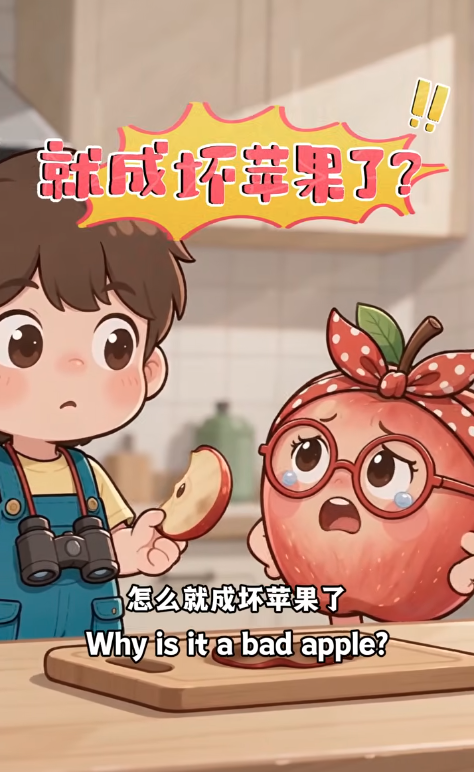
At that point, the first reaction is often:
“Has the apple gone bad?”
In most cases, this color change does not mean the apple has immediately spoiled.
It is actually a very common natural process known as enzymatic browning.
What Is “Enzymatic Browning”?
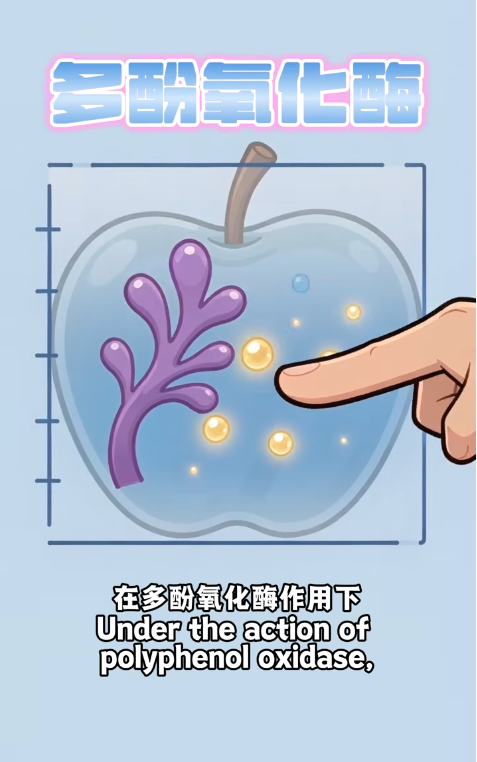
Apple flesh naturally contains many compounds, including polyphenols and enzymes involved in oxidation.
When the apple is still whole, these substances are kept separated within different cell structures, so they do not react extensively with each other.
But once the apple is cut, its cells are damaged and substances that were previously separated begin to mix.
At the same time, oxygen from the air reaches the exposed flesh.
With the help of certain enzymes, polyphenols are gradually oxidized and transformed into darker-colored compounds.
As a result, the originally pale apple flesh begins to turn brown.
This process is known as enzymatic browning.
Why Does Browning Happen More Easily After the Apple Is Cut?
A whole apple is protected by its skin, so the flesh inside is not directly exposed to large amounts of oxygen.
But once the apple is cut, bitten, or bruised, the internal cell structure is damaged and the flesh comes into direct contact with the air.
In simple terms:
The more surface area exposed to oxygen, the more noticeable browning can become.
That is why a whole apple can maintain its original appearance for much longer, while sliced apple pieces may start changing color relatively quickly.
If an Apple Turns Brown, Does That Mean It Is No Longer Safe to Eat?
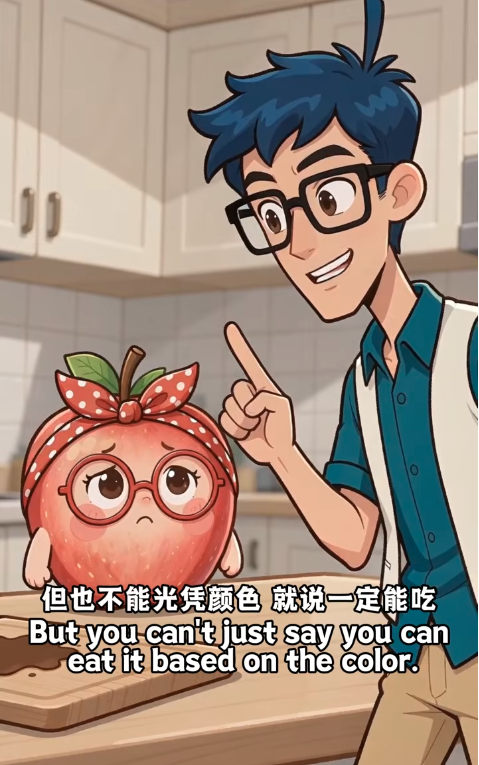
Not necessarily.
This is one of the main misconceptions the video aims to correct.
When an apple turns brown because of enzymatic browning, the color change mainly reflects an oxidation reaction in the flesh. It does not automatically mean the apple has started to rot.
If the apple only develops some surface browning shortly after being cut, but has no unusual smell, mold, visible decay, or abnormal mushiness, the brown color alone is not enough to say that it has spoiled.
In other words:
A color change does not automatically mean the apple is unsafe to eat.
However, the longer a cut apple sits, the more its texture, aroma, and overall freshness may decline, so it is still best to eat it relatively soon after cutting.

What Is the Difference Between Browning and Actual Spoilage?
Enzymatic browning is mainly a color change caused by oxidation.
Actual spoilage usually comes with additional signs.
For example:
The flesh becomes noticeably mushy;
Mold appears;
There is an unusual sour, fermented, or rotten smell;
The surface becomes abnormally slimy;
The fruit develops clear signs of decay.
So when deciding whether an apple is still good to eat, color should not be the only factor.
A better approach is to consider:
appearance, smell, texture, and storage time.
Normal browning on a cut surface is different from actual spoilage.
Why Do Some Apples Brown Faster Than Others?
Not all apples turn brown at exactly the same rate.
The speed of browning can be influenced by the apple variety, ripeness, polyphenol content, enzyme activity, and storage conditions.
Some apples may darken noticeably soon after cutting.
Others may stay relatively pale for longer.
So browning speed alone does not tell you which apple is “better.”
It often reflects natural differences in the fruit’s composition and condition.
How Can You Slow Down Apple Browning?
Because browning is related to oxygen exposure and enzyme activity, slowing the process means reducing those conditions.
The simplest option is to eat the apple soon after cutting.
If you need to store it temporarily, try to reduce prolonged exposure to air and keep it properly refrigerated.
Acidic conditions can also slow certain enzyme reactions, which is why some people use a small amount of lemon juice to help reduce browning.
No matter which method is used, the basic goal is the same:
slow down oxidation so the apple keeps its original color for longer.
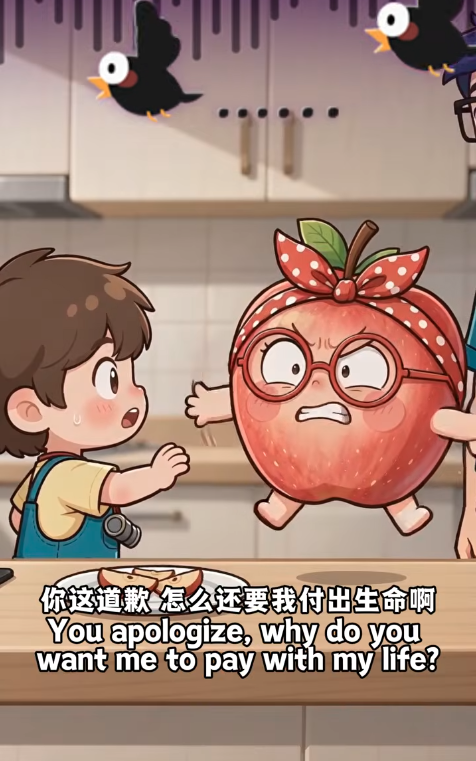
Apple Browning Is a Simple Everyday Science Experiment
Many ordinary food changes are actually small science lessons happening right in front of us.
When a cut apple turns brown, it may look like nothing more than an unattractive color change.
But behind it are damaged cells, oxygen exposure, enzyme activity, and oxidation reactions.
So the next time a sliced apple starts turning brown, there is no need to immediately say:
“It’s spoiled! Throw it away!”
First check whether it is simply normal surface browning.
Sometimes, the apple has not “gone bad” at all.
It is just having a visible chemical reaction with the air.



- Why Do Persimmons Make Your Mouth Feel Dry and Puckery? Tannins Are the Reason
- 柿子明明不酸,為什麼吃起來卻澀嘴?原來問題出在「單寧」
- Why Do Cut Apples Turn Brown? It’s Enzymatic Browning, Not Necessarily Spoilage
- 蘋果切開變褐色,就是壞掉了嗎?原來是「酵素性褐變」在作用
- The Invisible Bill
- 沉默的代價
- 凌晨三點的廚房
- The Weight of Small Things
- 推開那扇門
- The arithmetic of endurance
全部评论