How Different Are Northern and Southern Chinese Dining Habits? From Bone Plates to Rice Bowls
Is the Small Plate for Food or for Bones?
At many Chinese restaurants, a small plate is placed in front of each diner.
Interestingly, people from different regions may have completely different ideas about what that plate is for.
Some people naturally use it to hold food they have picked from shared dishes. Others immediately place fish bones, shrimp shells, chicken bones, and other scraps on it.
That leads to a very common dining-table question:
What exactly is this small plate supposed to hold?
In many dining settings, this type of plate is commonly used as a bone plate, mainly for holding bones, fish bones, shrimp shells, and other inedible scraps produced during a meal.
However, dining habits vary from region to region and from family to family, so not everyone grows up using a bone plate in the same way.
Why Do Some People Put Bones Directly on the Table?
One of the funniest conflicts in the video comes from someone casually placing leftover bones directly on the table.
To people who are used to using a bone plate, this can seem almost unbelievable.
But for others, especially in family meals or more traditional dining settings, temporarily placing bones or fish bones on the table area in front of them may not seem unusual at all.
So in many cases, this is not really about someone “using the wrong tableware.”
It is simply a difference in regional and family dining habits.
When two styles meet for the first time, it can easily create the kind of cultural clash where one person asks:
“Why do you eat like that?”
And the other replies:
“Isn’t this completely normal?”
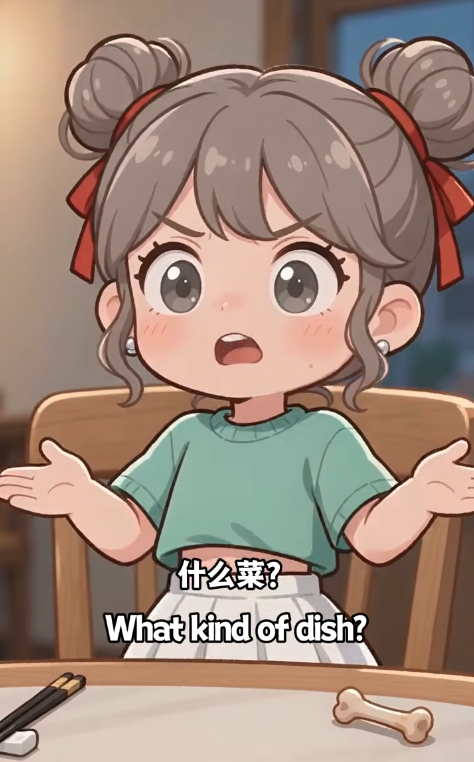
Why Is There a Special Plate for Bones?
A bone plate is actually a very practical piece of tableware.
When eating fish, shrimp, chicken, ribs, or similar foods, diners often end up with bones, shells, and other parts that cannot be eaten.
If these scraps stay in the rice bowl or serving dish, they can make it harder to continue eating and can also make the table look messy.
A separate small plate provides a convenient place for food scraps and helps keep the dining area more organized.
That is why bone plates are especially common in restaurants, banquets, and more formal dining settings where the tableware is more complete.
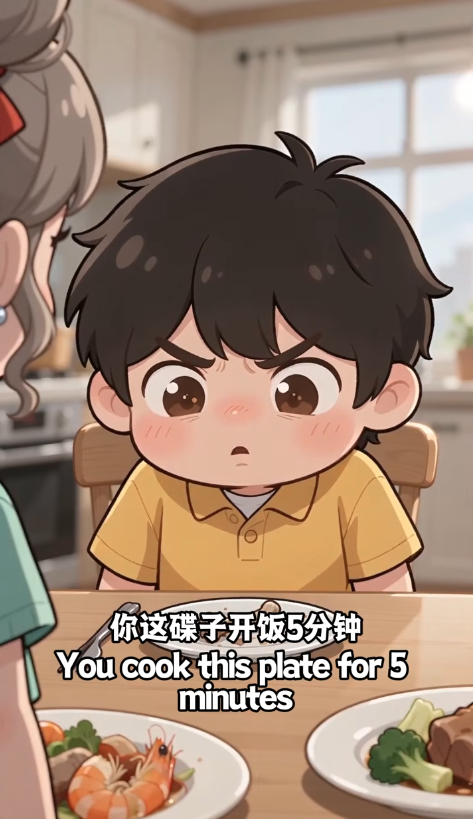
It’s Not Just the Plate — Even Bowls Can Be Used Differently
The dining differences between northern and southern China are not limited to bone plates.
The second half of the video raises another surprisingly interesting question:
What is a bowl actually for?
One person may be shocked to see someone putting dishes into a bowl and ask:
“Aren’t bowls for soup?”
Meanwhile, the other person may think that using a bowl for rice and dishes is completely normal.
This is another classic example of how eating habits can differ.
In some regions, especially where rice is a major staple food, bowls naturally serve several purposes: holding rice, receiving dishes, or combining different foods.
In other households, smaller bowls may be used more often for soup, which creates a different default idea of what a bowl is “supposed” to do.
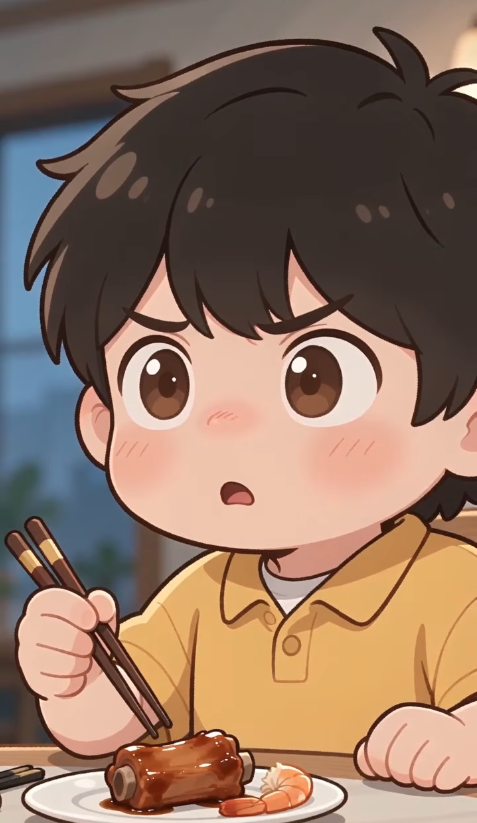
There Is No Single “Correct” Way to Use Tableware
Most people grow up with the dining habits of their own family, so it is easy to assume:
“We’ve always eaten this way, so this must be the normal way.”
But once you eat with people from other regions, you may start noticing small differences you never thought about before.
Some people use a small plate for food.
Some use it for bones.
Some put dishes directly into their rice bowl.
Others keep rice and soup in completely separate bowls.
There is no single rule that applies to every household in every region.
In formal restaurants or banquet settings, it makes sense to follow the intended function of the tableware provided and basic dining etiquette. In everyday family life, however, local and household habits naturally vary.
A Dining Table Can Reveal Regional Culture
When people talk about food differences between northern and southern China, they often think first of things like:
Northern China eats more noodles, southern China eats more rice.
Northern food is stronger in flavor, southern food is more delicate.
Should zongzi be sweet or savory?
But regional food culture is about much more than what people eat.
How they eat, what they use to hold food, where they put bones, and how bowls and plates are used can also reflect local traditions.
These tiny everyday habits are connected to family life, dining etiquette, and food customs that have developed over many years.
So the next time you eat with someone from a different region and notice that they use tableware differently, don’t rush to ask:
“How can you even use that wrong?”
Maybe no one is wrong.
Maybe you simply grew up with completely different dining “default settings.”


- Five-Nut, Salted Egg Yolk Lotus Seed Paste, or Snow Skin: Which Mooncake Deserves the Spotlight?
- 五仁、蛋黃蓮蓉、冰皮誰才是月餅C位?原來月餅從來不只一種
- How Different Are Northern and Southern Chinese Dining Habits? From Bone Plates to Rice Bowls
- Why a Rice-and-Stir-Fry Meal Puts You to Sleep
- 南北方人吃饭到底有多不一样?从骨碟到饭碗,餐桌习惯差别真不少
- 西湖醋魚為什麼又酸又甜?這道杭州名菜背後竟藏著一段故事
- Is Your Gut Pain Actually a Genetic Gift? The Paradox of Lactose Intolerance
- 乳糖不耐竟是「基因紅利」?研究揭祕:拉肚子竟能防糖尿病
- Earth’s Open Eye: The Crystal River’s Geological Miracle
- 大地之眼:水晶河極致清澈背後的生態謎題與人類渴望
全部评论