Five-Nut, Salted Egg Yolk Lotus Seed Paste, or Snow Skin: Which Mooncake Deserves the Spotlight?
Five-Nut, Salted Egg Yolk Lotus Seed Paste, or Snow Skin — Which One Is the “Real” Mooncake?
As soon as Mid-Autumn Festival approaches, mooncakes return to the center of the table.
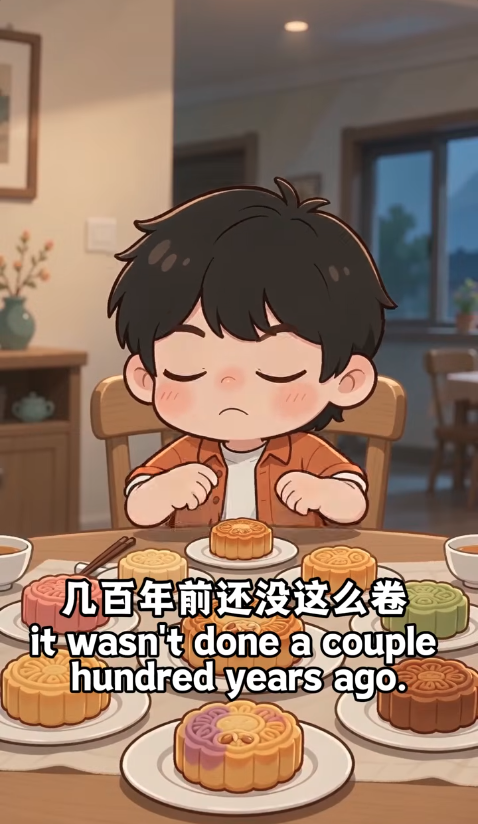
And once several different flavors appear together, a debate can begin almost immediately:
Five-nut is what a real mooncake should taste like!
Salted egg yolk lotus seed paste is the true classic!
Snow skin mooncakes are not even baked — can they really be called mooncakes?
The video opens by turning this familiar “mooncake flavor battle” into a playful argument.
Some people love traditional flavors, some prefer smooth and sweet fillings, while others are always ready to try something new.
But if you think about it carefully, is there really one single “correct” kind of mooncake?
Why Does Five-Nut Mooncake Always Spark So Much Debate?
Five-nut mooncake is probably one of the most recognizable and controversial mooncake flavors.
Its filling usually combines a variety of nuts, seeds, and other ingredients, giving it a very distinctive texture and flavor.
People who love it often say:
This is what an old-school mooncake should taste like.
People who dislike it may find the filling too complicated or the texture less smooth than other varieties.
That is exactly why five-nut mooncake often becomes one of the most discussed flavors every Mid-Autumn Festival.
Love it or not, it represents an important traditional direction in mooncake making.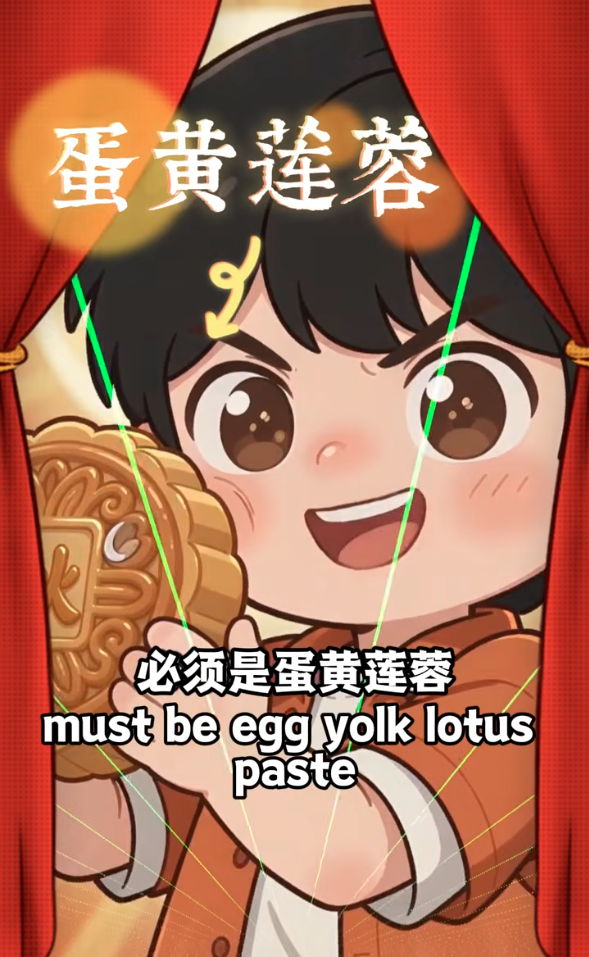
Why Has Salted Egg Yolk Lotus Seed Paste Become a Cantonese Classic?
When people think of Cantonese-style mooncakes, salted egg yolk with lotus seed paste is often one of the first flavors that comes to mind.
A relatively thin crust wraps around smooth lotus seed paste, while the salted egg yolk adds a savory note to balance the sweetness.
One of the typical characteristics of Cantonese-style mooncakes is:
a thinner crust with a generous filling.
This allows fillings such as lotus seed paste, red bean paste, and salted egg yolk to become the main focus of the flavor.
That is one reason Cantonese mooncakes have become some of the most widely recognized and commonly seen mooncakes today.
Mooncakes Have Always Had Many Regional Styles
Mooncakes have never existed in just one form.
Besides the familiar Cantonese style, there are also many traditional varieties such as Suzhou-style, Beijing-style, and Yunnan-style mooncakes.
Suzhou-style mooncakes, for example, are very different from Cantonese mooncakes.
Their pastry emphasizes flaky, layered, crisp textures, while Cantonese-style mooncakes are better known for their thin crusts and rich fillings.
Different regions use different ingredients, preparation methods, and flavor preferences, which has gradually created a wide range of distinct mooncake styles.
So trying to find one universal template for what “all mooncakes in China must look like” is almost impossible.

Have Mooncakes Always Looked the Same Throughout History?
The mooncakes we see today often have a very recognizable appearance:
round shapes, detailed patterns, decorative characters, and polished designs.
It can be easy to imagine that mooncakes have always looked like this.
But mooncakes themselves have gone through a long process of change and development.
The term “mooncake” and the custom of eating mooncakes during Mid-Autumn Festival gradually developed and became more widespread over time, while the shapes, fillings, and preparation methods also continued to vary.
By the Ming and Qing dynasties, eating mooncakes during Mid-Autumn Festival had become increasingly popular, and more regional styles began to develop.
So even what we consider “traditional mooncakes” today is the result of generations of change.
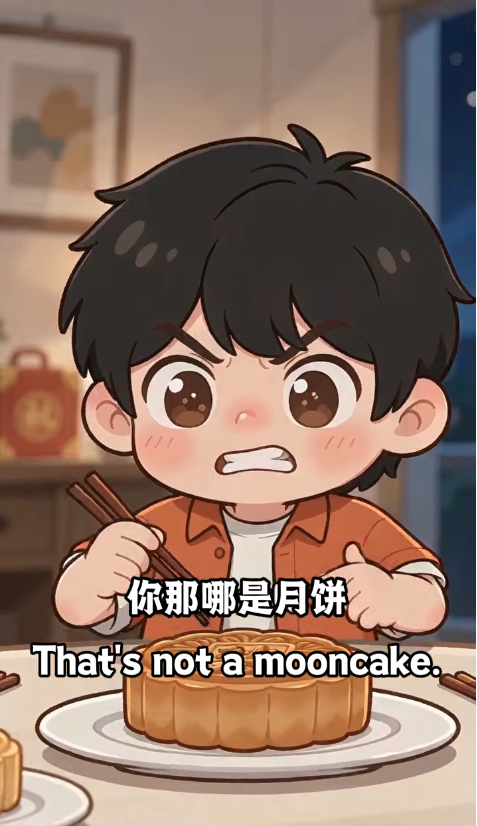
Snow Skin Mooncakes Aren’t Baked — So Why Are They Still Mooncakes?
If traditional mooncakes are the old-school players, snow skin mooncakes are more like the new generation.
One of their biggest differences is simple:
they are not baked in the same way as traditional mooncakes.
Snow skin mooncakes usually use a soft, cool outer layer to wrap the filling. Both their appearance and texture are quite different from baked mooncakes.
That naturally raised questions when they first became popular:
“Does this still count as a mooncake?”
But today, snow skin mooncakes have become a familiar Mid-Autumn Festival choice.
Their popularity shows something important:
Traditional foods do not have to remain in one fixed form forever.

Modern Mooncakes Are Making Mid-Autumn Festival More Creative
Snow skin mooncakes are only part of the story.
Today, mooncake flavors continue to expand.
Lava custard, milk custard, chocolate, fruit, tea-inspired fillings, and many other creative combinations now appear in gift boxes every year.
The appearance of mooncakes has changed too.
From color schemes and shapes to packaging design, modern mooncakes can sometimes feel like a new product launch every Mid-Autumn Festival.
Some people prefer traditional flavors.
Others look forward to trying the newest creations.
These two preferences do not have to conflict.
Food culture naturally develops by preserving some traditions while continuing to innovate.
So Which Mooncake Is Actually the Best?
Five-nut says it is the classic.
Salted egg yolk lotus seed paste claims the center spot.
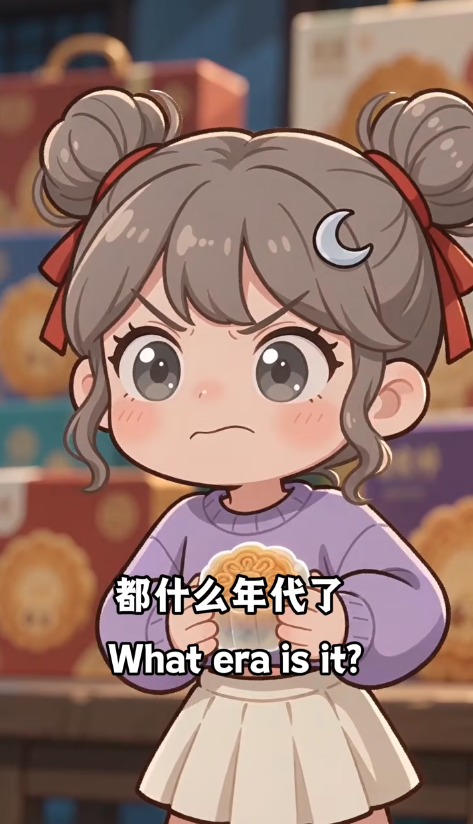
Snow skin and modern mooncakes might respond:
“Times have changed — why shouldn’t mooncakes change too?”
But in the end, the answer is actually simple.
There is no single “correct” way to enjoy mooncakes, and no one flavor can represent everyone.
Some people love five-nut.
Some only want salted egg yolk lotus seed paste.
Some immediately reach for snow skin mooncakes.
Others want to try the newest flavor every year.
So instead of arguing over which one deserves to be called the “king of mooncakes,” maybe the better answer is:
The mooncake you enjoy most is the one that deserves the spotlight on your Mid-Autumn table.
Traditional or modern, the real fun may simply be gathering around the table during Mid-Autumn Festival, sharing mooncakes, and arguing over which flavor tastes best.

- Five-Nut, Salted Egg Yolk Lotus Seed Paste, or Snow Skin: Which Mooncake Deserves the Spotlight?
- 五仁、蛋黃蓮蓉、冰皮誰才是月餅C位?原來月餅從來不只一種
- How Different Are Northern and Southern Chinese Dining Habits? From Bone Plates to Rice Bowls
- Why a Rice-and-Stir-Fry Meal Puts You to Sleep
- 南北方人吃饭到底有多不一样?从骨碟到饭碗,餐桌习惯差别真不少
- 西湖醋魚為什麼又酸又甜?這道杭州名菜背後竟藏著一段故事
- Is Your Gut Pain Actually a Genetic Gift? The Paradox of Lactose Intolerance
- 乳糖不耐竟是「基因紅利」?研究揭祕:拉肚子竟能防糖尿病
- Earth’s Open Eye: The Crystal River’s Geological Miracle
- 大地之眼:水晶河極致清澈背後的生態謎題與人類渴望
全部评论