Tired No Matter How Much You Sleep? It Might Be Inflammation
You carried nothing heavy today. You slept a full eight hours. And you still wake up heavy, dull, out of fuel. The easy label is "lazy" or "didn't rest enough" — but a fatigue that sleep cannot repair has a different suspect: chronic low-grade inflammation.
What chronic low-grade inflammation actually is.
Inflammation is supposed to be a protection mechanism. When the body meets injury or invading pathogens, it launches an acute inflammatory response — redness, swelling, heat, pain — and the response fades once the threat is cleared. Chronic low-grade inflammation is different: no visible swelling or pain, but the immune system stays stuck at low-level activation, continuously releasing inflammatory factors and burning the body's energy.
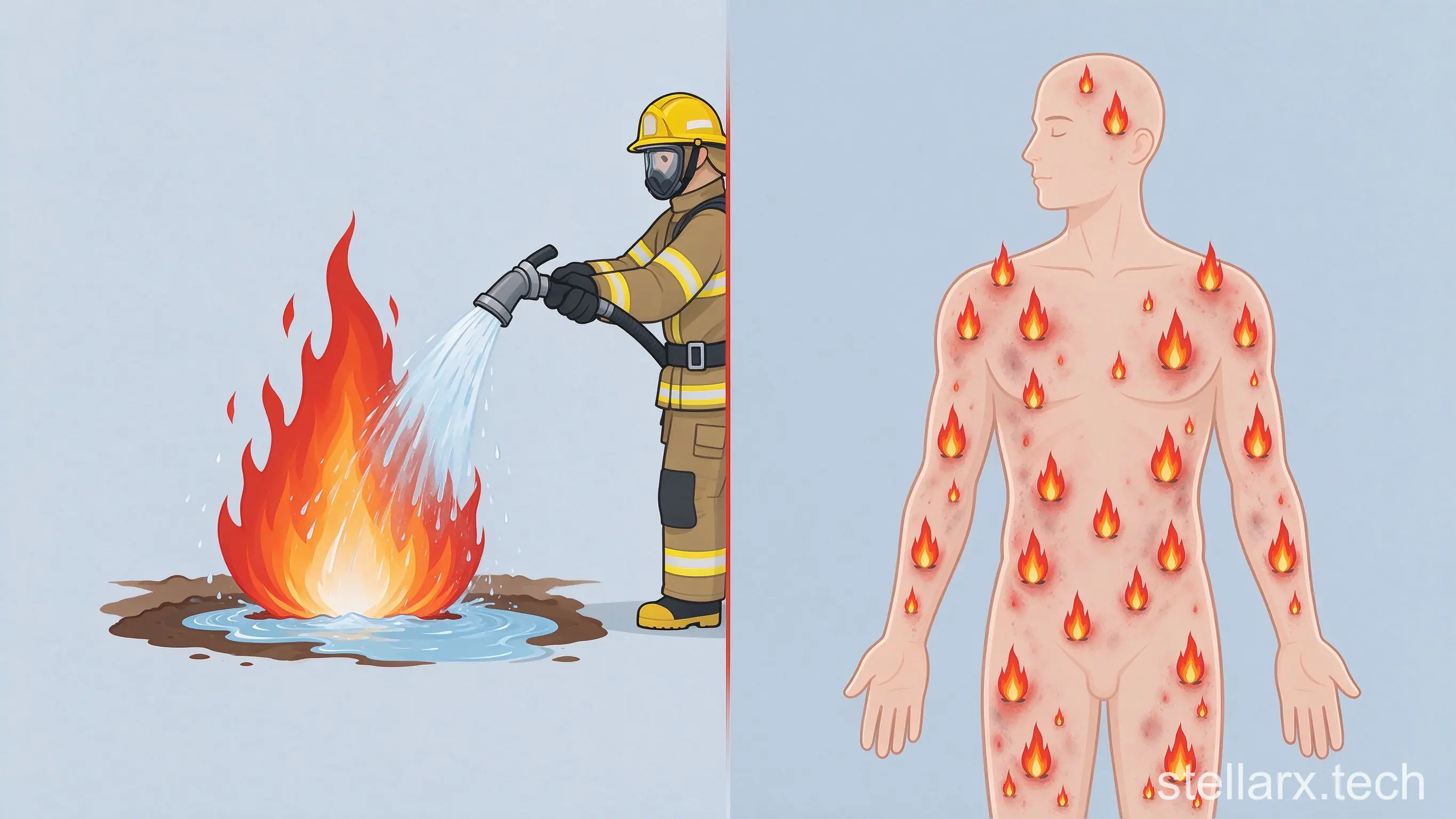
How that fire drains you: the mitochondria first.
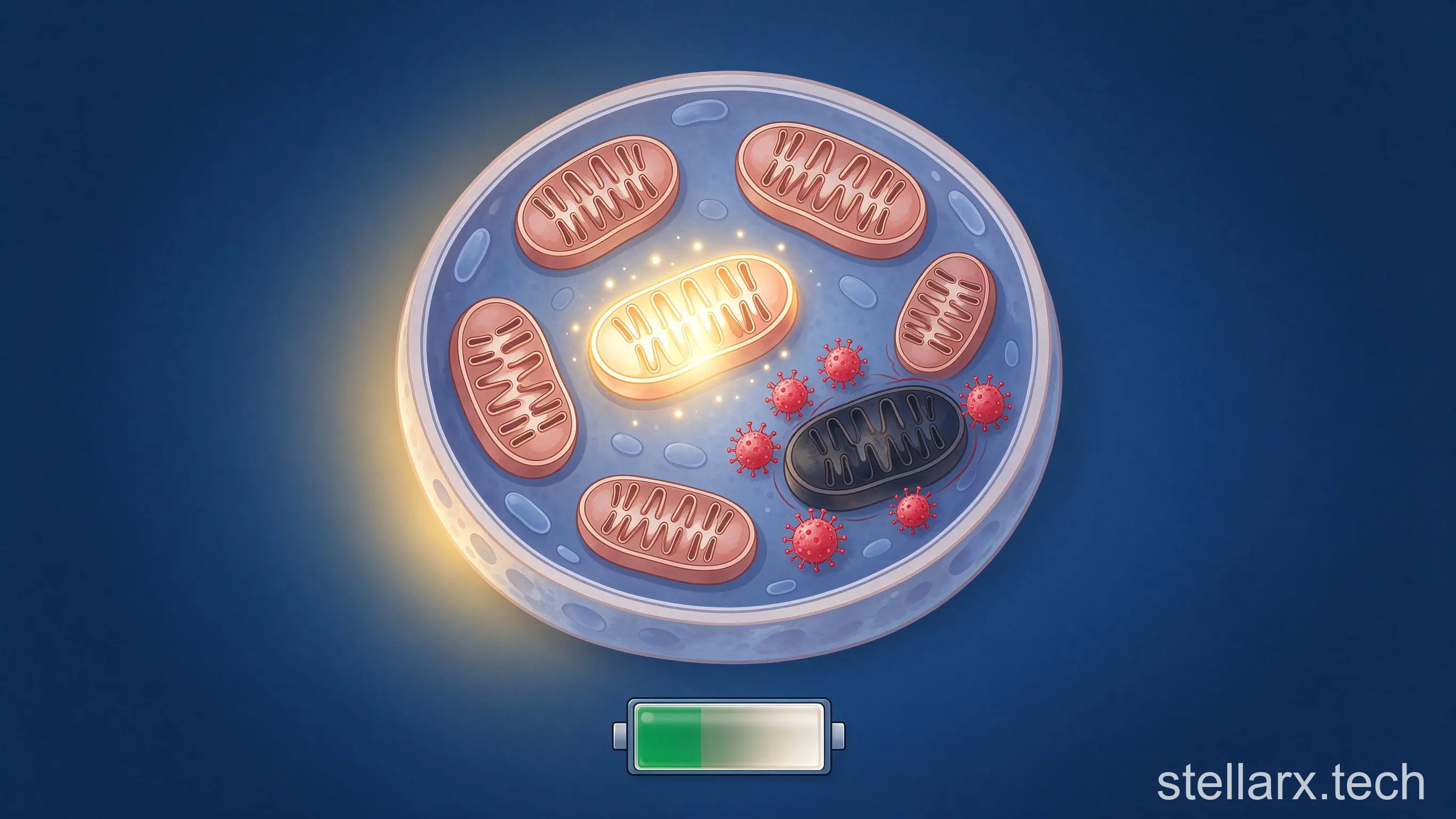
Inflammatory factors interfere with the mitochondria inside your cells, reducing production of adenosine triphosphate (ATP) — the molecule cells run on. When cellular energy supply drops, the body enters a "power-saving mode," and you feel a persistent, unexplained weakness.
Then it fogs the brain.
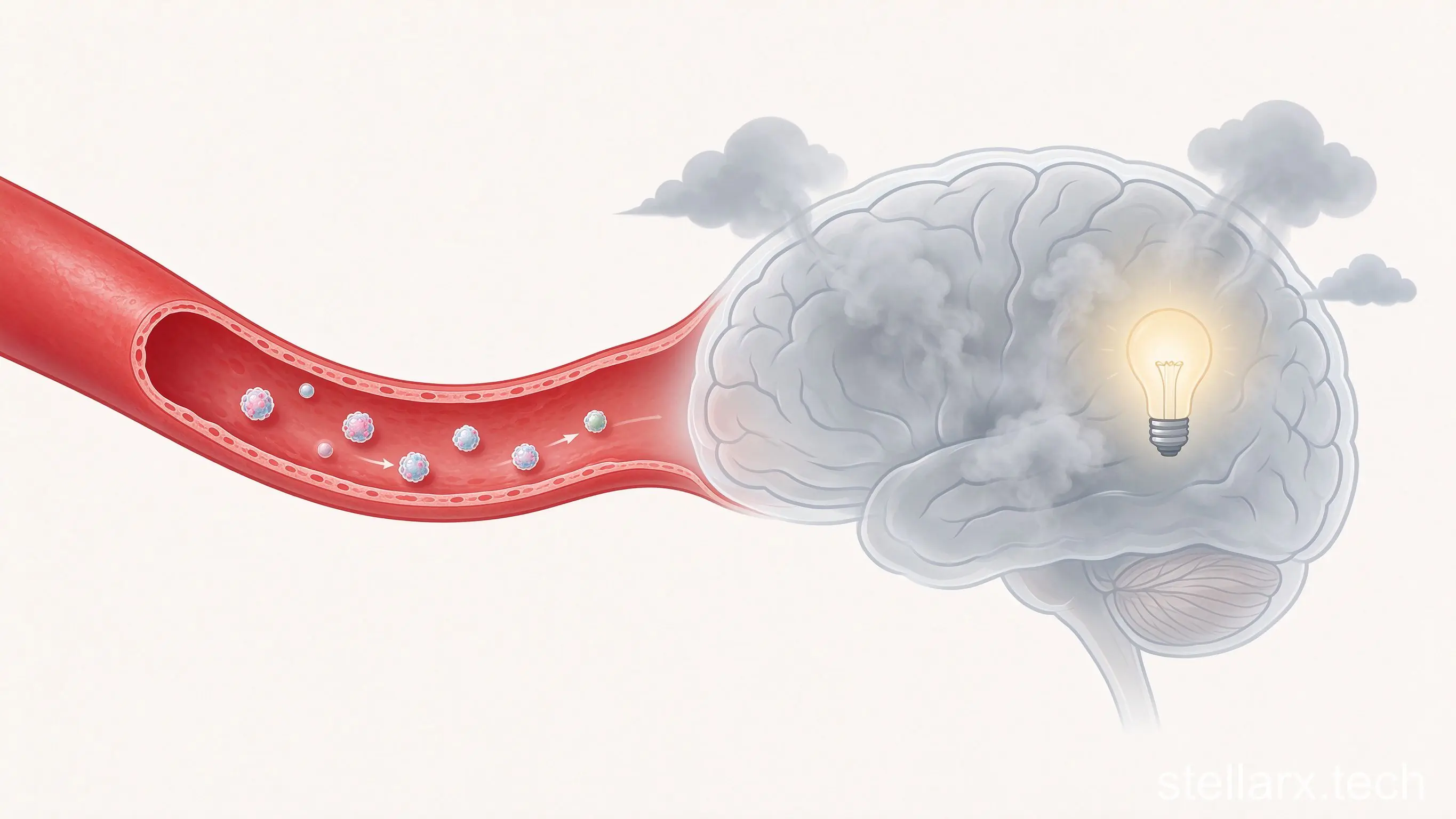
Interleukin-6 and tumor necrosis factor — two of the classic inflammatory molecules — travel through the bloodstream and affect the brain. They disturb normal neurotransmitter metabolism and lower the brain's arousal level. The result is the classic "brain fog": attention drops, reactions slow, mood sinks.
Then it breaks your sleep.
Chronic inflammation disrupts sleep rhythm and damages deep-sleep quality. Poor deep sleep makes you more drowsy during the day; and poor sleep in turn worsens inflammation — a loop where being tired makes sleep worse, and worse sleep makes you more tired. On top of that, a permanently activated immune system itself consumes large amounts of nutrients and energy, deepening the whole-body fatigue.
Three daily habits that feed the fire.
1. Long-term dietary imbalance. Refined sugar, white rice, white flour — refined carbohydrates — plus fried and deeply processed foods trigger oxidative stress and stimulate inflammatory factors. At the same time, a diet short on whole grains, dark vegetables, and omega-3 polyunsaturated fatty acids leaves the body less equipped to put inflammation out.
2. Poor lifestyle patterns. Chronic late nights and irregular schedules disrupt the rhythm of the biological clock and the immune system, letting inflammation run out of control. Prolonged sitting slows blood circulation and weakens metabolic regulation. Smoking and heavy drinking both push more inflammatory factors out.
3. Long-term stress and anxiety. Stress distorts cortisol and other stress hormones, and a chronically disturbed stress axis worsens whole-body low-grade inflammation. Add an imbalanced gut microbiome: when the intestinal barrier is damaged, endotoxins leak into the blood and trigger systemic inflammation.

What to change — the practical list, in full.
1. Eat in an anti-inflammatory pattern. More deep-sea fish and nuts — omega-3-rich foods — paired with dark vegetables, fresh fruit, and whole grains for fiber. Cut refined sugar, processed meat, and trans fats, and avoid wild swings in blood sugar.
2. Regular sleep, protected. Aim for 7–8 hours a day with a fairly fixed schedule, and limit screens before bed. When sleep rhythm is stable, the immune system's rhythm settles too.
3. Moderate aerobic exercise. Three to five sessions a week, about 30 minutes each — brisk walking, jogging, swimming — lowers inflammatory markers and improves metabolism. Do not overdo it; excessive training can add burden instead.
4. Drain the stress. Deep breathing, light relaxation, and real hobbies stabilize cortisol under chronic pressure.
One honest warning: persistent fatigue can also come from hypothyroidism or anemia. If lifestyle changes bring no improvement, see a doctor rather than blaming yourself.
The fire is small, invisible, and always burning — but it is fed by daily habits, which means it can also be starved by them. If you want to see the tissue that feels all of it, you can: including a nerve cell specimen where neuron cell bodies, dendrites, and axons are clearly visible — the hardware whose arousal level brain fog quietly lowers. Search "WWAI" in your app store and download it today.

References:
1. National Institute of Neurological Disorders and Stroke (NIH), Brain basics: Understanding sleep — https://www.ninds.nih.gov/health-information/public-education/brain-basics/brain-basics-understanding-sleep
2. Centers for Disease Control and Prevention, Sleep and sleep disorders — https://www.cdc.gov/sleep/index.html
3. National Institutes of Health, Chronic inflammation — https://www.ncbi.nlm.nih.gov/books/NBK493173/
All illustrations are AI-generated.
Related reading

Why You're Sleepy at 3 PM but Wide Awake at 7 PM


- Why Humans Are the Only Animals That Need Clothes
- A Whole 1.25 kg Pomelo Has Only 280 kcal. Here's Why.
- Salmonella Is Everywhere. Here's How It Gets Into Your Food
- Your Dry Eyes Aren't Thirsty — They're Out of Oil
- 国庆团圆饭,我劝你一定要留一个位置给它……
- Tired No Matter How Much You Sleep? It Might Be Inflammation
- Why You Wake at 3 AM Every Night: Don't Check the Clock
- Why Foreigners Can't Handle Baijiu: It's the Aldehydes
- Why the Poor Love Grand Narratives: The Microscope Argument
- The Trojan Horse: How Plague Disarms Your Immune System

全部评论