Cisplatin: How an Electrode Accident Became a Cancer Cure
In February 1965, the journal Nature published a modest two-page paper with an unremarkable title: "Inhibition of Cell Division in Escherichia coli by Electrolysis Products from a Platinum Electrode."
The author was Barnett Rosenberg, a biophysicist at Michigan State University, with two colleagues, Loretta Van Camp and Thomas Krigas. They were not studying cancer. They were not studying drugs. They wanted to know whether an electric field could disrupt cell division.
The Electrode That Wouldn't Stay Silent
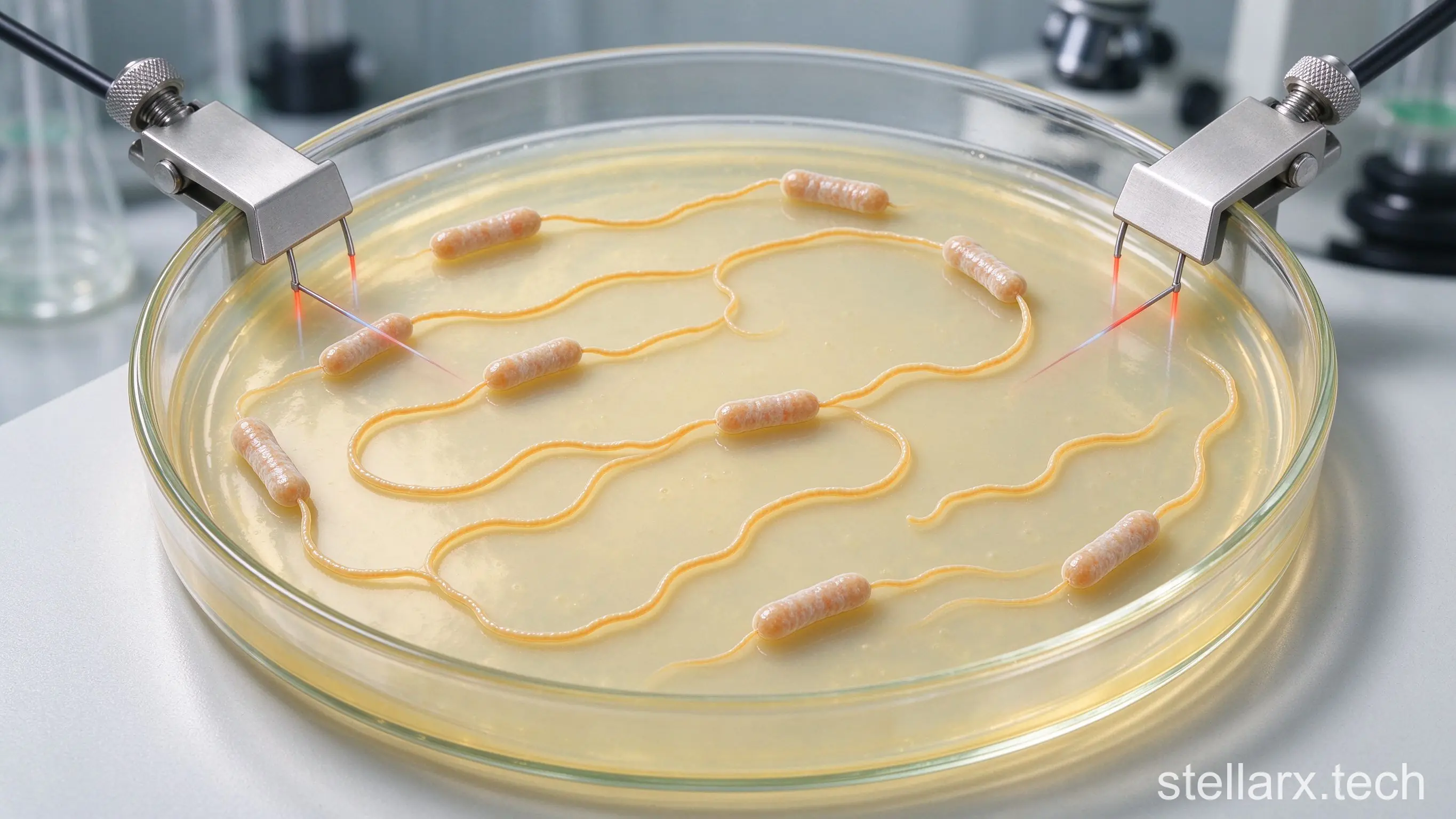
When the current was switched on, the E. coli in the culture stopped dividing. But they did not die. They kept growing — stretching into long filamentous cells.
The result itself was beautiful. The problem was that it had nothing to do with their hypothesis.
What was actually doing the work was the one part they had chosen specifically so it would NOT take part: the electrode.
Platinum is famous for being chemically "inert" — that is exactly why it was chosen. For an electric field experiment, you want the electrode to conduct and stay out of the chemistry. But in an ammonium-chloride culture medium, the current electrolyzed the platinum, and it combined with the chloride and ammonia in the solution to form platinum complexes. Those complexes stopped bacterial division. The electric field did not.
The experiment had produced a clear positive result, and its source was a variable that did not exist in the researchers' assumptions. When this happens you have two options: treat it as contamination and redo the experiment with a clean setup — or admit you did not study what you set out to study, and chase the accident instead.
The Lesson in the Method
Rosenberg chose the second path. That choice is the part of the story that rests on judgment, not luck.
But the methodological lesson here is more useful than the word "lucky." In a controlled experiment, we treat the apparatus, the container and the electrode as background, and count only the one thing we deliberately changed as the variable. Background, however, is not always silent. Platinum was chosen precisely because it "wouldn't react" — and it reacted. Similar things have happened repeatedly in the decades since: plasticizers leaching from culture flasks, batch-to-batch differences in serum, metal ions carried in by the instruments themselves — all have been the true source of "positive results." Whenever a result appears, it is worth asking: besides the one thing I changed, what else changed with it?
Rosenberg's next question became: if a platinum complex can stop bacteria from dividing, can it stop the one kind of cell that refuses to stop dividing — a tumor cell?
The phenomenon itself offered a clue: the drug was not interrupting the cell's whole life, it was specifically jamming the step related to division and DNA replication. Metabolism continued — that is why the bacteria could still grow long. A molecule that stops division without immediately killing the cell is exactly the property an anticancer drug needs.
From Bacteria to Tumors: A Narrow Bridge
The leap "it works on bacteria, so it will work on cancer cells" is not a sound argument on its own — historically, it has fooled many people.
Bacteria and human tumor cells share only a narrow window: both must copy DNA and both must divide. Everything else differs. Bacteria have a cell wall, no nucleus, and different ribosomes — and those differences are exactly why most antibiotics can kill bacteria without harming people. Penicillin inhibits synthesis of the bacterial cell wall; human cells do not have that structure at all.
So the bridge from bacteria to tumors stands only on one premise: the compound interferes with the step that IS shared — DNA itself. What Rosenberg saw fit that condition perfectly: division stopped, but growth continued, meaning the jam was in replication and division, not in some structure unique to bacteria. At the time, this was only a guess worth testing. Whether it held was a question for animal experiments.
Four Years of Uninteresting Work
In April 1969, the same journal published their second paper. This title was no longer unremarkable: "Platinum Compounds: A New Class of Potent Antitumour Agents."
This time the subjects were mice — the two most-used transplantable tumor models of the day, Sarcoma 180 solid tumors and L1210 leukemia. The jump from bacteria to mammalian tumors was enormous: stopping a single-celled organism from dividing says nothing about selectively suppressing a tumor inside an animal with an immune system, liver and kidney metabolism, and normal proliferating tissues. On both models, it worked.
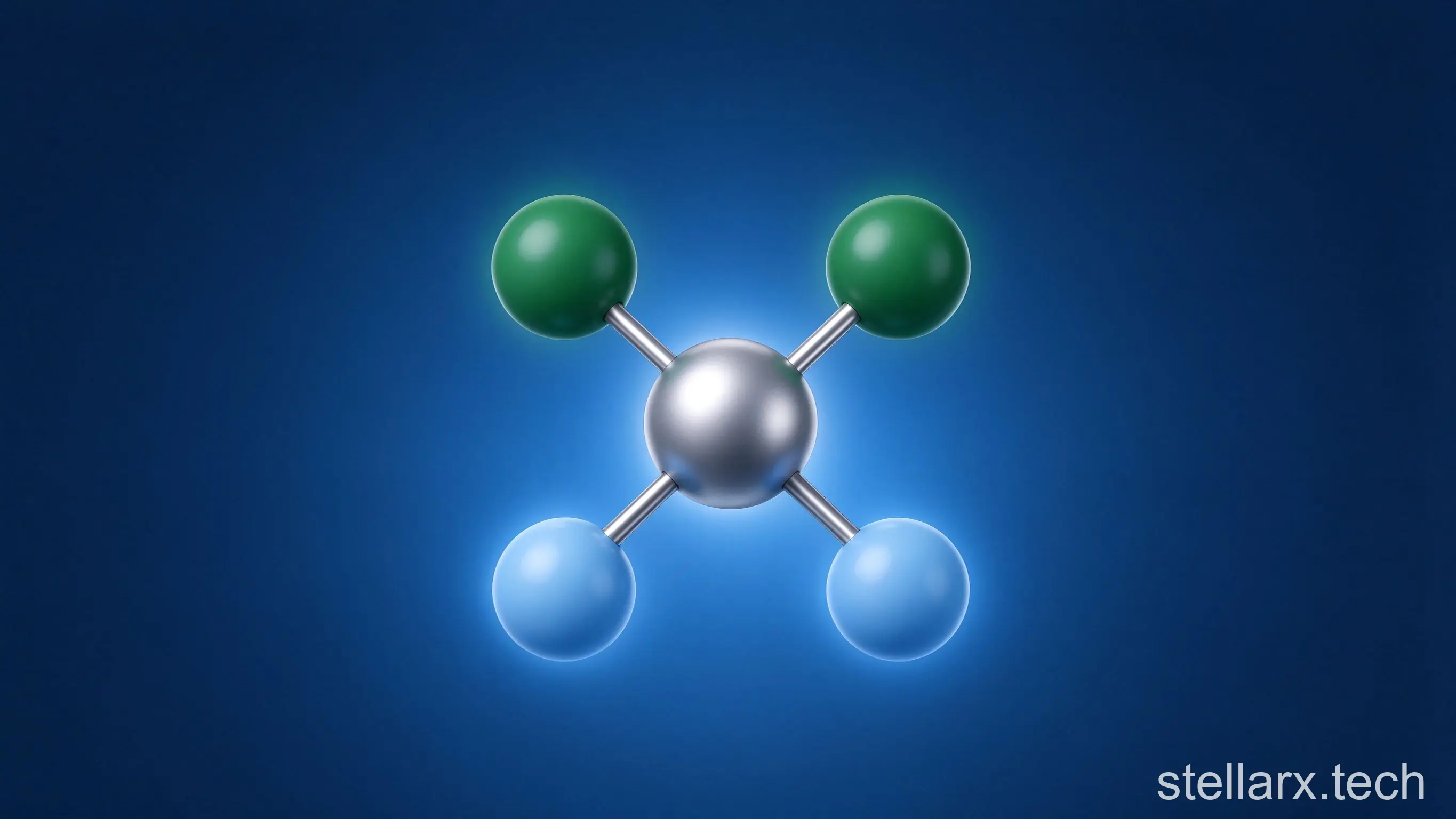
The compound picked out was cis-diamminedichloroplatinum(II) — later known simply as cisplatin.
Between 1965 and 1969, the actual work was very concrete: separating out which component of the mixture had the activity, then confirming it worked in living animals. Science stories stop at "accidental discovery" because the accident is the best part to tell. But turning an accident into a compound takes exactly this kind of unglamorous work.
1977: The Paper That Changed the Meaning of "Metastatic"
In 1977, the story's protagonist changed.
Lawrence Einhorn, an oncologist at Indiana University, and urological surgeon John Donohue reported in the Annals of Internal Medicine on 50 patients with metastatic testicular cancer. The regimen combined three drugs: cisplatin, vinblastine and bleomycin.
The results: 74% complete remission, 26% partial remission. Of the partial responders, five achieved disease-free status after surgery to remove residual disease — an overall disease-free rate of 85%. At the time of publication, 38 of the 50 patients were alive, and 32 had remained disease-free in follow-ups ranging from over 6 months to over 30 months.
To grasp these numbers, consider what came before: in that era, once a solid tumor had metastasized, "cure" was essentially off the table. The goal of chemotherapy was buying time. This paper reported disease-free status in patients who had already metastasized.
Three words need separating here: complete remission, disease-free, cure. Complete remission means no tumor is detectable by current methods. Disease-free, plus sufficiently long follow-up, is what earns the right to talk about cure. The five patients illustrate the difference: after chemotherapy they had only partial remission — something was still visible on imaging — so they underwent surgery to remove the residual mass, and only then became disease-free.
Why cut it out? Because a residual shadow on imaging could be dead scar tissue and fibrosis — or it could be a component the chemo could not suppress. The two possibilities look nearly identical on a scan, and the treatments are opposites. That is why the two authors of the paper were one from each side: Einhorn, the medical oncologist, and Donohue, the surgeon who performed retroperitoneal lymph node dissections.
The Price
The cost was written into the same paper. Toxicity during induction was described as severe; two deaths were directly attributed to the drugs. Low white blood cell counts and uremia were both listed as observed toxicities. Cisplatin's two great problems — kidney damage and bone marrow suppression — were visible in the very first patients, and decades of improvement (hydration, dosing, alternative drugs) have revolved around them.
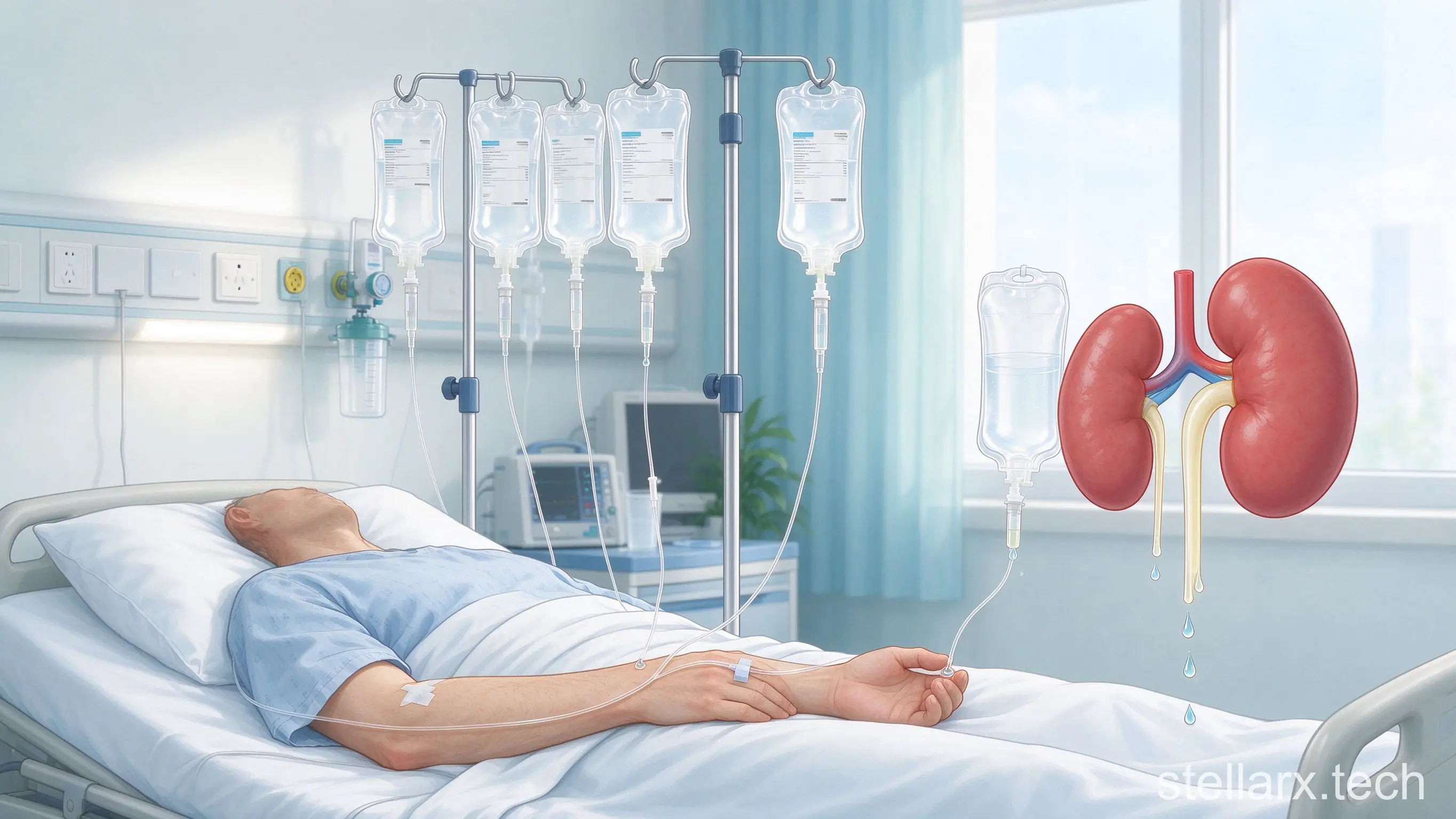
The mechanism of the kidney damage dictated the shape of the solution. Cisplatin is mostly excreted by the kidneys, reabsorbed and accumulated in the tubules, so the concentration reaching the proximal tubule epithelium is far higher than in the blood. You cannot simply lower the dose — that throws away efficacy. Instead, you make the drug spend less time in the tubules at lower concentration: the standard practice today is aggressive hydration and maintained urine output before and after infusion. This is a textbook example of the principle that once the mechanism of toxicity is understood, the answer stops being a weak compromise like "just use a little less."
Why Testicular Cancer?
The same drug works in lung, stomach and esophageal cancer — but none of them reaches "curable even after metastasis." Germ-cell tumors of the testis account for only 1–3% of all male cancers, yet because of their extraordinary responsiveness to platinum chemotherapy, they have long served as the model of a curable disease.
At the molecular level, the question is still not fully answered. A 2013 review dedicated to it opens by admitting the molecular basis of this hypersensitivity to DNA-damaging drugs remains unknown. It offers two candidate explanations: these tumors have an overly sensitive apoptosis response, mediated by the p53 pathway, so DNA damage easily pushes them into programmed cell death; or their ability to repair cisplatin-induced DNA damage is deficient, so damage accumulates faster than in other tumors.
Both have experimental support, but which dominates — or whether both act together — remains unsettled.
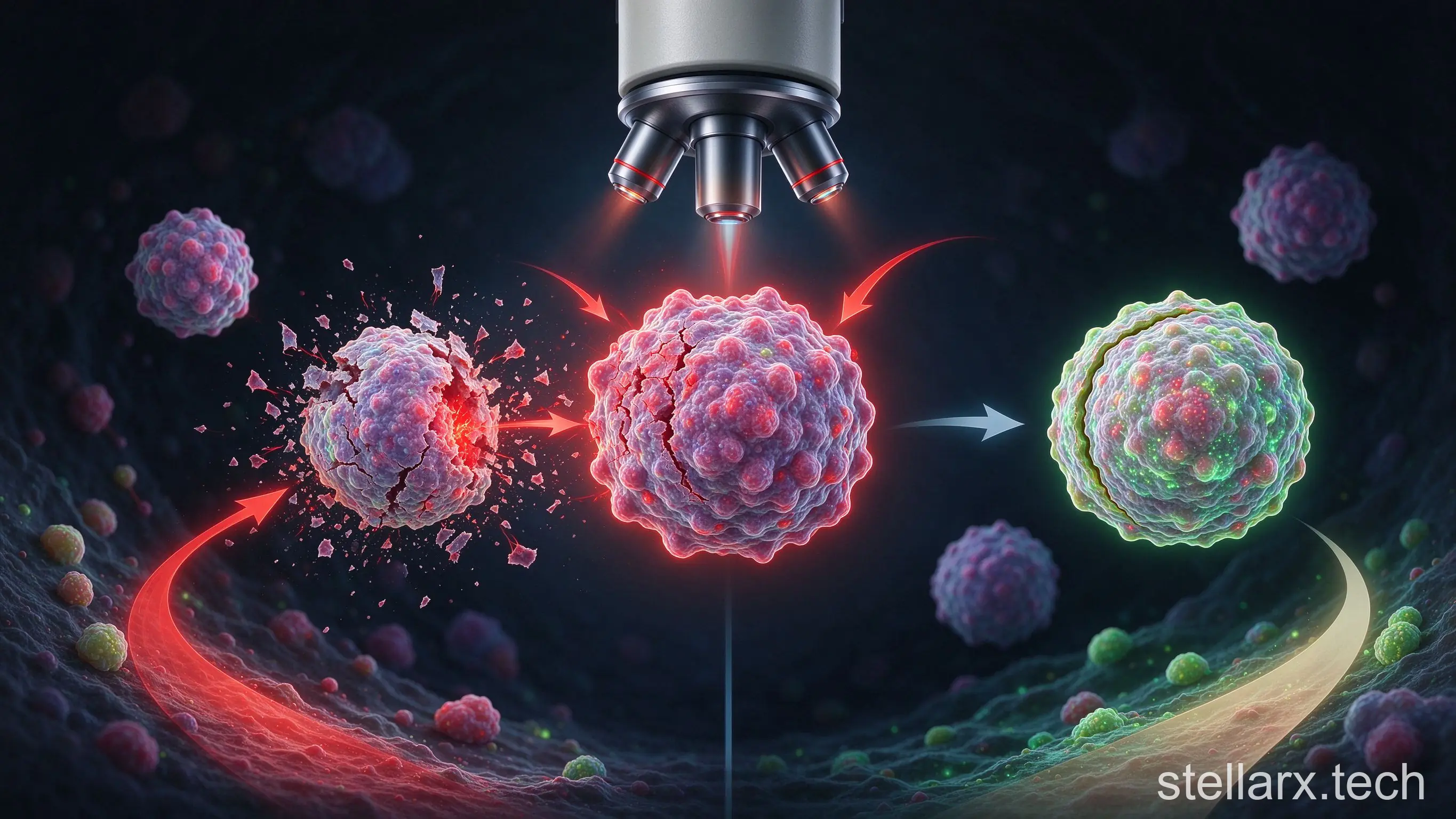
The two explanations share a common thread: the tumor has kept the nature of the cell it came from. Germ cells, when they encounter DNA damage, default to self-elimination rather than dividing with errors. The tumor never escaped its origins — and that heritage is precisely what makes it curable.
There is also an angle that is easy to miss: testicular germ-cell tumors are a rare cancer — a few percent of male malignancies — yet the most common cancer in young white men. It became the reference frame for all of oncology precisely because it is rare and special: it proved that metastatic solid tumors can be cured, that the idea works in principle. Before it, that was a hypothesis with no precedent.
The Drug Sets the Question. The Tumor Answers.
The same drug given for lung, stomach or esophageal cancer mostly buys time, not cure. The difference is not the drug — it is how the tumor reads the damage. Cisplatin inflicts DNA damage on all of them. Whether a cell commits suicide or repairs the damage and keeps dividing depends on the program it carries. The drug only sets the question; the tumor answers it.
That is also why "finding a stronger chemotherapy drug" has been a narrowing road, and research has shifted toward changing how tumors answer the question.
Two Corrections
Two claims floating around this topic need correcting.
First: cisplatin's origin is sometimes traced to the poison gas of World War I. It is not. Its starting point is the 1965 electrolysis paper — it has nothing to do with poison gas.
Second: the claim that cisplatin cures testicular cancer "almost 100% of the time." The original 1977 paper reported 74% complete remission and 85% disease-free with surgery. Modern early-stage outcomes are very good, but "almost 100%" matches no original study's numbers, and it misleads people into skipping staging and follow-up.
The Bottom Line
Look at the whole arc and the "accident" is only a small slice. 1965 gave a phenomenon, via an electrode the researchers trusted to stay out of the way. Four years turned that phenomenon into a specific compound, verified in animals. 1977 turned the compound into a treatment that changed what "metastatic" could mean. And why it works so well in this one cancer — that question is still open.
The accidental discovery made a cure. The twelve years of careful work in between made it real.
Curious what your own cells look like — the ones that copy their DNA and divide billions of times? WWAI is an AI-powered biology encyclopedia with an online microscope, including an oral epithelial cell specimen where the cells lining your mouth are clearly visible — a close look at the tissue that does the dividing. Search "WWAI" in your app store and download it today.

References
[1] Rosenberg B, VanCamp L, Krigas T. Inhibition of cell division in Escherichia coli by electrolysis products from a platinum electrode. Nature 1965;205:698-9. https://doi.org/10.1038/205698a0
[2] Rosenberg B, VanCamp L, Trosko JE, Mansour VH. Platinum compounds: a new class of potent antitumour agents. Nature 1969;222:385-6. https://doi.org/10.1038/222385a0
[3] Einhorn LH, Donohue J. cis-Diamminedichloroplatinum, vinblastine, and bleomycin combination chemotherapy in disseminated testicular cancer. Ann Intern Med 1977;87:293-8. https://doi.org/10.7326/0003-4819-87-3-293
[4] Cavallo F, Feldman DR, Barchi M. Revisiting DNA damage repair, p53-mediated apoptosis and cisplatin sensitivity in germ cell tumors. Int J Dev Biol 2013;57:273-80. https://doi.org/10.1387/ijdb.130135mb
[5] Based on a Zhihu answer under the tag "科学抓虫行动" on how cisplatin was discovered (2026); community figures were replaced with AI illustrations.
Related reading

Humans Are Lobe-Finned Fish: The Evolution Proof


- Fermented Sauces: Why Sichuan's Champion Chef Wins on Taste
- Cisplatin: How an Electrode Accident Became a Cancer Cure
- Lazarus Species: Six Animals That Came Back from Extinction
- Termite Snap-Jaws: The Fastest Insect Mandibles
- Fried Rice Syndrome: Why Leftover Rice Can Poison You
- Washed Eggs: Why a Family Got Poisoned by Scrambled Eggs
- Optogenetics Nobel: Luck, Timing, and the Names Left Off
- Infantile Amnesia: Why You Can't Remember Being Three
- Optogenetics Nobel 2026: How Light Controls Neurons
- Sudden Death and the 100,000 km of Blood Vessels
全部评论