Fermented Sauces: Why Sichuan's Champion Chef Wins on Taste
A judge on the show kept repeating one phrase through every round: "Taste is king." Chef Zhang Yuanfu did not win the grand championship with fire, with knife work, or with the numbing heat Sichuan is famous for. He won with fermented sauce.
The 20-year-old preserved mustard tuber over fish, the braised camel paw with pickled vegetables, the mandarin-fish braised in litchi-style sun-dried bean paste — every dish that sealed the title leaned on one thing: the complex aroma that only fermented sauces can carry.
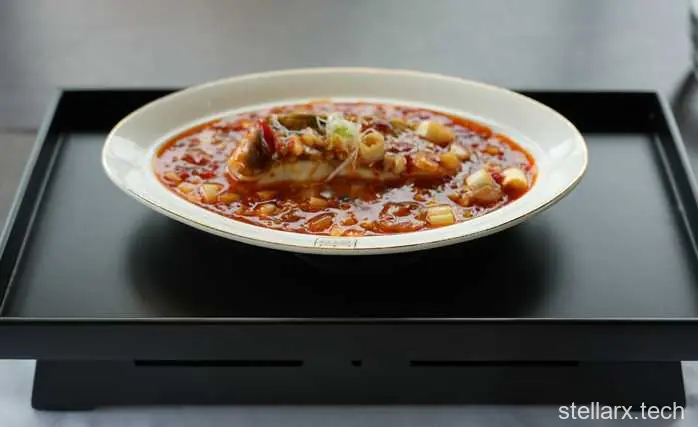
The Master Who Brews Sauces
Zhang Yuanfu is, by craft, a maker of fermented seasonings: a master who brews and blends sauces. The essence of Sichuan cooking he demonstrated, as one longtime diner put it, is "the layered taste of fermented Sichuan-style sauces."
The diner knows both sides of his kitchen. The high-end line, Youyun · Luhui Tianfu 1911, and the traditional Youyun restaurant both lean on a small arsenal of fermented ingredients: doubanjiang (fermented broad-bean paste), pickled vegetables, pickled chilies, fermented egg sauce, sweet wheat paste, and Sichuan wheat paste. Blended, they become compound sauces of surprising depth.
What Fermentation Actually Does to a Bean
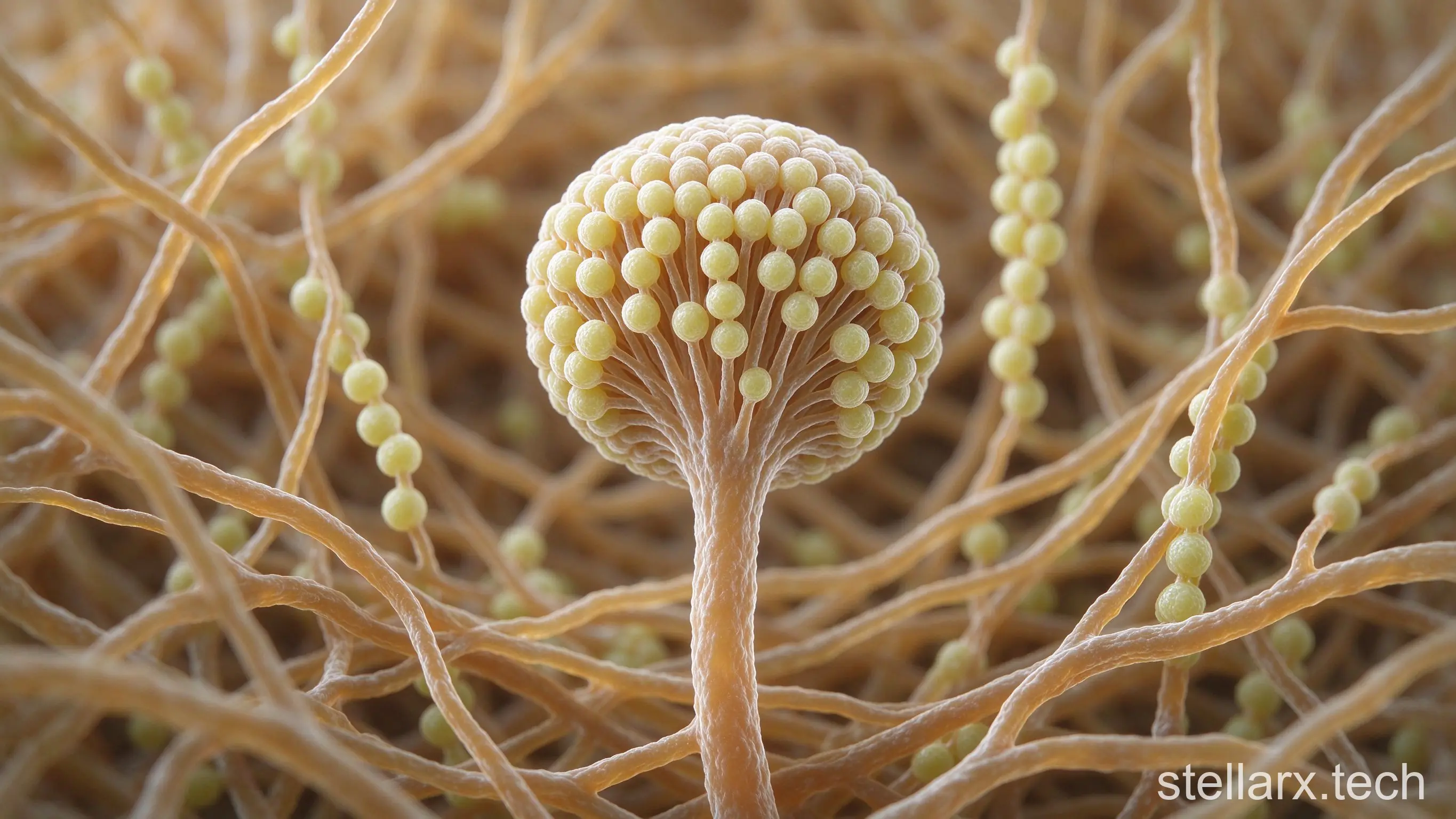
This is where the science hides inside the dish. Fermented bean paste is a living product of microbiology. Its chief worker is a filamentous fungus called Aspergillus oryzae — the same mold family that underpins soy sauce and many Asian fermentations.
The fungus secretes proteases, enzymes that chop the long protein chains in soybeans and broad beans into short fragments and free amino acids. Glutamate and other amino acids are precisely the molecules our tongues read as umami — savory depth. Fermentation also generates organic acids, alcohols, and dozens of volatile compounds. Together they form what the palate experiences as "complex aroma": not one flavor, but a chord.
Studies of broad-bean paste fermentation track exactly this: protein degrading into amino acids and amino-acid nitrogen, while volatile flavor compounds accumulate during aging. The older the paste, the fuller the chord.
A Yard Full of Jars
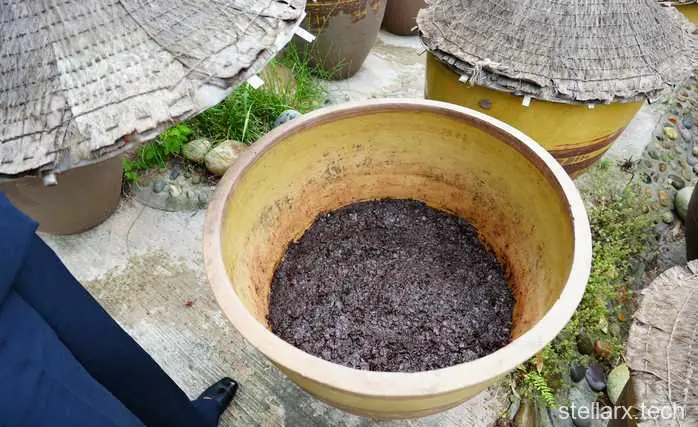
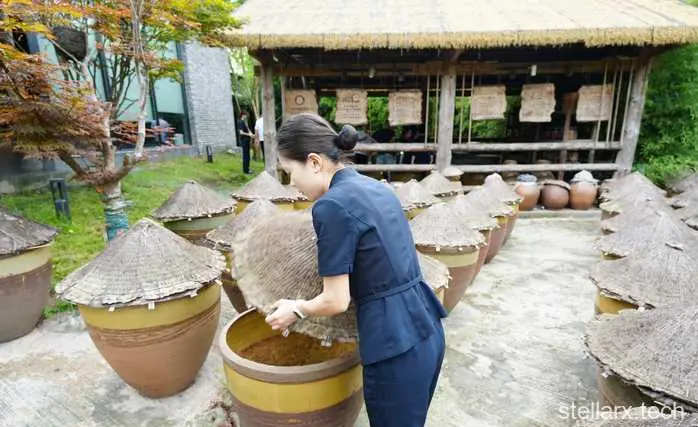
At Youyun, fermentation is not a kitchen trick; it is an operation. Tiers of clay pickle jars sit in open-air workshops, water-sealed at the rim, steaming in the humidity. Big earthen vats hold dark brown paste, lid after lid lifted by workers who have done it for decades. These are not props. They are the flavor bank the restaurant draws from daily.
Sichuan and the Noma Connection
There is a surprising parallel in the diner's observation: Sichuan and Nordic fine dining share a love of fermentation. Noma, the Copenhagen restaurant long ranked number one in the world, built its reputation on a fermentation lab — garum, black garlic, fermented berries. The logic is the same on both ends of the planet: microbes are the cheapest and most creative flavor engine in existence.
Zhang Yuanfu treats fermentation as a system, not a recipe list. In one round he was handed an unfamiliar ingredient, Yunnan hemp-scented pepper (majiang). He tasted it, decided the hemp aroma could enter the Sichuan flavor system, then transplanted the logic of mapo tofu's sauce onto a fish, using his own fermented bean paste. The judges saw a chef who can solve any ingredient with the flavor grammar he already owns.
(The title "national treasure chef" is media hype, not an official rank. The résumé underneath is real: master chef of China, provincial intangible-heritage bearer of traditional Sichuan techniques, heir to the Rongleyuan and Lan-school lineage.)
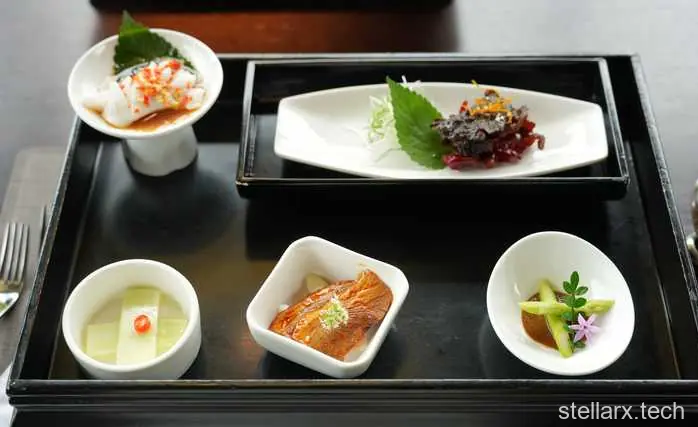
The 24 Flavor Profiles
Sichuan's true strength was never chili. The tradition runs on 24 defined flavor profiles — tangerine-peel, strange, sweet-spice, sugar-vinegar, litchi, and more. The dishes that activated a generation's memory were tangerine-peel rabbit, crispy rice with sauce, crystal rock-sugar and tremella, sweet-and-sour ribs, litchi shrimp. Not the numbing hotpot and red-oil barbecue that dominate today's streets.
Thousands of traditional Sichuan chefs across the province still cook these profiles, quietly. For a diner, that is the most remarkable thing of all — a memory that can still be activated.
Fermentation is why. Every jar of paste is a small microbial factory, converting beans into molecules our taste buds have evolved to crave. The champion did not invent the process. He just never forgot that taste is king — and that the king is built by microbes.
In the WWAI app you can observe an Aspergillus specimen under the digital microscope, where the conidiophore and its radiating spore head are clearly visible. Search WWAI in your app store to see the mold that flavors Sichuan.

References
Lin H, Zhou B, Zhao J, et al. Insight into the protein degradation during the broad bean fermentation process. Food Science & Nutrition, 2022;10(8):2760–2772. doi:10.1002/fsn3.2879
Li H, Lu ZM, Deng WQ, et al. The differences between broad bean koji fermented in laboratory and factory conditions by an efficient Aspergillus oryzae. Frontiers in Microbiology, 2023;14:1139406. doi:10.3389/fmicb.2023.1139406
Liu Y, Liu C, Wang J, et al. Biochemical characterization of important proteolytic enzymes from Aspergillus oryzae revealed by comparative transcriptomics and their application in doubanjiang fermentation. International Journal of Biological Macromolecules, 2025;333(Pt 2):148801. doi:10.1016/j.ijbiomac.2025.148801
All illustrations are AI-generated or sourced from the original article.
Related reading

Always Tired? Low-Grade Inflammation May Be Why


- Fermented Sauces: Why Sichuan's Champion Chef Wins on Taste
- Cisplatin: How an Electrode Accident Became a Cancer Cure
- Lazarus Species: Six Animals That Came Back from Extinction
- Termite Snap-Jaws: The Fastest Insect Mandibles
- Fried Rice Syndrome: Why Leftover Rice Can Poison You
- Washed Eggs: Why a Family Got Poisoned by Scrambled Eggs
- Optogenetics Nobel: Luck, Timing, and the Names Left Off
- Infantile Amnesia: Why You Can't Remember Being Three
- Optogenetics Nobel 2026: How Light Controls Neurons
- Sudden Death and the 100,000 km of Blood Vessels
全部评论