Your Gut Makes Most of Your Serotonin
Some people are born "big-hearted": nothing rattles them, they sleep the moment their head hits the pillow. Others spiral into anxiety and insomnia over the smallest thing.
The difference may not be personality at all. It may be the gut.
The Mood Chemical Your Gut Builds
Serotonin — 5-hydroxytryptamine, the neurotransmitter that keeps your mood stable and your outlook optimistic — also helps regulate appetite, sleep, and memory. When it runs low, people slide into depression and low spirits.
The brain gets the credit for emotions, but roughly 70–90% of serotonin is synthesized with the participation of gut bacteria. This "mood switch" neurotransmitter, once deficient, easily pulls people into depression.
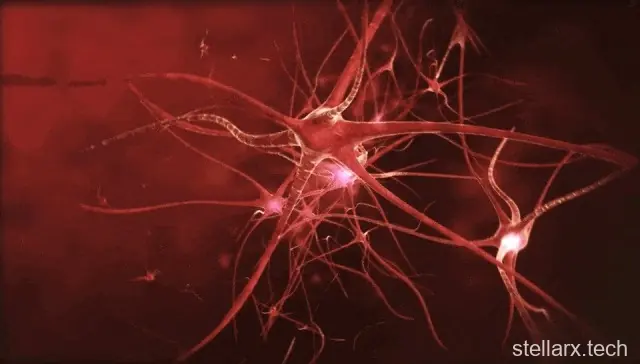
The Brain–Gut Hotline
Beyond running the mood chemical, the brain and the gastrointestinal tract share a dedicated "emotion line" — the gut–brain axis. It works through the vagus nerve, the bloodstream, and the hypothalamic–pituitary–adrenal (HPA) axis, giving bidirectional control over gut motility, emotions, and cognition.
That's why stress gives you diarrhea, anxiety makes you nauseous, and happiness opens your appetite. The gut–brain axis is the phone line connecting all of it.
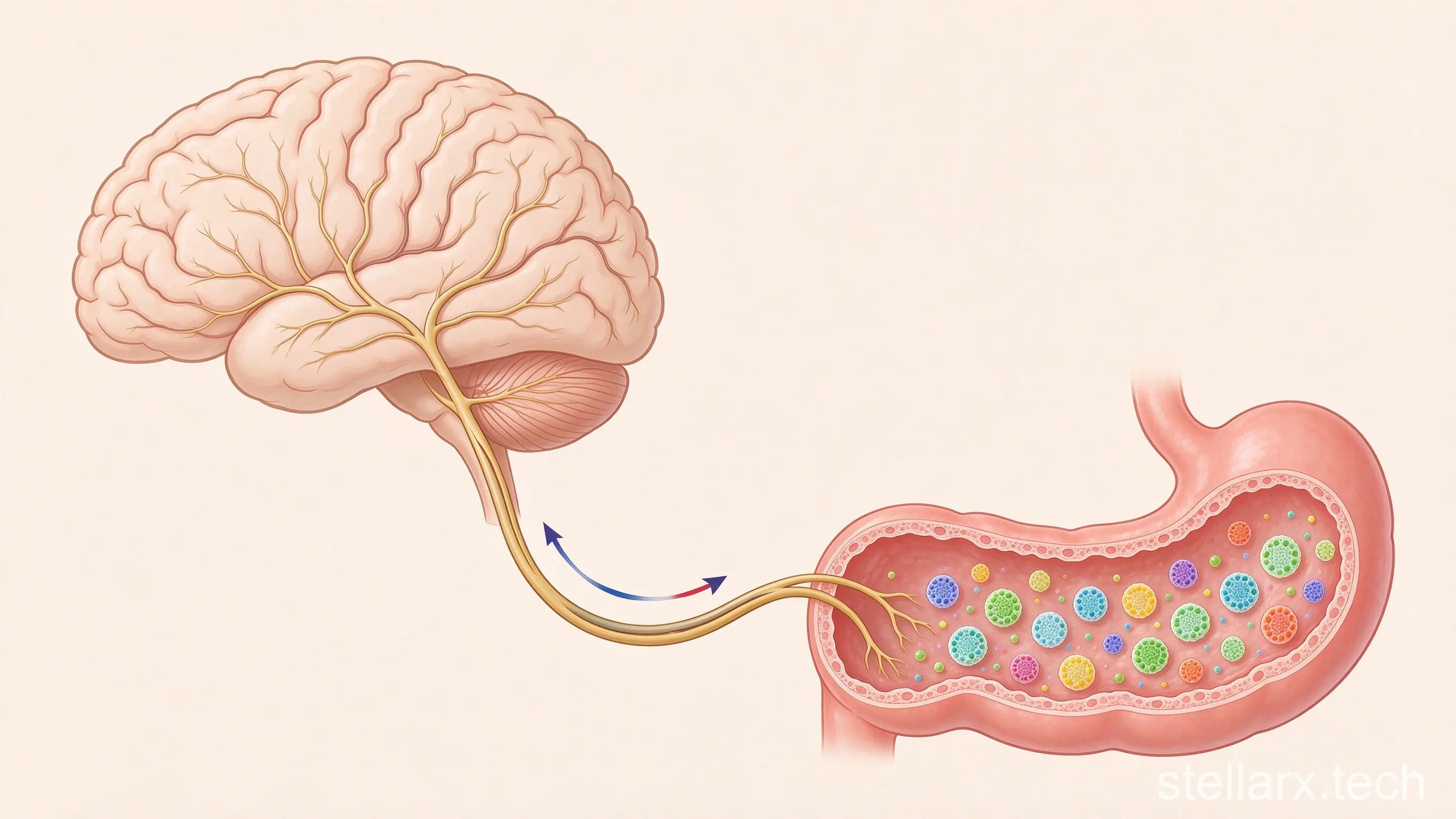
The gut is both a digestive organ and an emotional organ — the "second brain." Previous studies found that up to 49.3% of patients with functional dyspepsia have comorbid psychological disorders, and symptom severity tracks the severity of the psychological condition.
Put simply: the gut is a key organ for emotional stability, optimism, and laughter.
The Microbiome Diversity Dividend
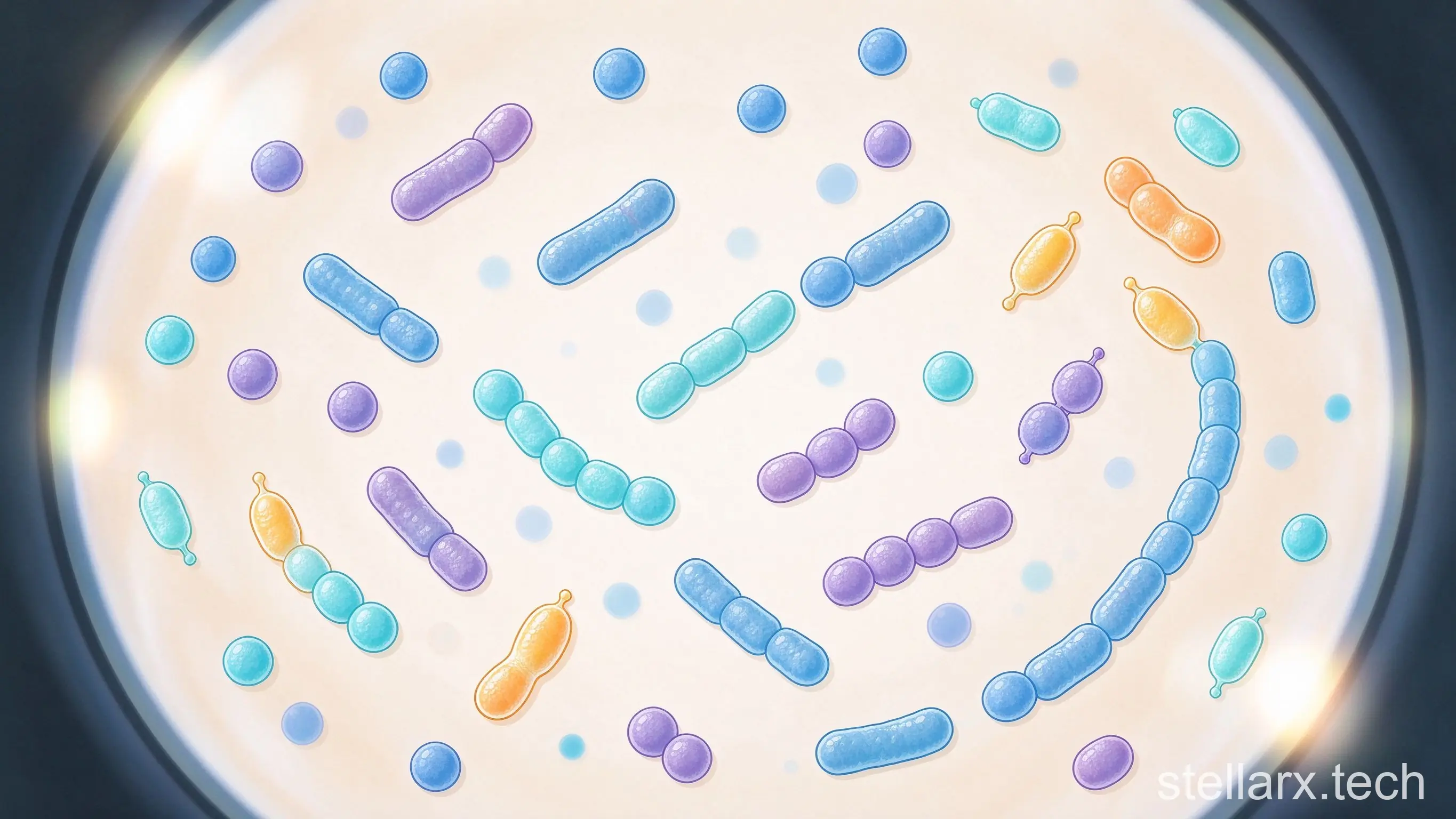
The gut hosts a huge microbial community. Beyond helping digestion, it shapes immunity and metabolism. One research team's 20-plus-year study found that healthy people have higher gut microbial diversity than sick populations — and long-lived elderly people show significantly higher diversity than generally healthy seniors.
In another analysis of 21 studies covering 1,503 participants — including healthy people and those with chronic conditions that raise anxiety risk, such as irritable bowel syndrome and type 2 diabetes — gut microbiome interventions relieved anxiety symptoms with an 86% effectiveness rate.
Even more striking: the researchers noted that non-probiotic interventions — changing your diet to reshape the gut microbiome — worked better for mood. Compared with just popping probiotic supplements, eating well may be the better "emotional prescription."
Six Ways to Strengthen the Gut That Carries Your Mood
An old saying goes: "Draw the strongest bow, shoot the longest arrow." Applied to gut and mood, that means steadying your serotonin and feeding your microbiome — while keeping away from the habits that age the gut faster.
1. Eat a custom fiber plate. Dietary fiber is the microbiome's food. Healthy adults should aim for 25–30 grams of fiber daily — roughly 500 g of vegetables, 200 g of fruit, and 50 g of whole grains — with dark-colored vegetables preferred. Raw bananas and refrigerated cooked potatoes are rich in resistant starch; konjac flour and inulin act as prebiotics. Diabetics can add konjac, oats, and other low-glycemic foods to stabilize blood sugar and suppress harmful bacteria. Note: people with liver disease, chronic diarrhea, the elderly, and children should avoid high-fiber diets. Also avoid high sugar, fat, and salt, and quit smoking and alcohol.
2. Move to activate. Exercise promotes gut motility and keeps the gut environment "clean and comfortable." Aim for 150 minutes per week of moderate-intensity activity like running or brisk walking; cut sitting time, and stand up for 5 minutes for every hour seated.
3. Keep a regular schedule. Gut motility and its microbes have developed their own biological clock through long coexistence with the body. Irregular sleep and chronic late nights disrupt the flora and gut function — the most obvious signs: bad breath and constipation in many night owls. Sleep before 11 p.m., fast for 1 hour before bed, and keep meals regular within a half-hour window.
4. Don't let negative emotions pile up. Prolonged stress, anxiety, depression, and other negative states easily disturb gut function. The gut, in turn, impairs cognition and sleep, worsening the mood problem. Learn to decompress: stay in good spirits and take time for meditation.
5. Get daylight. Sunlight boosts serotonin synthesis, with an immediate effect on mood. Outdoor activity and adequate sun exposure improve overall health, better mood, better sleep, and significantly lower depression risk.
6. Avoid casual antibiotics. Antibiotics fight infection — and they also "kill" gut bacteria, friend and foe alike. Use them only as prescribed by a doctor.
The gut you feed today is the mood you carry tomorrow.
Curious what those bacteria actually look like under a microscope — the tiny residents that help build your serotonin? WWAI is an AI-powered biology encyclopedia with an online microscope, including an E. coli specimen where Gram-negative rod-shaped bacteria are clearly visible. Search "WWAI" in your app store and download it today.
Related reading

Why You Poop When Leaving Home: Gut-Brain Axis

Alpha-Gal Syndrome: The Tick-Borne Meat Allergy

Glowing Algae: A Lockdown Story of Luck
References:
Locally adapted from a public health science article for this site's science-communication positioning. Study figures cited (70–90% gut-derived serotonin, 49.3% dyspepsia comorbidity, 86% anxiety intervention effectiveness) come from the source article's review of published research. All illustrations are AI-generated except where marked as source images.
- Your Kidneys Are a Selective Filter You Can Ruin
- Testicular Torsion: The Six-Hour Clock Ticks at Home
- Your Gut Is a Second Brain. It Also Votes on What You Eat
- Prostate Calcification: What the Blip Really Means
- A Daily Bubble Tea Turned This Teen's Neck Black
- Your Gut Makes Most of Your Serotonin
- Raw Spring Water Almost Killed a 61-Year-Old
- Why Restaurant Meals Leave You So Thirsty
- Why Porridge Spikes Blood Sugar Like Soda
- How the Kidney Filters 180 Liters of Plasma a Day
全部评论