Why Porridge Spikes Blood Sugar Like Soda
You cut white rice, white bread, and noodles to control your blood sugar. And meanwhile the real culprits are sitting quietly on your breakfast table, wearing the costume of "healthy food."
A bowl of millet porridge can raise blood sugar faster than white-rice porridge. A baked sweet potato hits a glycemic index of 94 — higher than the sweet potato you steamed. Grind whole grains into powder and their starch gets exposed, digesting almost instantly. Here's which "healthy" staples are secretly sugar machines.
The "Healthy" Staples That Are Sugar Machines
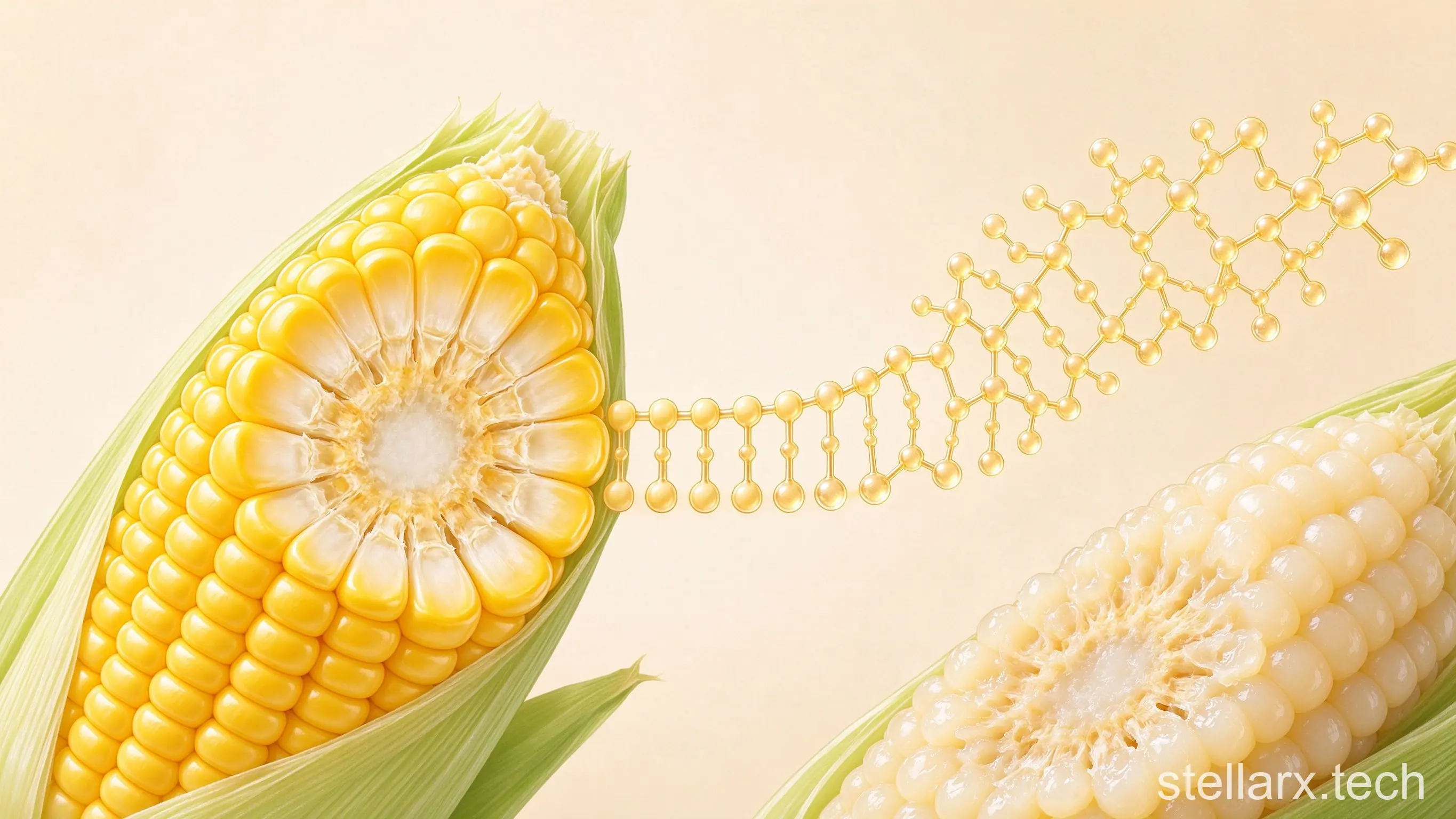
Sticky corn beats sweet corn, despite tasting less sweet. Sweet corn has a glycemic index around 55; waxy (sticky) corn — which barely tastes sweet — climbs to 70 to 80 or higher. The difference is starch type: sticky corn is almost pure amylopectin, a highly branched starch that gelatinizes in water easily and gets broken down fast, sending blood sugar up visibly quicker.
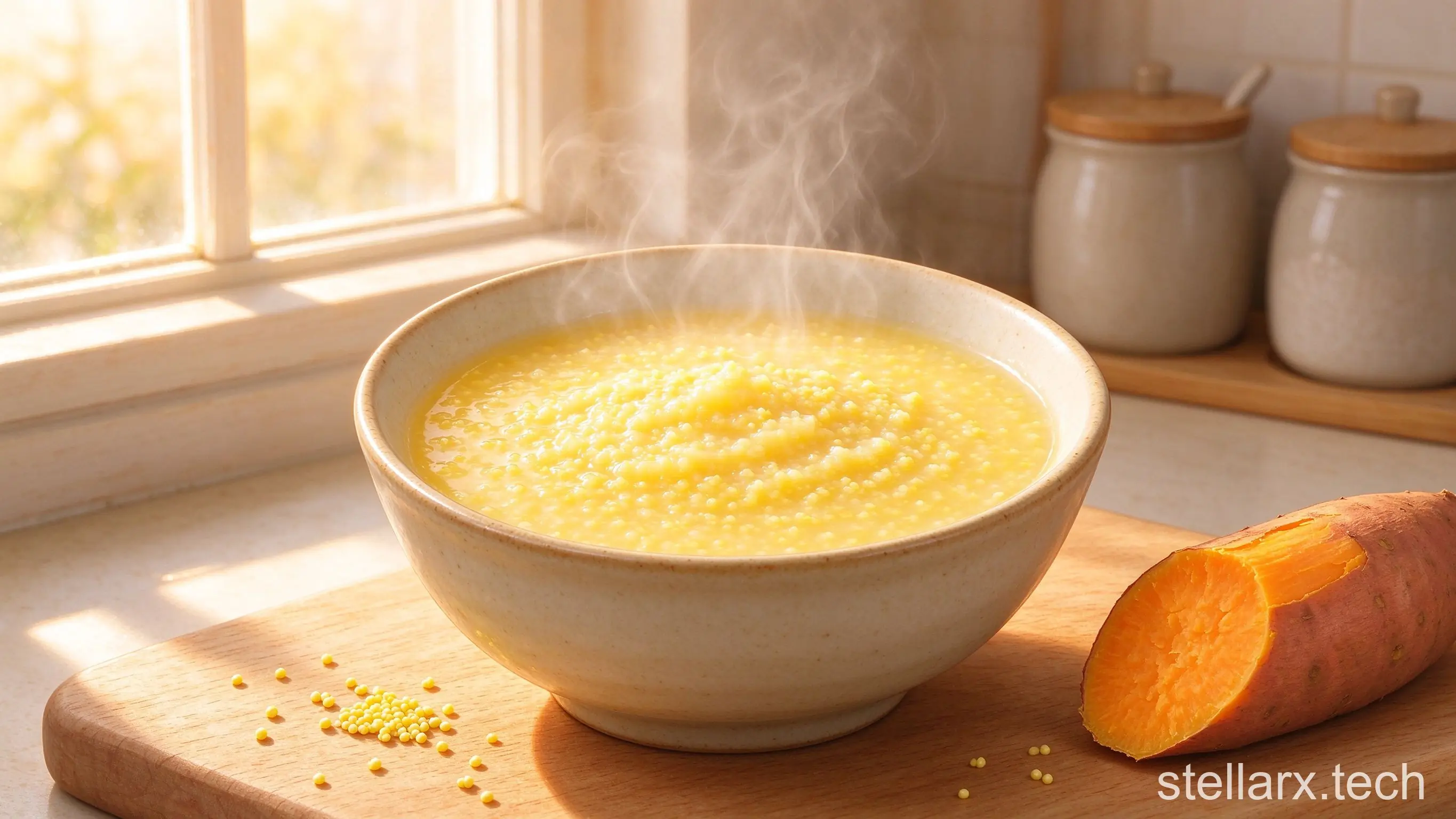
Millet porridge is faster than white-rice porridge. And its speed depends on how you cook it: the softer and more gelatinized the grains become, the faster and higher your blood sugar climbs.
Baking a sweet potato converts it. Steamed or boiled sweet potato lands at GI 63–77 — already mid-to-high. Baked, it jumps to 94. Roasting converts some of the sucrose into maltose, which raises blood sugar faster than sucrose. The numbers from the source table:
| Sweet potato | Calories (kcal / 100 g) | Glycemic index (GI) |
|---|---|---|
| Steamed or boiled | 76 | 63–77 |
| Baked / roasted | 90 | 94 |
Cereal powder loses the benefit of whole grains. Whole grain kernels take time to be broken down by your digestive tract; ground into powder, the starch granules are exposed directly, digestion speeds up dramatically, and so does the glucose hit.
Six Staples That Spike Faster Than You Think
Liangpi (cold rice noodles) are made from refined wheat starch, already highly gelatinized during production. Digestive enzymes tear them apart into glucose almost immediately — and the sesame paste, chili oil, and seasoning you eat them with keep blood sugar elevated for hours.
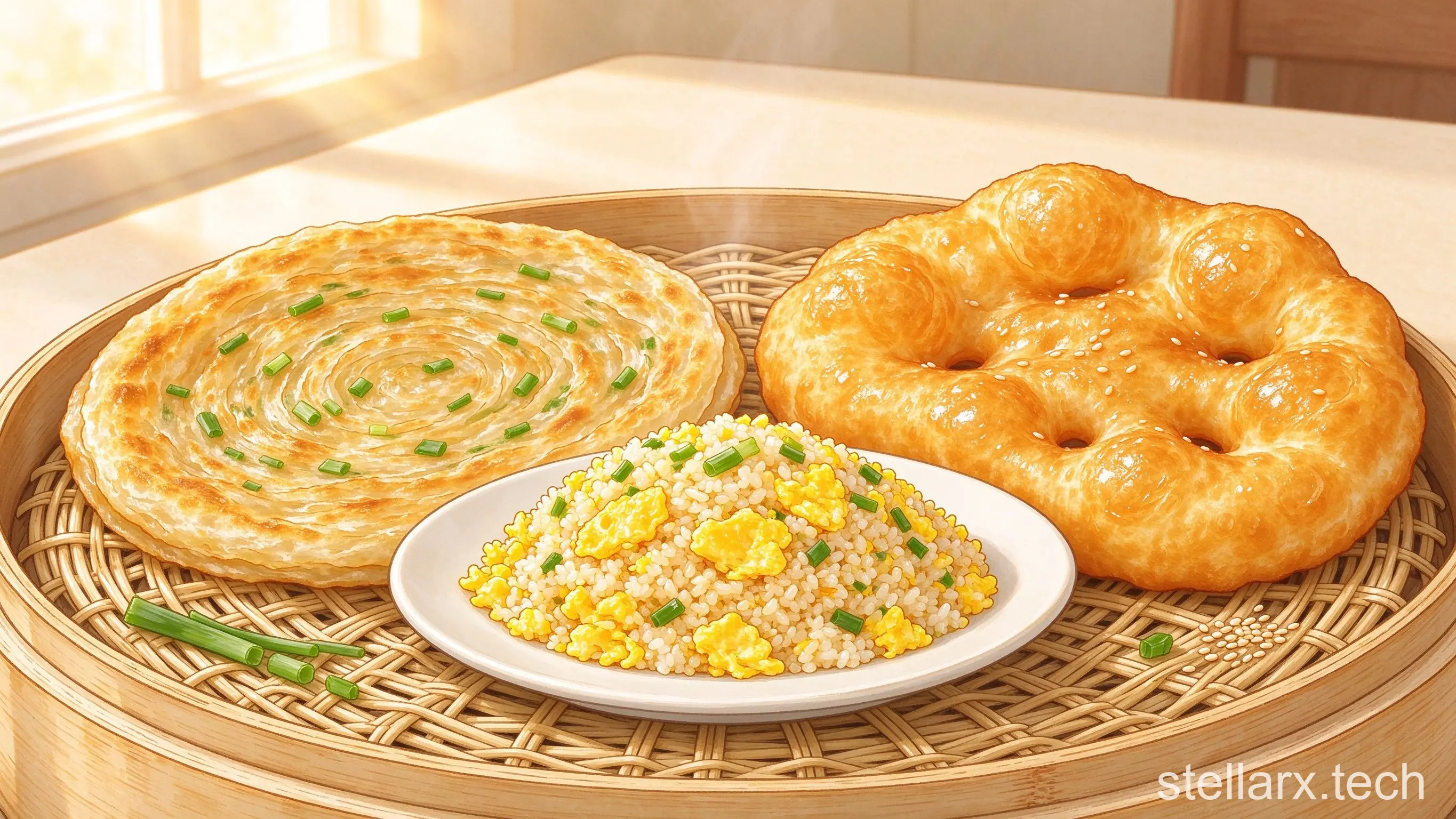
Scallion pancakes combine refined flour with a large amount of oil. The refined flour raises sugar fast; the oil forces the pancreas to work harder, and an overworked insulin response leaves blood sugar higher, peaking higher.
Egg-fried rice doesn't get safer by being day-old. Reheating and frying the retrograded starch doesn't lower the spike. The same logic applies to youtiao (fried dough sticks) and fried sesame balls: soaked in oil, they empty from the stomach slower but produce a blood sugar curve that's "high and long" — elevated for a long time.
Pumpkin porridge flips a mild food into a sugar bomb. Steamed pumpkin affects blood sugar gently. Slow-boil it into a thick porridge and the starch fully gelatinizes, particles break down, and the sugar load approaches that of sugar water.
Geda tang (flour-drop soup) is made from refined white flour that gelatinizes fully when cooked — and because it's a liquid food, it empties from the stomach fast, so post-meal blood sugar spikes hard.
Tangyoubing (sugar-oil pancake) is the most aggressive of all: refined flour, heavy oil, and added sugar in a triple combination. It spikes faster and peaks higher than any other everyday staple.
How to Keep Blood Sugar Steady
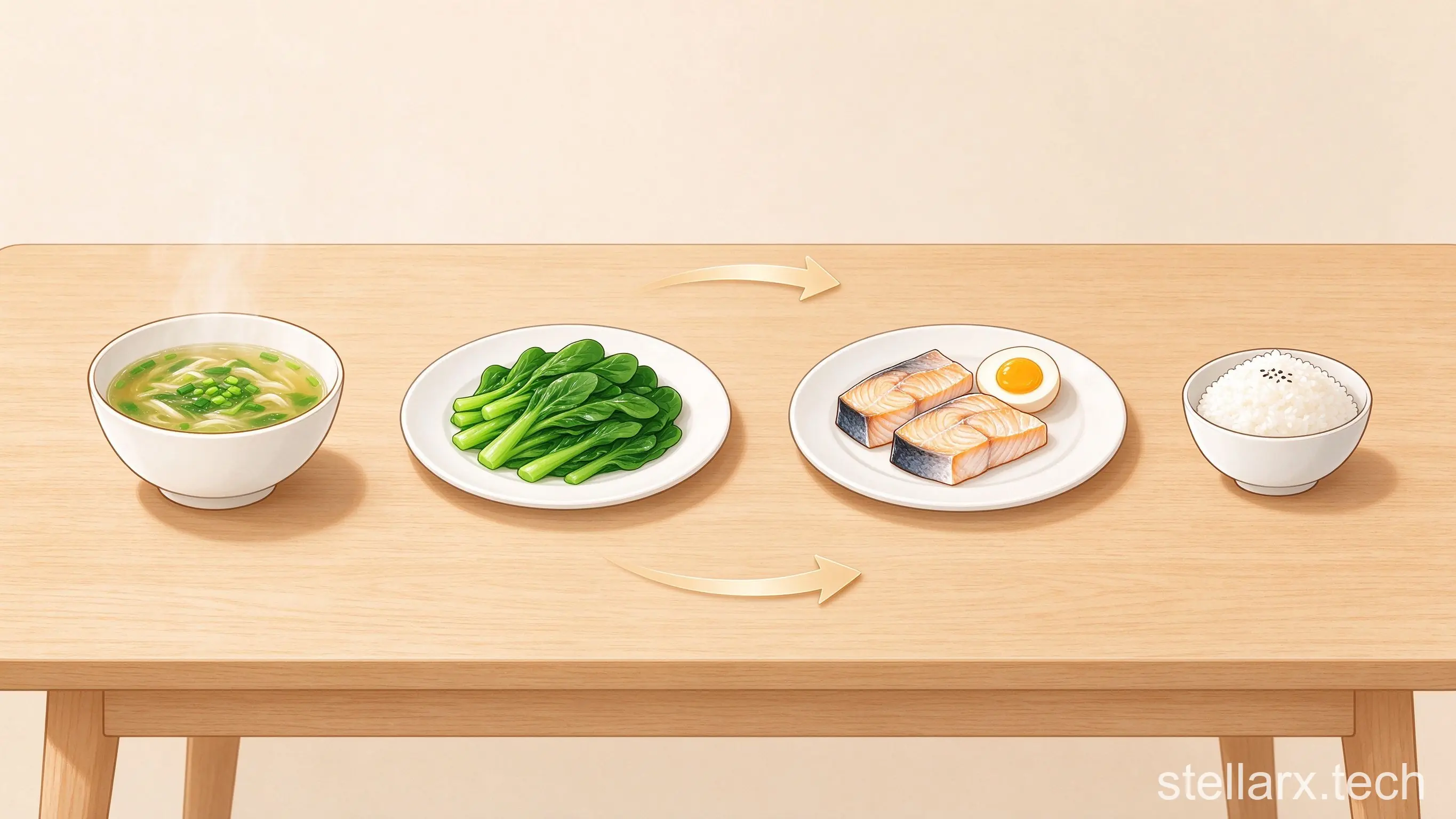
Fix the order of your meal. Start with light soup, then vegetables, then meat, fish, and eggs, and eat the staple last. This delays carbohydrate absorption and stops glucose from jumping all at once.
Mix coarse grains into your staples. White rice and white flour digest fast; add oats, corn, brown rice, or buckwheat. But choose the right kind — avoid the waxy varieties, and don't grind them into powder.
Control the portion. Keep each meal's staple to about the size of your fist, and stop at 70–80% full.
A bowl of porridge can behave like a glass of sugar water — not because porridge is bad, but because gelatinized starch is glucose waiting to happen. The trick isn't giving up rice and noodles; it's knowing which "healthy" food is doing the same job in disguise.
Ever wondered what those starch granules look like — the ones that break apart into sugar so fast when you boil, bake, or grind? WWAI is an AI-powered biology encyclopedia with an online microscope, including a potato stem specimen where starch-filled storage cells are clearly visible. Search "WWAI" in your app store and download it today.

Related reading

Why 'Sugar-Free' Mooncakes Can Still Spike Your Blood Sugar

Pomelo: The Low-Calorie Fruit That Fills You Up

Why Does Osmanthus Smell So Sweet? The Science Behind China'…
References:
All illustrations are AI-generated. Data in the sweet potato table (calories and glycemic index for steamed/boiled vs. baked sweet potato) is taken from the source article's comparison chart.
- Your Kidneys Are a Selective Filter You Can Ruin
- Testicular Torsion: The Six-Hour Clock Ticks at Home
- Your Gut Is a Second Brain. It Also Votes on What You Eat
- Prostate Calcification: What the Blip Really Means
- A Daily Bubble Tea Turned This Teen's Neck Black
- Your Gut Makes Most of Your Serotonin
- Raw Spring Water Almost Killed a 61-Year-Old
- Why Restaurant Meals Leave You So Thirsty
- Why Porridge Spikes Blood Sugar Like Soda
- How the Kidney Filters 180 Liters of Plasma a Day
全部评论