Lobster Mushroom: The Fungus That Parasitizes Mushrooms
The thing in the photo below is called a lobster mushroom. But it is neither a lobster, nor a mushroom.
It is actually a fungus in the phylum Ascomycota — Hypomyces lactifluorum. It parasitizes mushrooms in the genera Lactarius (milk caps), Lactifluus, and Russula (russulas), gradually covering the entire fruiting body until the host is unrecognizable and slowly dies. Infected specimens turn bright orange-red, like the shell of a cooked lobster.

Hypomyces lactifluorum is mainly found in North America. It tastes like seafood, with a dense, meaty texture, and is sold commercially there as food. Parasitism even rewrites the host's flavor: Lactifluus piperatus, the peppery milk cap, is naturally hot — once parasitized, it is no longer spicy.
A Genus of Mushroom Parasites
Hypomyces belongs to the Ascomycota: class Sordariomycetes, order Hypocreales, family Hypocreaceae, genus Hypomyces. Every species in this genus parasitizes mushrooms.
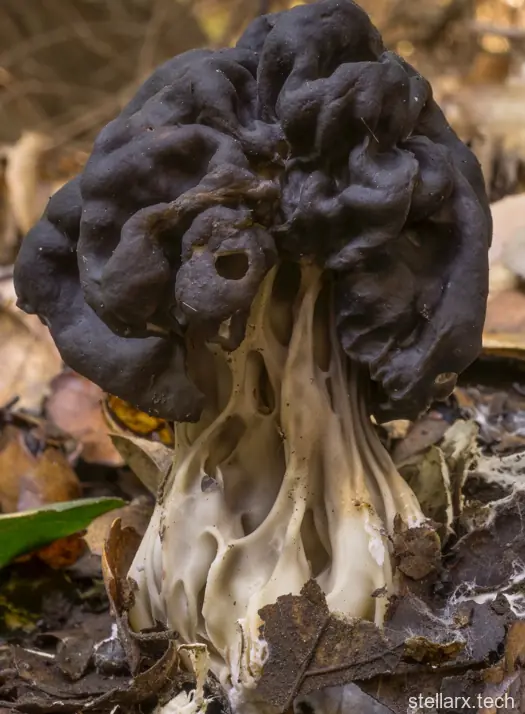
Hypomyces cervinigenus parasitizes saddle-shaped mushrooms of the genus Helvella.
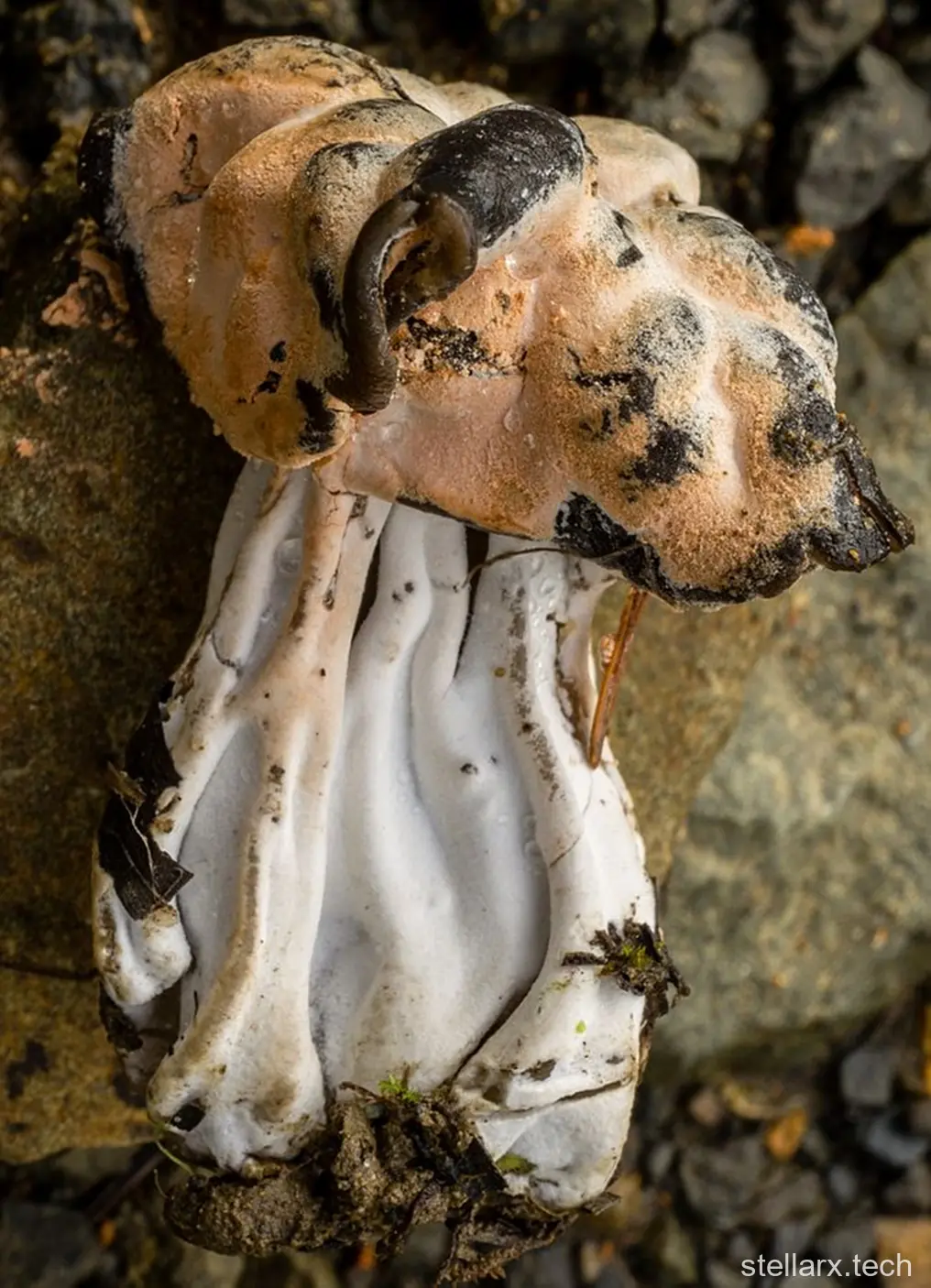
This is what the host normally looks like — which is why the parasite is called H. cervinigenus ("deer-colored"):
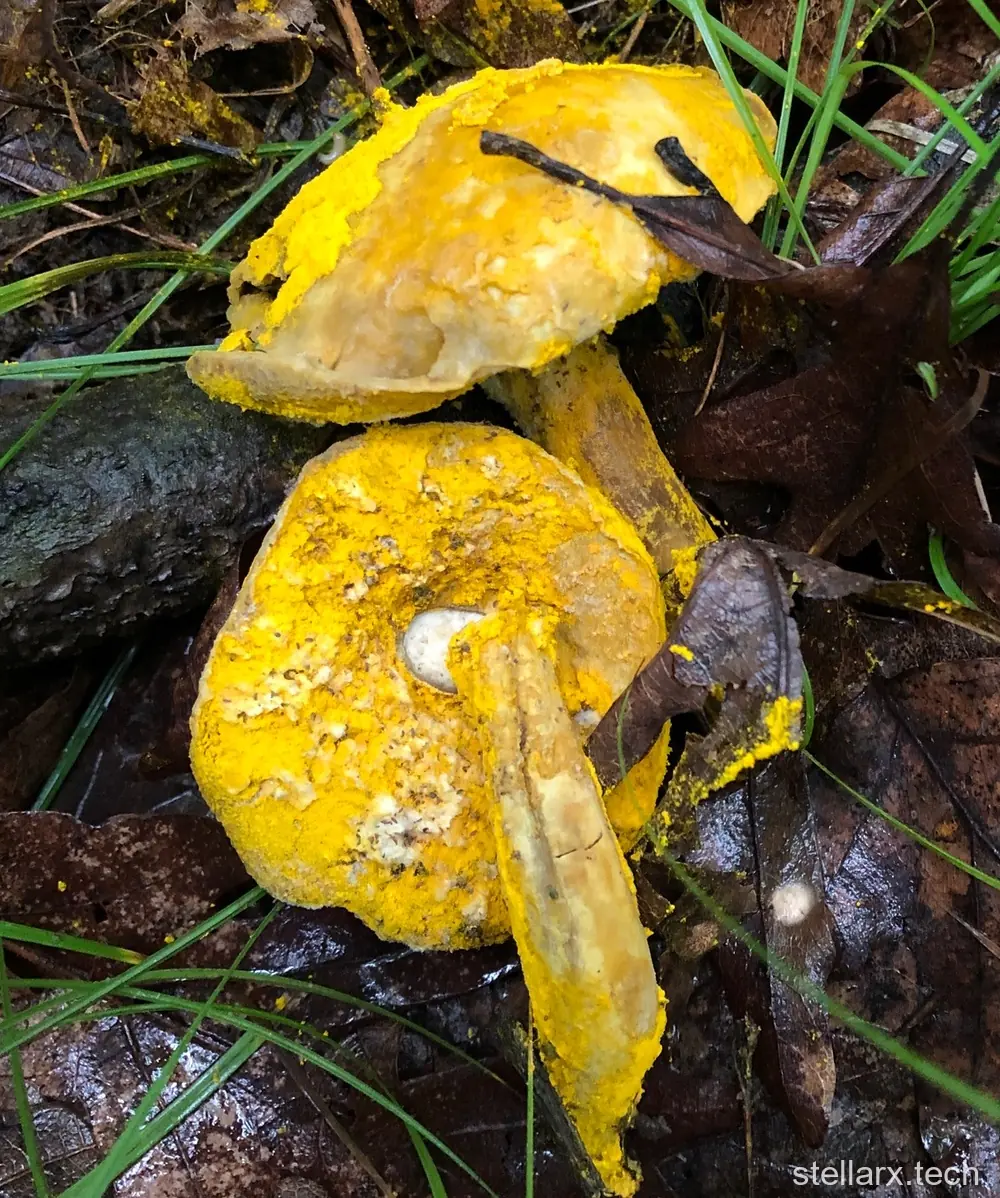
Hypomyces chrysospermus parasitizes boletes. At first it forms a thin layer over the mushroom, which gradually turns golden yellow as the parasite's spores develop.
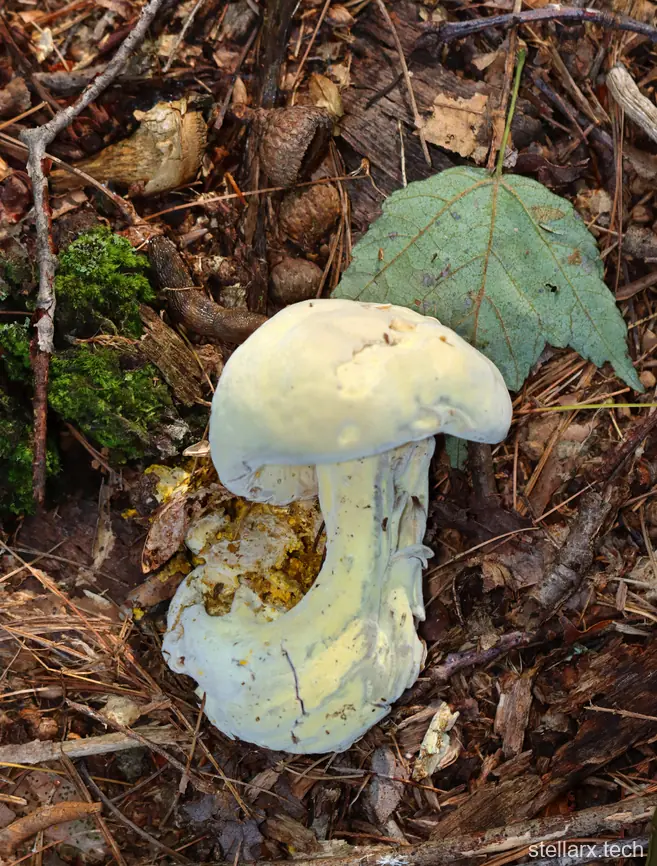
Later, the golden spore layer covers the bolete completely.
Hypomyces hyalinus parasitizes Amanita mushrooms. The host's fruiting body is gradually wrapped until it is unrecognizable and finally dies. Unless an uninfected mushroom of the same species grows nearby, you cannot tell what the host was at all.
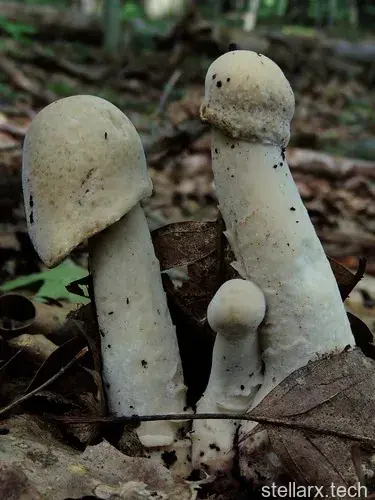
Beyond Hypomyces, there are many other fungi that parasitize fungi. Hypomyces species are ascomycetes; mushrooms are mostly basidiomycetes. Given that most ascomycetes parasitize plants and animals, an ascomycete parasitizing a basidiomycete seems almost reasonable.
When a Mushroom Parasitizes a Mushroom
Basidiomycetes can also parasitize other basidiomycetes.
The best-known example is Asterophora lycoperdoides — a mushroom that grows on mushrooms, mainly parasitizing species of Russula.
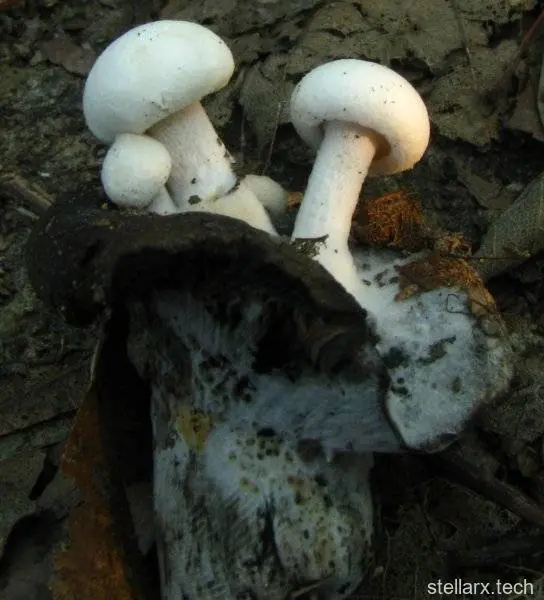
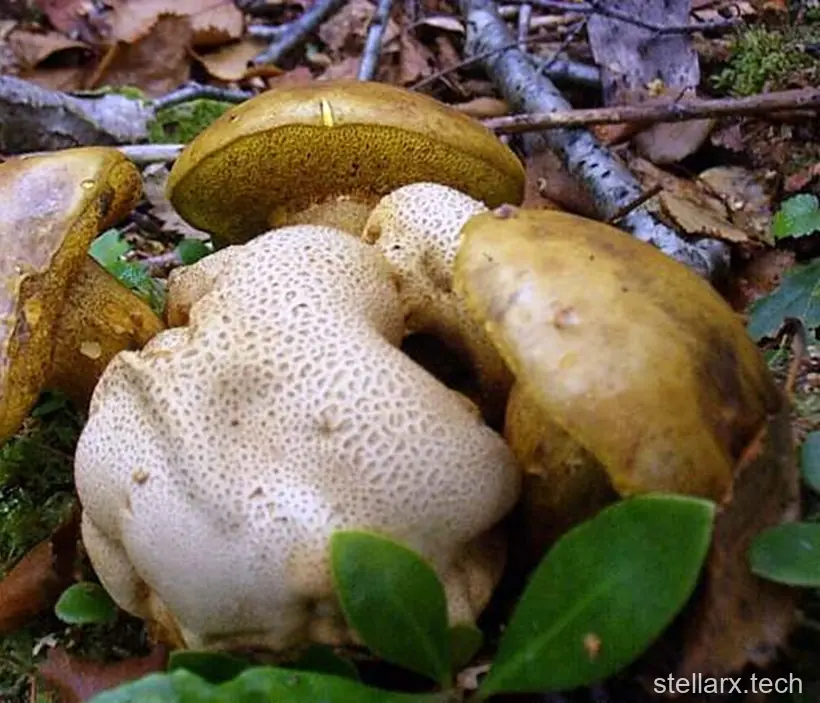
Pseudoboletus parasiticus parasitizes the hard earthball Scleroderma citrinum.
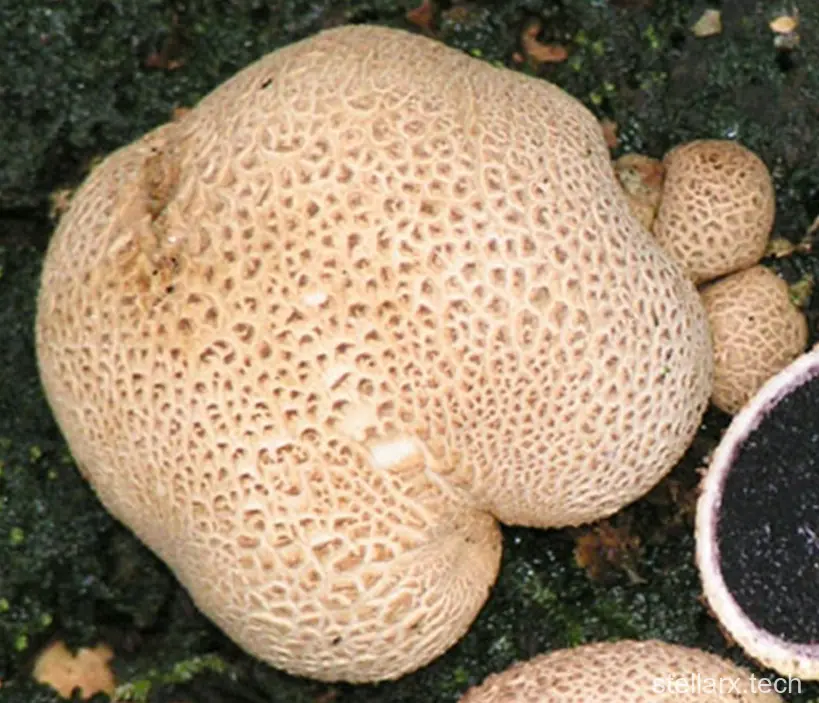
When infected, the earthball sprouts these bolete-like fruiting bodies of its parasite.
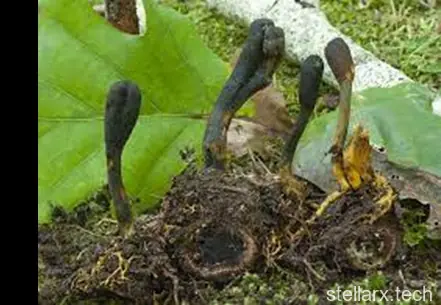
And ascomycetes can parasitize ascomycetes: Tolypocladium ophioglossoides (formerly in the genus Elaphocordyceps, the "deer truffle club") parasitizes the false truffle Elaphomyces.
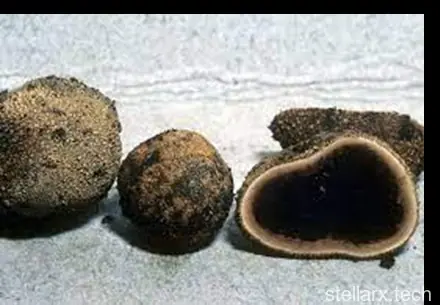
Infection turns the false truffle into a base for the parasite's club-like fruiting bodies.
The Silver Ear Mushroom: A Fungus That Lives on Fungus
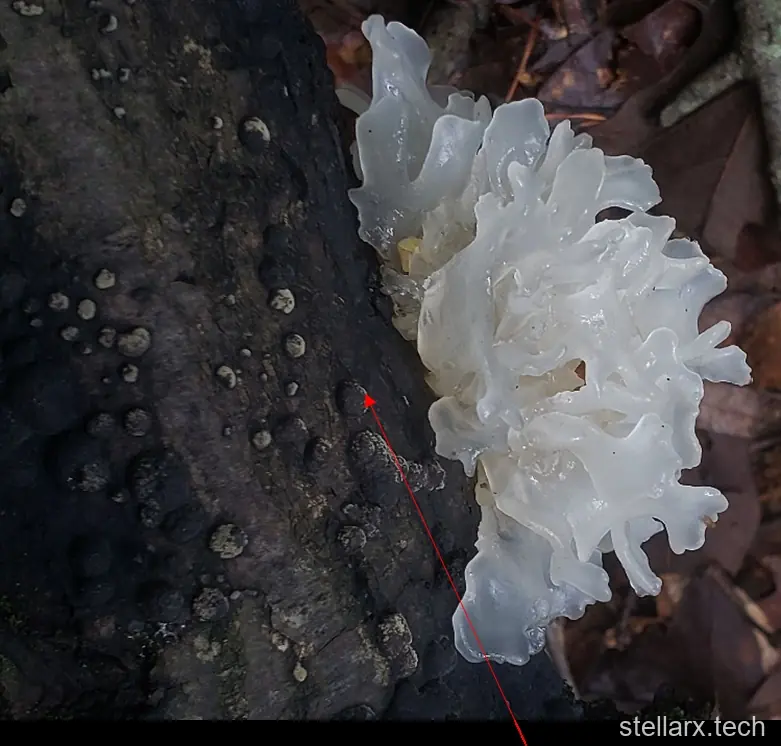
Among fungi that parasitize fungi, the most famous is the silver ear mushroom, Tremella fuciformis. In fact, the sexual state of every species in the entire class Tremellomycetes — including the silver ear mushroom you see in daily life — is parasitic on other fungi, while their asexual states need no fungal host.
The sexual-stage silver ear cannot get nutrients by simply degrading rotting wood. It mainly parasitizes ascomycetes in the family Hypoxylaceae (carbon fungi), with a strong preference for Annulohypoxylon archeri. That is why commercial cultivation must sow carbon fungus spores together with the silver ear — and why this is a textbook example of a basidiomycete parasitizing an ascomycete.
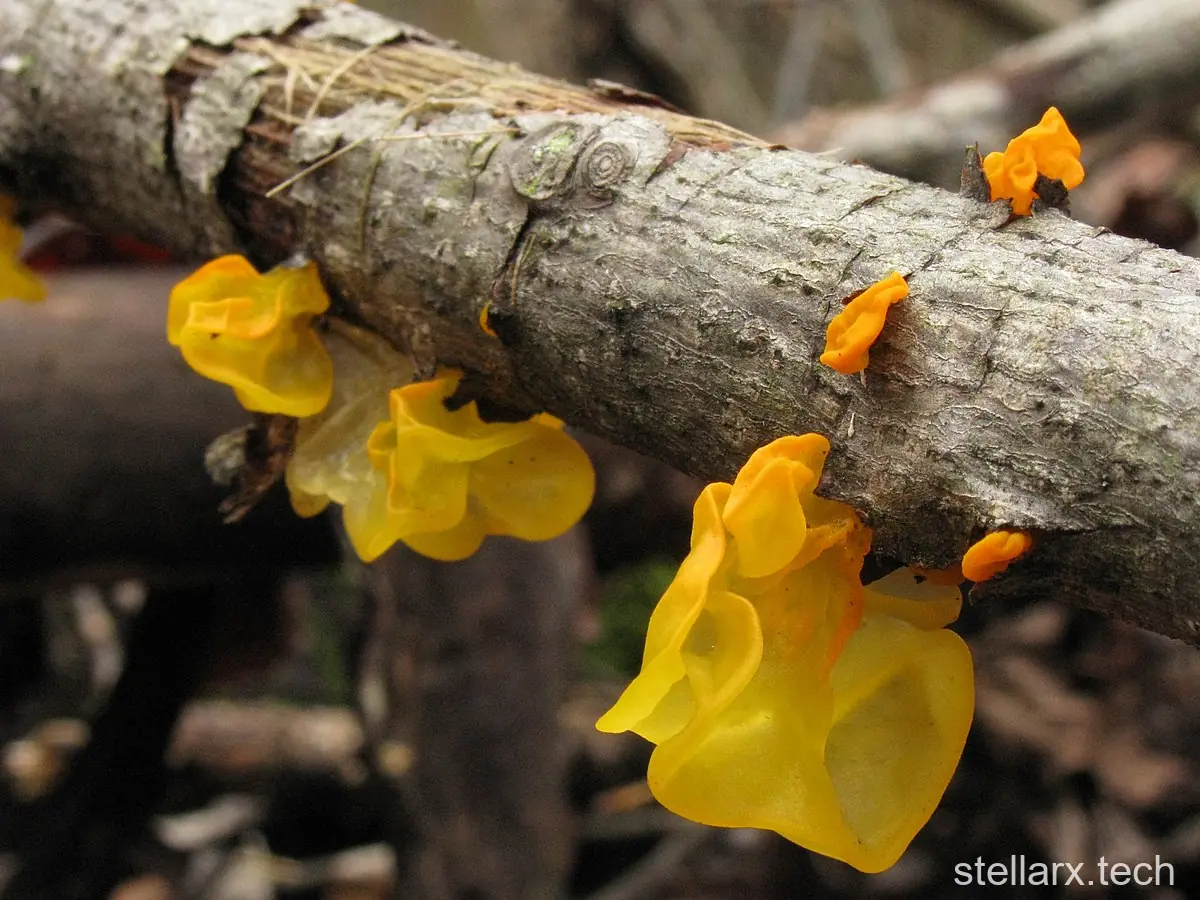
Tremella mesenterica, the golden ear or witch's butter, parasitizes basidiomycetes instead — for example, the crust fungus Peniophora.
When the Parasite Itself Gets Parasitized
Everything described so far is a fungus parasitizing another fungus, but the hosts were mostly saprophytes or plant-symbionts. What if the host fungus is itself a parasite?
Fungi of the order Erysiphales parasitize plants and cause powdery mildew. Ampelomyces quisqualis can parasitize various powdery mildews — and is therefore used as a biocontrol agent against them.
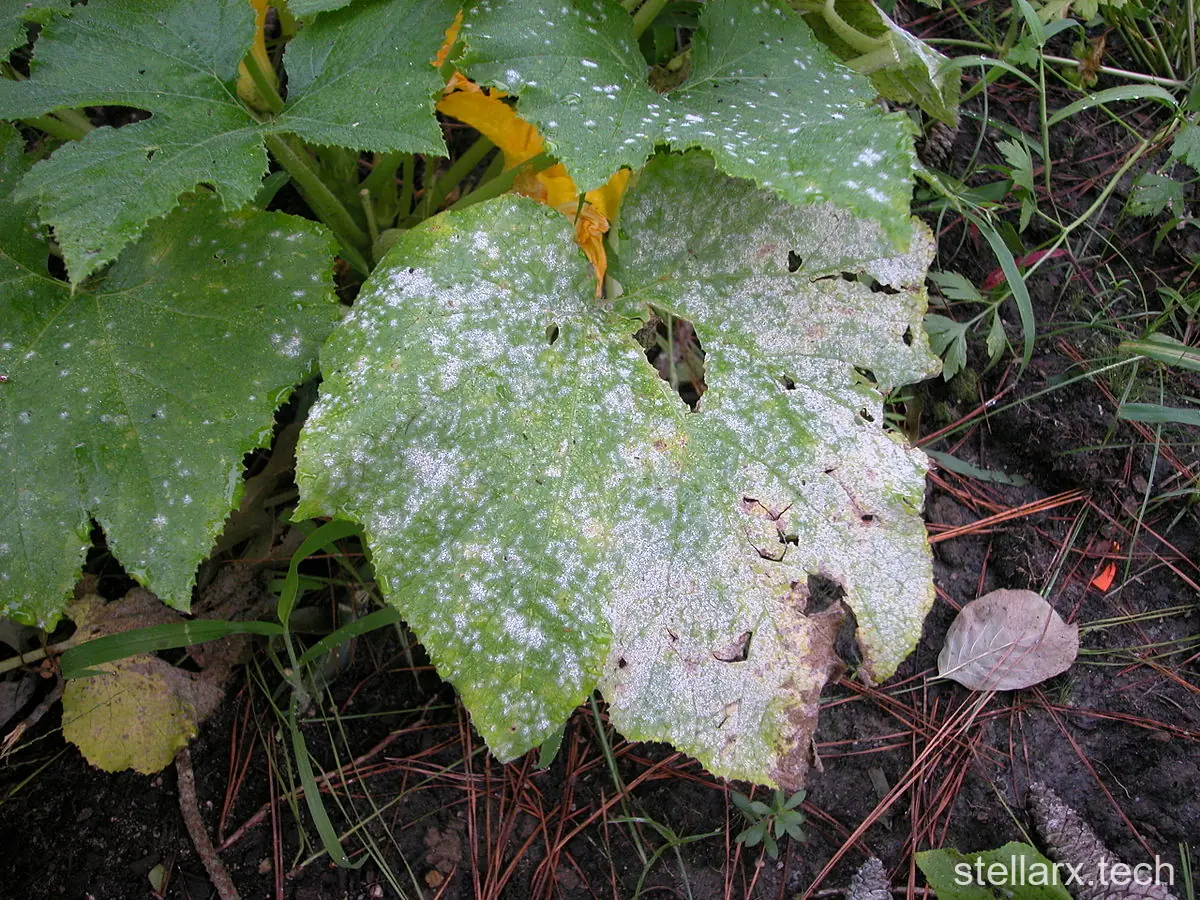
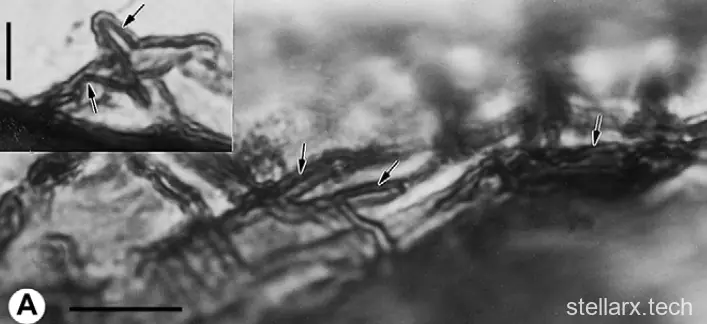
Under the microscope, the parasitic interaction between these fungi comes into view.
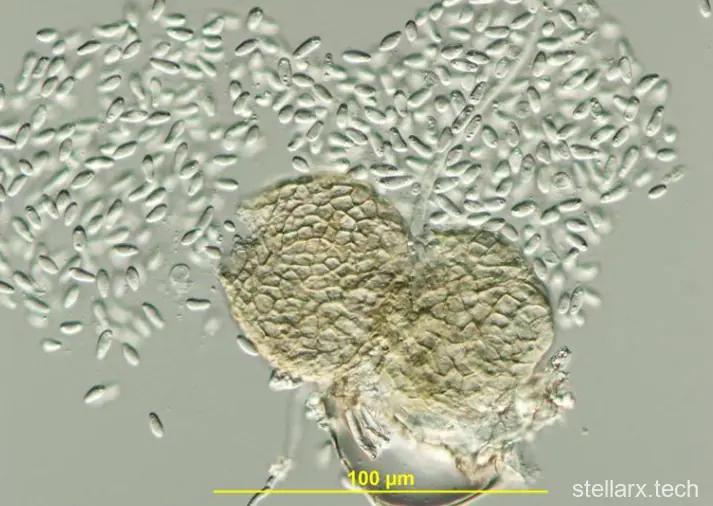
Puccinia is a parasitic basidiomycete that causes plant rust diseases. Fungi of the genus Sphaerellopsis can parasitize and destroy Puccinia, and are already used to treat rust infections.
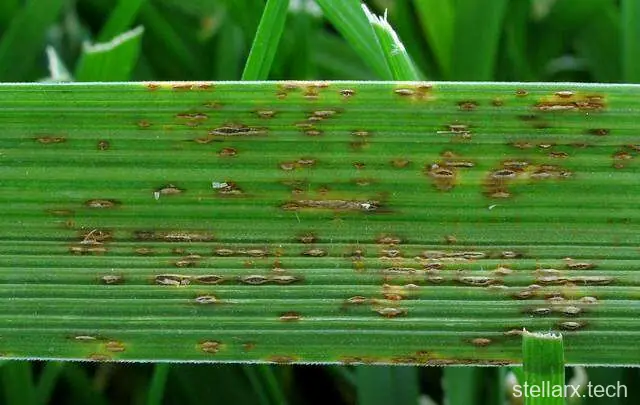
Many species of Gliocladium (Verticillium-like) and Trichoderma parasitize plant-pathogenic fungi and are used for disease control. The micrograph below shows Orbilia oligospora hyphae entwining around the plant pathogen Rhizoctonia solani.
And on top of that, there are fungi that parasitize the fungi that parasitize fungi.
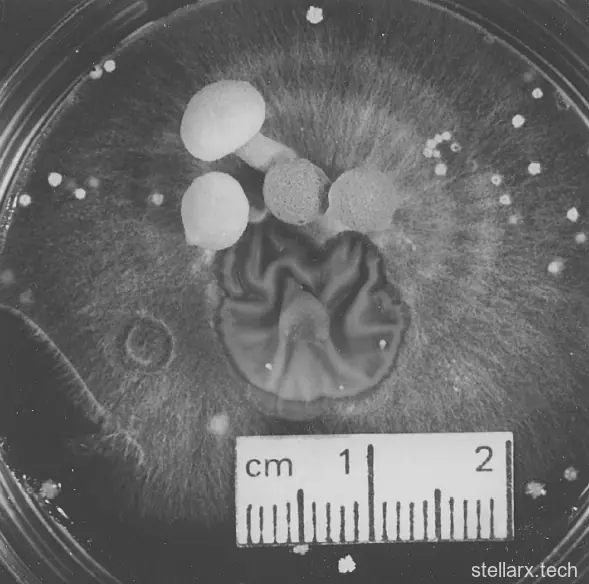
The mushroom-parasitizing Asterophora lycoperdoides described earlier is itself colonized by a yeast-like fungus of the genus Vanrija (class Tremellomycetes), as shown in lab culture.
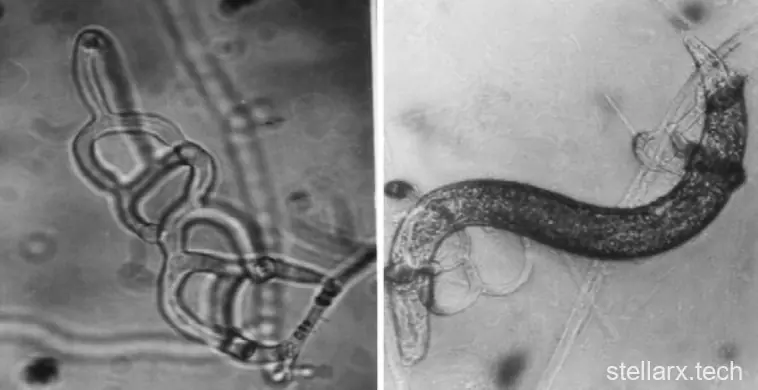
Sporothrix epigloea parasitizes (living) silver ear mushroom. So you get a log of carbon fungus covered in silver ear, covered in Sporothrix epigloea — a fungus on a fungus on a fungus on a fungus.
The nesting goes back at least 100 million years. In Early Cretaceous amber, researchers found the parasitic fungus Mycetophagites atrebora growing on an ancient mushroom Palaeoagaracites antiquus — and that parasitic mushroom was itself infected by the ascomycete Entropezites patricii.
Parasitism in the fungal kingdom is a stacking game played with spores: an ascomycete hijacks a mushroom, a basidiomycete hijacks that ascomycete, and somewhere in Early Cretaceous amber, a third fungus was already joining the pile. Even the famous silver ear mushroom in your soup is a parasite — one that quietly turned a carbon fungus's wood into its own dining room.
Curious what a parasitic fungus looks like under a microscope? WWAI is an AI-powered biology encyclopedia with an online microscope, including a silver ear fungus specimen where the gelatinous hyphae and basidia are clearly visible — the very fungus that spends its sexual life parasitizing carbon fungi. Search "WWAI" in your app store and download it today.
References
Community photographs from the original answer; scientific names follow public taxonomic references.
All illustrations and photos are used as sourced from the original article.
Related reading

Why Open-Air Car Carbon Monoxide Kills


- 同手性是什麼?2026 諾貝爾化學獎得主解開生命之謎
- Homochirality Explained: Nobel Chemistry 2026 | stellarx
- Is Using Your Phone in Bed Bad for Your Eyes?
- AI Consumer Spending: Who Actually Pays for AI?
- How Do Bees Communicate? Dance and Pheromones
- How Kidneys Work: Filter, Reabsorb, Keep What Matters
- Female Thigh Fat: A Second Sex Characteristic
- IceCube Neutrino Detector: Ghost Particle Hunter | stellarx
- Lobster Mushroom: The Fungus That Parasitizes Mushrooms
- Sacculina: The Crab-Castrating Parasite Explained

全部评论