Why Mitochondria Keep Their Own DNA
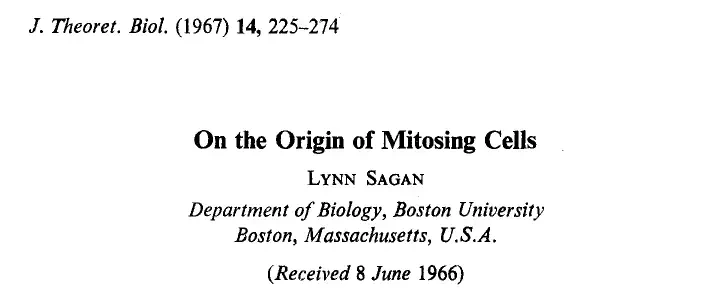
In 1967, a 29-year-old biologist submitted a paper. It was 50 pages long and packed with evidence and reasoning. It was rejected.
She tried another journal. Rejected again. Another, and another — fifteen journals in a row turned the manuscript down.
Her name was Lynn Margulis, publishing under her married name at the time: Lynn Sagan — the then-wife of Carl Sagan, who would later host Cosmos. The paper finally appeared in the Journal of Theoretical Biology.
Then the field laughed at her for nearly twenty years. And every claim she made, piece by piece, turned out to be right.
The Evidence That Backed Her Up
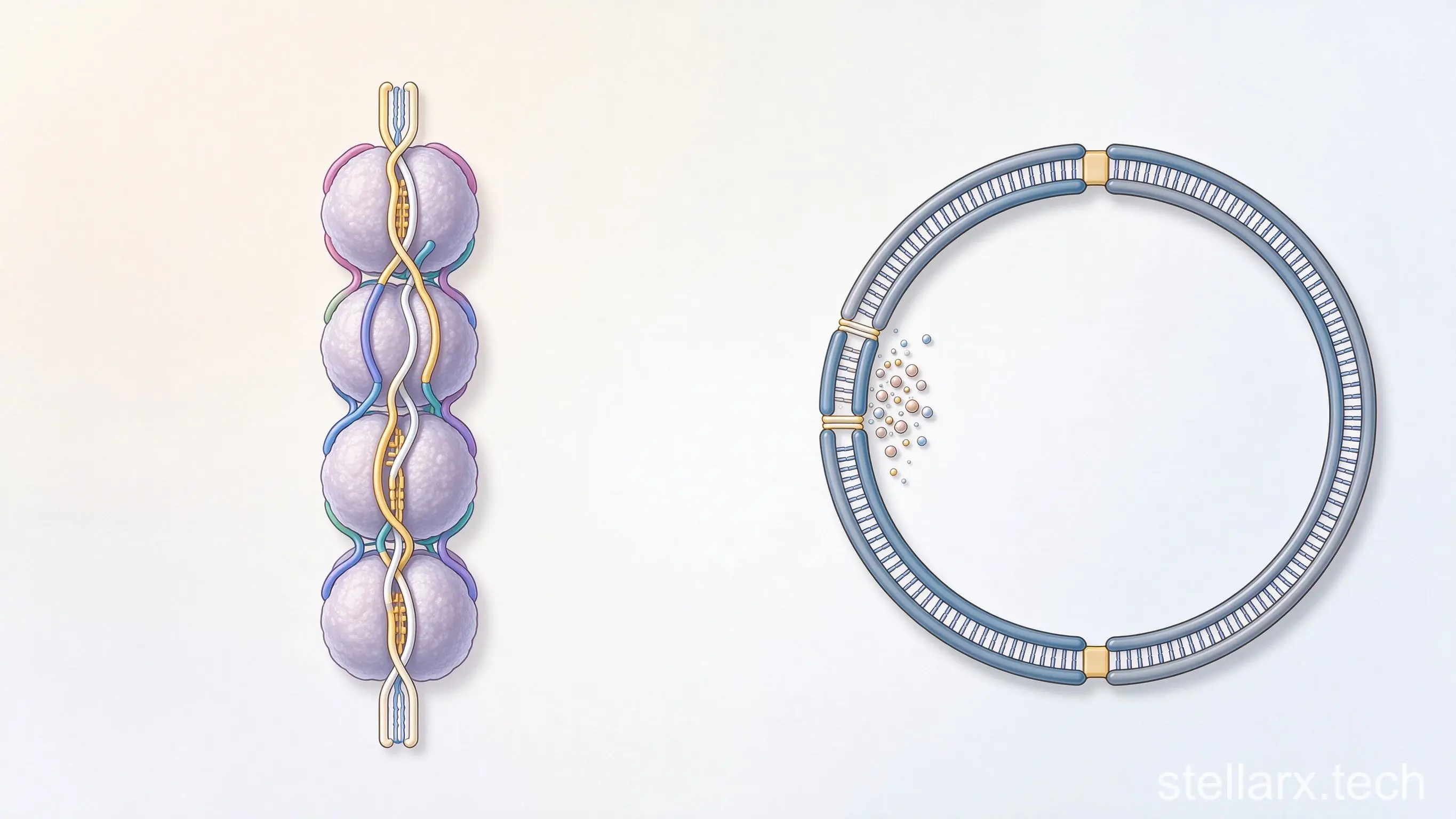
The evidence accumulated slowly. Mitochondrial DNA is a completely separate system from nuclear DNA. Nuclear DNA is linear, wrapped around histones, packed into chromosomes. Mitochondrial DNA is a circular loop, bare of histones — structurally identical to a bacterial genome.
Mitochondria carry their own ribosomes, sized 70S, the same as bacteria. The cytoplasm's ribosomes are 80S. Mitochondria reproduce by binary fission — copy the DNA, pinch the cell in two — exactly like bacteria.
Then gene sequence comparisons delivered the decisive evidence: mitochondria are most closely related to alpha-proteobacteria — a group of bacteria that can respire aerobically.
So Margulis's argument: an aerobic bacterium was swallowed into the cytoplasm of an anaerobic host cell; the two became mutually dependent, and the first aerobic eukaryotes were born. By the early 1980s, more and more sequence data supported the theory, and endosymbiosis was accepted. Margulis had waited nearly twenty years.
The Genome That Shrank
But here is the puzzle the theory created. If mitochondria were once complete bacteria, their ancestor should have carried a full genome encoding every protein needed for survival. Today, the human mitochondrial genome is only 16,569 base pairs, encoding 37 genes: 13 protein-coding genes, 22 tRNA genes, and 2 rRNA genes.
Where did the rest go?
Most of it moved into the nucleus. Over the course of symbiotic evolution, mitochondrial genes migrated one by one into the host's nuclear genome; once relocated, the original copies in the mitochondrion were silenced or lost. Some genes vanished entirely — the nucleus already had functionally redundant versions, so keeping a copy made no sense. The mitochondrial genome has been shrinking throughout evolution.
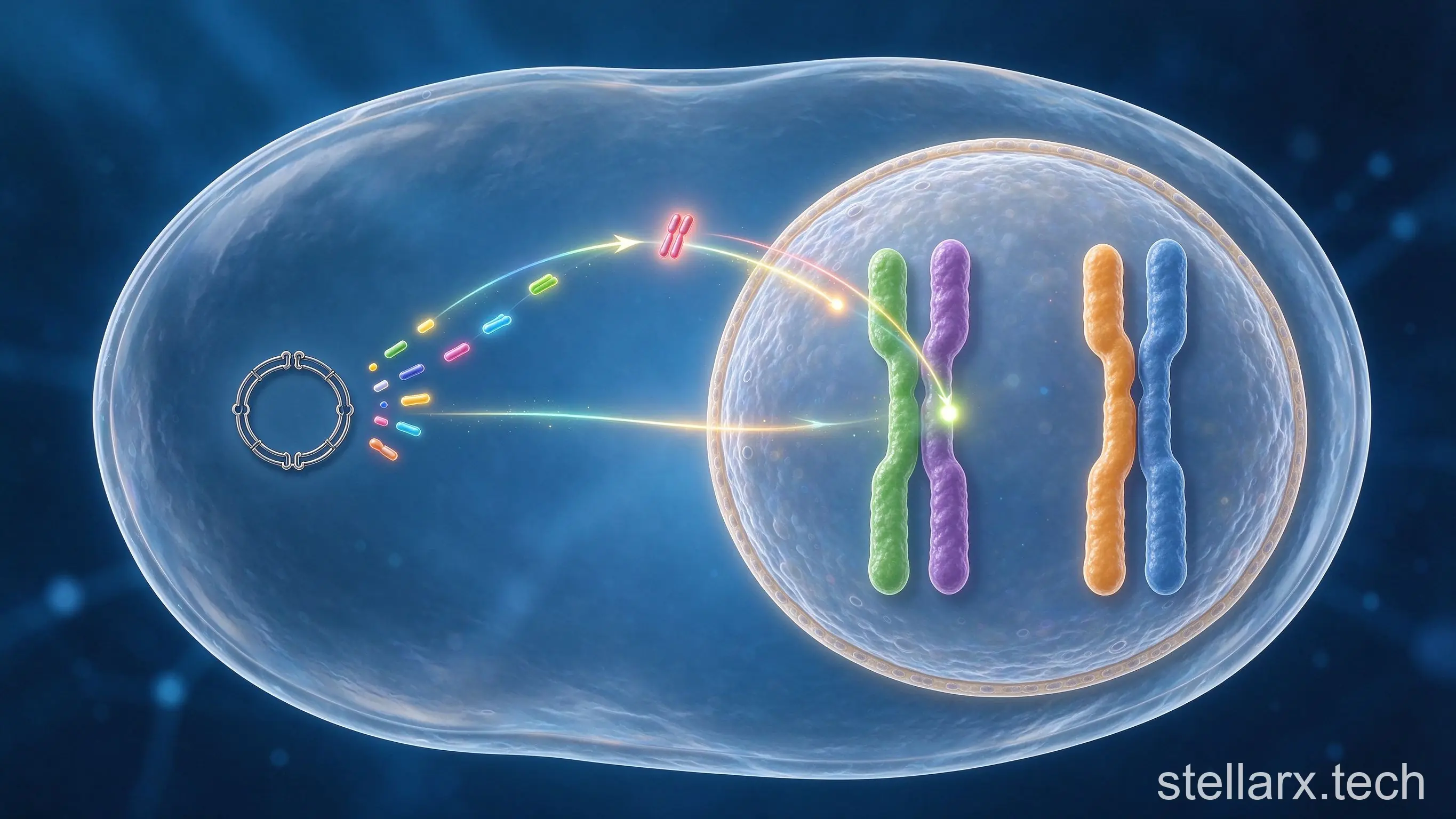
And genomic studies in 2022 showed the shrinking is still happening today. Wei Wei's team analyzed whole-genome sequencing data from 66,083 humans and found 1,637 nuclear-embedded mitochondrial DNA segments (NUMTs) in total. Over 99 percent of people carry at least one. Most of these segments come from non-coding regions of mitochondrial DNA — transcriptionally and replication-active regions release DNA fragments more readily. When the nuclear genome suffers a double-strand break, free mitochondrial fragments can be filled into the break as part of the repair. In 8,201 parent-offspring trios, the team found three brand-new insertions: neither parent had them, the child did. That works out to roughly one new mitochondrial DNA insertion per 4,000 newborns.
The Thirteen That Refuse to Leave
Which raises the real question: genes can transfer, and they keep transferring — so why do 13 protein-coding genes remain in the mitochondrion, untouched for over a billion years?
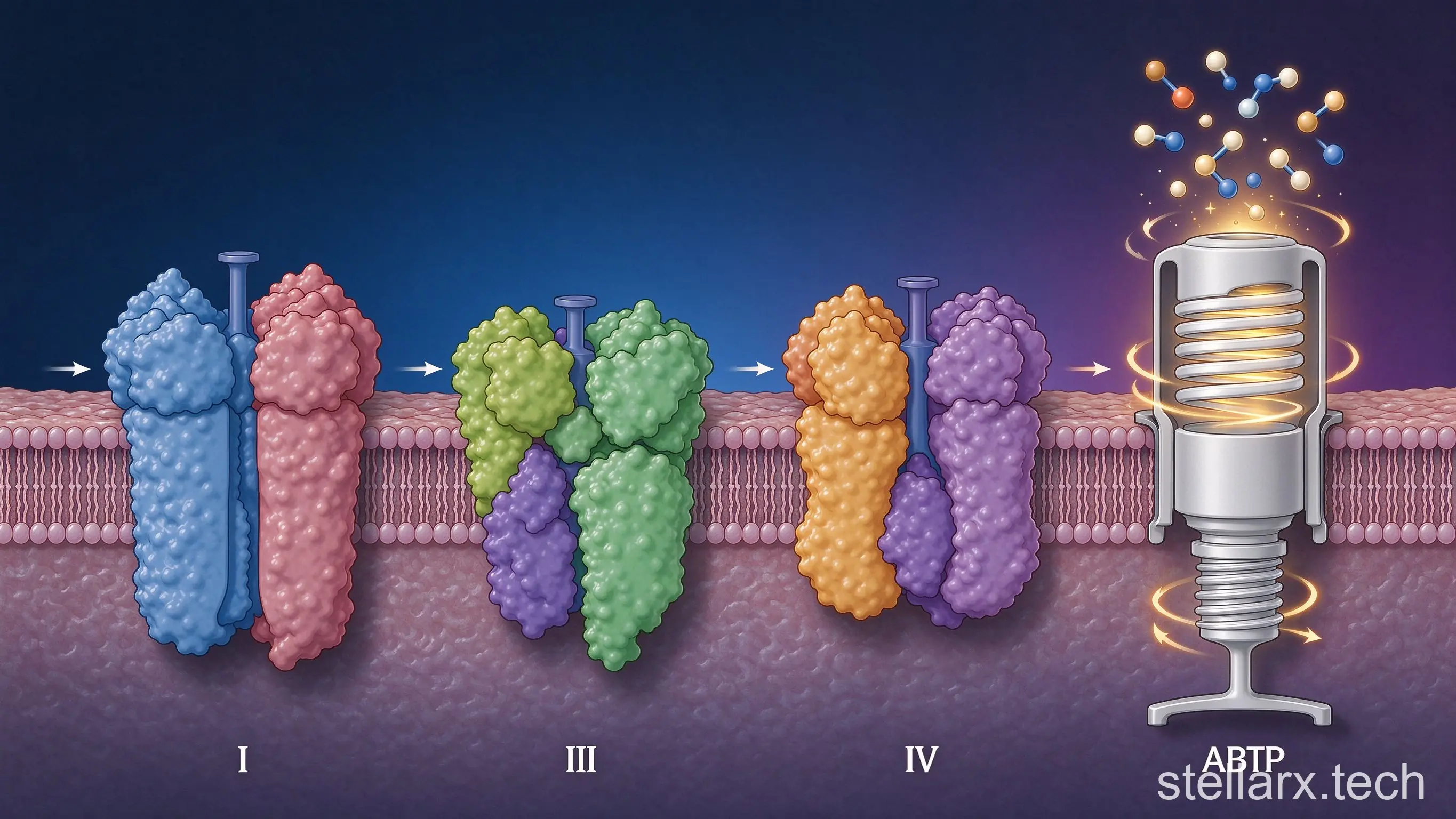
All 13 encode the oxidative phosphorylation system:
Complex I: 7 subunits (ND1 through ND6 and ND4L)
Complex III: 1 (cytochrome b)
Complex IV: 3 (COX1 through COX3)
ATP synthase: 2 (ATP6 and ATP8)
Every one of them is a protein of the respiratory chain.
Research shows that the genes retained across the most species code for the most hydrophobic proteins, and carry the highest GC content. In 2022, a Bayesian analysis covering 10,328 mitochondrial and 5,176 chloroplast genomes confirmed the pattern: hydrophobicity and GC content are the strongest predictors of which genes stay and which go. And the rule transfers: the prediction rules trained on mitochondrial data predicted chloroplast gene retention just as well. Yet mitochondria and chloroplasts came from two entirely independent endosymbiotic events — an alpha-proteobacterium and a cyanobacterium. Shared retention rules suggest a shared selective pressure.
Why Hydrophobicity Blocks the Move
The 13 retained proteins are all membrane proteins, embedded in the mitochondrial inner membrane, with transmembrane regions dense in water-insoluble amino acids — that is precisely what anchors them in the lipid bilayer.
Move those genes to the nucleus, and their proteins would be synthesized on cytoplasmic ribosomes. Their highly hydrophobic transmembrane segments would be intercepted by the signal recognition particle (SRP) of the endoplasmic reticulum, and the protein would be delivered to the ER membrane — never reaching the mitochondrial inner membrane. The protein goes to the wrong address, and the corresponding respiratory complex cannot be assembled.
The few species that did successfully transfer individual genes from mitochondria to the nucleus all show the same adaptations: reduced transmembrane hydrophobicity, or transmembrane regions moved to the C-terminus, or the gene split into two separately encoded pieces. Without structural change, the transfer cannot succeed.
GC content is tied to the mitochondrial environment the same way. The respiratory chain constantly generates superoxide radicals as electrons are passed, so the reactive oxygen concentration inside mitochondria is high. GC base pairs have three hydrogen bonds, AT pairs only two — GC is more stable and less likely to degrade in that oxidizing environment. Genes that survive long-term inside mitochondria need high GC content.
So: hydrophobicity prevents proteins from being correctly shipped from the cytoplasm to the inner membrane, and high GC content keeps DNA stable in the mitochondrial oxidative environment. A billion-plus years of screening — everything that could transfer, already has.
The Second Reason: Speed
But "cannot transfer" is only half the story. Even if transfer were technically possible, mitochondria need these genes on site.
The respiratory chain works by passing electrons between complexes and pumping protons across the membrane, building a membrane potential that drives ATP synthase. If a complex subunit is damaged, or electron transfer efficiency drops, the membrane potential changes — and the mitochondrion must rapidly adjust expression of the corresponding proteins.
If all genes sat in the nucleus, the response path would be long: signal from mitochondrion to nucleus, nuclear transcription, mRNA translation, protein shipped back, assembled into the respiratory chain. If the gene is local, a change in membrane potential can directly trigger local gene expression — far faster.
That is the core of the CoRR hypothesis: co-location for redox regulation.
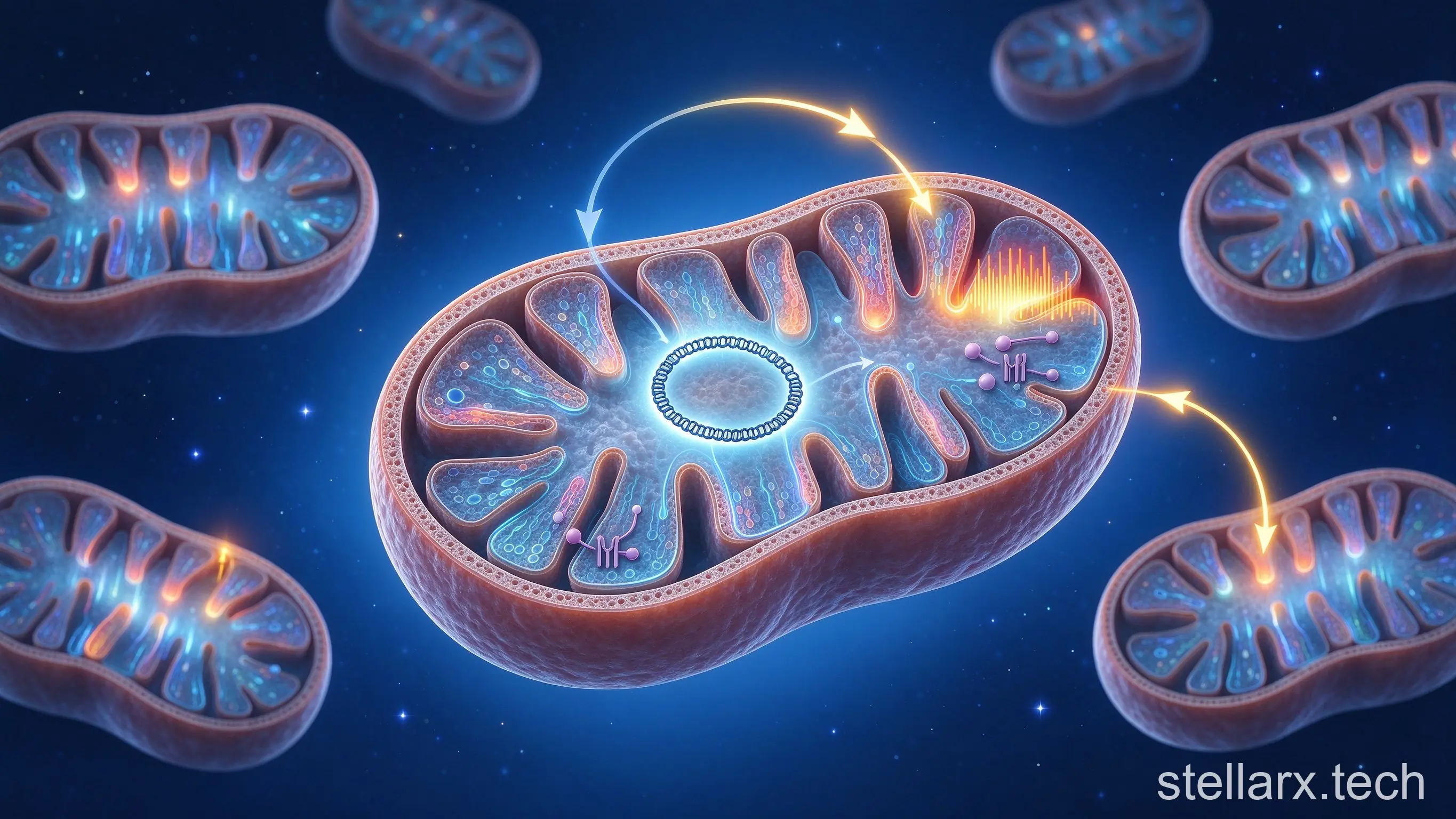
And it makes sense at the level of the whole cell. A eukaryotic cell can hold anywhere from a few hundred to several thousand mitochondria, each regulating its own gene expression according to its own energy state. If every mitochondrial gene sat in the nucleus, the nucleus would have to coordinate hundreds of independent mitochondrial states at once. Each mitochondrion carrying its own genome, regulating its own respiratory chain — far more efficient.
That is why it keeps its own DNA.
Want to see what a bacterium — the ancestor that became the mitochondrion — actually looks like? WWAI includes an Escherichia coli specimen where gram-negative short rods are clearly visible. Just search "WWAI" in your app store and download it today.

References:
[1] Lane N, Martin W. The energetics of genome complexity. Nature, 2010, 467(7318): 929-934.
[2] Wei W, Schon KR, Elgar G, et al. Nuclear-embedded mitochondrial DNA sequences in 66,083 human genomes. Nature, 2022, 611(7934): 105-114.
[3] Johnston IG, Williams BP. Evolutionary inference across eukaryotes identifies specific pressures favoring mitochondrial gene retention. Cell Systems, 2016, 2(2): 101-111.
[4] Giannakis K, Arrowsmith SJ, Richards L, et al. Evolutionary inference across eukaryotes identifies universal features shaping organelle gene retention. Cell Systems, 2022, 13(11): 874-884.
[5] Björkholm P, Harish A, Hagström E, et al. Mitochondrial genomes are retained by selective constraints on protein targeting. PNAS, 2015, 112(33): 10154-10161.
[6] Allen JF. Control of gene expression by redox potential and the requirement for chloroplast and mitochondrial genomes. Journal of Theoretical Biology, 1993, 165(4): 609-631.
Figure 1 is the original title page of Margulis (1967); all other illustrations are AI-generated.
Related reading

Food Coma: Why Heavy Rice Meals Drain Your Energy


- Why Humans Are the Only Animals That Need Clothes
- A Whole 1.25 kg Pomelo Has Only 280 kcal. Here's Why.
- Salmonella Is Everywhere. Here's How It Gets Into Your Food
- Your Dry Eyes Aren't Thirsty — They're Out of Oil
- 国庆团圆饭,我劝你一定要留一个位置给它……
- Tired No Matter How Much You Sleep? It Might Be Inflammation
- Why You Wake at 3 AM Every Night: Don't Check the Clock
- Why Foreigners Can't Handle Baijiu: It's the Aldehydes
- Why the Poor Love Grand Narratives: The Microscope Argument
- The Trojan Horse: How Plague Disarms Your Immune System
全部评论