Babies Age Too — and Monthly Cash Payments Seemed to Slow It Down
By the wwai Editorial Team
Money, it turns out, really is a good thing. In a striking new experiment, scientists gave low-income American mothers a small monthly cash payment and then watched something remarkable happen: their children's biological aging slowed down. To understand why — and what it means — we need to look at aging from a biologist's point of view.
Aging Starts Earlier Than You Think
We tend to think of aging as something that happens late in life. Biologically, though, the process can begin much earlier. Besides your chronological age, biologists also measure a biological age — how old your body really looks on the inside. One of the most powerful ways to estimate it is the methylation age.
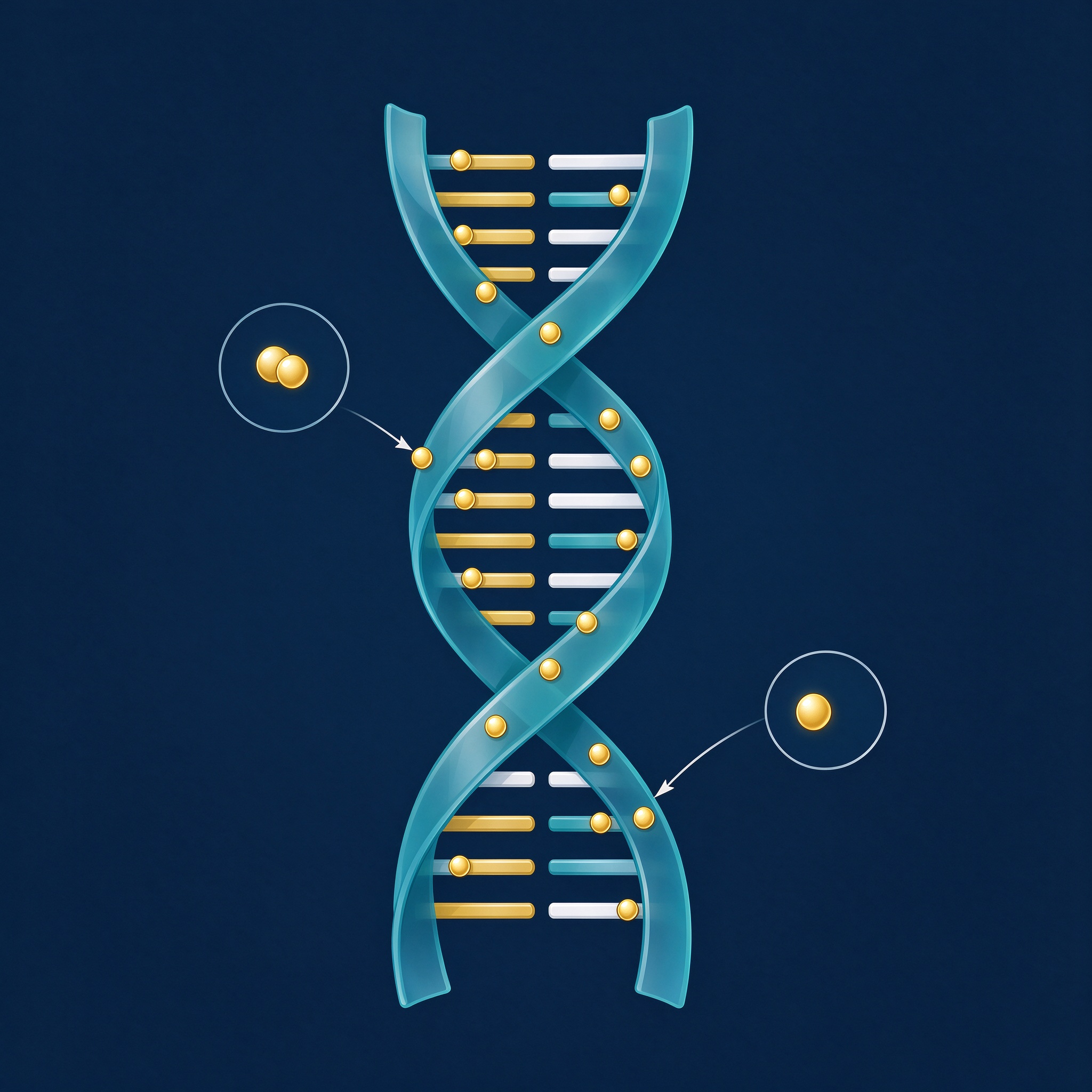
Your DNA carries chemical marks called methylation that change in relatively predictable ways as you age: at some sites, methylation increases; at others, it decreases. By reading these marks, researchers can estimate a person's biological age. This is an epigenetic change — the DNA sequence itself stays the same, but the methyl groups attached to it can influence gene expression and chromatin state, and some of these changes may participate in aging itself.
Over the past decade, a family of similar "epigenetic clocks" has become one of the most widely used and best-validated predictors of health and mortality. With just saliva or blood, scientists can measure a child's methylation age and judge how fast that child is aging.
Poverty Leaves a Mark on Children's Cells
Researchers soon noticed something unsettling: growing up in poverty appears to accelerate childhood aging. A 2021 study in Pediatrics, analyzing 600 children and adolescents aged 8–18, found that disadvantaged socioeconomic conditions at home and in the community were associated with faster methylation aging.
Smaller studies had already pointed to differences in cognitive and brain development between children from low- and high-income families. The higher the family income, the better children performed on measures of language, memory, executive function, and social-emotional skills — and corresponding differences showed up in the neural structure and function of the brain regions supporting those skills. Large bodies of social-science research likewise show income-based gaps in achievement, academic performance, and learning-related behaviors such as attention and self-regulation.
Poverty is entangled with many factors, and pinning down its causal effects on children is hard. But one thing is clear: poverty is a key variable that channels many mechanisms. So scientists asked a bold question — what if we just gave poor families money and saw whether it could reverse some of that harm?
The Experiment: Giving Money Directly to Families
That is exactly what Baby's First Years did. The study recruited 1,000 low-income American mothers and their newborns, then randomly assigned them to two groups: 400 families received $333 per month (about 2,200 RMB), while 600 families received $20 per month (about 130 RMB). Payments began at birth and continued for 76 months — from the baby's birth until three months after their sixth birthday.
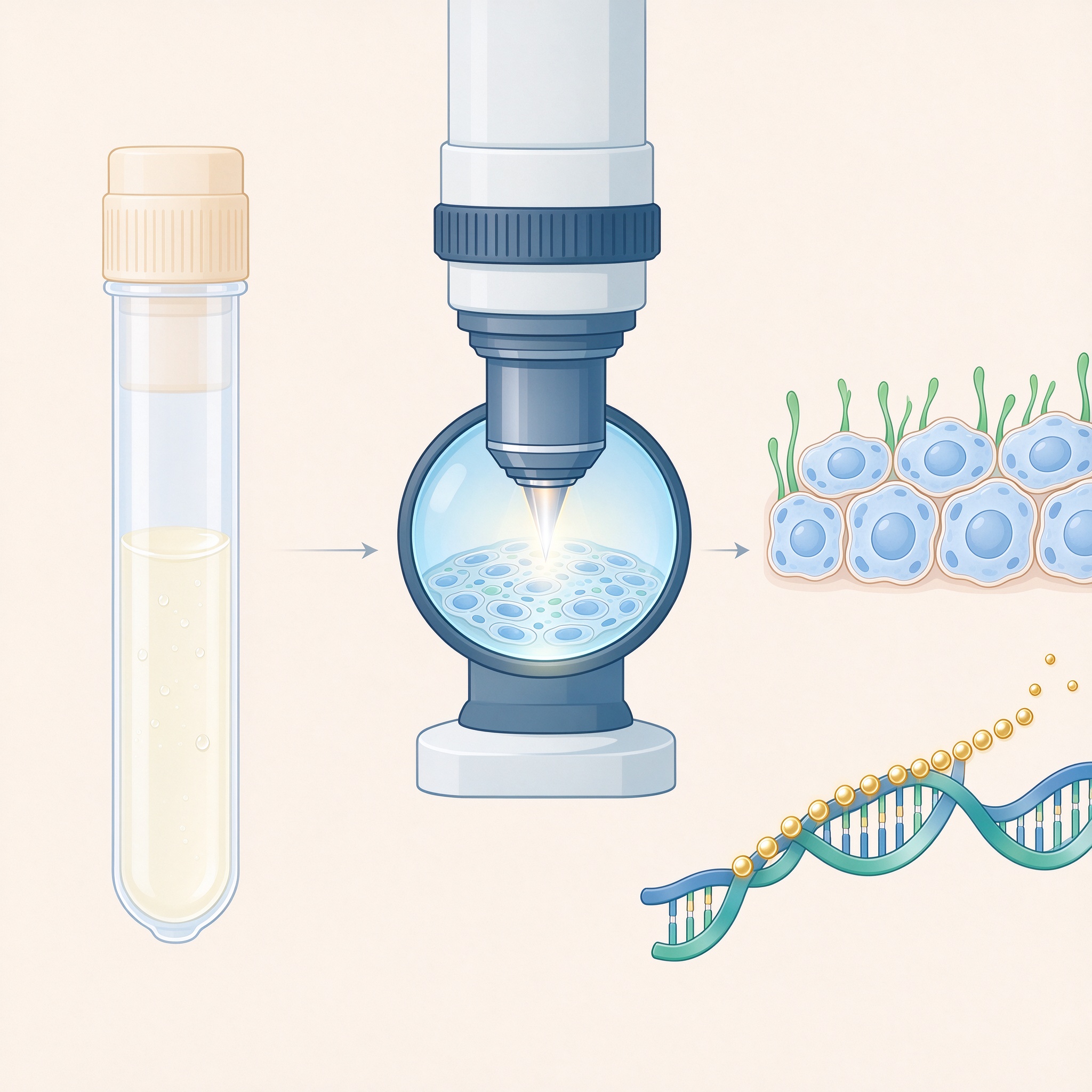
For the lucky group, that added up to about $4,000 per year — roughly 18% of their family income. The extra money was mostly spent on things researchers would expect: more children's toys and books (what developmental scientists call early childhood enrichment), and more fresh produce. Meanwhile, the team periodically collected data on the children's physical health, stress, and behavior — including methylation markers, measured from saliva once the children turned four.
The Result: Cash Changed Children's Biological Aging
In a paper just published in Nature Human Behavior, the team analyzed data from 329 mothers and 313 children in the high-payment group versus 448 mothers and 423 children in the control group. The result: the cash transfers produced a measurable effect on children's biological aging.
Children in families that received more money showed slower epigenetic aging — on average, about 0.17 standard deviations lower than children in the control group. It is a small effect, and the authors are the first to admit it. But the fact that the effect is visible at all matters enormously.
"This is remarkable because previous research had shown only correlational evidence that poverty might accelerate children's epigenetic aging — correlations can't tell us whether an intervention could slow it down," said developmental psychologist Laurel Raffington of the Max Planck Institute for Human Development. "Observing a causal effect of cash transfers is noteworthy."
What's Still Unknown
It is worth being honest about the limits of this study. Methylation age can be measured with several different clocks, each emphasizing different processes. The effect showed up clearly on the DunedinPACE measure of biological aging, but on other DNA-methylation indicators tested — including an Epigenetic-g score linked to cognition — the larger payments brought no detectable benefit.
The transfers also did not seem to affect the mothers' own biological aging. And the team acknowledges that much about what is happening in this potentially path-breaking experiment remains unknown.
Why a Small Effect Could Matter Anyway
The children in this study are mostly seven or eight years old now — their lives are just beginning. That is exactly why the potential payoff is so tantalizing. The biological aging measured here reflects the accumulation of biological costs: if poverty does the most damage early, early deficits can compound over a lifetime, growing like interest on interest. So even a small slowdown of cellular aging in the first years of life could ripple into substantial public-health returns.
Of course, those potential returns depend on whether the effect lasts — and that is still unknown. It is the team's next target. But whatever the long-term answer, this much seems safe to say: giving poor families money may bring hidden benefits, and future analyses may keep revealing more.

Explore DNA and Cell Aging with WWAI
Want to see how DNA methylation works, or ask how cells age at the molecular level? WWAI is an AI-powered biology encyclopedia that answers your biology questions instantly — from genetics to developmental biology — and lets you observe real microscope slide specimens online. Just search "WWAI" in your app store and download it today.

References:
[1] Raffington L, et al. Cash transfers and children's epigenetic aging. Nature Human Behavior, 2026.
[2] Socioeconomic Disadvantage and the Pace of Biological Aging in Children. Pediatrics, 2021, 147(6): e2020024406.
[3] Baby's First Years study. https://www.babysfirstyears.com
[4] ScienceAlert report: Scientists Gave Cash to Low-Income Moms and It Altered Their Babies' Aging, 2026.
- Babies Age Too — and Monthly Cash Payments Seemed to Slow It Down
- Why Gout Is Surging in Young Men — and Its Link to Erectile Dysfunction
- Why a Batch of Black Sesame Paste Tested 27× the Mold Limit
- Why Are Beijing's Trees Suddenly Full of Fuzzy Caterpillars?
- DeepSeek Harness Desktop Preview Goes Live — Mac and Windows Downloads Available Now
- DeepSeek Harness Just Got a Desktop App — Before Any Official Announcement
- 双十一流量来了,智通SDK也更新了!
- After I Died, He Married My Face
- Palmbox Version 1.4.4 Released for a Better Browsing Experience
- Palmbox 1.4.4版本正式發布,帶來更流暢的追劇體驗

全部评论