Why Gout Is Surging in Young Men — and Its Link to Erectile Dysfunction
By the wwai Editorial Team
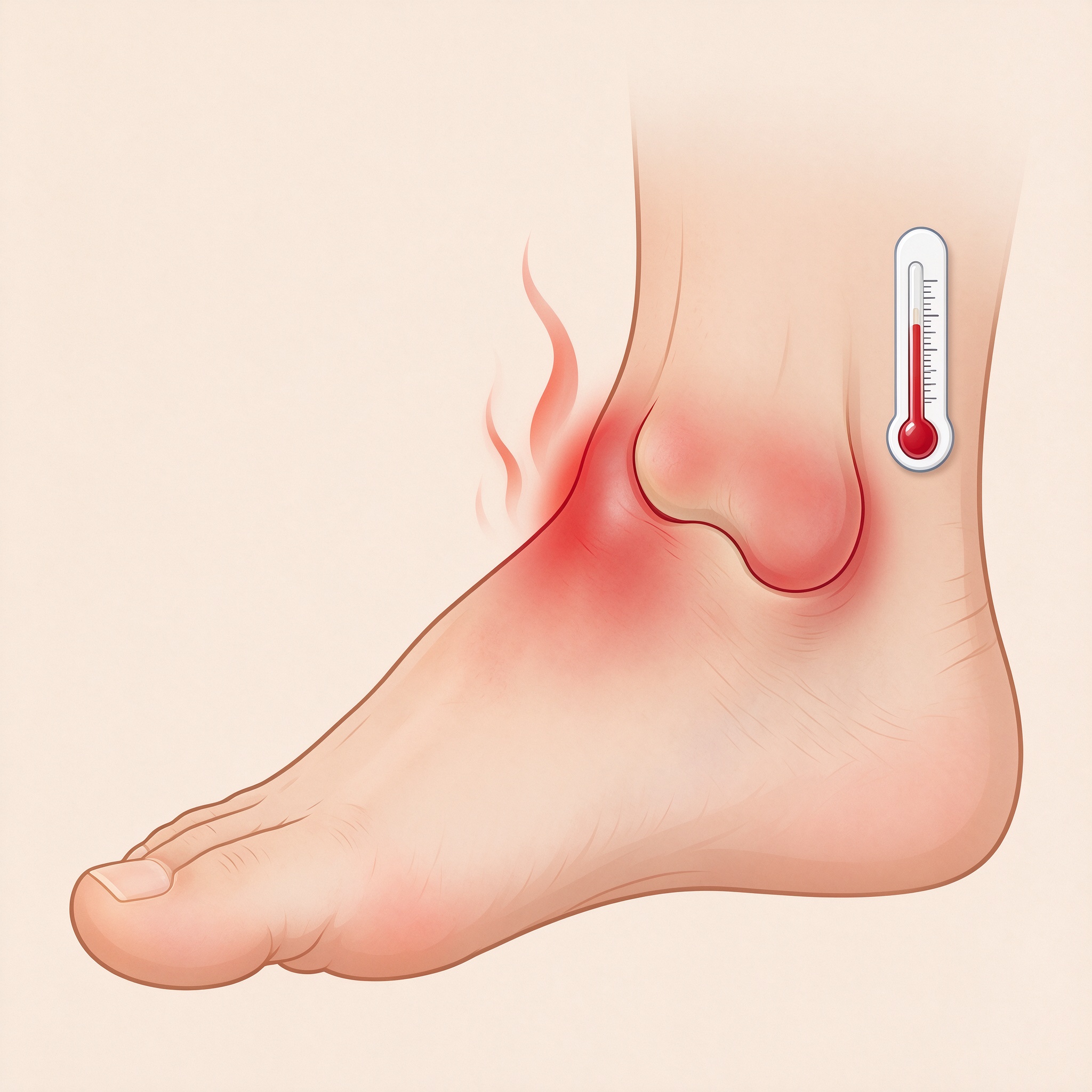
A gout attack announces itself at night: the big toe suddenly swells, turns red, and hurts so badly that even the weight of a bedsheet becomes unbearable. For centuries, gout was dismissed as a "disease of kings" — the price of rich food, alcohol, and middle-aged indulgence. But walk into a rheumatology clinic today, and you will find more and more patients in their twenties and thirties. And researchers are realizing that gout's troubles may not stop at the joints.
Gout Is Rising Among Young Men
A 2024 global burden-of-disease study in The Lancet Rheumatology estimated that about 55.8 million people had gout in 2020 — roughly 1.5 times the number in 1990 — with men affected at more than three times the rate of women. Just as striking is the age shift: between 1990 and 2019, gout incidence kept climbing among people aged 15–39, and more than 80% of these young patients were men.
Why are young people developing a disease once seen as "old-age"? A Korean cohort study of 3.57 million men aged 20–39 found that young men with metabolic syndrome faced more than double the risk of gout, and those with severe obesity more than five times the risk. A separate U.S. analysis of outpatient records found that patients diagnosed before age 30 had higher blood uric acid, higher body weight, and stronger family history than later-onset patients. Obesity, sugary drinks, alcohol, and a sedentary lifestyle are steadily pushing young men toward the edge.
Beyond the Joint: A Link Researchers Are Only Now Exploring
The connection between gout and erectile dysfunction (ED) has only received serious attention in the past decade. In a 2015 report, a Rutgers University rheumatology team led by Dr. Naomi Schlesinger found that 76% of the male gout patients they saw had ED, compared with 51% of men without gout — and the gap persisted even after accounting for age, hypertension, diabetes, and obesity.
Large population studies tell the same story. British researchers followed nearly 10,000 men aged 18–64 who were newly diagnosed with gout, and compared them with almost 40,000 matched controls over about ten years. Men with gout had a 31% higher risk of developing ED — and the risk was already rising in the year before diagnosis. Pooled analyses point in the same direction, estimating a 20–40% higher ED risk in gout patients, along with lower testosterone levels.
The Biology of the Link
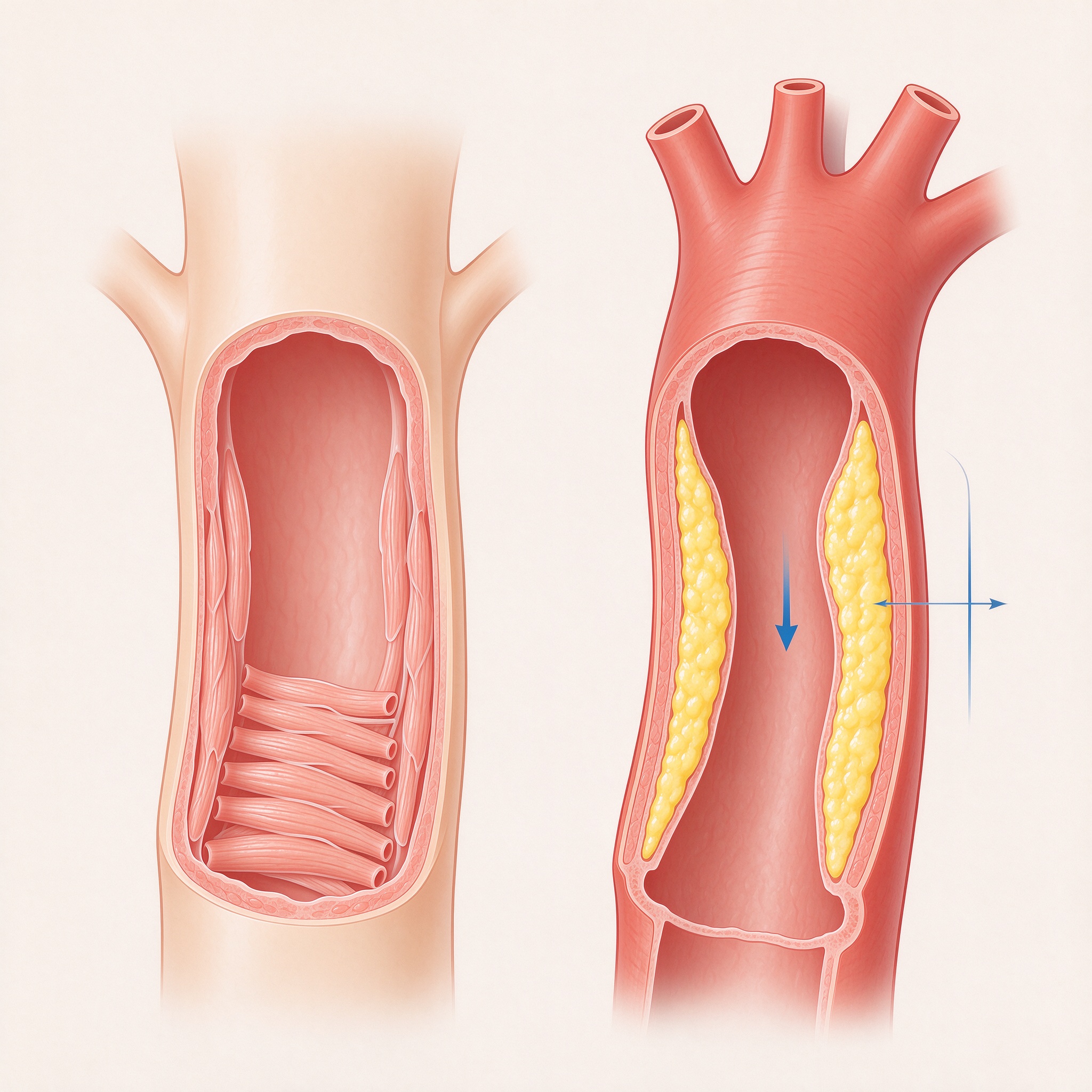
The most straightforward explanation is that gout and ED share common soil. Gout patients frequently carry obesity, hypertension, dyslipidemia, and insulin resistance — all classic risk factors for vascular ED.
An erection is, fundamentally, a vascular event: nitric oxide relaxes the smooth muscle of the corpora cavernosa, blood rushes in, and the penis stiffens. Anything that damages the vascular endothelium can disrupt this process. The penile artery is far finer than a coronary artery, so the same degree of atherosclerosis tends to show symptoms there first — which is why ED often appears two to three years before coronary heart disease and is considered an early warning sign of cardiovascular trouble. Gout patients show this same trace: a Turkish study found that gout patients had a much higher rate of carotid intima-media thickening (a marker of atherosclerosis), and among all measured indicators, only this one was independently associated with ED.
Uric Acid May Not Be Just a Bystander
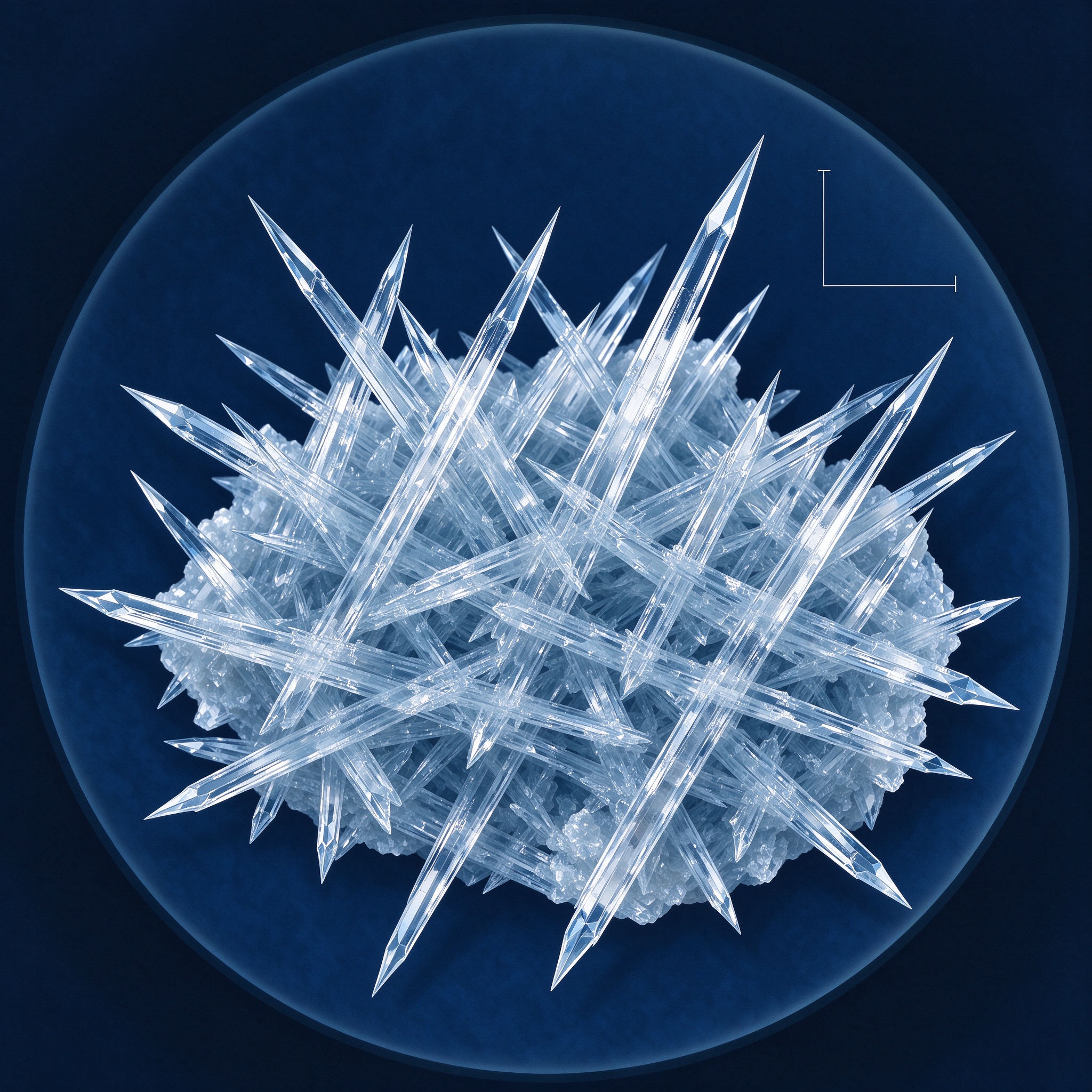
There is also growing evidence that uric acid itself does more than sit in the background. High uric acid weakens the endothelium's ability to produce nitric oxide and intensifies oxidative stress. A 2025 study by a Sun Yat-sen University team in Communications Biology offers more direct evidence: analyzing men aged 24–49 with no cardiovascular disease, diabetes, hypertension, or obesity, they found that every 100 μmol/L rise in blood uric acid was associated with a 2.5- to 3-fold increase in the likelihood of ED. In genetically hyperuricemic rats, erectile function was already impaired by 20 weeks of age — at a point when nitric oxide levels had not yet changed.
The experiments then revealed a possible mechanism: uric acid enters cavernosal smooth muscle cells and binds to myosin light-chain kinase (MLCK), preventing it from being degraded normally. The muscle stays contracted, and erection fails. Both urate-lowering drugs and MLCK inhibitors restored erectile function in the rats. In other words, uric acid may interfere with erection directly, bypassing vascular damage — though this pathway has so far only been confirmed in animals.
What Young Men Should Do
First, actually lower uric acid. The 2020 American College of Rheumatology guideline strongly recommends a treat-to-target strategy: start low, go up gradually, and keep blood uric acid below 6 mg/dL (about 360 μmol/L) long-term. Reality falls far short: in UK primary care, only about one in three gout patients receives urate-lowering therapy, and even in rheumatology clinics fewer than half reach the target after a year. Younger patients do worse — many stop their medication as soon as the pain fades.
Second, whether lowering urate improves ED is still unknown. Existing studies have not found that urate-lowering treatment changes ED risk; one even found a higher ED risk with febuxostat than with the alternative allopurinol, for reasons that remain unclear. So urate-lowering drugs should not be used as a treatment for ED. The more sensible approach is to treat ED as a signal — a cue for patients and doctors to check blood pressure, blood sugar, blood lipids, and vascular health.
Finally, talk about it. Patients rarely raise the subject on their own, which is why several researchers recommend adding erectile-function assessment to the routine questions asked of gout patients. For young men, controlling weight, cutting back on alcohol and sugary drinks, and staying active are the foundation of both gout prevention and vascular health. The young man woken by a throbbing toe at midnight needs to know more than how to stop the pain — he needs to understand what his body is trying to say.
Explore Uric Acid Crystals Under the Microscope with WWAI
Want to see what urate crystals actually look like, or ask how the body's metabolism turns food into uric acid? WWAI is an AI-powered biology encyclopedia that answers your biology questions instantly — from metabolism to medical curiosities — and lets you observe real microscope slide specimens online. Just search "WWAI" in your app store and download it today.

References:
[1] GBD 2021 Gout Collaborators. Global, regional, and national burden of gout, 1990–2020. The Lancet Rheumatology, 2024.
[2] Eun Y, et al. Increased risk of incident gout in young men with metabolic syndrome. Frontiers in Medicine, 2022.
[3] Schlesinger N, et al. Erectile Dysfunction Is Common among Patients with Gout. The Journal of Rheumatology, 2015.
[4] Abdul Sultan A, et al. Gout and subsequent erectile dysfunction. Arthritis Research & Therapy, 2017.
[5] Luo L, et al. Gout is associated with elevated risk of erectile dysfunction. Rheumatology International, 2019.
[6] Yigit E, et al. Gout and erectile dysfunction: carotid intima-media thickness. Archives of Rheumatology, 2024.
[7] Elevated uric acid induces erectile dysfunction in rats by interacting with MLCK. Communications Biology, 2025.
[8] FitzGerald JD, et al. 2020 American College of Rheumatology Guideline for the Management of Gout. Arthritis Care & Research, 2020.
[9] Tong Q, et al. Risk of Erectile Dysfunction in Male Patients with Gout Treated with Febuxostat or Allopurinol. Drugs, 2022.
- Babies Age Too — and Monthly Cash Payments Seemed to Slow It Down
- Why Gout Is Surging in Young Men — and Its Link to Erectile Dysfunction
- Why a Batch of Black Sesame Paste Tested 27× the Mold Limit
- Why Are Beijing's Trees Suddenly Full of Fuzzy Caterpillars?
- DeepSeek Harness Desktop Preview Goes Live — Mac and Windows Downloads Available Now
- DeepSeek Harness Just Got a Desktop App — Before Any Official Announcement
- 双十一流量来了,智通SDK也更新了!
- After I Died, He Married My Face
- Palmbox Version 1.4.4 Released for a Better Browsing Experience
- Palmbox 1.4.4版本正式發布,帶來更流暢的追劇體驗
全部评论