The 'Big Water, Thin Muscle' Meme Is Quietly Good Advice
In early October 2026, a joke took over Chinese social media. Hold up a two-litre bottle of plain water, drink it in public, and repeat the slogan: "Weak people drink soda. Strong people drink big water." Its companion meme, "Thin Muscle Theory," tells ordinary office workers to lift weights three times a week — not to look like a bodybuilder, just to get out of the chair and into shape.
It reads like a parody of self-improvement culture, and plenty of people laughed at it. But go through the checklist point by point, and the joke is quietly defensible. The cheapest health advice in the world is also the most evidence-backed.
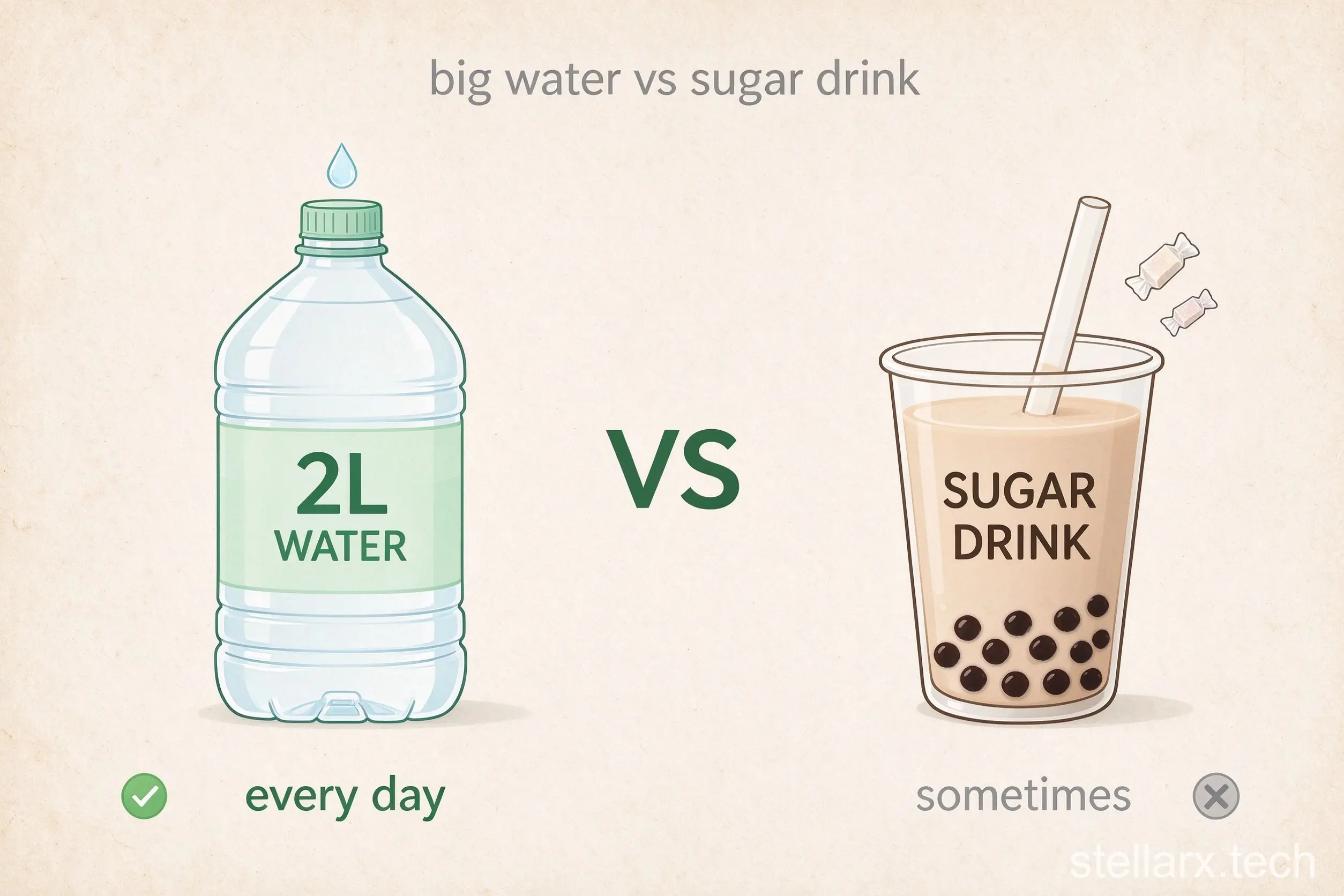
What the meme actually says
"Big Water Theory": drink about 1.5 litres of plain water every day. "Thin Muscle Theory": train every major muscle group roughly three times a week. Both are presented as deliberately modest goals — and that is the point. They are cheap in three senses at once: cheap in money, cheap in time, and cheap in emotional effort.
That last one matters more than it looks. Most failed health resolutions do not fail because the science was wrong. They fail because the habit was expensive in the wrong currency — too much time, too much willpower, too much emotional load.
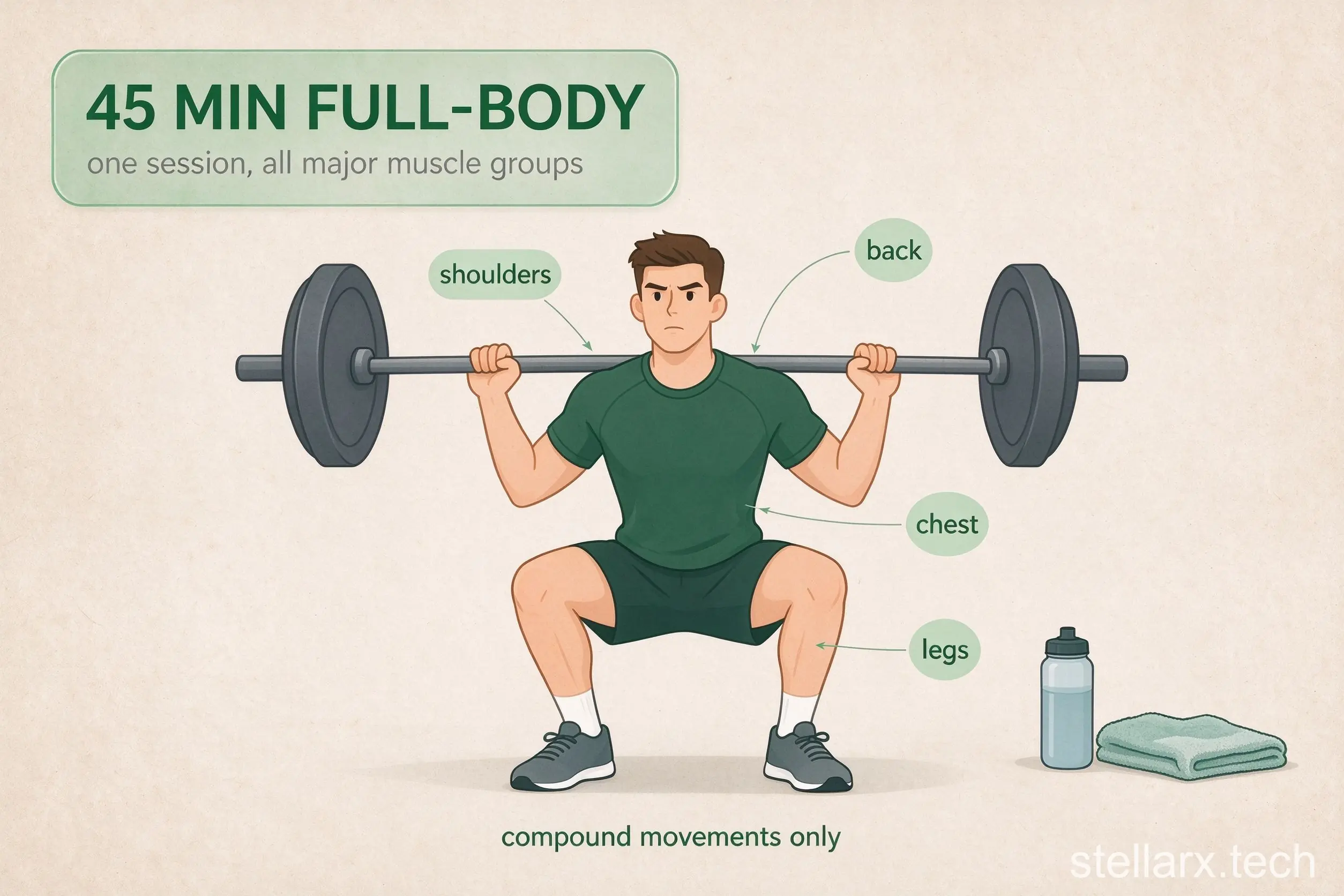
The 45-minute full-body session
The meme's core claim: an ordinary gym-goer can cover shoulders, back, chest, and legs in about 45 minutes, and you do not need the isolated, precision machines that competitive bodybuilders use. This matches how strength training actually works for beginners.
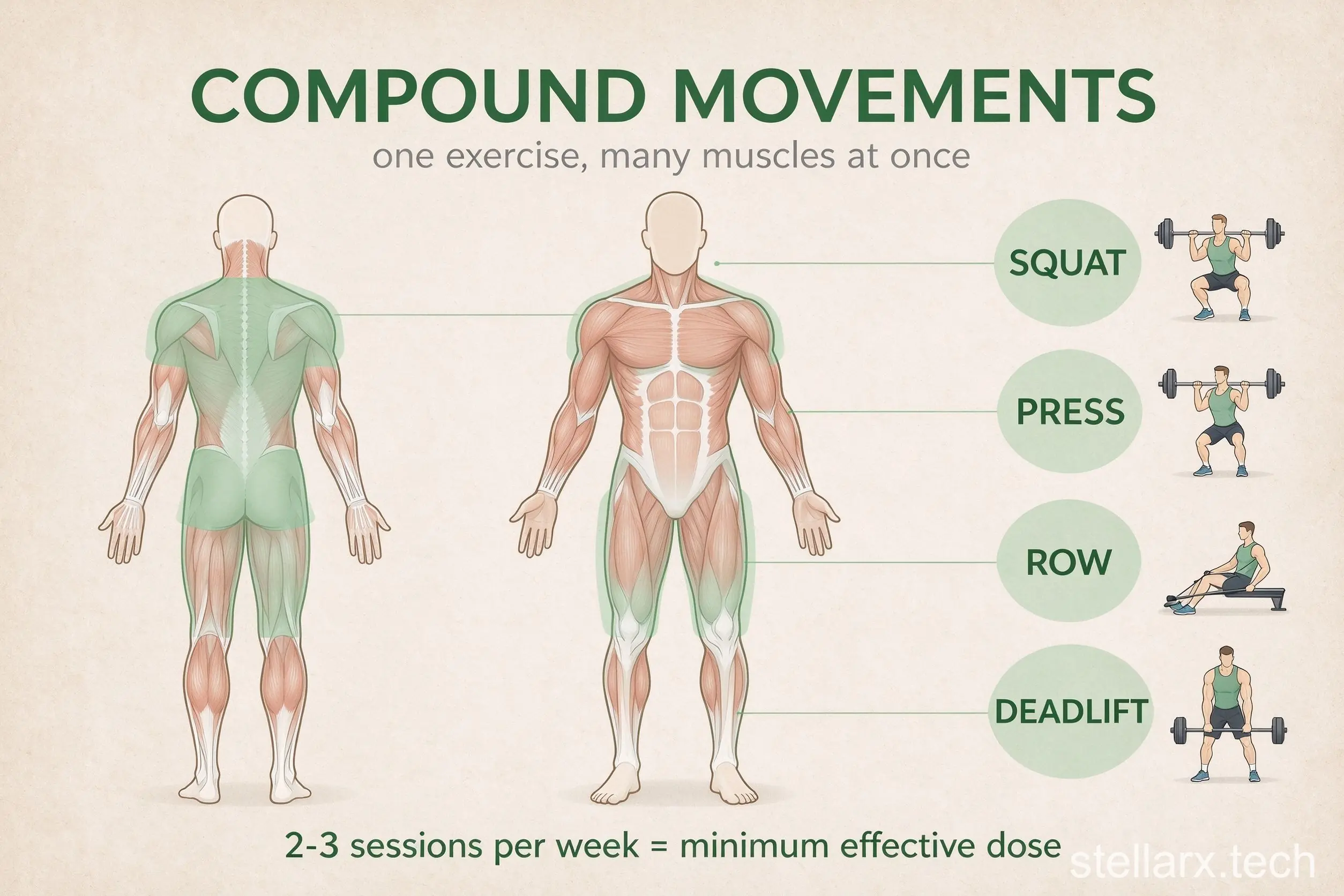
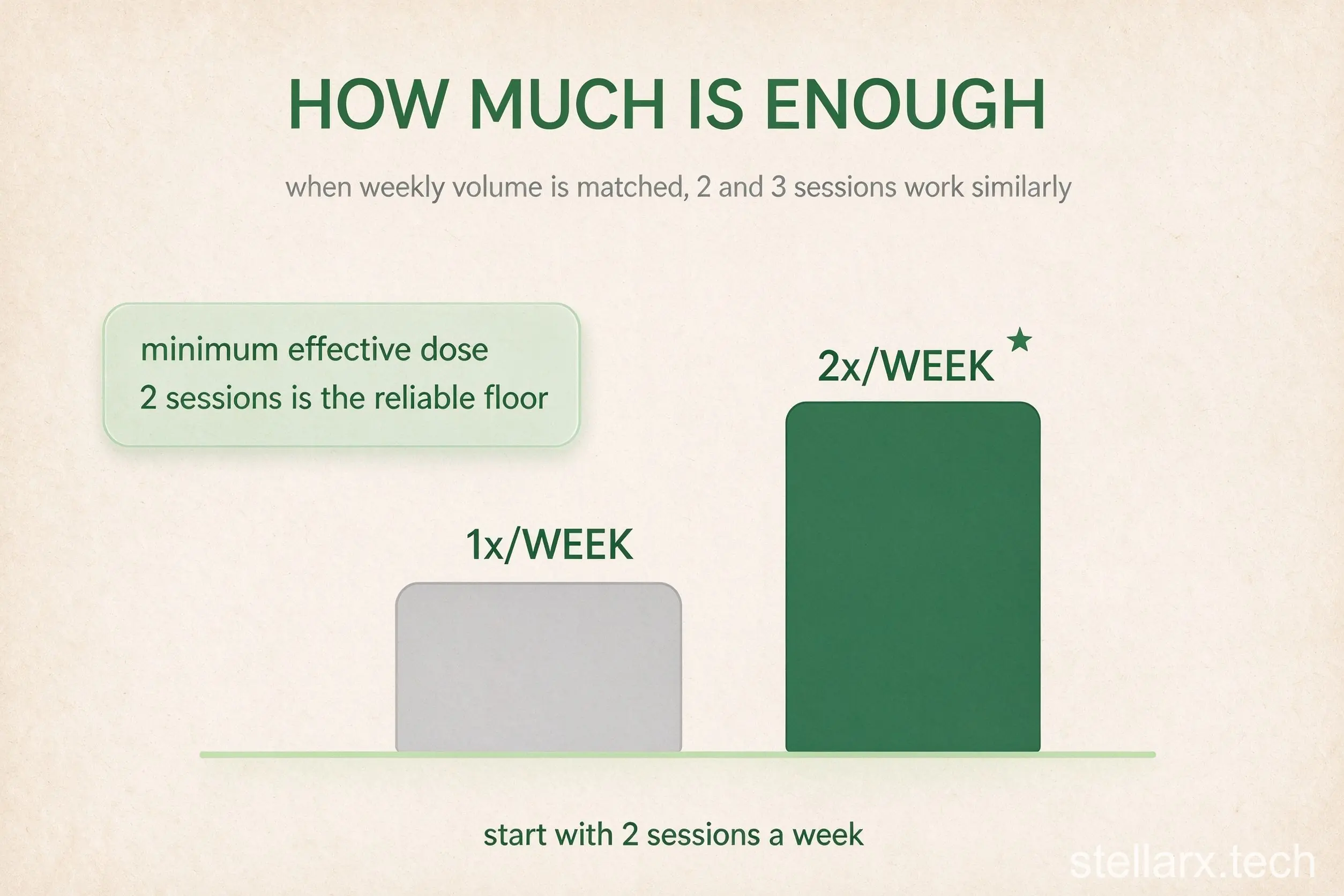
Compound movements — squats, presses, rows, deadlifts — recruit several muscle groups per set. Training them two to three times per week hits the minimum effective dose for muscle and strength gains in people new to resistance training. A narrative review of minimalist training found that even one weekly session produces measurable improvement in the first 8–12 weeks, and two sessions are a safer, more reliable floor for maintaining and building muscle. Studies that matched total weekly volume found two and three sessions per week produce similar results.
The meme's suggested schedule — 45 minutes every other day, sustained for three months — is not a hack. It is close to what the guidelines prescribe: all major muscle groups, at least twice a week.
Why running gets called "emotionally expensive"
The original post admits a bias: running is tiring, boring, painful, time-hungry, and harder on the body — a bigger emotional load than a 45-minute gym session. That is an opinion, not a fact, and running is genuinely excellent for health. But the underlying observation is real: adherence is what makes a habit work, and people stick to the workout with the lowest friction.
The cheap habits that pass the science check
The meme bundles in three more habits, and all three hold up.
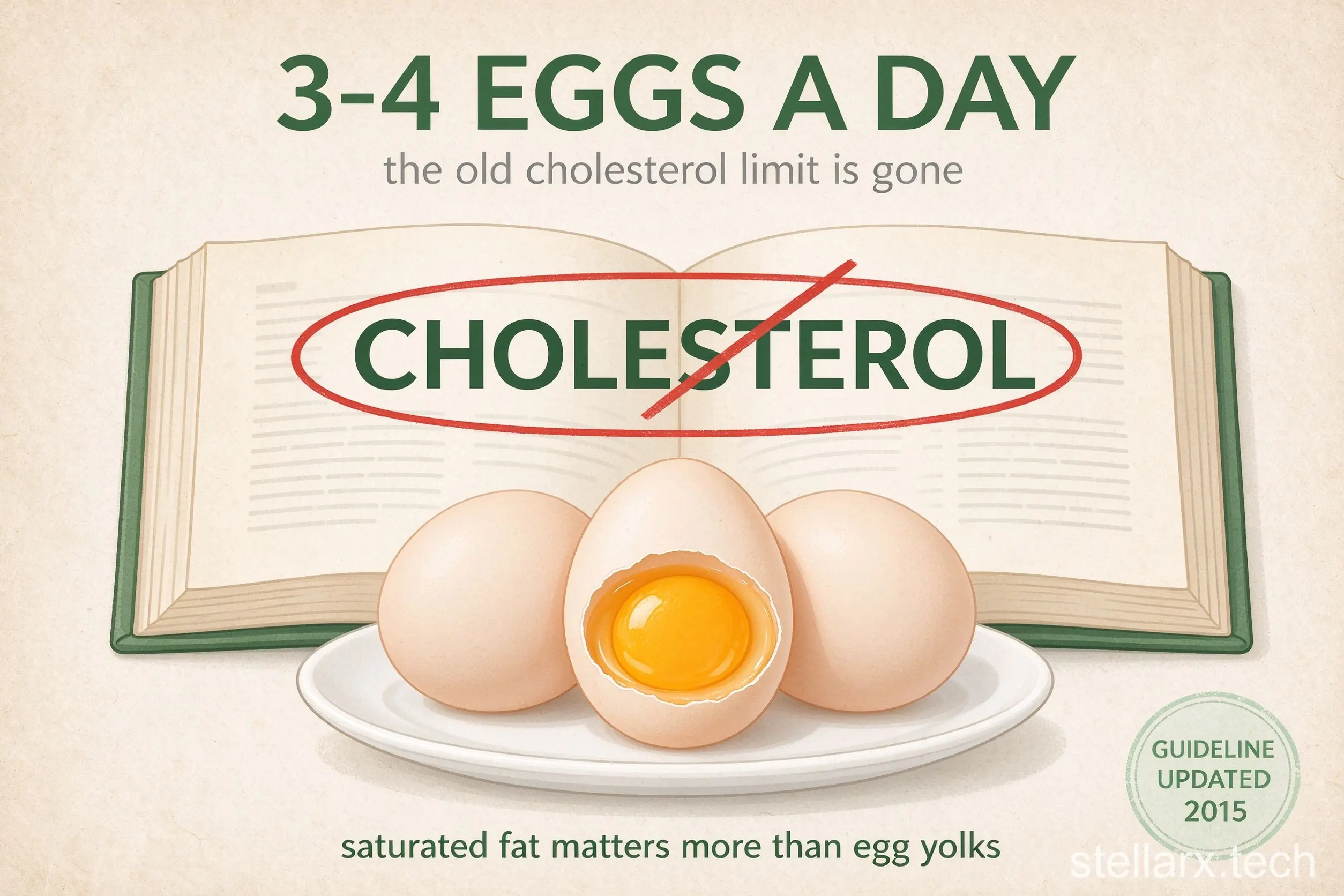
Three or four eggs a day. The old fear was dietary cholesterol. Since the 2015–2020 US Dietary Guidelines, daily cholesterol intake no longer has a numeric upper limit; blood cholesterol responds more to saturated fat than to egg yolks. For healthy adults, a few whole eggs a day is not the risk it was once made out to be.
Guaranteed sleep. Not a supplement, not a trick — just the most underrated performance enhancer there is.
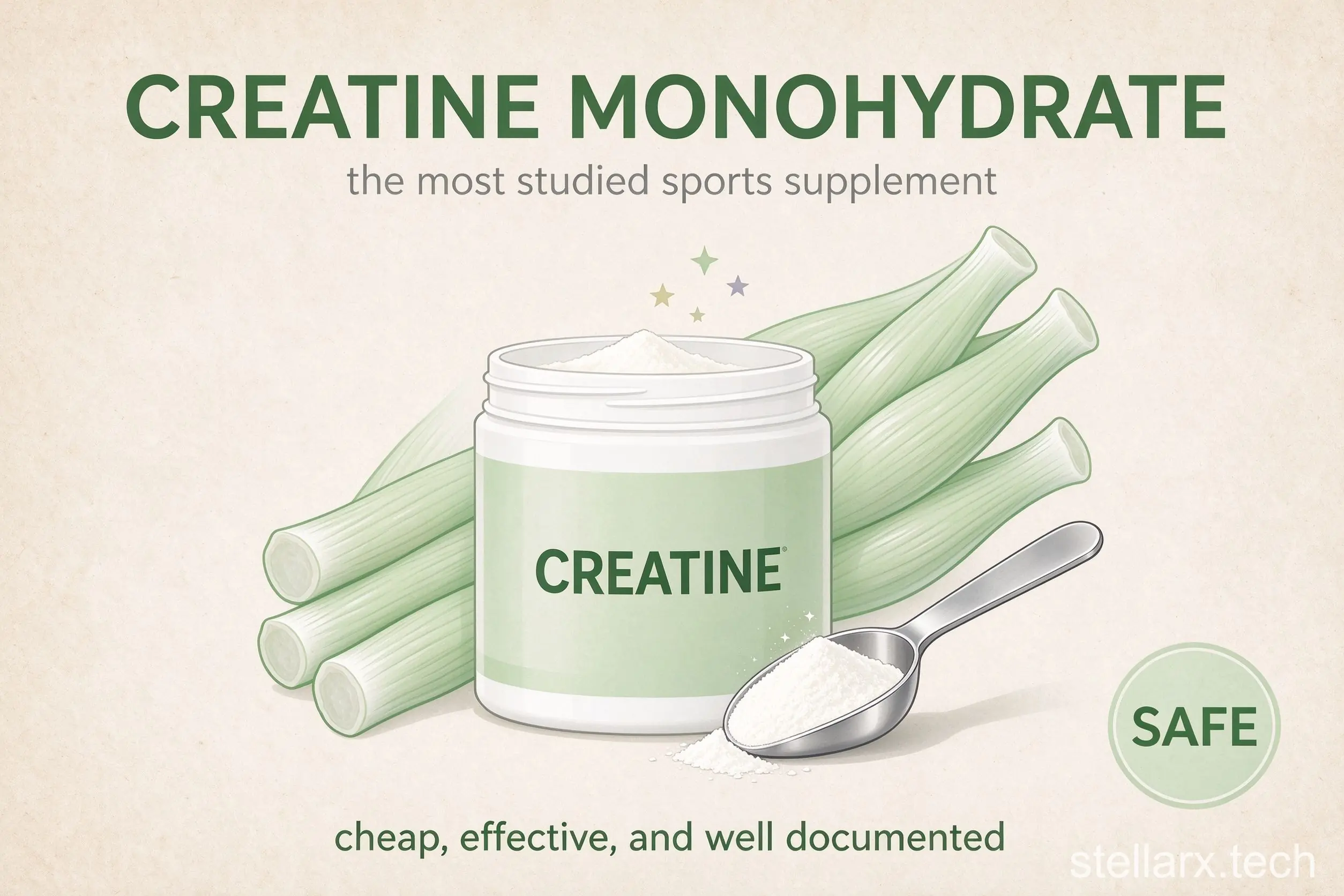
Creatine monohydrate. The International Society of Sports Nutrition calls creatine monohydrate one of the most extensively studied and safest sports supplements available, with benefits for strength, muscle mass, and even brain function under certain conditions. It is also one of the cheapest: a month of daily dosing costs roughly the price of a fast-food meal.
Do not cut carbs if you think for a living
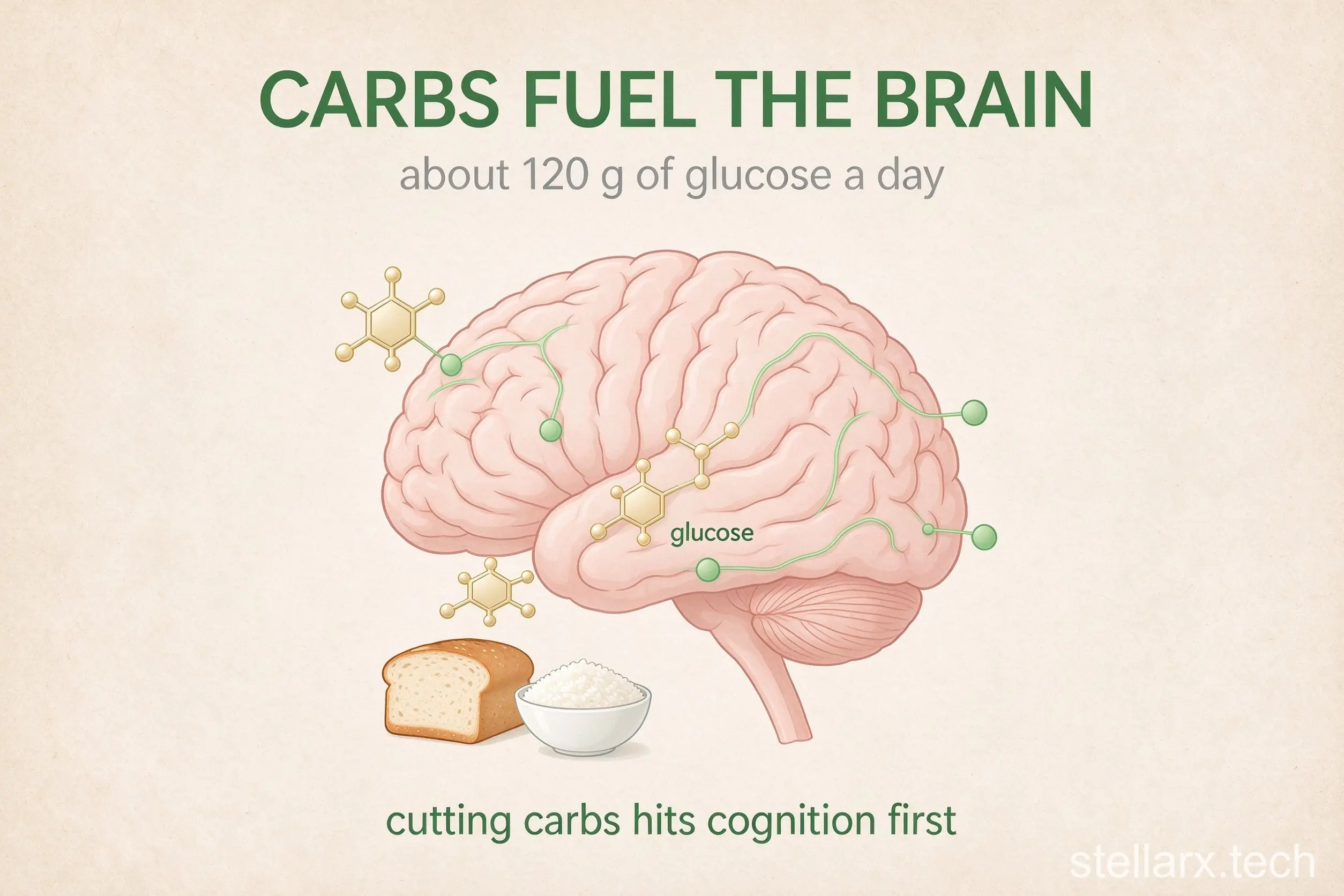
The post's sharpest warning is aimed at exactly the audience that meme culture attracts — office workers: do not aggressively cut carbohydrates. The brain runs on glucose, consuming roughly 120 grams per day, and it has no meaningful glycogen stores of its own. When glucose supply drops, cognition is among the first things to feel it: the "brain fog" reported by low-carb dieters is a real, well-documented phenomenon, not willpower failure.
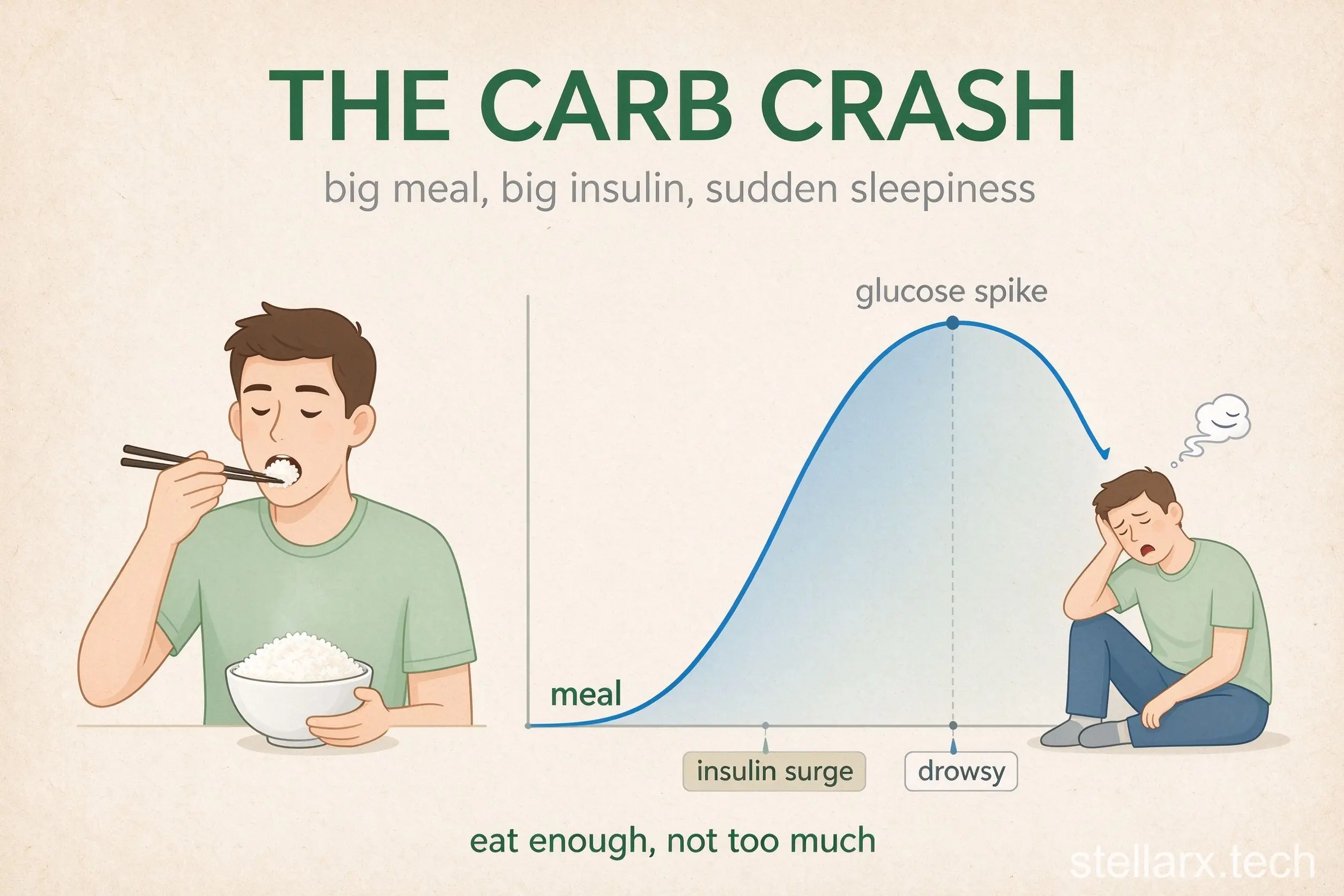
And the counter-intuitive flip side is real too: eat too much at once and the glucose surge triggers a large insulin response, which drives drowsiness — the "carb crash" that puts you to sleep after a heavy lunch. Moderation, not extremes, is the actual advice.
The bigger idea
The joke works because it refuses to be aspirational. No six-pack promises, no marathon ambitions, no meal-prep Instagram grids — just water, sleep, eggs, creatine, and a barbell twice a week. That is precisely why it might survive where every ambitious fitness plan died: it asks for the minimum effective dose, and the minimum effective dose is what most people can actually sustain.
You do not need an elite body — you need a minimum effective dose. Two litres of water costs less than the anxiety it washes away, and two sessions a week beats the perfect program you quit in March.
Under a microscope, the meme's "thin muscle" becomes visible in a completely different way — including a muscle cell specimen where spindle-shaped, fascicularly arranged muscle fibers are clearly visible. Search "WWAI" in your app store and download it today.

Related reading

VILPA: One Minute of Exercise Cuts Mortality

Where the 1.6–2.2 g/kg Protein Rule Comes From

Sugary Drinks: Can Exercise Cancel the Damage?
References
Ihalainen JK, et al. Minimalist Training: Is Lower Dosage or Intensity Resistance Training Effective to Improve Physical Fitness? A Narrative Review. PMC10933173.
US Department of Health and Human Services. Physical Activity Guidelines for Americans (muscle-strengthening activities, 2+ days/week).
US Department of Agriculture & HHS. Dietary Guidelines for Americans 2015–2020 (removal of the daily cholesterol limit).
Kreider RB, et al. International Society of Sports Nutrition position stand: safety and efficacy of creatine supplementation in exercise, sport, and medicine. J Int Soc Sports Nutr, 2017.
European Food Safety Authority. Scientific Opinion on Dietary Reference Values for water. EFSA Journal, 2010.
- Resistant Starch and Fatty Liver: What 40g a Day Really Does
- 抗性澱粉能救脂肪肝嗎?每天40克的數據與真相
- 大水理論、薄肌理論其實是好建議?最便宜的養生法最有科學依據
- The 'Big Water, Thin Muscle' Meme Is Quietly Good Advice
- Bananas Come in Every Color of the Rainbow
- The Bacterium That Lived Alone for a Million Years
- What ICU Actually Feels Like: Held Between Life and Death
- Why Some Wounds Heal in Days and Others Never Do
- The Heaviest Insect Ever Measured Is Back From the Brink
- Your Gut's "Second Brain": 500 Million Neurons of Its Own

全部评论