Why Autumn Makes You Cough: 5 Causes of Fall Cough
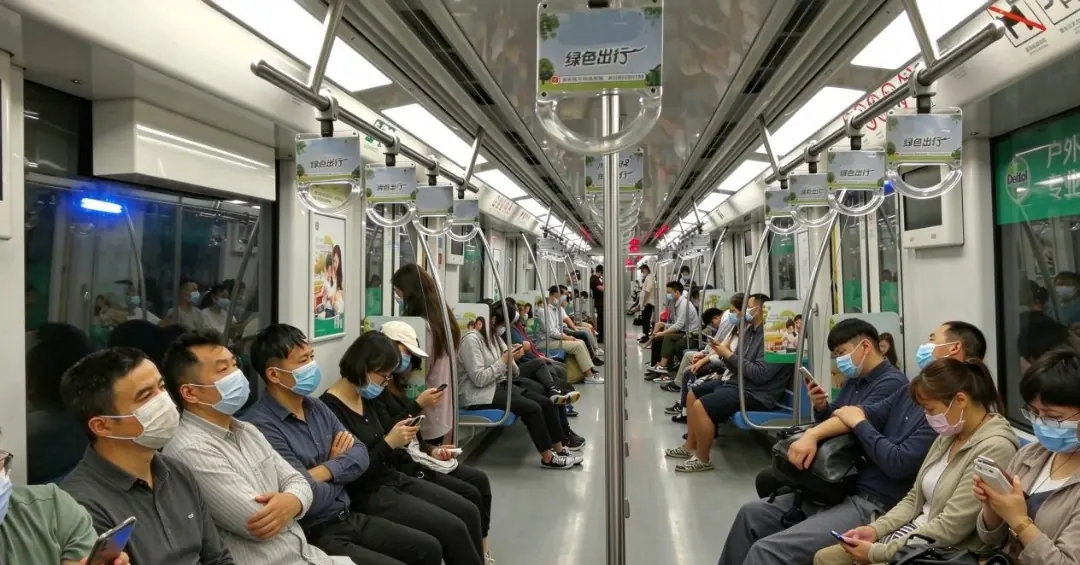
Coughing broke out in the office again. The subway car was the same — someone clearing their throat every few stops. Some people shake it off in two or three days; others keep coughing for weeks. Why does autumn turn everyone into a cougher, and what actually helps?
Why Autumn Becomes "Cough Season"
1. Dry air dries out your airway
Autumn's most obvious change is dryness. Dry air pulls moisture from the respiratory mucosa, leaving it dried out with weakened defenses. The cilia that sweep mucus slow down, the airway's self-cleaning power drops, and dust and germs cling more easily and irritate the respiratory tract. Dry air also hits the airway directly, raising its sensitivity.
2. Day-night temperature swings
In autumn the gap between day and night can reach more than ten degrees. Cold air itself irritates the respiratory tract: breathed in, it makes the trachea contract and spasm, which triggers coughing.
3. Allergens wake up — pollen and dust mites
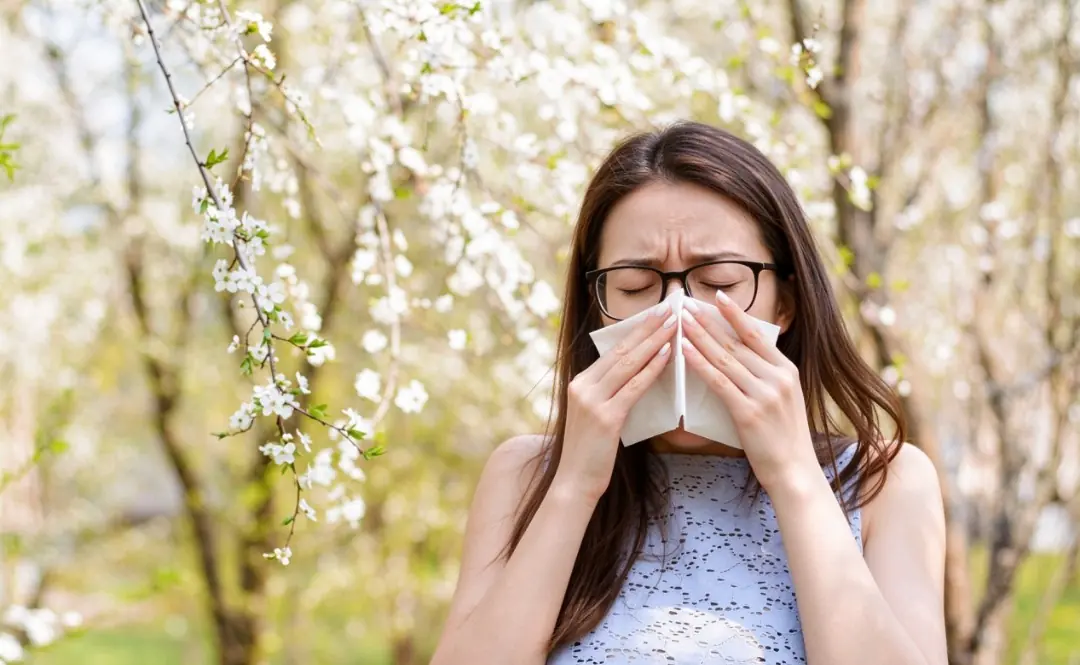
Autumn is a peak allergy season. Large amounts of pollen float in the air, especially weed pollen from mugwort (Artemisia), hop (Humulus), and ragweed (Ambrosia). These pollen grains are small and easily inhaled deep into the airway, triggering allergic cough, allergic rhinitis, and even asthma attacks. On top of that, the thick bedding and autumn clothes pulled out of storage hide plenty of dust mites — another major autumn allergen.
4. Viruses go active
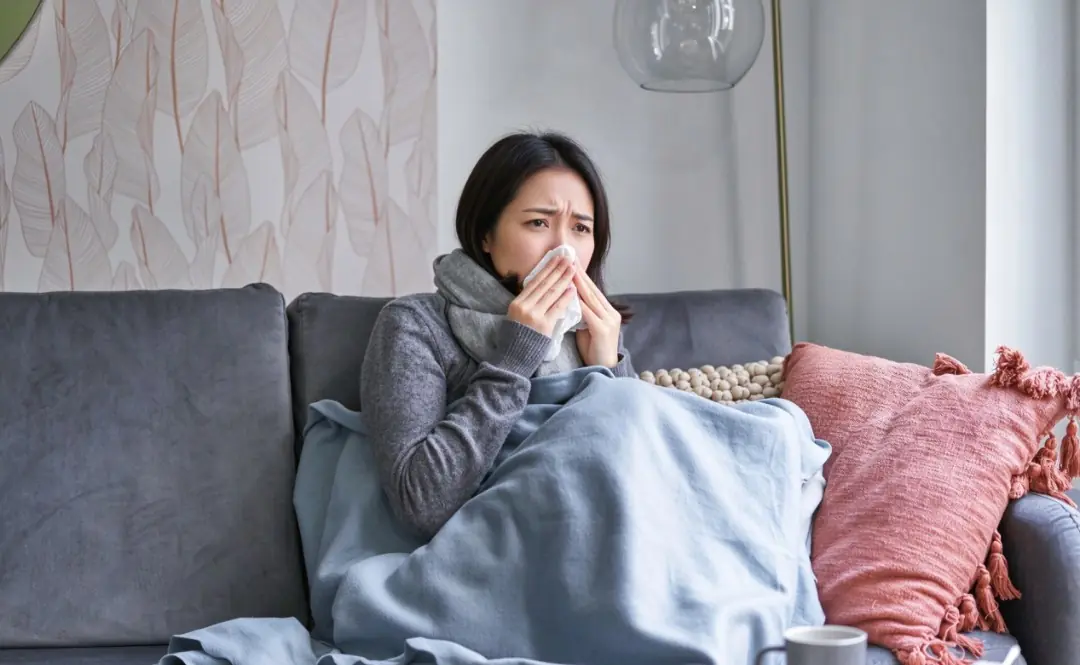
Autumn is respiratory-infection season. As temperatures drop, rhinoviruses, influenza viruses, and respiratory syncytial virus enter their active period. Once these pathogens invade the respiratory tract, they inflame the airway mucosa and can cause acute tracheitis and bronchitis. Viral coughs are especially common in autumn and winter.
5. Bacteria move in second
Beyond direct viral attack, bacteria take advantage. When a chill weakens immunity, or a viral infection damages the mucosal barrier of the airway, Streptococcus pneumoniae and Haemophilus influenzae can invade as secondary pathogens, causing bacterial inflammation of the airway or lungs. Unlike viral coughs, bacterial infection usually produces yellowish or greenish phlegm, sometimes with a persistent high fever and chest pain.
Two Myths That Make Coughs Worse
Myth 1: Reach for antibiotics at the first cough
Antibiotics only work on bacterial coughs. Many coughs are viral or allergic — blindly taking antibiotics won't stop the cough, but will disrupt the balance of the body's flora, promote bacterial resistance, and trigger avoidable side effects.
Myth 2: Grab a strong cough suppressant
Many people rush to strong antitussives the moment a cough starts. If the cough comes with a lot of phlegm, blindly suppressing it leaves mucus pooled in the airway and unable to clear, which can worsen infection. Whether to suppress or to loosen the phlegm depends on the actual symptoms.
What to Actually Do
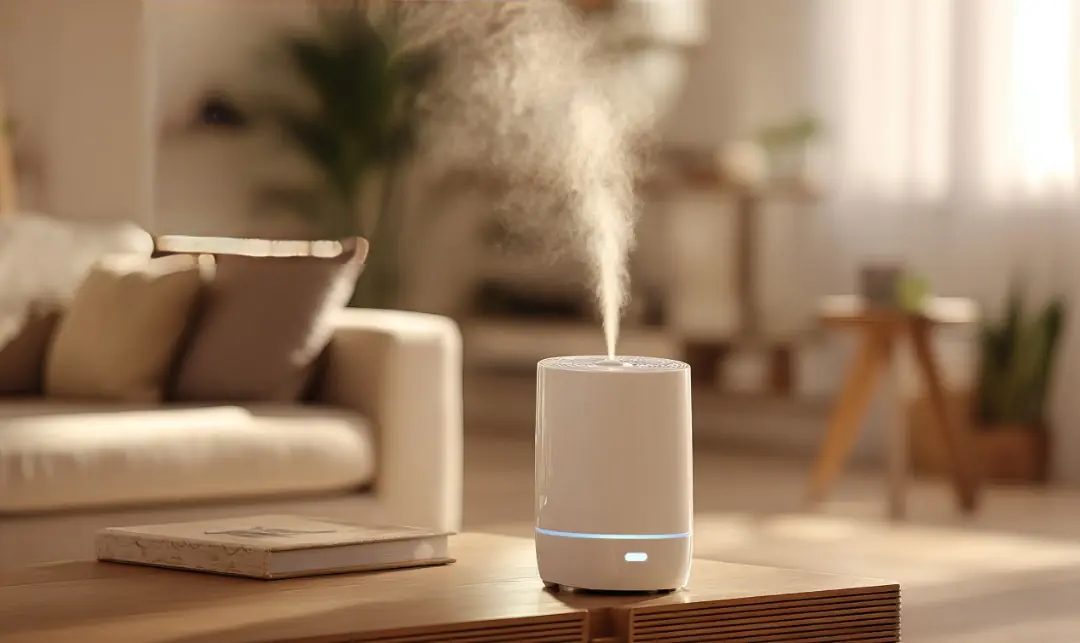
Keep the air moist. Use a humidifier at home and hold indoor humidity around 50–60% to ease the dry-air irritation. Humidifiers need regular cleaning — a dirty one breeds mold and bacteria and becomes a second source of pollution.
Drink warm water. It thins phlegm and soothes the throat; enough fluids also reduce respiratory swelling and mucus production.
Stay warm. Autumn days are warm but nights are cold — dress in layers and protect the neck and upper back.
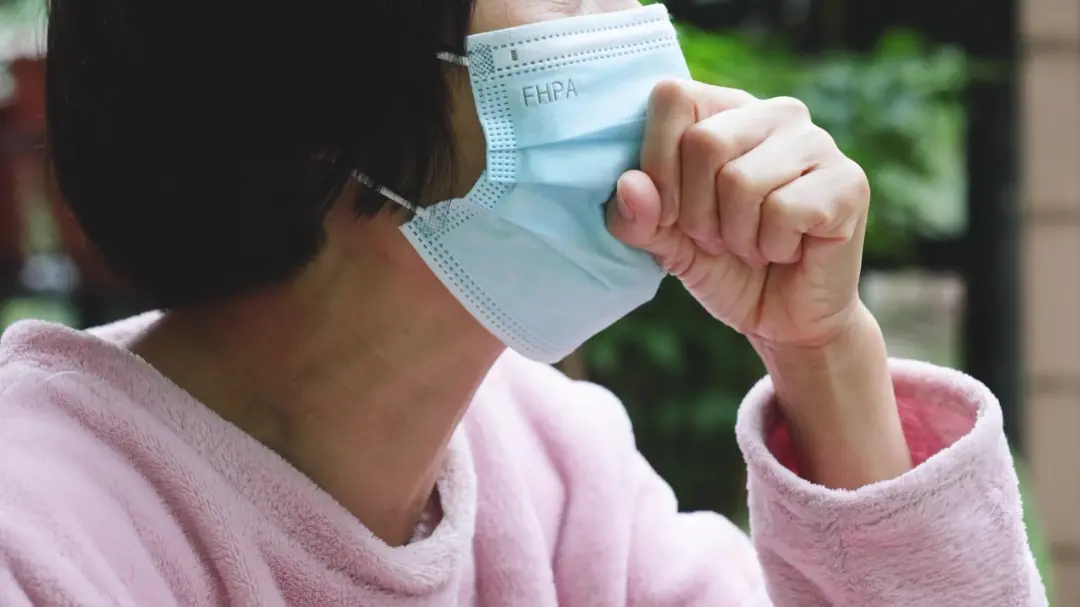
Wear a mask outdoors. Autumn wind carries pollen; a mask blocks part of the cold air and allergens, reducing airway irritation.
Eat lung-friendly foods. Pears, sugarcane, lily, white fungus and honey all help. One hard warning: never give honey to infants under 1 year old — it can cause infant botulism. People with diabetes should also limit sweet foods.
See a doctor if the cough drags on, or if you notice blood in phlegm, chest pain, repeated fever, difficulty breathing, or shortness of breath. Don't tough it out.
Want to see what the pollen that sets off autumn allergy coughs looks like up close? The corn pollen specimen shows the grain's surface ornamentation and single germination pore — the same wind-carried pollen family as mugwort, hop, and ragweed that floats into deep airways. Just search "WWAI" in your app store to carry a digital microscope in your pocket and inspect the microscopic world whenever you're curious.

Related reading

Nose & Snot: Why a Small Cavity Produces So Much

Blue Inhaler: Why Asthma Guidelines Dropped SABA

House Mold: Why Your Child Keeps Getting Sick

Alpha-Gal Syndrome: The Tick-Borne Meat Allergy
References
Jacobs SE, Lamson DM, St George K, Walsh TJ. Human rhinoviruses. Clinical Microbiology Reviews. 2013;26(1):135-162.
Borchers AT, Chang C, Gershwin ME, Gershwin LJ. Respiratory syncytial virus—a comprehensive review. Clinical Reviews in Allergy & Immunology. 2013;45(3):331-379.
Lynch JP 3rd, Zhanel GG. Streptococcus pneumoniae: epidemiology, risk factors, and strategies for prevention. Seminars in Respiratory and Critical Care Medicine. 2009;30(2):189-209.
King P. Haemophilus influenzae and the lung. Paediatric Respiratory Reviews. 2012;13(2):97-102.
Harris AM, Hicks LA, Qaseem A. Appropriate antibiotic use for acute respiratory tract infection in adults: advice for high-value care. Annals of Internal Medicine. 2016;164(6):425-434.
Oduwole O, Udoh EE, Oyo-Ita A, Meremikwu MM. Honey for acute cough in children: a Cochrane review. Cochrane Database of Systematic Reviews. 2018;2:CD007094.
D'Amato G, Vitale C, De Martino A, et al. Effects on asthma and respiratory allergy of climate change and air pollution. Multidisciplinary Respiratory Medicine. 2015;10:39.
- 秋天為什麼讓你咳不停?5 個咳嗽元兇
- Why Autumn Makes You Cough: 5 Causes of Fall Cough
- Why Do Humans Mate in Private? Ask a Desert Bird
- 為什麼人類交配要私密?沙漠裡的一隻鳥給出答案
- Why Do Cats Go Limp When Scruffed? Tigers Won't
- 捏住老虎後頸,牠會像貓咪一樣乖巧順從嗎?
- How to Tell If an Adrenal Nodule Makes Hormones
- 腎上腺結節功能檢查:抽血判斷,不是看 CT 大小
- Pacific Oyster Invasion: The Edible Ecosystem Engineer
- 牡蠣:入侵歐洲的海洋工程師,也是桌上美食
全部评论