Mold in a Double-Wall Baby Bowl: What 60°C Can't Kill
A mother dropped her toddler's insulated bowl and the lid popped open. What she found inside the gap — between the stainless-steel inner liner and the plastic shell — stopped her cold: the hollow space was lined with black mold, and the water trapped in it smelled rotten.
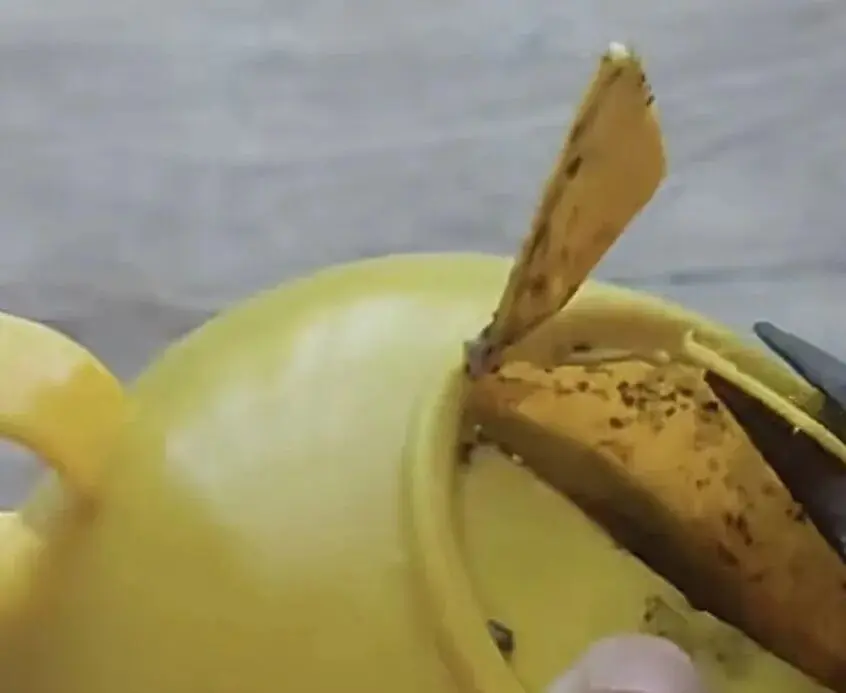
Nothing in the bowl had ever touched food directly. That is exactly the point: the dangerous part of an insulated bowl is the part food never touches.
The Bowl That Never Gets Cleaned
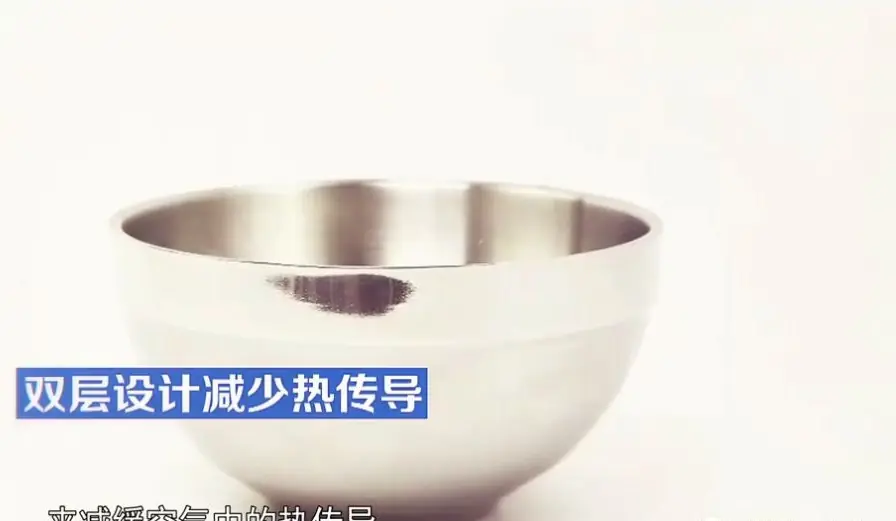
Insulated baby bowls sold as "warm-keeping" cups and dishes usually come in two designs: a double-wall structure that slows heat transfer, or a sealed layer that holds hot water injected into the base. The second type is sold with a small fill port on the bottom — "pour in hot water to keep food warm."
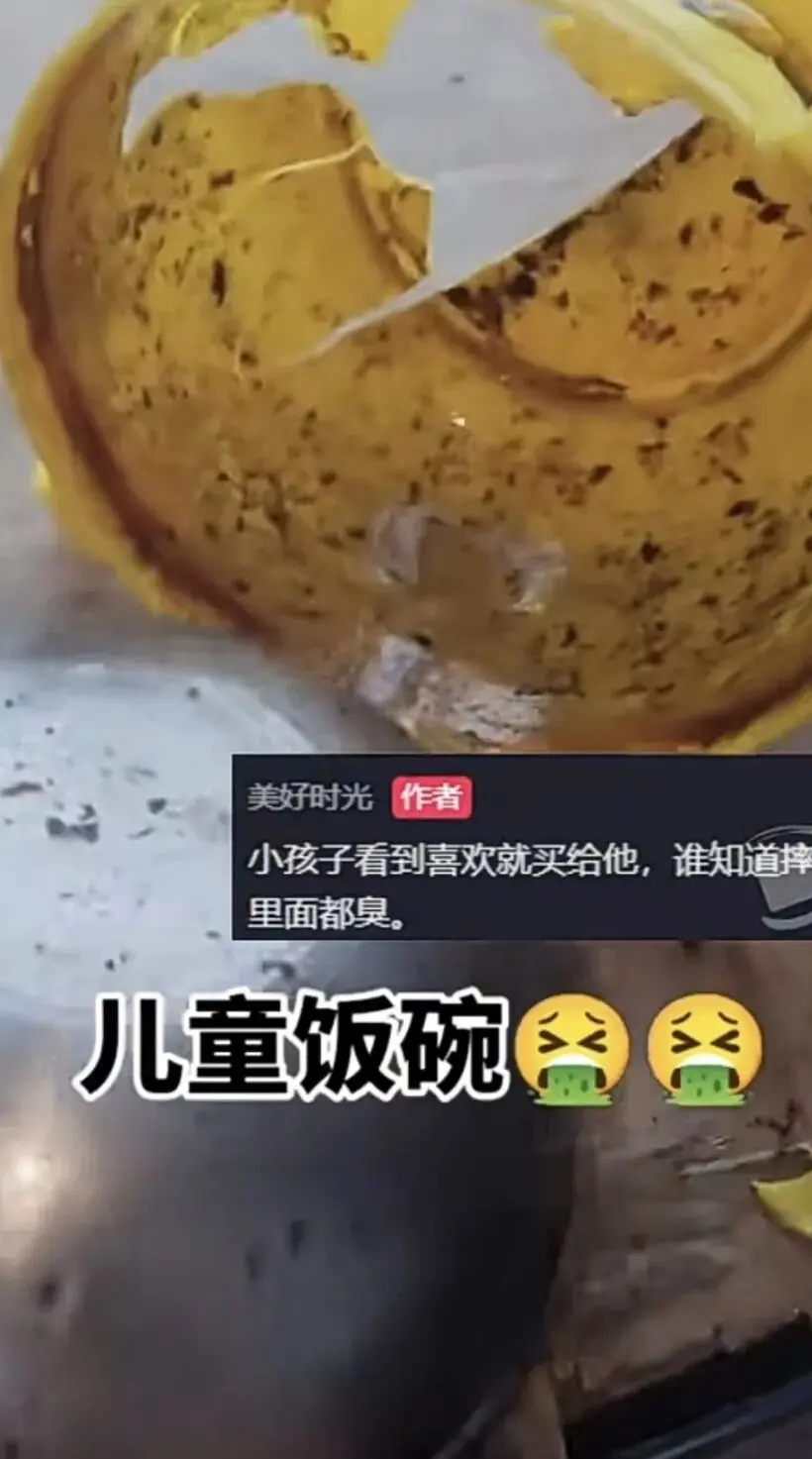
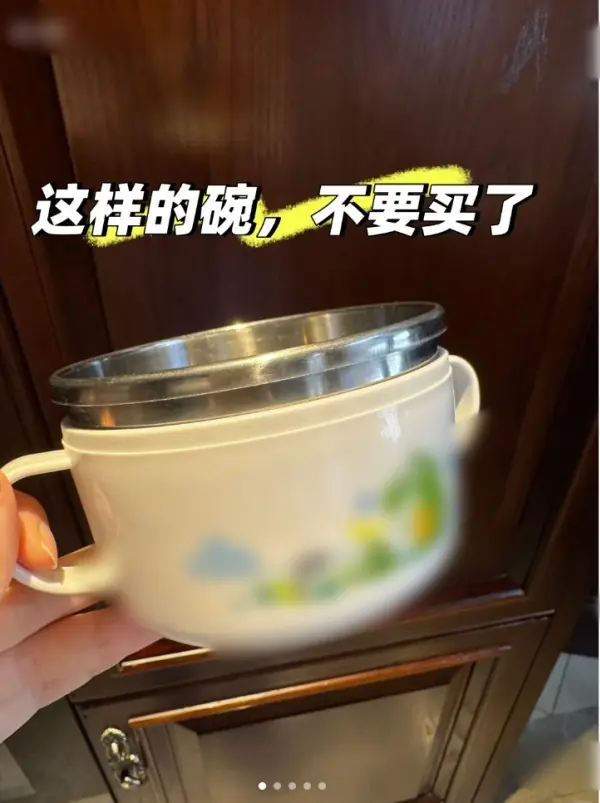
The problem is what hides in that gap. Many mothers on social media have posted the same warning: avoid this kind of divided feeding bowl — the seams trap food residue, and some reviewers specifically advise choosing a one-piece 316 stainless bowl instead.
Netizens arguing under the original post split into camps: replace the bowl, blame poor cleaning habits, or disassemble it for washing. One commenter's guess kept coming back — this bowl had probably not been opened and washed for years.
What a Lab Found Inside
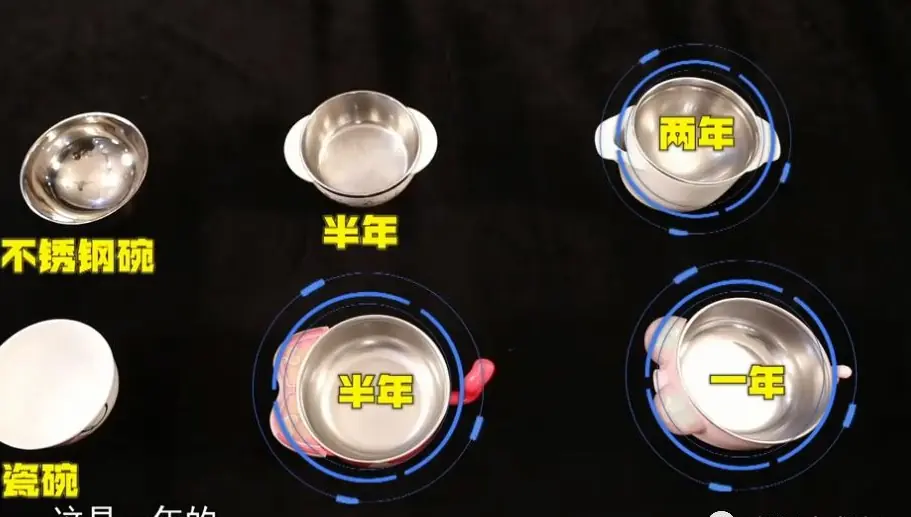
In a December 2019 program test, researchers examined both common designs — the double-wall type that slows heat conduction and the hot-water-fill type. The results: the total colony count was severely above standard — too high to count. The longer the bowl was used, the more bacteria grew.
The organisms isolated included Bacillus cereus, Klebsiella pneumoniae, and Acinetobacter baumannii. Tableware commonly carries E. coli, Pseudomonas aeruginosa, Staphylococcus aureus, Salmonella, and Shigella as well.
All of these are opportunistic pathogens — bacteria that a healthy adult usually shrugs off but that can cause real trouble in infants, the elderly, and anyone with lowered immunity: diarrhea, abdominal pain, and vomiting that can, if left untreated, become life-threatening.
Why Warm Water Doesn't Save You
Here is the part most parents don't realize: the "keep warm" feature is also a bacteria incubator.
Hot water poured into the fill layer at 60–70°C cannot sterilize it. Killing these organisms reliably requires heating to 120°C and holding that temperature for a set period — the standard autoclave cycle. Warm water in a food bowl simply keeps whatever is already growing cozy.
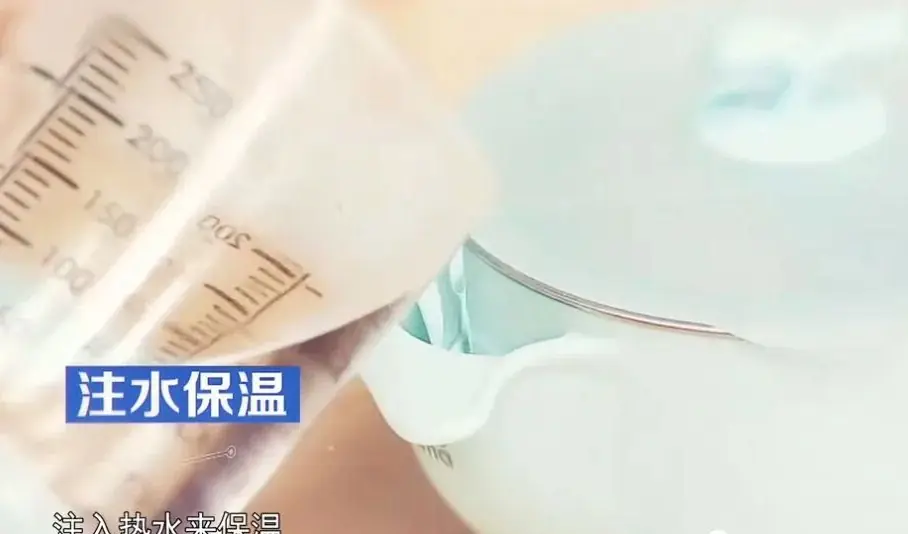
And there is a second problem beyond live bacteria. The seal of an insulated bowl is not completely airtight, and even after the bacteria die, their released toxins remain in the food, invisible and safe-smelling. No amount of rinsing the inner liner undoes what has been cooking in the gap.
The longer the bowl has been in use, the more colonies the lab recovered — and the same visual contrast shows up in the test's sample photos, pairing a stainless bowl used half a year, a ceramic bowl used two years, and a one-year sample side by side.
What to Actually Do
The practical rule is simple and cheap:
1. Wash every time, and disinfect thoroughly on a schedule — a routine scrub of the inner bowl is not enough if the bowl has a fill layer;
2. Do not boil or heat-sterilize the fill layer — most of these bowls are not made for high heat. Because the material can't take it, use ozone or UV disinfection instead;
3. Replace the bowl every 3–6 months — even with careful cleaning, a sealed gap you cannot open is a culture chamber you cannot fully clean.
Want to see what "mold in the gap" actually looks like under a virtual microscope? The Rhizopus nigricans specimen shows the branching hyphae and spore-filled sporangium of the same kind of fungus that blackens damp corners — and the Escherichia coli specimen shows the Gram-negative rods of the opportunistic bacteria that can ride along on tableware. Just search "WWAI" in your app store to carry a digital microscope in your pocket and inspect the microscopic world whenever you're curious.

Related reading

Fried Rice Syndrome: A Reheating Danger

House Mold: Why Your Child Keeps Getting Sick

Bacteria in Your Half-Finished Drink Bottle

Salmonella: How It Contaminates Your Food
References
Stenfors Arnesen LP, Fagerlund A, Granum PE. From soil to gut: Bacillus cereus and its food poisoning toxins. FEMS Microbiology Reviews. 2008;32(4):579-606.
Podschun R, Ullmann U. Klebsiella spp. as nosocomial pathogens: epidemiology, taxonomy, typing methods, and pathogenicity factors. Clinical Microbiology Reviews. 1998;11(4):589-603.
Howard A, O'Donoghue M, Feeney A, Sleator RD. Acinetobacter baumannii: an emerging opportunistic pathogen. Virulence. 2012;3(3):243-250.
Casadevall A, Pirofski LA. Host-pathogen interactions: the attributes of virulence. Journal of Infectious Diseases. 2001;184(3):337-344.
Rutala WA, Weber DJ. Guideline for Disinfection and Sterilization in Healthcare Facilities, 2008. Centers for Disease Control and Prevention / Healthcare Infection Control Practices Advisory Committee.
Guerrant RL, Hughes JM, Lima NL, Crane J. Diarrhea in developed and developing countries: magnitude, special settings, and etiologies. Reviews of Infectious Diseases. 1990;12(Suppl 1):S41-S50.
Kim JG, Yousef AE, Dave S. Application of ozone for enhancing the microbiological safety and quality of foods: a review. Journal of Food Protection. 1999;62(9):1071-1087.
- Sweet Potato Leaves: Fiber, Calcium, Lutein in One Green
- 地瓜葉的營養價值:鈣比牛奶高、葉黃素超西蘭花
- 蟑螂粉的真相:71% 粗蛋白不是蛋白
- Why Cockroach "Protein Powder" Isn't Protein
- Autocatalysis in Evolution: From Fish to Humans
- 自催化的演化:從魚到人的 5 億年
- Ectopic Tooth in Eyelid: A World-First Superior Orbit Case
- 眼瞼長牙的真相:全球首例眶上異位牙
- What Is Lean Muscle? 4 Factors Behind 'Thin Muscle' Physique
- 薄肌理論是啥?4 個特徵決定你的肌肉線條
全部评论