In Ancient China, Oil Was Gold — the Poor Ate Fried Dough
Forget the ancient dynasties for a moment. In the village and market town I remember, in the 1990s, cooking oil was precious enough that every household rationed it — and two fried-dough stalls were still doing brisk business, frying on what locals called "千煎百炼" oil: boiled, reused, and refined a thousand times over.
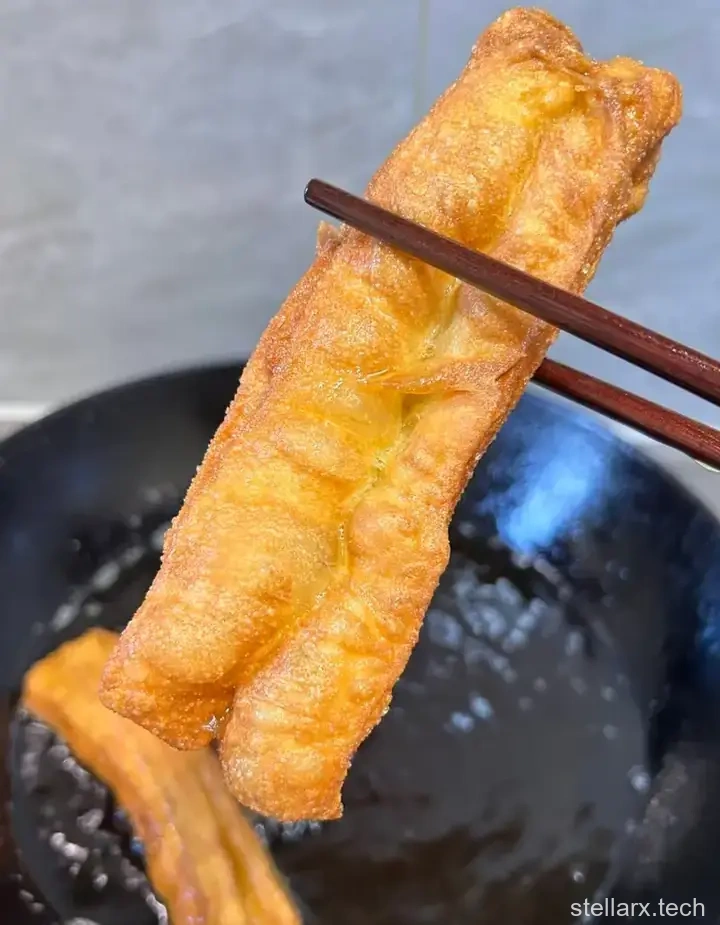
Old folks said eating too many of these dough sticks was bad for you. I only got to have one every two or three months anyway. The sticks fried in that near-black oil tasted good enough to make me happy — back then every recipe used alum, which made the dough puffy and fragrant. Alum was banned later.
So whenever I got to town, I would ask my elders for a few jiao — a few dimes — and run to the stalls for hot fried dough, eating it with shiny, greasy fingers.
Even in 2000, households in our village and town were still cooking with reused frying oil. The same oil had fried all sorts of festive treats — oil fruit, sugar balls, stove fish, egg floss, and oil horns. Oil that had been through several rounds carried a smell and look not much better than the street stall's black wok. Stir-fried dishes made with it tasted odd, with no extra fragrance at all.
Why not fry less, or switch to fresh oil? Simple: life was modest. Reusing oil meant spending less on cooking oil.
Around oil, the village had several daily strategies.
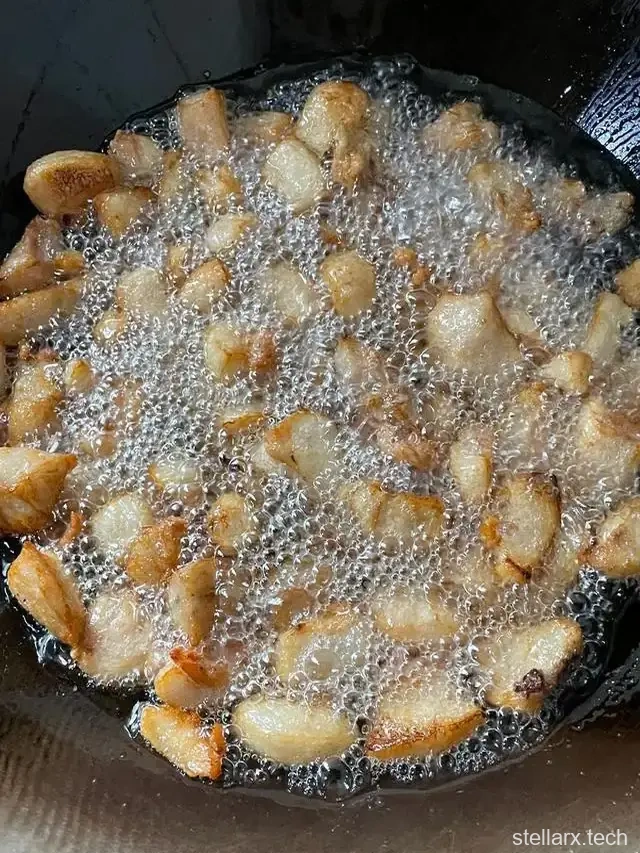
One: every household raised a pig. Fed from the start of the year, it became a big hog by winter, and relatives were invited for the annual slaughter. The host would take the leaf lard from the hog's belly and render it into lard. Rendering filled the kitchen with heat and the smell of fat — and the cracklings that came out of it were the best snack a child could hope for.
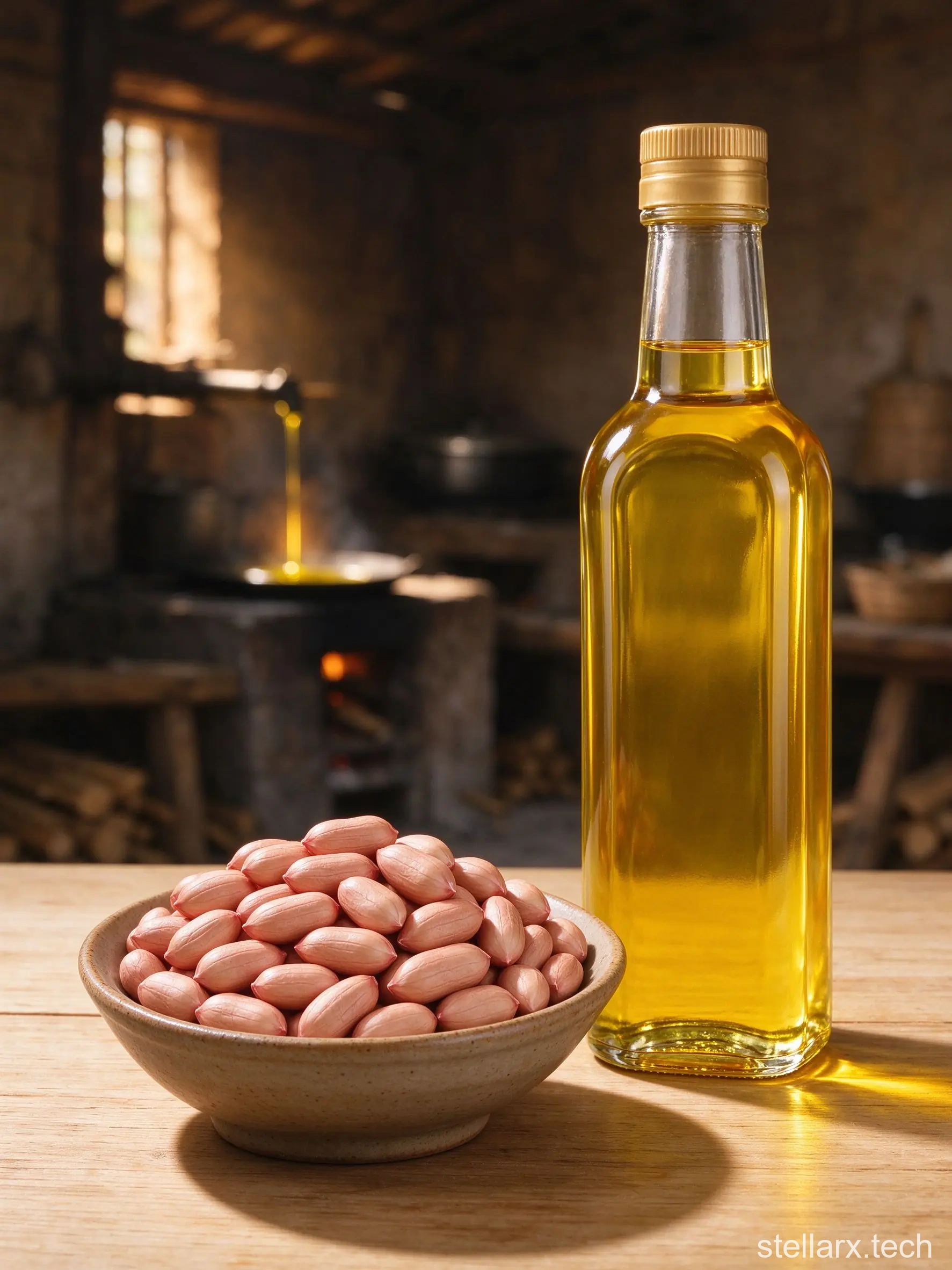
Two: every household grew peanuts. Once the season's crop was sun-dried and sorted, it went into bamboo baskets. Before New Year, people carried the baskets on shoulder poles to the village's little oil mill — "mill" being a generous word for such a small operation — to press peanut oil. The oil came out pure and fragrant; some neighbors called it fragrant oil, or simply "good oil." Around the New Year, one question dominated village talk: "How many jin of good oil did your family press?" The common answers were 30 jin, or 40.
Peanut oil cost far more than lard back then, so few families bought it at market. Most households saved it: it was used for frying the New Year treats and for seasoning a few dishes — the dipping sauce for white-cut chicken, for example, was almost always made with peanut oil.
The press cake left after the peanut kernels gave up their oil — peanut meal — made excellent fertilizer, but only after it had fermented and rotted through. Used fresh, it could burn plant roots.
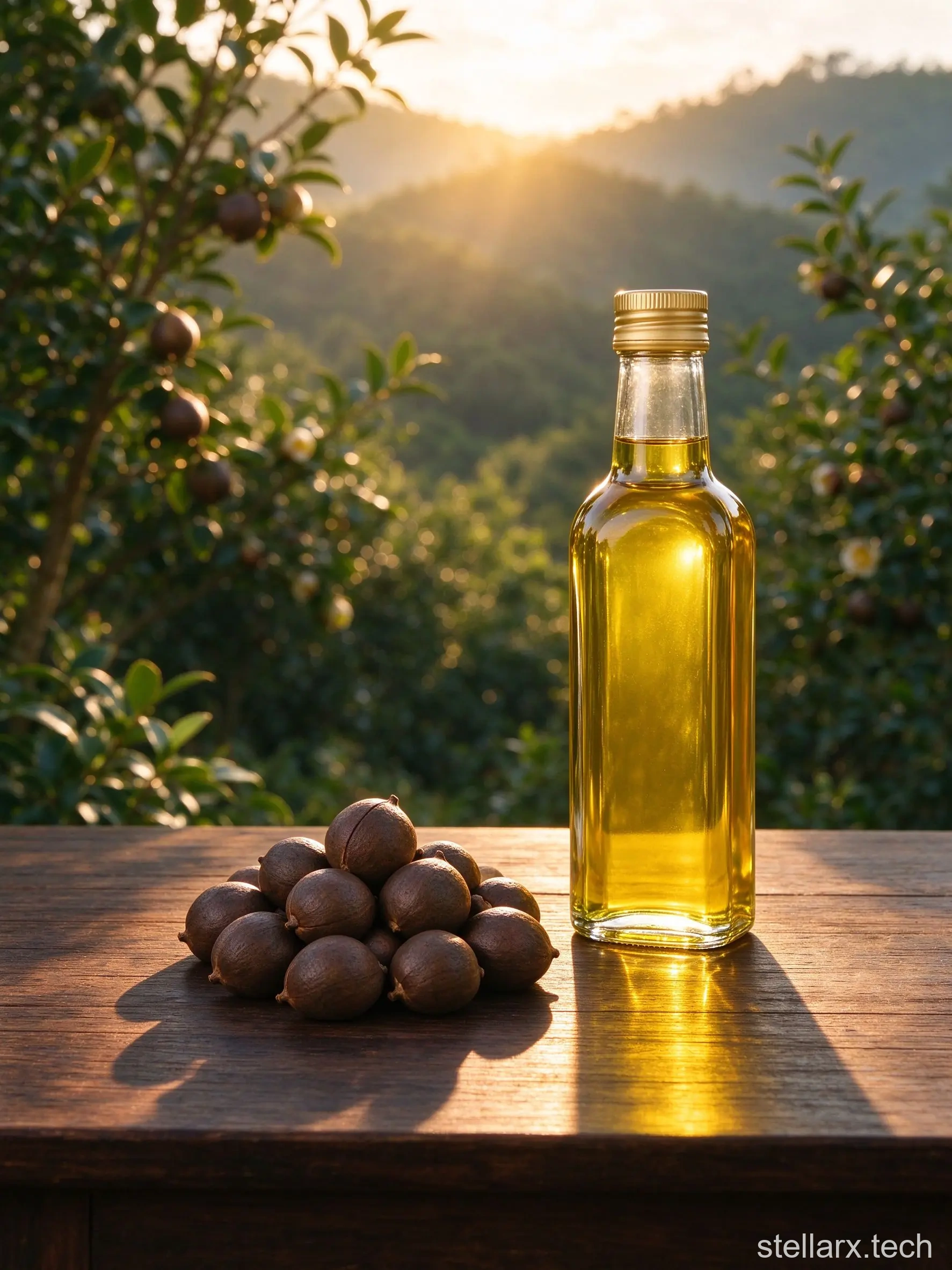
Three: a few families grew oil-tea trees on purpose, collecting the seeds and pressing them into camellia oil. In our village, eating camellia oil was a minority habit — only a few households used it in place of daily oils. A classmate of mine came from a poorer family, and when people talked about them, the verdict was a single phrase: "Their family eats camellia oil." Judging a household's means by its cooking oil left a deep impression on me.
Later, camellia oil found its market — today it sells for over 100 yuan a jin in our area. In 2013, a relative came home for the New Year and, before heading back to work, prepared camellia oil as a gift for his boss: a 5-jin oil can — the can bought himself — filled with pure camellia oil, wonderfully fragrant, for which he paid 600 yuan.
Then, in the late 2000s, life got visibly better. The festive frying oil was reused far fewer times — nothing like the old days. And the repeatedly used frying oil gradually left our tables. With more ways to buy oil, households had more choices than ever.
So why did people eat fried dough in an age of precious oil? Because every drop of oil was squeezed for everything it had. The dough did not need cheap oil — it needed oil used to its very last drop.
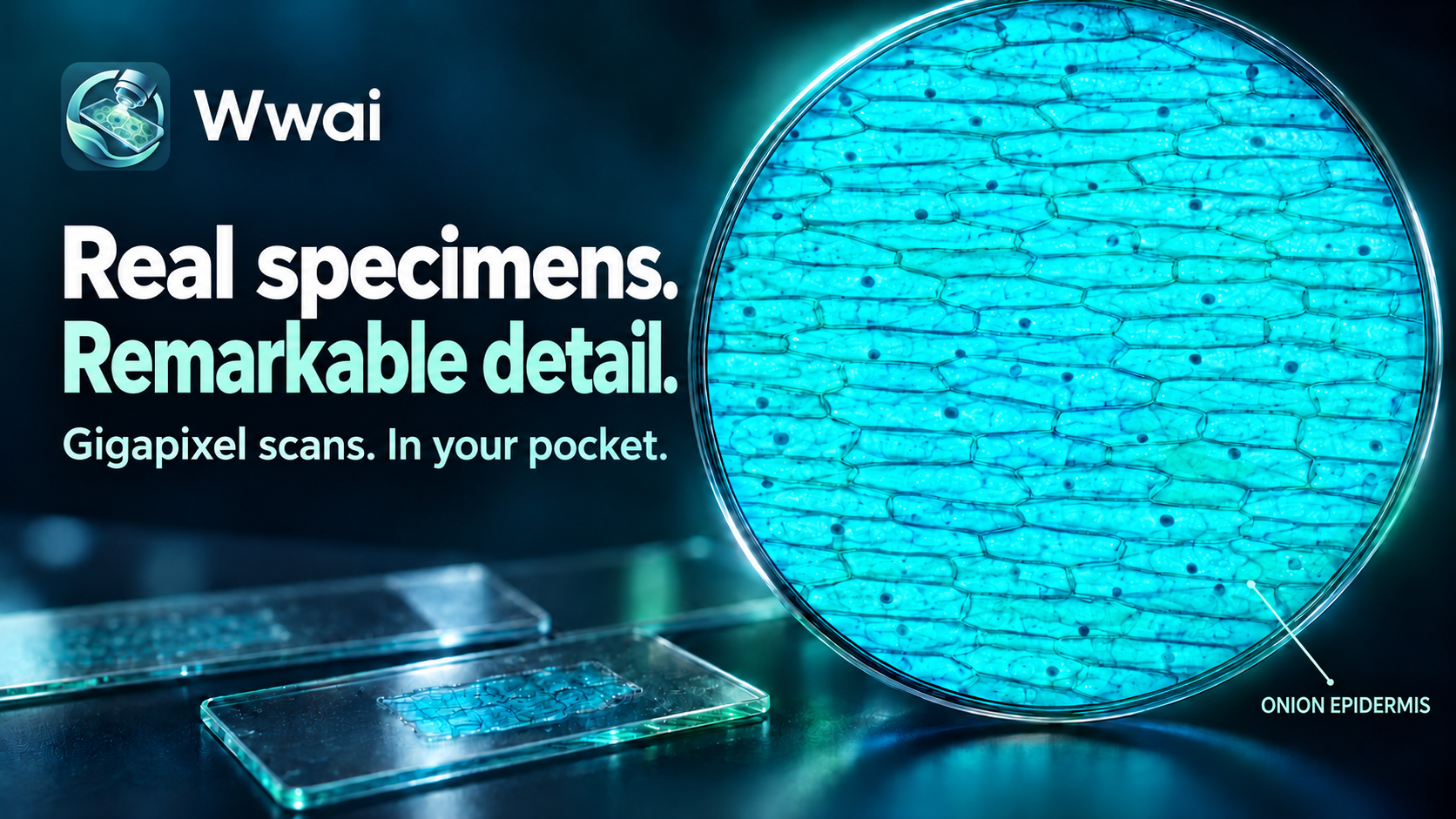
You do not have to take my word for how a seed stores its oil. Under a microscope, a legume seed's thick cotyledons show the cells where stored oil and nutrients live. Want to see oil storage under magnification for yourself? Just search "WWAI" in the app store and open the virtual microscope — including a broad bean seed specimen where the fat-rich storage tissue is clearly visible.
Related reading

Food Adulteration in Ancient China

Fried Rice Syndrome: A Reheating Danger

Long Egg Tart Craze: Why It Tastes Amazing for 3 Bites — The…
- 古代食用油那麼貴,窮人為何還吃得起油條?
- In Ancient China, Oil Was Gold — the Poor Ate Fried Dough
- Sweet Potato Leaves: Fiber, Calcium, Lutein in One Green
- 地瓜葉的營養價值:鈣比牛奶高、葉黃素超西蘭花
- 蟑螂粉的真相:71% 粗蛋白不是蛋白
- Why Cockroach "Protein Powder" Isn't Protein
- Autocatalysis in Evolution: From Fish to Humans
- 自催化的演化:從魚到人的 5 億年
- Ectopic Tooth in Eyelid: A World-First Superior Orbit Case
- 眼瞼長牙的真相:全球首例眶上異位牙
全部评论