Mercury in 'Baby Cod': A Toddler's Label Trap
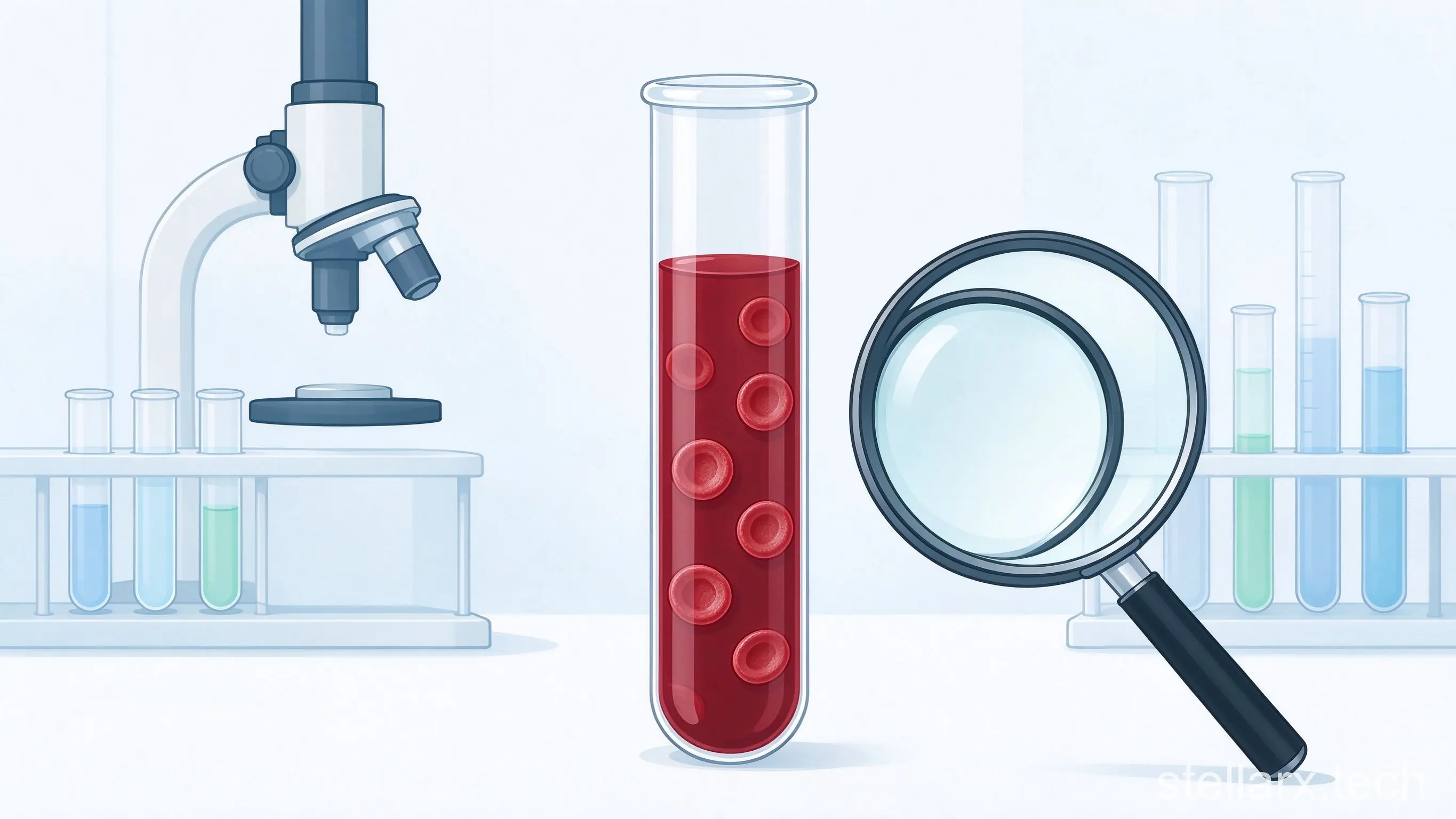
On September 28, a parent in Shanghai reported that their two-year-old had been diagnosed with mercury poisoning after eating "Antarctic silver cod, baby edition" for about eight months — two to three servings a week, roughly 110 grams per week. The child's blood mercury read 27.87 µg/L, far above the normal range.
The supplier's answer: "baby edition" only refers to the physical form — skinless, boneless pieces — not a claim that the product is infant food.
The case went viral. Red Star News found similar products — "baby edition," "mini edition," "toddler edition" silver cod — on multiple e-commerce platforms, all marketed with the same playbook: "designed for baby food," "peace of mind for baby," "stage-by-stage feeding adapted to your child's growth." Almost none mentioned the methylmercury risk inherent to large deep-sea predatory fish.
By September 30, several platforms had pulled the products or scrubbed the words "baby" and "children" from their listings.
Why Predatory Fish Carry Mercury
Here is the biology behind the label. Silver cod is a large predatory fish at the top of the marine food chain. Its scientific name for many of these products — the Antarctic toothfish (Dissostichus mawsoni) — belongs to a family of long-lived apex predators.
Mercury enters the ocean, bacteria convert it into methylmercury, and it climbs the food web: plankton take it up, small fish eat plankton, big fish eat small fish, and each step concentrates it. In apex predators that live for decades, methylmercury levels end up thousands of times higher than in the surrounding water. That is why health agencies tell pregnant women and young children to avoid exactly this class of fish: large, long-lived species that eat other fish.
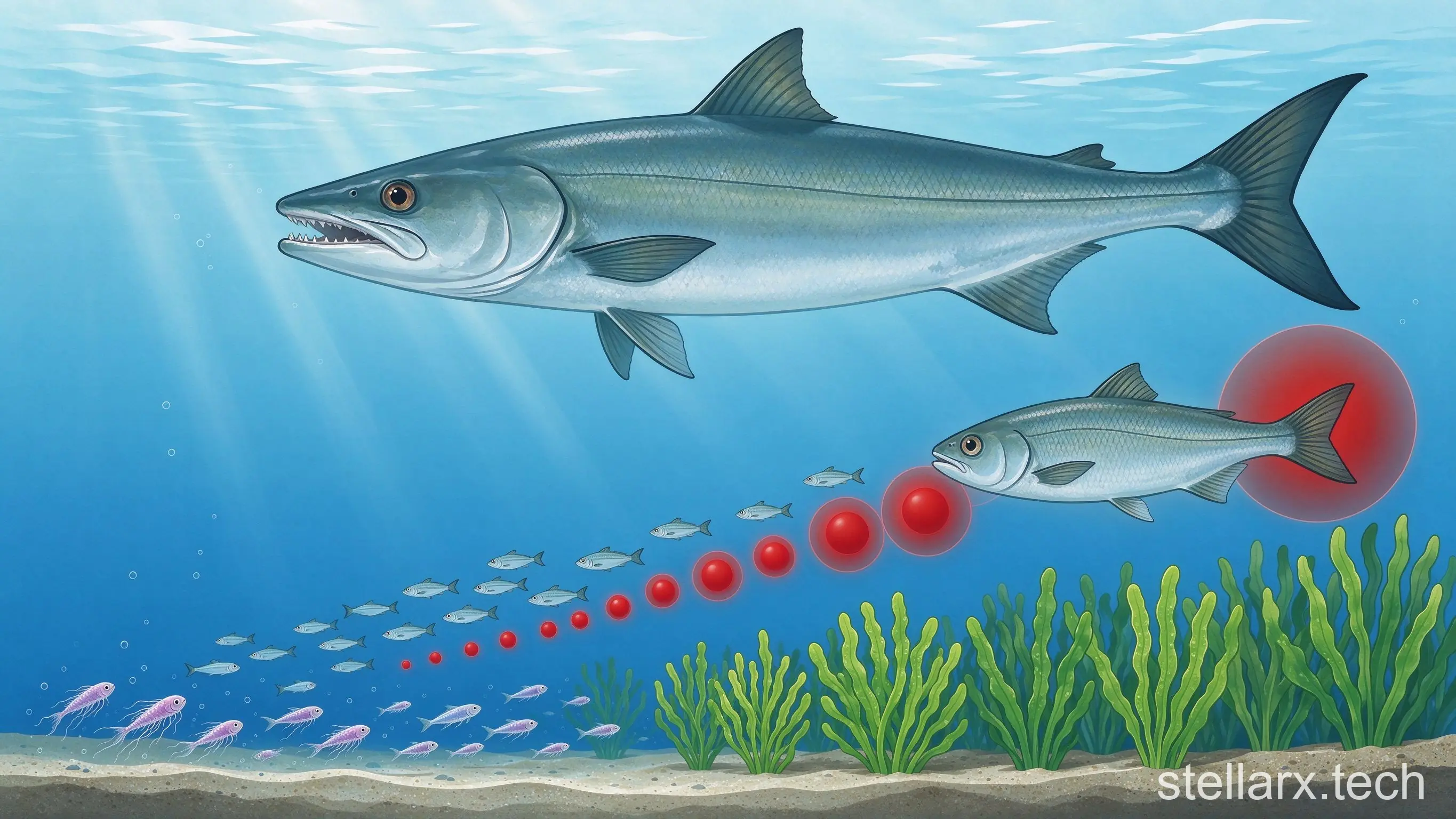
A clinician at a tertiary hospital in Guangdong put it plainly: for a young child eating this fish several times a week for weeks on end, methylmercury exposure can exceed safe limits — even to the point of poisoning.
The parents' mistake is understandable. They chose the product because the label said "baby edition," the pieces were small and boneless, and the marketing positioned it as baby food. "We always thought it was a safe, healthy ingredient for a small child," one parent said. "A routine check-up found the blood mercury far above normal."
The "Baby Label" Is Not Baby Food
An industry insider explained the label's real meaning. China has food-safety standards for infant food (ages 0 to 3) and for foods for special medical purposes — but no specific standard for food marketed to older children. Products labeled "baby edition" or "toddler edition" are, in essence, ordinary food, produced to adult food standards. The heavy-metal limits in those standards were never designed around a toddler's slower metabolism and tendency to accumulate metals.
"Manufacturers rely on packaging and slogans to imply a product is better for children, without any quality basis — using parents' anxiety about their children's health to profit from information asymmetry," the insider said.
What the Law Requires
Chinese food-safety law separates infant food from ordinary food with a strict two-track system. Foods for infants belong to a special category with their own mandatory national standards — far stricter limits for heavy metals and contaminants, plus mandatory labeling of the applicable age range and warnings. Ordinary aquatic products have no legal basis to claim "for children."
Retailers also have legal duties: to verify licenses, production permits, test reports, and to check that marketing matches the actual product. If a seller knowingly sells a falsely advertised product, or fails to notice the problem, they can bear joint liability with the manufacturer.
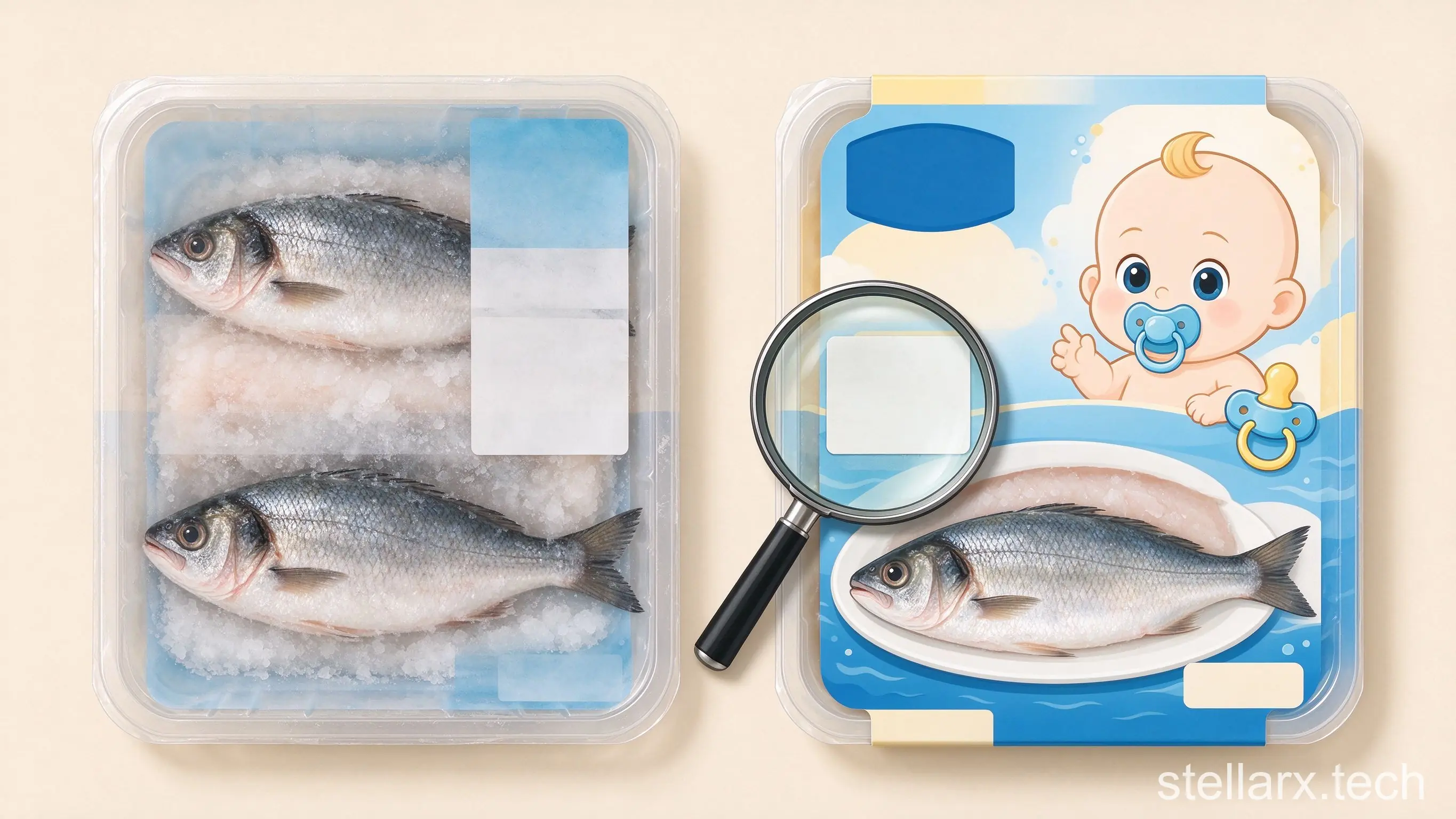
Platforms came under fire too: "Silver cod carries a mercury risk — platforms need clear guidance, like a weekly limit for two-year-olds," said one industry analyst. Lawyers pointed out that the core problem is not that the product's mercury level exceeded a general standard, but that sellers exploited a regulatory loophole: taking a fish species with a known methylmercury accumulation risk, dressing it in baby branding, and steering parents into feeding it to small children frequently and in large amounts — with the key safety information never disclosed.
The Rule That Will Close the Loophole
In March 2025, China's State Administration for Market Regulation issued the Measures for the Supervision and Administration of Food Labeling (Order No. 100). Article 8 states: without a basis in law, regulation, national food-safety standard, or industry standard, food labels may not claim the product is suitable for minors in a way that deceives or misleads consumers. The measures take effect on March 16, 2027.
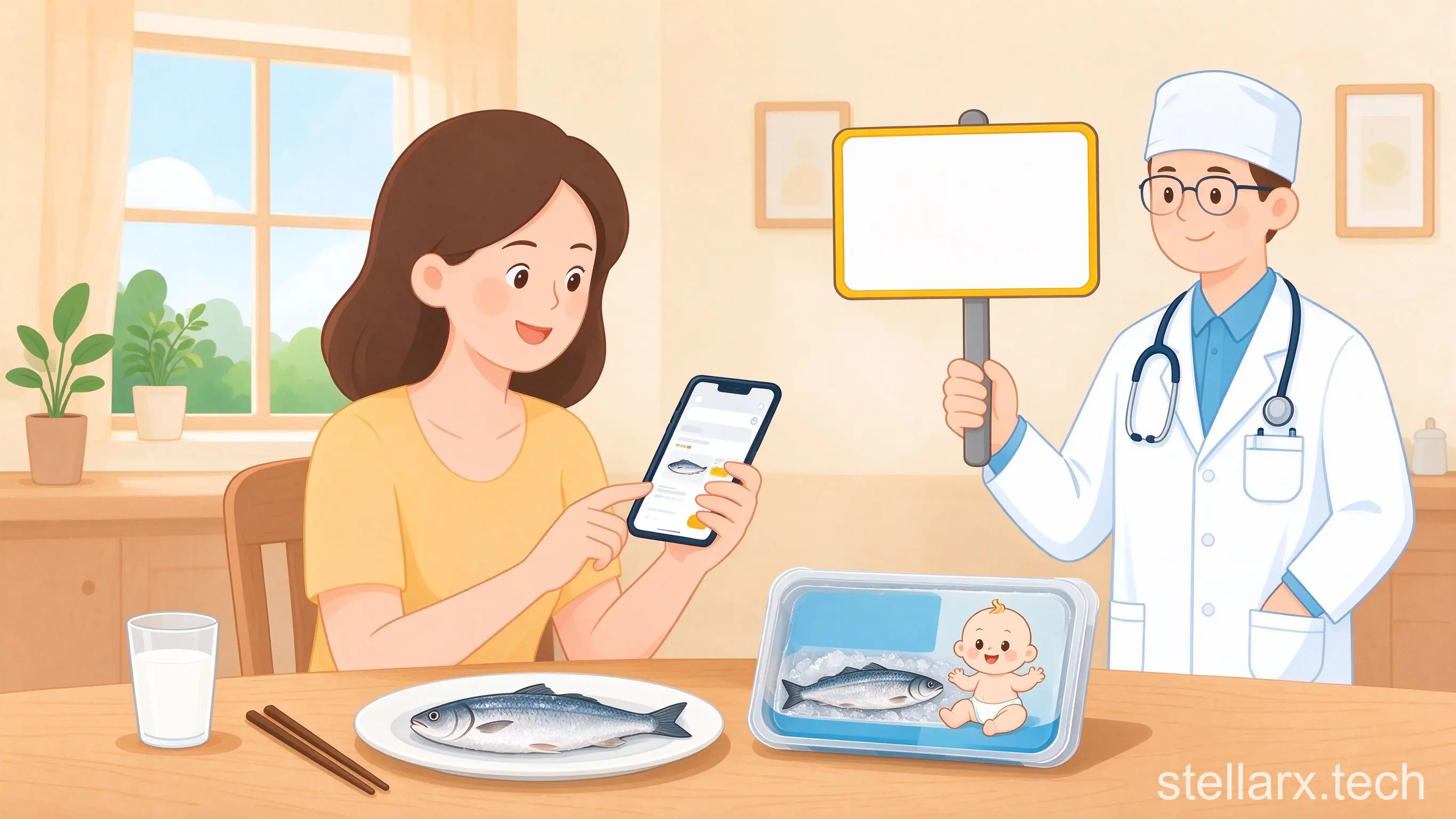
Beyond that, experts are calling for a systematic fix: a national standard for "food for minors" covering roughly 230 million children aged 3 to 18, with differentiated technical requirements by age group — 0 to 3, 3 to 6, and beyond — instead of letting products be made to adult standards and sold with baby pictures.
The lesson for parents in the meantime is simple: a cute label is not a safety certification. If a fish is large, predatory, and long-lived, it carries methylmercury — no matter how many cartoon babies are on the box.
Want to see the red blood cells that carry mercury through the body — the very cells a blood-mercury test measures? WWAI includes a human red blood cell specimen where red blood cells are clearly visible. Just search "WWAI" in your app store and download it today.
References:
[1] U.S. FDA / EPA. Advice About Eating Fish: For Those Who Might Become or Are Pregnant or Breastfeeding and Children Ages 1-11 Years. https://www.fda.gov/food/consumers/advice-about-eating-fish
[2] Methylmercury and Brain Development: A Review of Recent Literature. J Prev Med Public Health 2016;49(6). https://pmc.ncbi.nlm.nih.gov/articles/PMC5011031/
[3] Methylmercury in Fish. NCBI Bookshelf. https://www.ncbi.nlm.nih.gov/books/NBK582836/
[4] Pan American Health Organization. Mercury: bioaccumulation and biomagnification in fish. https://www.paho.org/en/topics/mercury
All illustrations are AI-generated.
Related reading

Why a Batch of Black Sesame Paste Tested 27× the Mold Limit

- Ancient Food Was Never Pure: Urine, Lye, and Fake Fish
- When Lockdown Laziness Grew Glowing Algae
- Why a Tick Bite Can Make You Allergic to Red Meat
- Who Has More Legs: House Centipede or Centipede?
- Vibrio vulnificus: Seafood Pricks That Can Turn Fatal
- This Dolphin Makes Fish Vomit to Steal Their Food
- Mercury in 'Baby Cod': A Toddler's Label Trap
- Male Lactation Is Real: Why Females Nurse
- Where the 1.6–2.2 g/kg Protein Rule Comes From
- Why Cockroaches Aren't as Tough as You Think
全部评论