Why Are Mysterious Round Holes Appearing on Parked Cars? The Culprit Is a Moth Larva
Recently, many car owners in Shanghai, Zhejiang, and Jiangsu have reported the same baffling damage: their parked cars are covered with small, round holes with edges so smooth they look as if a hole puncher did the job. Plastic bumpers and trim are also etched with fine, dense gnawing marks.
The culprit, it turns out, is a tiny insect that lives in roadside trees.
A "Drill Bit" Hiding in the Trees
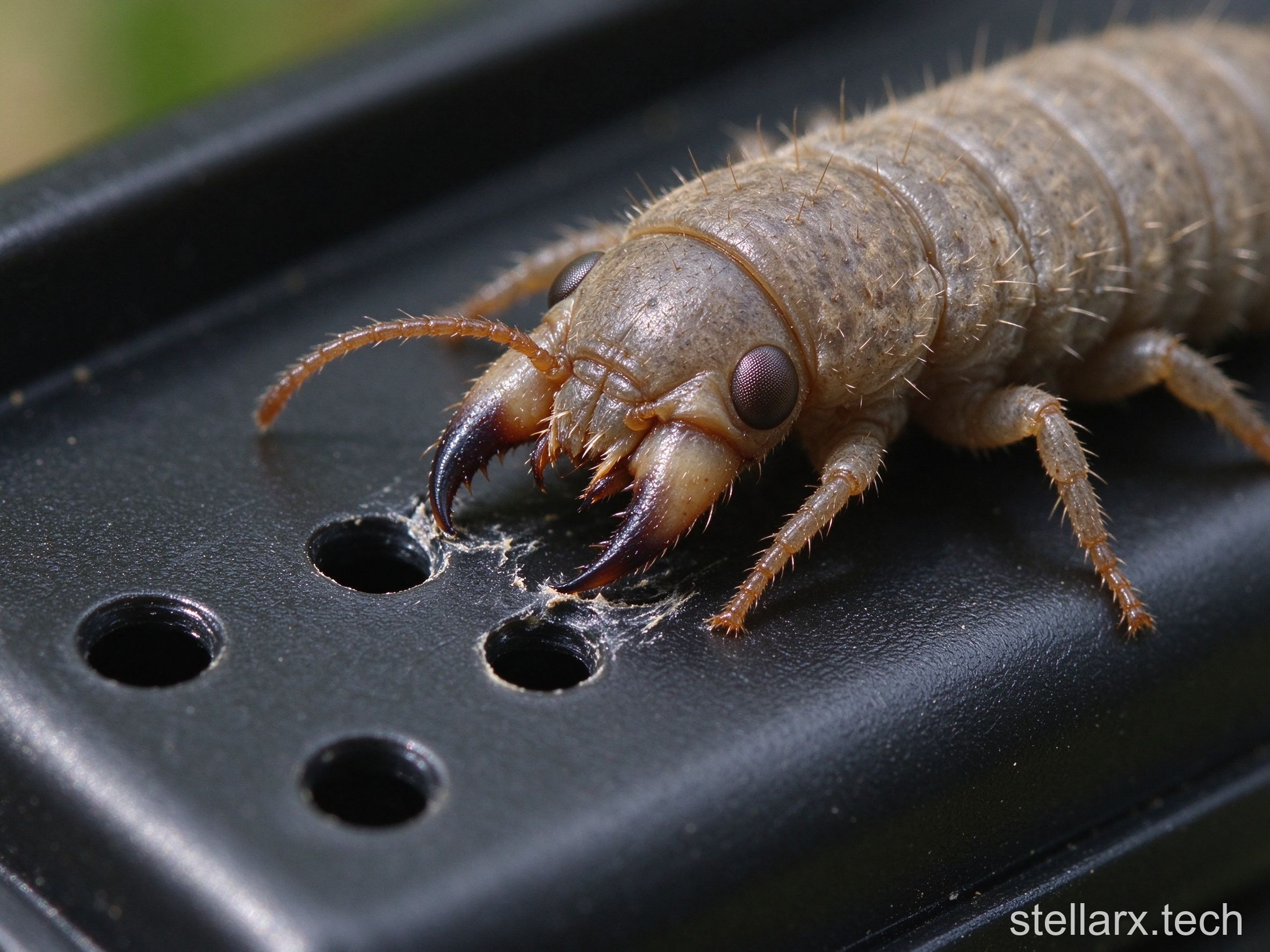
Surveillance footage captured the suspect in action: a grayish-brown insect larva with sparse short hairs crawling on a car body, repeatedly biting and trying to burrow inward — like a tiny electric drill at work. Photos and videos posted online quickly went viral, with many owners saying they had suffered the same damage.
Jiang Weibin, Associate Professor at the College of Life Sciences, Shanghai Normal University, notes that the appearance matches the typical features of noctuid (owl moth) larvae — especially the pair of well-developed mandibles constantly chewing at the front of the head, which he calls the most convincing evidence of the "tool" at work.
Why Does a Moth Larva Chew on Cars?
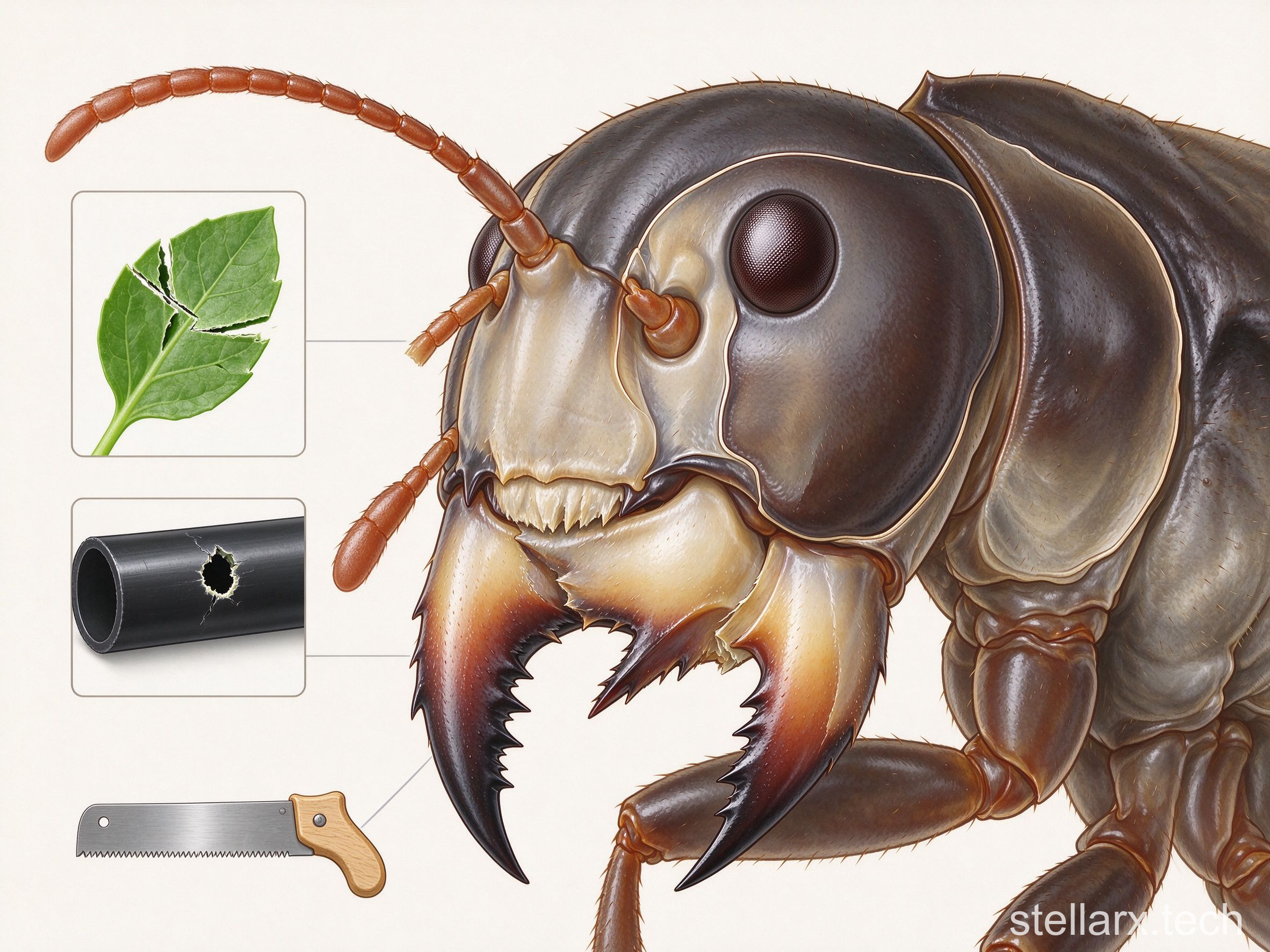
A noctuid larva's chewing mouthparts evolved to cut and grind tough plant fibers — it is born with a miniature "drill kit": highly hardened mandibles with edges sharp as a saw, powered by strong muscles that generate surprising bite force.
Insects must use and sharpen their mouthparts regularly to keep them functional. Some plastics on cars — such as wire conduits and sensor sheaths — are relatively soft, so they happen to be easy for the larva's powerful bite to breach. In effect, your car has become its whetstone.
Does It Bite People? Is It Poisonous?
In general, noctuid larvae are not aggressive toward humans — their main goals are plants and finding a suitable place to pupate. Most noctuid larvae are not venomous, though the fine hairs on their bodies can cause mild skin irritation in sensitive people. If you touch one, simply wash the area promptly.
The Real Hotspot: Golden Rain Trees
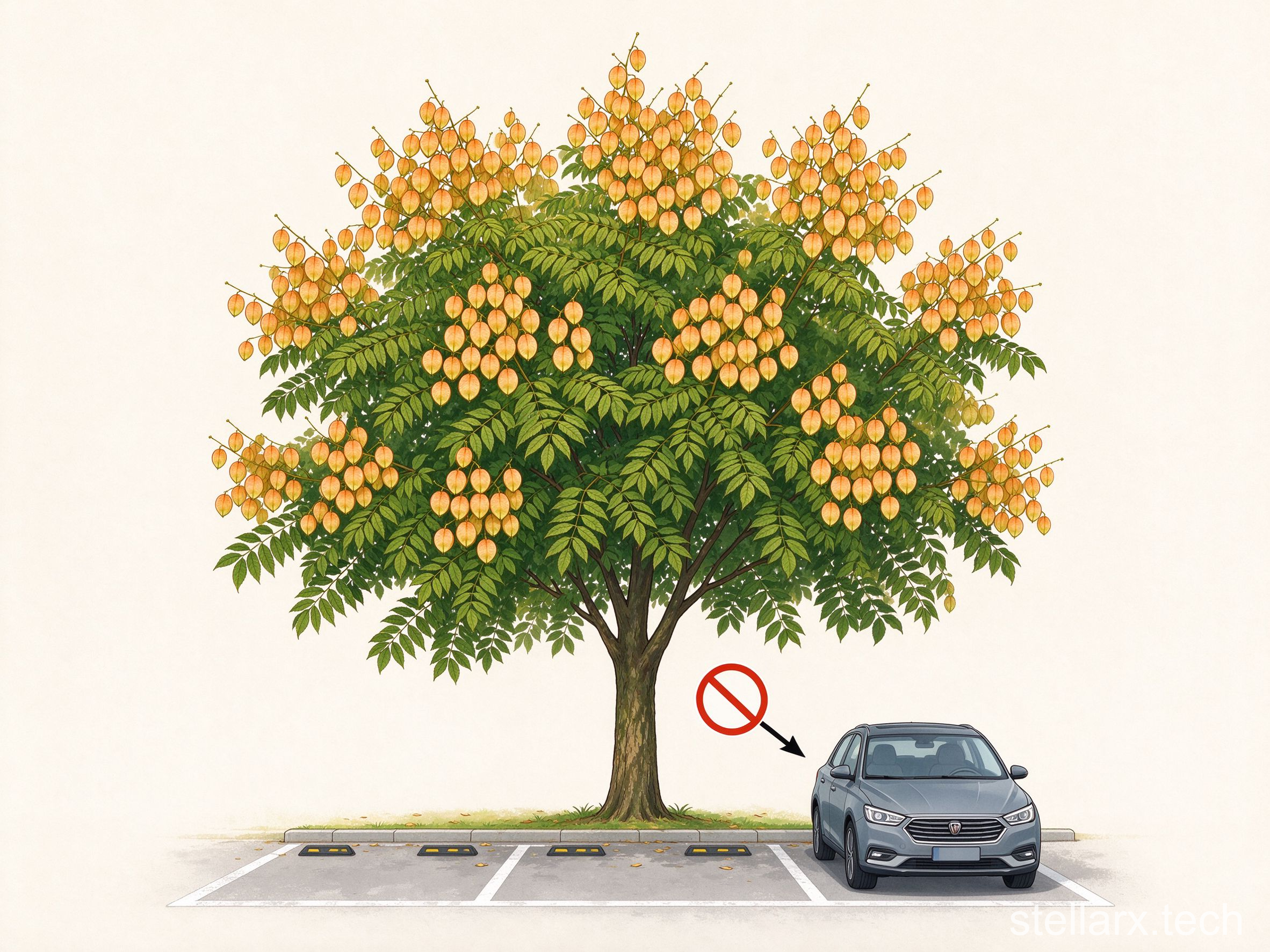
The Chinese golden rain tree (Koelreuteria paniculata) is a common street tree in East China — graceful in shape and a favorite for urban greening. But noctuid moths especially like to lay eggs on the dense undersides of its leaves, and late summer to autumn is the peak activity season for noctuid larvae — and the peak season for "car-chewing" incidents.
If you are choosing a parking spot in autumn, spend a few seconds looking at the surrounding trees: if you see the golden rain tree's distinctive pinnate compound leaves and lantern-like fruits, consider parking elsewhere, and avoid leaving your car under such trees for long periods. If you must park nearby, a professional anti-chewing car cover — with denser fabric and specially sealed seams — can effectively keep larvae out.
What Do Insect Structures Really Look Like Under a Microscope?
The story of the "hole-punching" larva is a window into insect biology: chewing mouthparts, hardened cuticle, segmented bodies, wing veins — structures that are hard to appreciate in photos but come alive under a microscope. WWAI is an AI-powered biology encyclopedia that answers your biology questions instantly and lets you observe real microscope slide specimens online. Want to examine an insect's segmented body, wing veins, and mouthparts up close? Open the Culex mosquito specimen in the WWAI microscope viewer, or search "WWAI" in your app store and download it today.

References:
[1] All illustrations are AI-generated.
[2] Locally adapted from a public science report on noctuid larvae damaging parked vehicles, 2026-09-26.
- A 1 cm Thyroid Nodule Turned Out to Be Cancer While a Bigger One Was Fine — Here's the Biology
- Why Are Mysterious Round Holes Appearing on Parked Cars? The Culprit Is a Moth Larva
- The One-Man Physics Encyclopedia That Beats a $20,000 University Course
- OpenAI's Agent Broke Into Australia's Medicare Portal — the World's First Rogue AI Breach
- Why Robots Still Can't Learn to Spin a Pen
- Why "Sugar-Free" Mooncakes Can Still Spike Your Blood Sugar
- White Sugar vs. High-Fructose Corn Syrup: Which Is Actually Healthier?
- Why Does Osmanthus Smell So Sweet? The Science Behind China's Favorite Autumn Flower
- Why a 10-Second Balance Test May Predict Disability and Death Risk
- Babies Age Too — and Monthly Cash Payments Seemed to Slow It Down

全部评论