White Sugar vs. High-Fructose Corn Syrup: Which Is Actually Healthier?
By the wwai Editorial Team
Recently a topic shot to the top of Chinese social media: "Give us back the white sugar in the ingredient list." Many consumers noticed that in drinks and snacks, white sugar had quietly disappeared from the label, replaced by "high-fructose corn syrup" — while the package cheerfully advertised "no sucrose", making the product seem healthier. But high-fructose corn syrup is neither healthier than white sugar, nor does it have anything to do with fruit.
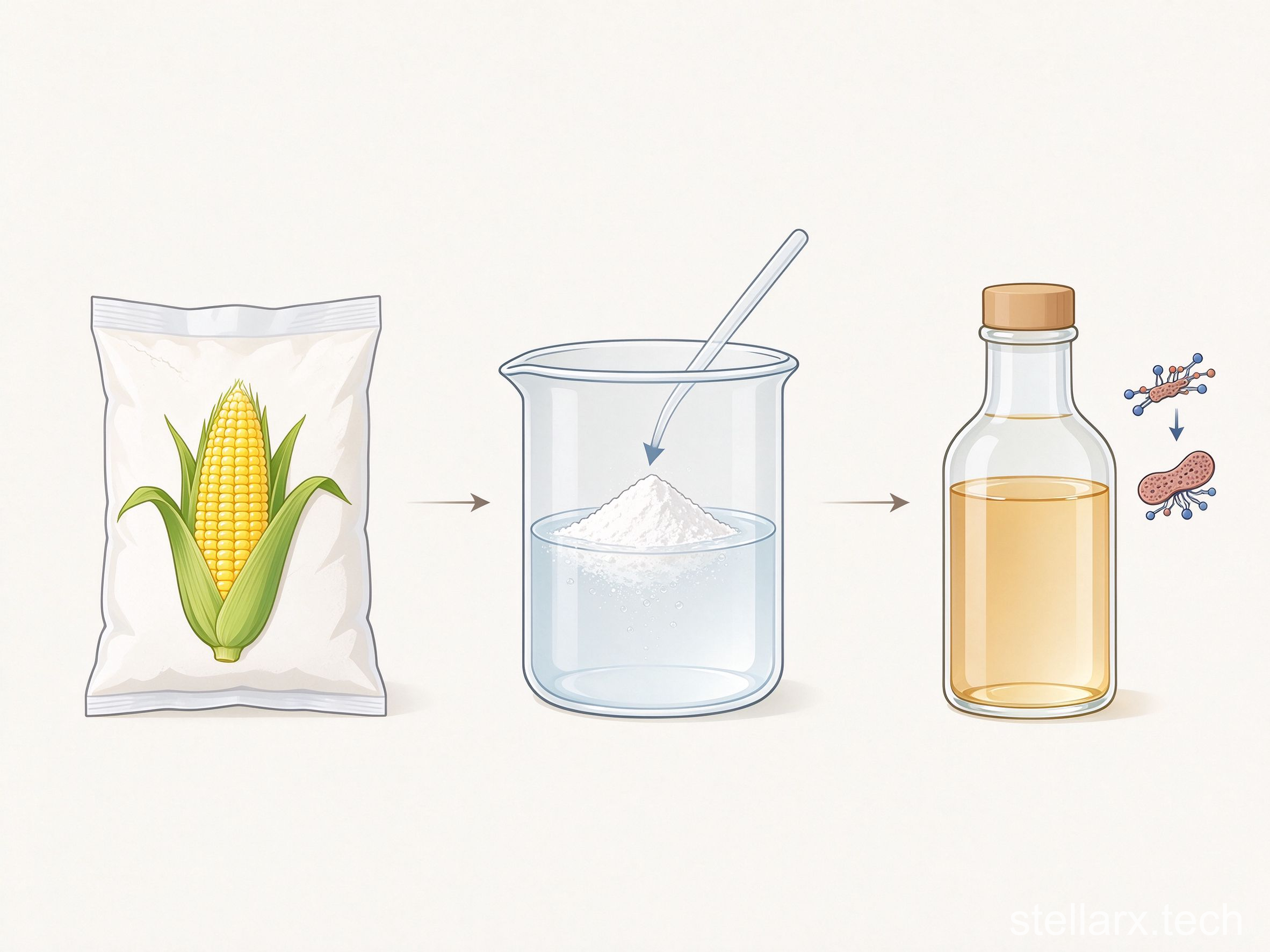
What Exactly Is High-Fructose Corn Syrup?
High-fructose corn syrup (HFCS) is, in fact, a starch sugar. Its raw material is usually corn starch or cassava starch. During production, the starch is first hydrolyzed into glucose, then enzymes convert part of the glucose into fructose, producing a mixed syrup of glucose and fructose. The "fruit" in its name only means it contains fructose — it does not come from fruit at all.
Manufacturers use it to replace white sugar because it is cheap and convenient. Corn starch is inexpensive and the process is mature, and because the syrup is already liquid it needs no dissolving before blending. HFCS also tastes sweeter at low temperatures, which improves the flavor of chilled drinks.
White Sugar vs. HFCS: What Is Actually Different?
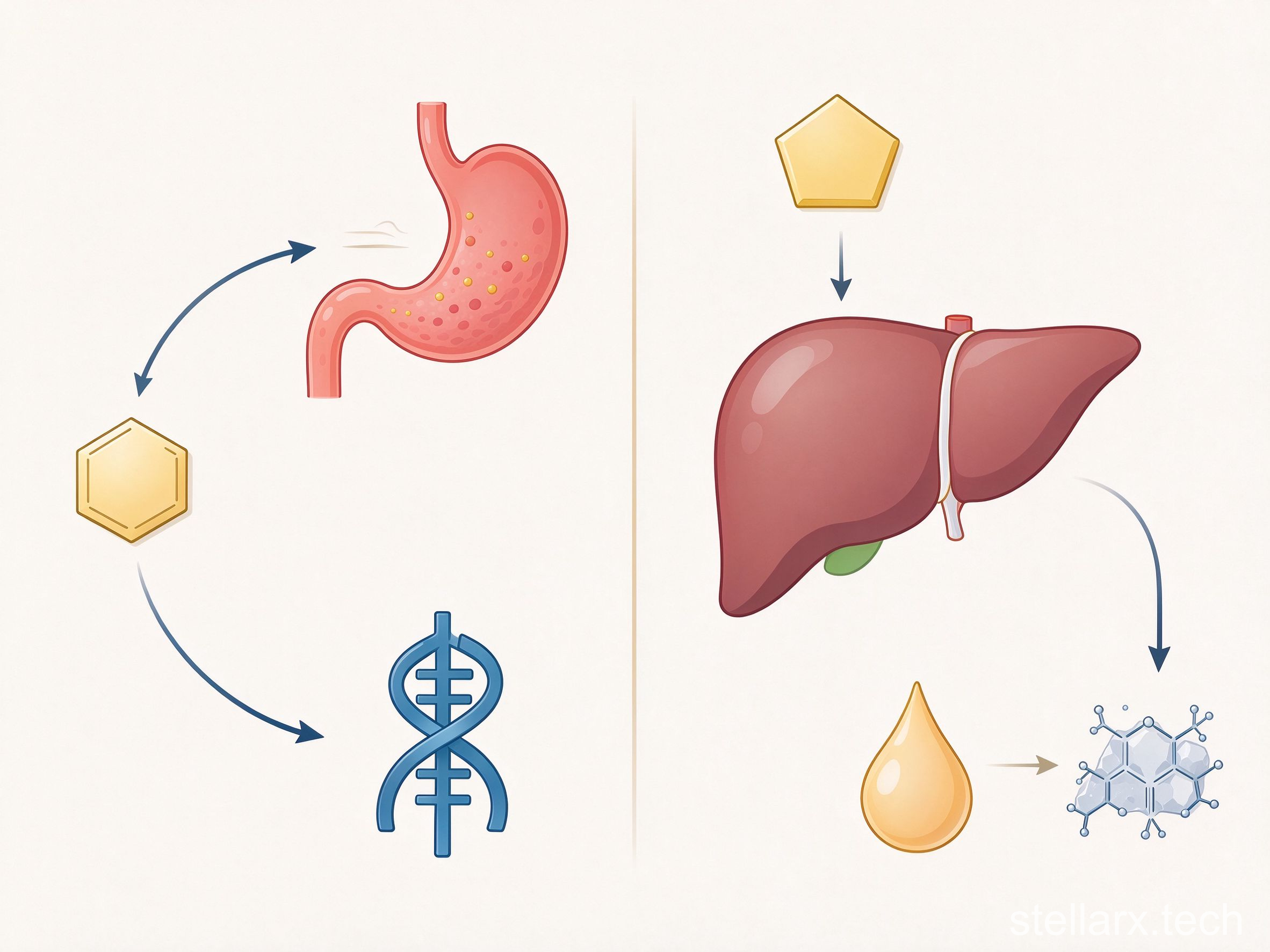
White sugar is mostly sucrose, a disaccharide in chemical terms: one molecule of glucose and one molecule of fructose joined by a glycosidic bond. Sucrose cannot be absorbed directly; it must first be split. On the surface of our intestinal wall, an enzyme called sucrase (invertase) acts on the glycosidic bond, hydrolyzing sucrose into two monosaccharides — glucose and fructose — which are then absorbed separately.
High-fructose corn syrup, by contrast, is already a mixture of glucose and fructose, skipping the digestion step. It can be absorbed and used directly, and its fructose is in a free state.
How Your Body Handles Glucose vs. Fructose
Glucose entering the body stimulates insulin secretion, sends a signal, and produces a sense of fullness that tells you to stop. Fructose barely stimulates insulin and barely triggers fullness signals; it is mainly metabolized by the liver.
The fructose metabolic pathway lacks the feedback regulation that the glucose pathway has. When intake exceeds the liver's processing capacity, excess fructose is converted into triglycerides in the liver, and its intermediate metabolites also generate uric acid. Seen from human metabolism, long-term high fructose intake adds to the liver's metabolic burden and raises the risk of fatty liver; for people with already high uric acid or gout, it may even trigger an attack.
Wait — Does That Mean White Sugar Is Safer?
Not really. Sucrose is "glucose + fructose", and HFCS is also "glucose + fructose". The monosaccharides that finally enter your body are very similar. From a metabolic point of view, both deliver a fructose load to your liver — the difference is small. Replacing one sweetener with the other does not dodge the metabolic cost.
The Real Problem: How Much You Eat
Whether HFCS or white sugar, excessive intake brings health risks for both. The Dietary Guidelines for Chinese Residents (2022) recommend keeping daily added sugar below 50 grams, ideally below 25 grams. Whatever the sugar is called — HFCS, white sugar, rock sugar, or concentrated fruit juice — if it is added during processing, it counts toward the same limit.
The essence of sugar control is not switching to a different sweetener; it is eating less sugar. When buying food, read the ingredient list: if "high-fructose corn syrup", "white sugar", or "sucrose" appears near the top, the product is high in sugar. HFCS also stimulates the satiety system only weakly, making it easier to overconsume. A typical 500 ml sugary drink contains roughly 40 to 60 grams of sugar by common formulations — you feel no fullness after drinking it, but the calories already exceed the daily recommendation.
Practical Advice
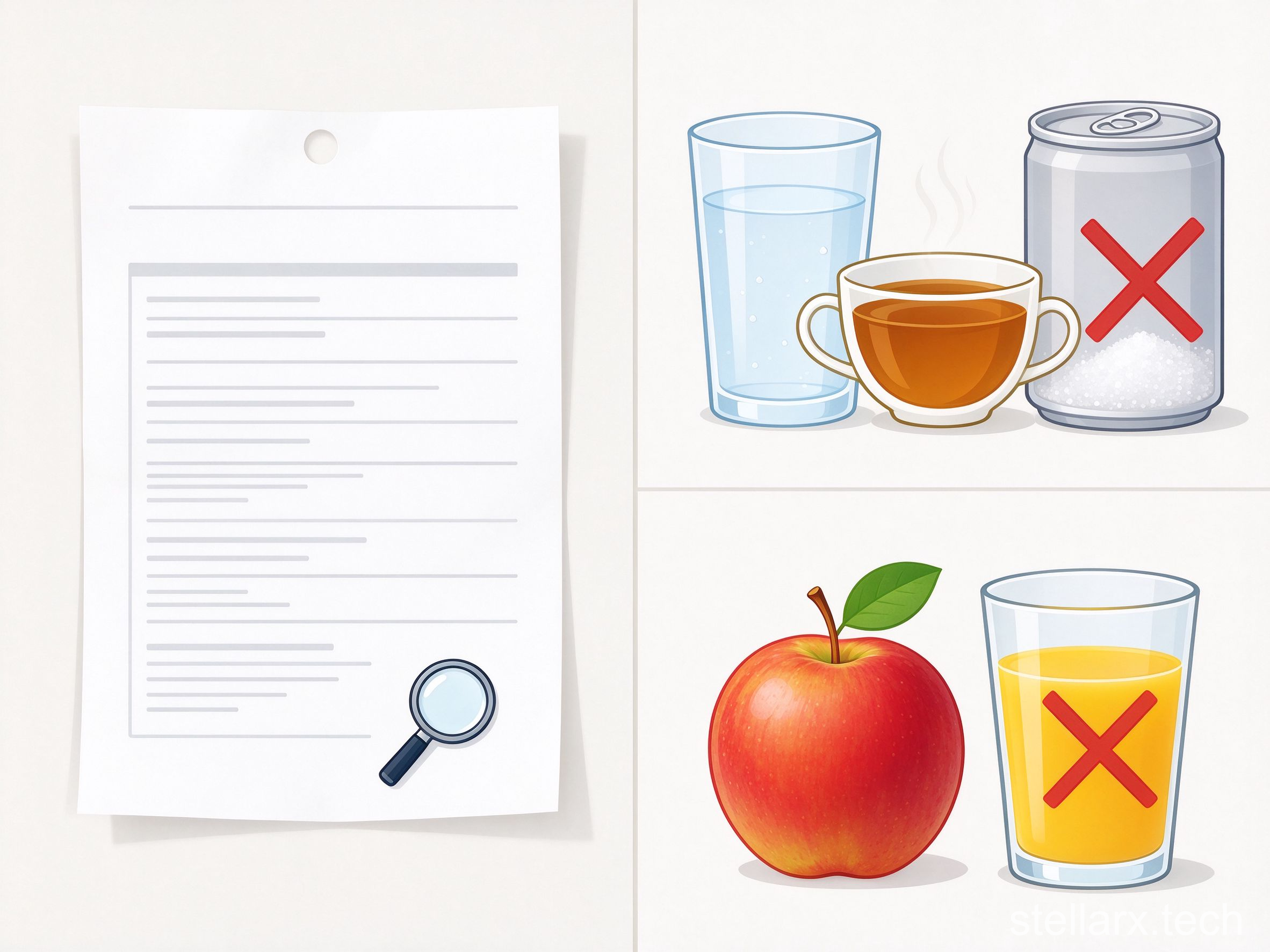
Read the ingredient list. Do not be fooled by "no sucrose" claims on the package. If "high-fructose corn syrup" ranks in the top three ingredients, its content is high.
Drink fewer sugary beverages. Sugary drinks are the main source of HFCS intake. Choose water, tea, or sugar-free drinks instead.
Eat whole fruit instead of drinking juice. Fruit does contain fructose, but it also provides dietary fiber, vitamins, and potassium, and the fiber slows fructose absorption. Whole fruit is fine; juice should be treated as a sweet drink.
So stop agonizing over "white sugar or HFCS — which is better". Both are added sugars, and controlling the total amount matters more than picking a variety. What consumers are really asking for when they shout "give us back the white sugar" is not actual white sugar — it is the right to know, without being fooled by word games on the label.
Want to understand how sucrase splits sucrose in your gut, or what the metabolism of fructose looks like at the cellular level — or see sugar crystals under a real microscope? WWAI is an AI-powered biology encyclopedia that answers your biology questions instantly, from human metabolism to food science, and lets you observe real microscope slide specimens online. Just search "WWAI" in your app store and download it today.

References:
[1] Adapted from the public science article "Give Us Back the White Sugar! Is White Sugar Really Healthier Than High-Fructose Corn Syrup?" by Beijing Science Center (Digital Beijing Science Center), 2026-09-22. All illustrations are AI-generated. Expert review in the source article: Wang Xuejiang, Professor, Capital Medical University.
[2] Dietary Guidelines for Chinese Residents (2022): daily added sugar intake no more than 50 g, ideally below 25 g.
- Why Robots Still Can't Learn to Spin a Pen
- Why "Sugar-Free" Mooncakes Can Still Spike Your Blood Sugar
- White Sugar vs. High-Fructose Corn Syrup: Which Is Actually Healthier?
- Why Does Osmanthus Smell So Sweet? The Science Behind China's Favorite Autumn Flower
- Why a 10-Second Balance Test May Predict Disability and Death Risk
- Babies Age Too — and Monthly Cash Payments Seemed to Slow It Down
- Why Gout Is Surging in Young Men — and Its Link to Erectile Dysfunction
- Why a Batch of Black Sesame Paste Tested 27× the Mold Limit
- Why Are Beijing's Trees Suddenly Full of Fuzzy Caterpillars?
- DeepSeek Harness Desktop Preview Goes Live — Mac and Windows Downloads Available Now
全部评论